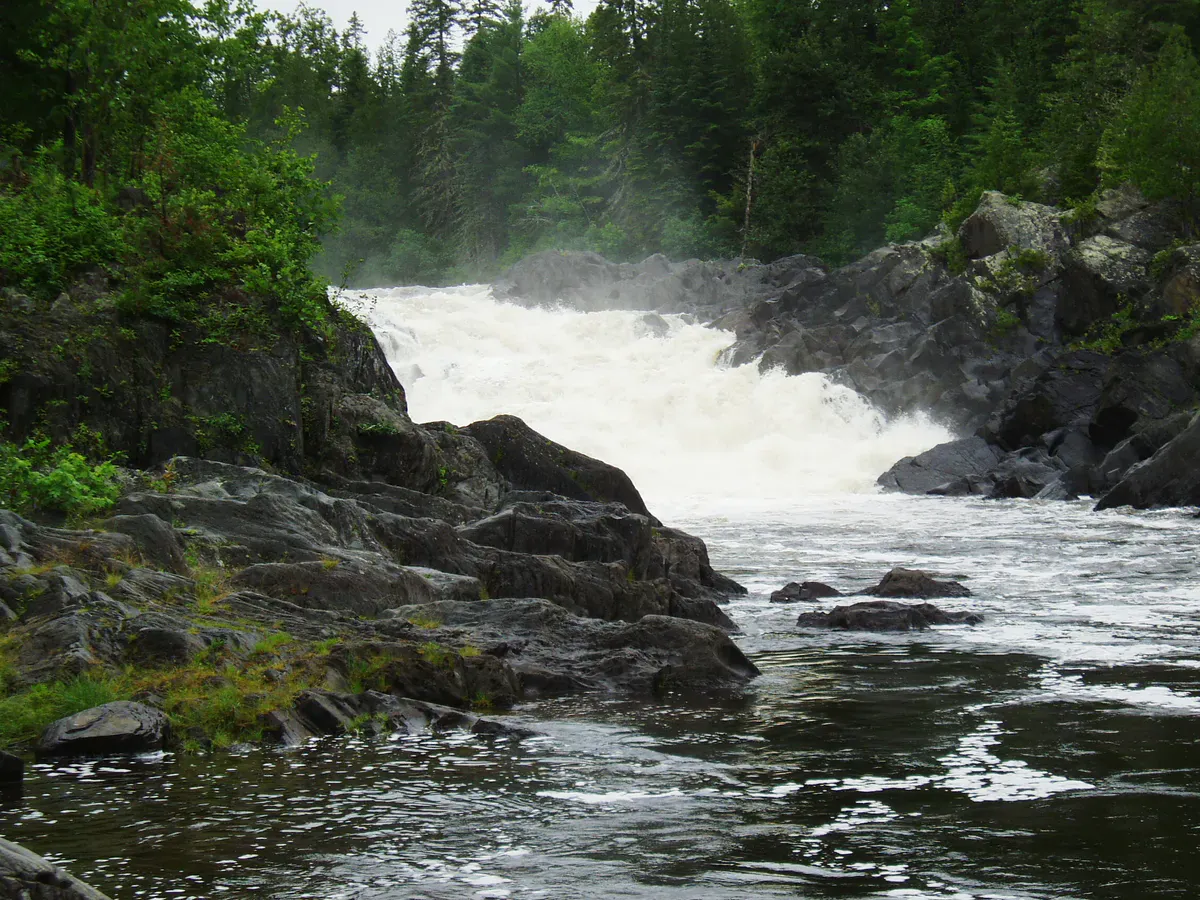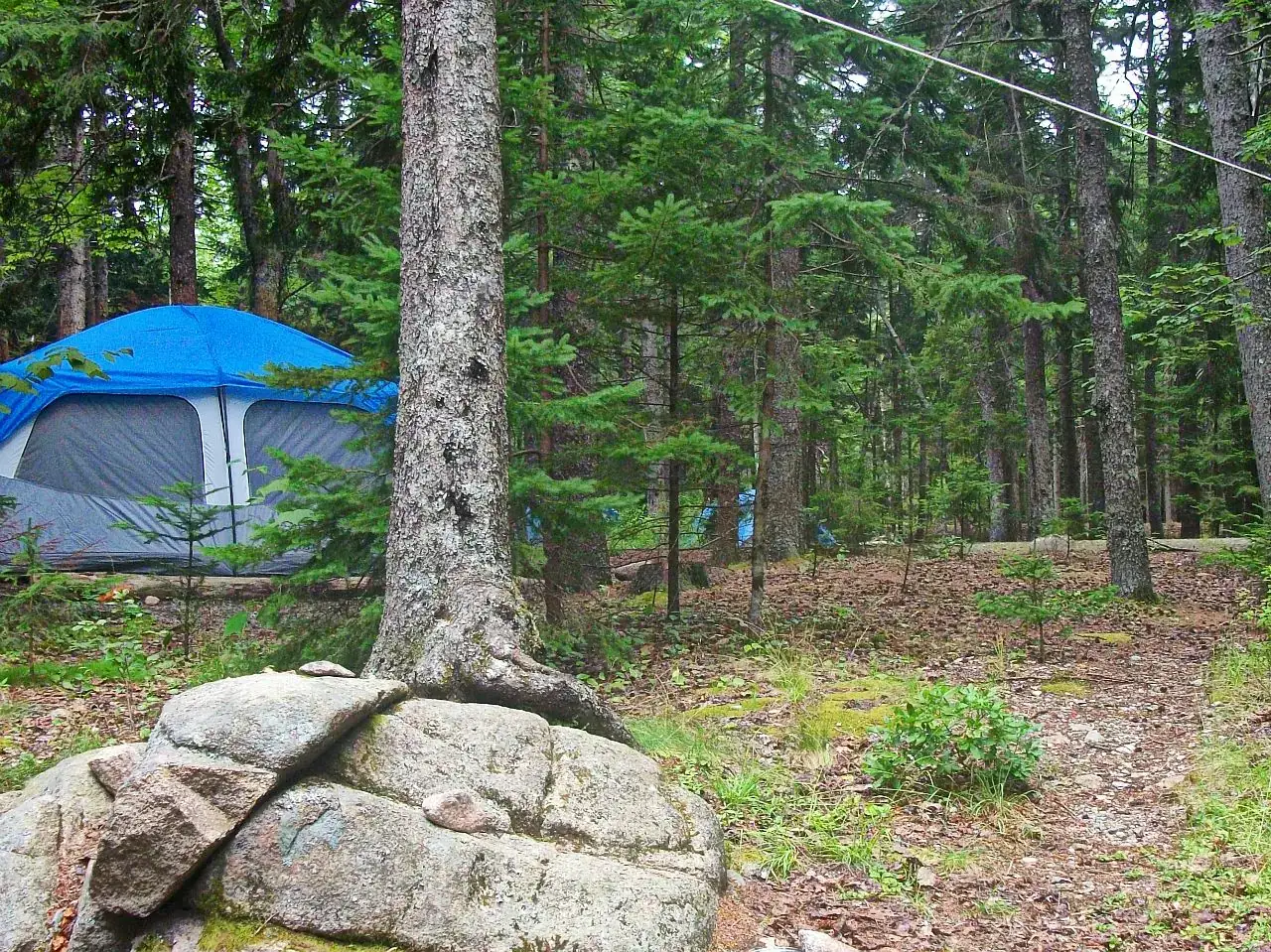
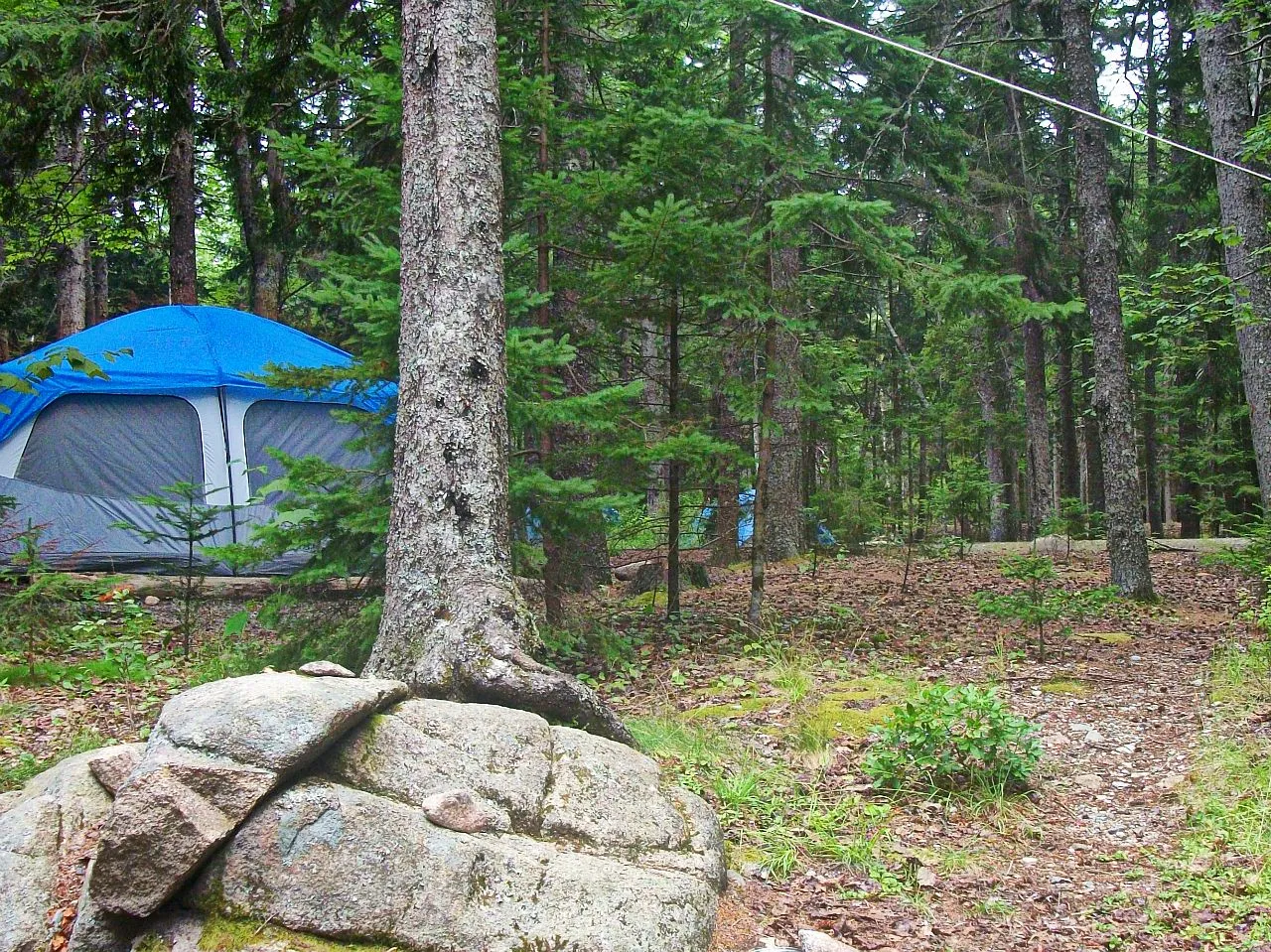
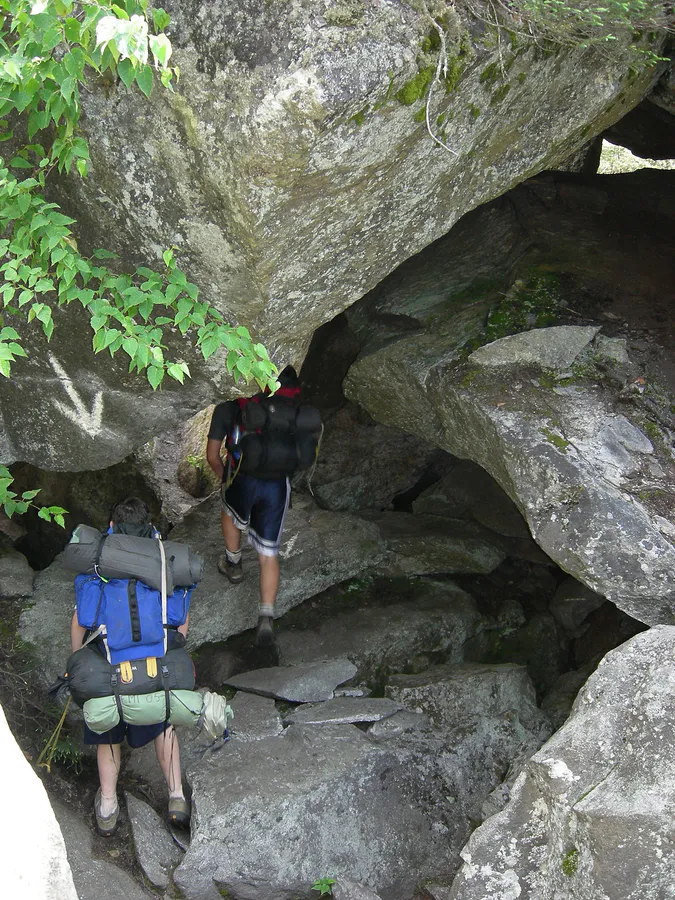
The food-storage problem in Maine has two faces, and the gear that solves one does almost nothing for the other. On a carry along the Allagash, a black bear ambling through camp at first light is a real possibility, especially in September when hyperphagia (the pre-hibernation feeding frenzy) has bears on the move and willing to investigate anything that smells like calories. On a car-camping site at Sebago Lake State Park or Lily Bay, the more likely raider is a raccoon working the cooler latch at 2 AM, or a red squirrel chewing through a stuff sack to reach a granola bar.
Maine has black bears, not grizzlies. Black bears are smaller and less aggressive than their western cousins, but they are smart, persistent, and absolutely capable of teaching themselves that backcountry campsites contain food. Once a bear learns that lesson, the campsite (and sometimes the bear) is in trouble. The answer most Maine backpackers carry is some combination of the six options below, matched to where they’re sleeping and what the local rules require.
| Storage Method | Price | Weight | Capacity / Best For | Rating |
|---|---|---|---|---|
| Mid-range | 2 lb 9 oz | 700 cu in, 2-7 night trips | 4.7 | |
| Mid-range | 2 lb 1 oz | 440 cu in, solo up to 3 nights | 4.6 | |
| Mid-range | 7.5 oz | 650 cu in, ultralight bear-resistant | 4.5 | |
| OPSAK Odor-Proof BagsSearch Amazon | Budget | 1 oz | Pair with Ursack or hang bag | 4.4 |
| Budget | Bag only | Bag for a separately assembled hang | ? | |
| Ratsack Stainless MeshSearch Amazon | Budget | 8 oz | Rodent protection at campgrounds | 4.5 |
How We Chose
We didn’t run a teeth-strength test on any of these. What we did was match three things: what Maine’s parks and wildernesses actually require or recommend, the real-world track record of each method against black bears (not grizzly trials, which have different standards), and the weight and bulk you’ll be living with for the whole trip. A canister you leave in the car because it’s too heavy doesn’t protect anyone’s food.
For each pick we looked at bear-resistance certification (IGBC for the canisters and the Ursack), capacity in cubic inches, where it’s accepted by land managers, the failure mode it’s vulnerable to, and the realistic weight cost. The result is a short list. Food storage in Maine is not a place to chase the lightest possible setup at the cost of legality or genuine resistance. It’s also not a place to over-pack a 3 lb canister for a one-night summer trip near the car.
The Storage We’d Pack
BearVault BV500 and BV450 Jaunt: The Hard-Canister Workhorses
#1Mid-range
BearVault BV500
Who it’s forBackcountry food storage
Why we picked itIGBC-certified bear-resistant hard canister
#2Mid-range
BearVault BV450 Jaunt
Who it’s forBest canister for solo trips up to 3 nights
Why we picked it440 cubic inches handles 3-4 days of food for one person
If you’re heading to a backcountry site that requires hard-sided food storage, or you simply want the most reliable bear-resistance you can carry, a BearVault canister is the default answer. The BV500 holds 700 cubic inches (roughly 7 days of food for one person if you pack tight, or 2-3 days for a couple) and weighs 2 lb 9 oz empty. The polycarbonate body is clear, which sounds like a minor feature until you’ve dug to the bottom of an opaque canister at first light looking for the coffee filters.
The smaller BV450 Jaunt is the same canister design at 440 cubic inches and 2 lb 1 oz. For solo trips up to about 3 nights, the BV450 is the smarter choice. It fits inside more packs (vertically, which is how canisters want to ride), it’s noticeably lighter, and on a short trip the BV500 is just empty space you’re carrying.
Both use a twist-lock lid that takes a coin or a thumbnail to release. This is intentional. Bears in the western US occasionally figured out the older lid designs by trial and error, so the current generation requires a deliberate two-step motion that bears don’t manage. The downside is that in cold weather the lid can be stiff, and the first time you use one you’ll probably need to read the instructions on the side. Practice opening it at home before you’re hungry and frustrated at camp.
The honest weakness of any hard canister is weight. 2.5 lb of hardware is a meaningful penalty on a multi-day trip. The honest strength is that no other approach is as reliable. A bear cannot get into a properly closed BearVault. That’s the whole point.
Ursack Major and OPSAK Odor-Proof Bags: The Ultralight Pair
#3Mid-range
Ursack Major
Who it’s forBest lightweight bear-resistant alternative to a hard canister
Why we picked it7.5 oz versus 2 lb 9 oz for a hard canister
#4Budget
OPSAK Odor-Proof Bags
Who it’s forBest paired with an Ursack to contain food odors
Why we picked itGenuinely seals odors when the slider is fully closed and clean
If you’re going somewhere that recommends but does not strictly require a hard canister, the Ursack Major plus an OPSAK liner is the setup that saves close to two pounds. The Ursack is a high-tensile bear-resistant fabric sack (the material is similar to what’s used in stab-resistant vests) that ties off around a tree trunk with a reinforced cord. A bear can chew and bat at it for hours and not get through the fabric.
What the Ursack does not do is hide the smell. The fabric is bear-resistant but not airtight. Without an odor barrier inside, you’re inviting bears to spend the whole night working on the sack. The OPSAK is the answer. It’s a heavy-duty resealable bag with an actual odor-proof seal when the slider is clean and fully closed. Put your food inside the OPSAK, put the OPSAK inside the Ursack, tie the Ursack to a tree, and you have a system that’s lighter than a hard canister and almost as effective for short trips.
The honest weakness of the Ursack is two-part. First, it’s not accepted at Baxter where hard-sided storage is the rule in certain backcountry areas. Second, bears can crush the contents through the fabric. Your dinner is bear-resistant in the sense that the bear can’t eat it, but a crushed pile of granola bars and Pop-Tarts is not exactly trip-saving. For most Maine backcountry where canisters aren’t required, the Ursack-plus-OPSAK combo is the lightest legitimate option.
Sea to Summit Lightweight Dry Bag 8L
#5Budget
Sea to Summit Lightweight Dry Bag 8L
Who it’s forDry bag for a separately assembled food hang
Why we picked itOrganizes food inside a hanging system where site rules allow one
This recommendation is for the dry bag only. Sea to Summit’s Lightweight Dry Bag can organize food inside a separately assembled hanging system; it does not include a throw bag, cord or carabiner, and it is not bear-resistant.
Use the campsite’s approved food-storage method. Where a hang is permitted, bring suitable cord and hardware, practice the technique before the trip, and confirm that the site has appropriate trees. A dry bag is never a substitute for a required bear canister or the site’s food locker.
Ratsack Stainless Steel Mesh Food Bag
#6Budget
Ratsack Stainless Steel Mesh Food Bag
Who it’s forBest mouse and rodent protection at campgrounds
Why we picked itStainless steel mesh that mice and red squirrels can't chew through
The Ratsack solves a problem the canisters and Ursack don’t address: rodents at established campgrounds. At Blackwoods, Lily Bay, Sebago Lake, and most other developed campgrounds in Maine, the food bin or bear box at your site handles the bear problem. What it doesn’t handle is the mouse that climbs into the bin behind you, or the red squirrel that chews through a fabric stuff sack to reach a single granola bar (and then makes a mess of everything around it).
The Ratsack is a stainless steel mesh bag that mice, squirrels, and chipmunks cannot get through. Drop your dry goods inside, cinch it shut, and hang it from the hook in the bear box or from a tree branch overnight. It weighs about 8 oz, lasts indefinitely, and solves the single most common food-storage failure at developed campgrounds.
It is not a bear deterrent. Odors leak right through the mesh, and a bear could crush or carry the whole bag if it wanted to. This is a campground tool, not a backcountry tool. But for car campers who’ve ever woken up to a chewed bread bag or a torn coffee filter, it’s the upgrade that pays for itself the first night you use it.
How to Choose for Maine Conditions
Baxter and Backcountry Requirements
Baxter State Park typically requires bear-resistant food storage at backcountry sites, with hard-sided canisters being the standard at certain locations and bear boxes provided at others. The rules vary by campsite and have been updated several times in recent years, so check baxterstatepark.org for current requirements before you go, and confirm with the ranger when you check in. A BV500 or BV450 satisfies the hard-canister rule everywhere it applies.
In the Allagash Wilderness Waterway, bear-resistant storage is the established practice though specific rules are less prescriptive than at Baxter. Canisters or an Ursack-plus-OPSAK setup are both common. Some Allagash campsites have steel food boxes, which is the easiest answer when available.
On the AT through the 100-Mile Wilderness, most shelters have bear cables or bear boxes. Hangs work well at sites with cables, and a canister or Ursack is good insurance for the stretches between shelters or for tent sites where the cable is in use.
Hard Canister vs Soft Bag
The honest trade-off is bombproof versus light. A hard canister is the only food storage that’s effectively impossible for a bear to defeat. An Ursack is bear-resistant in the sense that the fabric holds up, but bears can still crush the contents, and at parks where hard-sided rules apply, the Ursack won’t satisfy the rule. For trips where weight matters most and the rules permit it, the Ursack-plus-OPSAK setup saves close to two pounds. For trips where the rules require hard-sided storage, the canister is the only legal option.
PCT-Method Bear Hangs
A proper PCT hang works like this: throw a line over a branch 20+ ft up, run the cord through a small loop on the bag, hoist the bag to within a foot of the branch, then attach a second small bag (or a stick) to the trailing end of the cord and toss it up so the two ends counterbalance each other. There’s no cord reaching the ground for a bear to chew. Target height is 12+ ft from the ground, 6+ ft from the trunk, and 6+ ft below the branch. This takes practice. Learn it in a city park or a back yard before you need it.
Hangs don’t work everywhere. The stunted spruce and balsam common in the North Woods and on coastal sites in Cutler Coast often won’t give you a usable branch 20 ft up. When the trees won’t cooperate, carry a canister.
Campground Rodents vs Backcountry Bears
These are different problems and they need different tools. At developed campgrounds, the bear problem is handled by the bear box or food bin at your site (use it, every time). The rodent problem is what the Ratsack solves. In the backcountry, the bear problem is the primary one, and rodents are a secondary concern that an Ursack or canister also handles. Don’t bring the Ratsack on a backcountry trip and don’t expect the Ursack to be the right tool at a developed campground where a steel bear box is six feet from your tent.
Cold-Weather and Wet-Weather Considerations
In cold weather, BearVault lids get stiff and harder to twist. Practice the lid mechanism in cold conditions before you depend on it at 6 AM on a frosty morning. Ursack closures use a paracord-style cinch and reinforced knot that holds up across temperatures. The OPSAK slider seal can stiffen in cold weather but still seals.
In wet weather, every option here is fine for the food storage itself. The canisters are waterproof by design. The Ursack is water-resistant but not waterproof, which is another reason the OPSAK liner matters. The hang kit’s dry bag is genuinely waterproof.
Everything that smells goes in the canister. Toothpaste, deodorant, sunscreen, lip balm, Leukotape (yes, the adhesive in athletic tape smells like food to a bear), trash, dirty cookware. Bears do not distinguish between dinner and toothpaste. The single biggest food-storage failure isn’t the canister, it’s the half-finished tube of Burt’s Bees in the tent vestibule that the bear actually found.
On a long Allagash trip we run a hard canister for the food and a separate small dry bag for trash, both stored together in the steel box at the site when one’s available. The single rule I’d hand to anyone starting out is that anything you wouldn’t want to eat off the ground in a parking lot should still go in the canister. Trash smells louder than food.
Where You’ll Actually Use Them
For Baxter backcountry sites, plan on a hard canister. The BV500 covers groups up to two people for several nights. The BV450 is the right call for solo overnights. Confirm current rules with the ranger when you reserve.
For the Allagash, the BV500 or a BV450 plus a hang bag is the standard paddler setup. Many sites have steel food boxes, which is the easiest answer when available. An Ursack-plus-OPSAK works at sites where canisters aren’t strictly required and you want to save weight.
For the 100-Mile Wilderness and the AT, shelter sites typically have bear cables or boxes, which is what most thru-hikers rely on. Carry a hang kit or an Ursack for the nights you’re between shelters, or for the tent sites where the cable is in use by other hikers.
For Acadia campgrounds and most developed state park campgrounds, the bear box at your site plus a Ratsack for rodents inside the box is the complete answer. Skip the canister, skip the hang kit. The bear box already handles the bear problem. The Ratsack handles the mouse problem.
For private campgrounds, check whether the site has a bear box. If yes, treat it like a state park. If not, a Ratsack hung from a tree branch handles rodents, and you should ask the campground host whether bears are a known issue in the area. In southern Maine and along most of the coast, bears are present but not aggressive at developed sites. In the western mountains and northern woods, take the bear problem more seriously.
What Else Belongs in Your Food System
Storage is only half the picture. The rest of the system matters too.
Cook 100+ feet from the tent. Pick a spot for the kitchen that’s downwind of where you’ll sleep. The smells of dinner cooking soak into clothing and hair (and tents). Cooking close to the tent is one of the most common food-storage mistakes, and it’s one no canister can fix.
Wash cookware downstream of camp. A few drops of biodegradable soap, a quick scrub, and rinse water dumped at least 100 ft from camp and from any water source. Food residue on a pot is bear-attractive whether the pot is in the canister or not.
Scent-free toiletries when possible. Unscented sunscreen, fragrance-free wipes, plain toothpaste. Every fragrance is a beacon. None of these are critical at developed campgrounds with bear boxes, but on a multi-day backcountry trip they meaningfully reduce your scent footprint.
Plan for trash. Trash is food to a bear. Carry a small dry bag dedicated to trash, and store it with the food in the canister, the Ursack, or the bear box. Don’t leave a wrapper in a pocket overnight.
If you’re also looking at the rest of your kit, our essential camping gear for Maine guide covers the tent, sleeping bag, pad, and stove choices that pair with this storage loadout. Our water filter guide covers the safe-water side of the camp kitchen.
Before you leave the trailhead, do a slow check of every pocket on your pack and every stuff sack inside it. Old gum wrappers, half-finished energy bars wedged into a hip-belt pocket, the lip balm in your jacket pocket from last spring. All of it goes in the canister with the food. The bear that finds the wrapper buried in your pack at 3 AM doesn’t care that you forgot about it.
Does Maine actually have bears that care about my food?
Yes. Maine has roughly 35,000 to 40,000 black bears, the largest population east of the Mississippi. They're spread across the state but concentrated in the western mountains and the North Woods. They are smart and persistent food-finders, especially in late summer and fall during hyperphagia, when they're putting on weight for winter. A campsite with accessible food is exactly the kind of opportunity a bear remembers and returns to. The reason every backcountry park in Maine has bear rules is that the problem is real, not theoretical.
Do I need a canister or can I hang my food?
It depends on where you are. Baxter typically requires hard-sided storage at certain backcountry sites and provides bear boxes at others. The Allagash, Katahdin Woods and Waters, and most other Maine wildernesses recommend bear-resistant storage but allow either canisters or properly hung bags. Hangs only work when the trees cooperate and the technique is correct. If you're learning, a canister or an Ursack-plus-OPSAK setup is more reliable than a bad hang. Check current rules for your specific destination before you go.
What about Acadia? Do I need a canister at Blackwoods or Seawall?
No. Developed Acadia campgrounds (Blackwoods, Seawall, Schoodic Woods) have bear boxes or food bins at each site, and the National Park Service rule is that food and scented items must be stored in those bins or inside a hard-sided vehicle. You don't need a personal canister. A Ratsack inside the bin solves the rodent problem the bin doesn't address. The bear problem is handled by the bin itself, assuming you actually use it every time.
Can I leave food in my car at a Maine campground?
At most developed campgrounds, yes. Hard-sided vehicles are the standard approved storage when no bear box is provided. The exceptions are areas with known bear activity that have learned to break into cars (rare in Maine compared to places like Yosemite, but not impossible). Trash and food wrappers should go in the trunk, not the cabin, and never leave anything on the dashboard or seat. At Baxter, follow whatever the ranger tells you at check-in. Their rules are based on what's actually happening with the bears that week.
How do I store toothpaste and deodorant?
Inside the canister, the Ursack, or the bear box with the food. Anything with a smell, including toothpaste, deodorant, lip balm, sunscreen, hand sanitizer, bug spray, and trash, counts as bear bait. The single most common food-storage mistake is leaving toiletries in the tent vestibule because they're 'not food.' Bears don't make that distinction. If you wouldn't want a bear to find it in your tent at 2 AM, it goes in the storage with the food.
Are bear sprays useful in Maine?
Mostly no for black bears. Bear spray is designed for and most useful against grizzly bears in a charge situation. Maine has only black bears, which are smaller and almost always avoid humans when given the option. The standard recommendation for a black bear encounter is to make yourself big, make noise, and back away slowly. Bears at the campsite are a food-storage problem to be prevented, not a self-defense problem to be solved with spray. The exception is solo backcountry travel where you want a deterrent of last resort, in which case bear spray is reasonable but never a substitute for proper food storage.
Are bear canisters required at Baxter State Park?
At Baxter, hard-sided food storage is required at certain backcountry and remote sites, while many established and drive-up sites provide bear boxes you must use instead. Soft bear bags like the Ursack are not accepted where hard-sided storage is required. The specifics vary by site and can change season to season, so confirm the rule for your exact site when you reserve and again with the ranger at check-in.
What size bear canister do I need for a trip in Maine?
For one person, a BearVault BV500 (about 700 cubic inches) holds roughly 5 to 7 days of food, or 2 to 3 days for two people. The smaller BV450 (about 440 cubic inches) is better for solo overnights and weekends. To fit more, pack high-calorie, low-bulk food and strip the packaging before you load the canister.
Where should you put a bear canister at night?
Set it on the ground at least 100 feet (about 70 steps) downwind from your tent and cooking area, on flat ground away from water, cliffs, and steep slopes so a bear cannot bat it somewhere you cannot reach. Do not tie it to a tree or your pack. A certified canister works because the bear gives up, so the goal is simply that it cannot be opened or carried off.
Can a bear open a bear canister?
Not when it is closed correctly. The canisters worth buying are IGBC-certified, meaning they have been tested against real bears. A bear may roll, bite, and paw at it for a while, but it cannot get in. The failures you hear about are almost always a lid that was not fully locked or food and scented items left outside the canister.
Do you need a bear canister in the 100-Mile Wilderness?
It is strongly recommended rather than universally required. The 100-Mile Wilderness sees heavy thru-hiker traffic, and both bears and rodents are active around the shelters, so reliable storage matters. A hard canister is the most foolproof option; an Ursack paired with an odor-proof OPSAK is a lighter alternative where canisters are not mandated. Tree hangs are unreliable here because good hang trees are not guaranteed.