The Tidal Giant of the East Coast
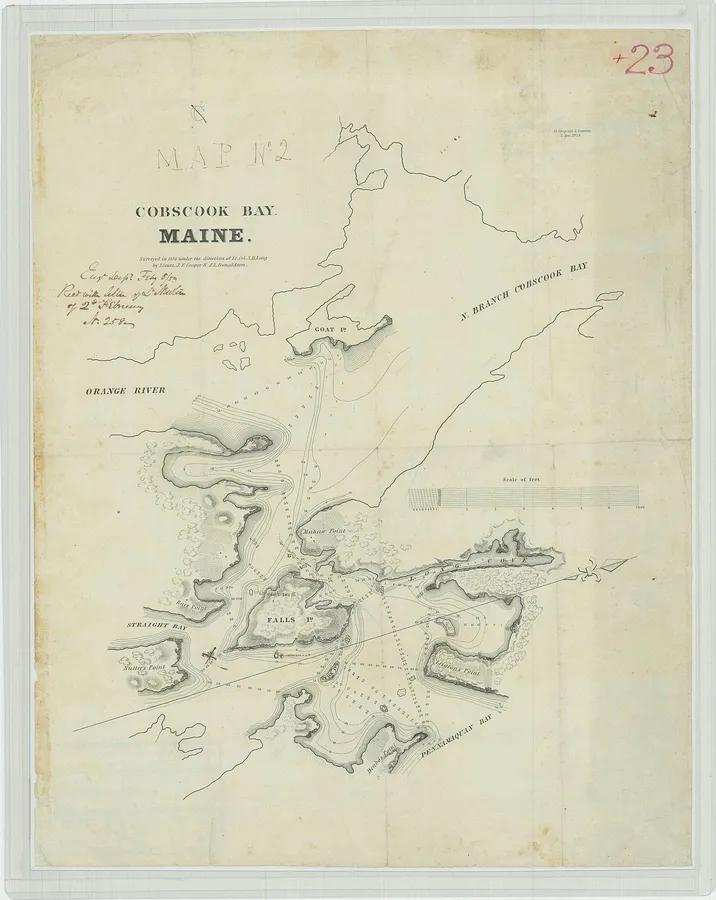
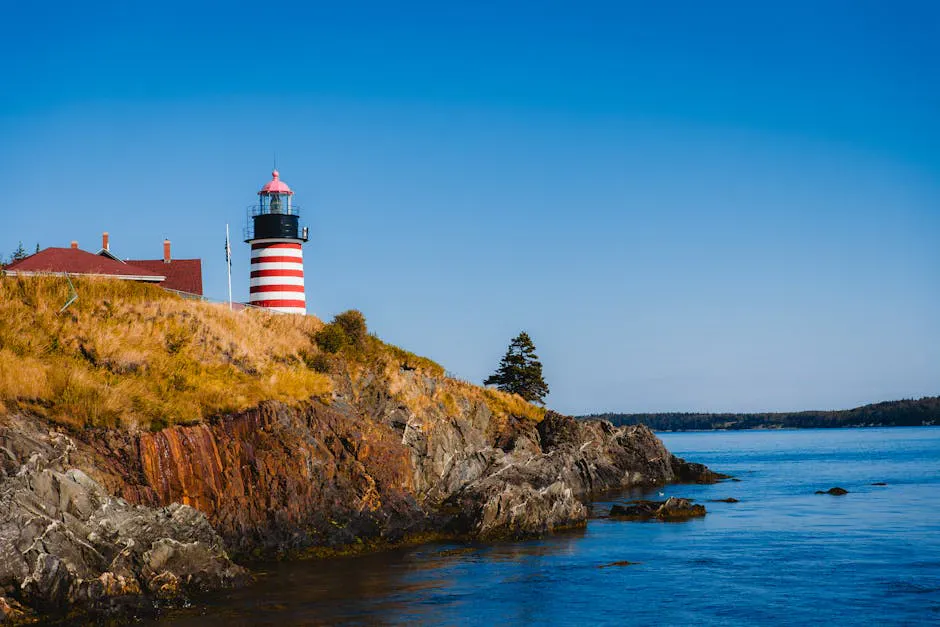
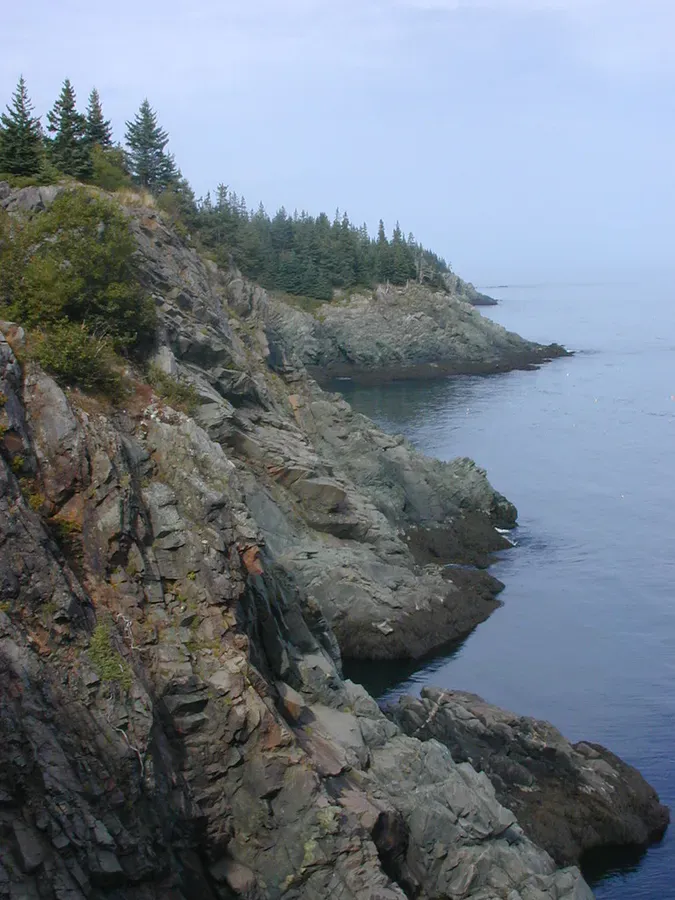
Cobscook Bay, between Eastport and Lubec at Maine’s easternmost point, experiences some of the highest tidal ranges on the Atlantic coast. Tides here routinely exceed 20 feet and can reach 28 feet during spring tides, creating a constantly shifting seascape of exposed mudflats, racing currents, reversing falls, and genuine whirlpools. For experienced sea kayakers, Cobscook Bay is one of the most extraordinary paddling environments in North America.
The name Cobscook comes from the Passamaquoddy word meaning “boiling tides,” and the description is accurate. As the enormous volume of water pushes through narrow passages between islands and headlands, it creates current speeds that can exceed seven knots. Eddies spin off points, standing waves form over submerged ledges, and the reversing falls at the bay’s narrows put on a show twice a day that draws comparison to river rapids.
This is not a beginner destination. Cobscook Bay rewards experienced paddlers with exceptional scenery, wildlife, and tidal dynamics that cannot be found anywhere else on the East Coast. But the consequences of misjudging the tide or overestimating your skills are serious, and proper sea kayaking gear is non-negotiable here.
Cobscook Bay’s tidal currents are powerful enough to capsize kayaks and sweep paddlers into dangerous situations. Whirlpools form unpredictably, and the current can exceed 7 knots in narrow passages. Do not paddle here without strong sea kayaking skills, tidal current experience, and complete self-rescue capability. Several kayakers have required Coast Guard rescue from Cobscook Bay. Study the tide tables thoroughly and plan every paddle around the tidal cycle.
Understanding the Tides
Everything about paddling Cobscook Bay revolves around the tides. The bay fills and drains through a few narrow passages, concentrating enormous volumes of water into constricted channels. The result is a bay that changes character completely every six hours.
At high tide, Cobscook Bay is a vast, calm body of water dotted with islands. Paddling is straightforward in the open areas, and the bay feels benign. As the tide drops, the current begins to flow outward through the narrows, accelerating as the water squeezes through tighter spaces. At peak ebb, the narrows become rivers of fast-moving water with standing waves, eddies, and whirlpools.
The cycle reverses on the flood tide, with water rushing back into the bay through the same passages. The transition periods, the hour around slack tide, offer the calmest paddling and the safest window for crossing the narrows or exploring areas that are too turbulent at peak flow.
On your first visit to Cobscook Bay, plan to be on the water during the slack tide period. This gives you a calm window to explore the geography, identify the narrows and passages, and understand the layout before the current starts moving. Use the slack period to position yourself where you want to be when the current picks up, rather than trying to fight it later.
Paddling Routes
Broad Cove (Easiest)
For a more sheltered experience, launch from the Cobscook Bay State Park boat access on Broad Cove. This arm of the bay is partially protected and the tidal current is less extreme than in the main narrows. You can explore the cove, the surrounding shoreline, and several small islands without committing to the full tidal challenge. This is a good introductory paddle for experienced sea kayakers who are new to Cobscook.
Eastport to Shackford Head
Launch from the Eastport waterfront and paddle north along the shoreline to Shackford Head State Park. This route follows the more protected western shore of the Eastport peninsula, with views across the bay to Campobello Island and New Brunswick. The tidal current along this shore is manageable at most tide stages.
The Narrows (Advanced Only)
The narrows between Eastport and the mainland, and between the various arms of Cobscook Bay, are where the extreme tidal features occur. The reversing falls, whirlpools, and strongest currents concentrate here. These passages are the highlight for experienced tidal paddlers and should only be attempted by kayakers with specific tidal current training and experience.
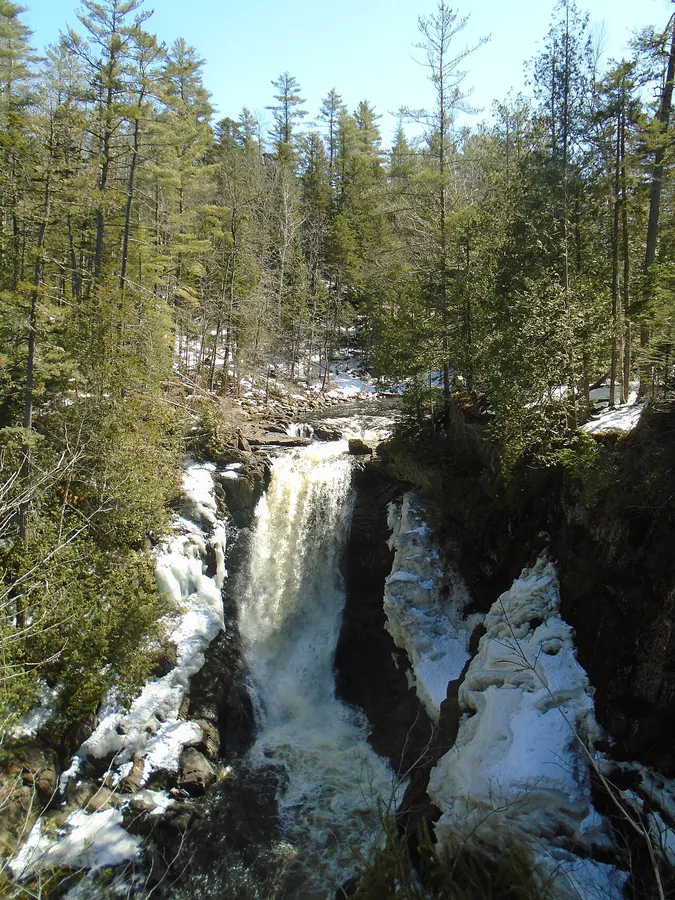
The best time to witness the full power of Cobscook’s tides is from the shore, not from a kayak. Drive to the Reversing Falls Park between Pembroke and Machiasport at peak ebb or flood tide. The water pours through the narrow channel creating rapids that rival a river. Watching this from shore helps you understand what you are dealing with before getting on the water.
Wildlife
Cobscook Bay is rich in marine life. Harbor seals and grey seals haul out on ledges throughout the bay. Bald eagles nest along the shoreline and fish the productive waters. Harbor porpoises are regular visitors to the outer bay, and in some years minke whales feed in the area. A compact pair of binoculars stowed in a dry bag helps you spot hauled-out seals and nesting eagles from a safe distance.
The bay’s extreme tides create a uniquely productive ecosystem. The massive water exchange brings nutrients and plankton, supporting dense populations of marine invertebrates on the exposed rocks and mudflats. At low tide, the exposed flats teem with crabs, worms, and clams that feed shorebirds in enormous numbers during migration.
When to Go
Spring
Cold water and air. Tides are at their most extreme during spring tides. For experienced paddlers only.
Summer
Warmest conditions, longest days, most predictable weather. Still cold water, wetsuit required.
Fall
Fewer paddlers, dramatic weather, migrating birds. Water and air temperatures cooling.
Winter
Dangerously cold water and air. Not paddleable for most.
July and August offer the most comfortable conditions, though the water temperature rarely exceeds 55 degrees and a wetsuit or drysuit is recommended year-round. The days are long, giving you the most flexibility to choose your tidal window.
Practical Information
There are a handful of sea kayak outfitters and guides in the Eastport and Lubec area who offer guided tours of Cobscook Bay. For paddlers new to tidal environments, a guided trip is strongly recommended. The guides know the tidal patterns, the safe passages, and the bail-out options.
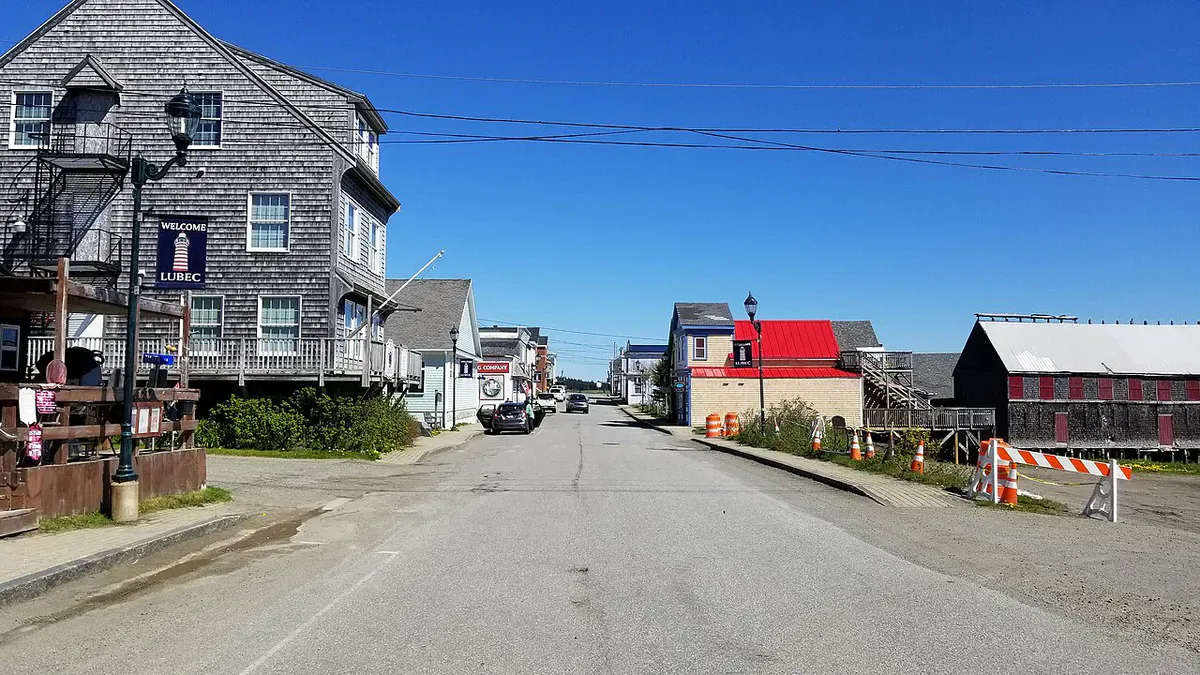
Eastport is a small, working waterfront city with restaurants, lodging, and basic services. Lubec, across the bay, is similarly small. Both have public boat launches. Stock up on supplies before arriving, as services are limited compared to more populated parts of Maine.
Packing List
Cobscook Bay Sea Kayak Trip
- Sea kayak with skeg or rudder
- PFD/life jacket with whistle and knife
- Wetsuit or drysuit (water is cold year-round)
- Spray skirt
- Paddle float and bilge pump
- Tow rope and rescue gear
- VHF radio (Coast Guard channel 16)
- Tide tables and current charts (printed, not just on phone)
- Nautical chart of Cobscook Bay
- Dry bags for all gear
- Warm layers and rain gear
- Snacks and water
- Satellite communicator recommended
Getting There
Eastport is at the end of Route 190, accessible from Route 1 in Perry. From Bangor, take Route 1A east to Route 1, then continue east through Machias to Perry and Route 190 to Eastport, about 3 hours. From Portland, the drive is approximately 5.5 hours.
Lubec is reached via Route 189 from Route 1 in Whiting, about 20 minutes from Eastport by road. The Cobscook Bay State Park boat launch is off Route 1 between Whiting and Dennysville.
GPS coordinates for Eastport waterfront launch: 44.9060, -66.9890
FAQ
How big are the tides at Cobscook Bay?
Tidal range averages 18-20 feet and can exceed 28 feet during spring tides (new and full moon). This is among the highest tidal ranges on the Atlantic coast.
Can beginners kayak Cobscook Bay?
No. The tidal currents, whirlpools, and cold water make Cobscook Bay unsuitable for inexperienced paddlers. Even the more sheltered coves require solid sea kayaking skills. Take a guided tour if you are not experienced with tidal paddling.
Do I need a wetsuit?
Yes. Water temperatures rarely exceed 55 degrees even in summer. A wetsuit or drysuit is essential for safety. Hypothermia is the primary risk in a capsize.
Are there whirlpools?
Yes. Whirlpools form at the narrows and around points when tidal current is running strong. They range from small swirls to features several feet across. They are manageable for experienced paddlers but can capsize an unprepared kayak.
Is there a best tide to paddle?
Slack tide (the period around high and low tide when current is minimal) offers the calmest conditions. Experienced tidal paddlers ride the ebb and flood currents for faster travel, but this requires understanding the bay's flow patterns.