From Haynesville to the Penobscot
The Mattawamkeag River forms in Haynesville, where its East and West Branches meet about 10 miles west of the Canadian border. From there the main stem runs about 50 miles southwest to the Penobscot River at the town of Mattawamkeag.
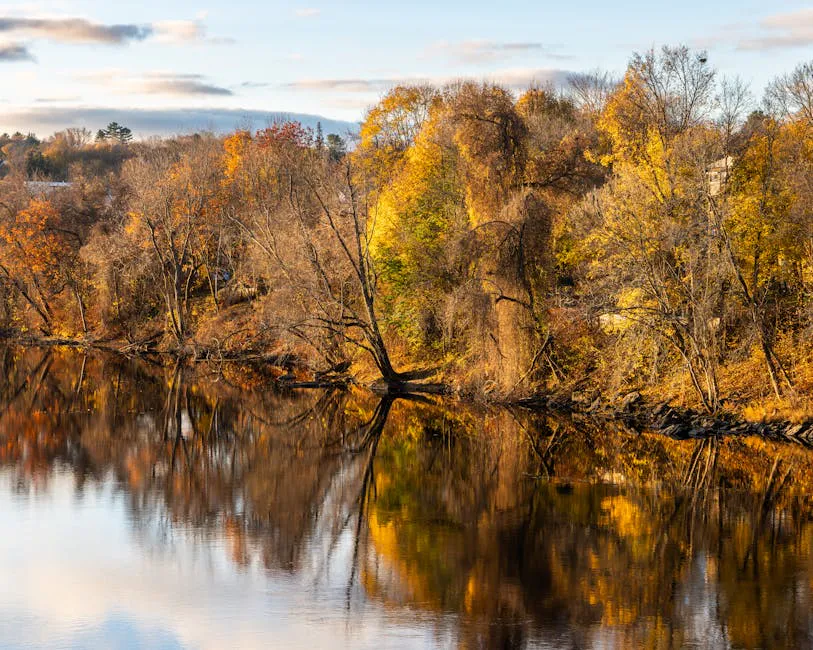
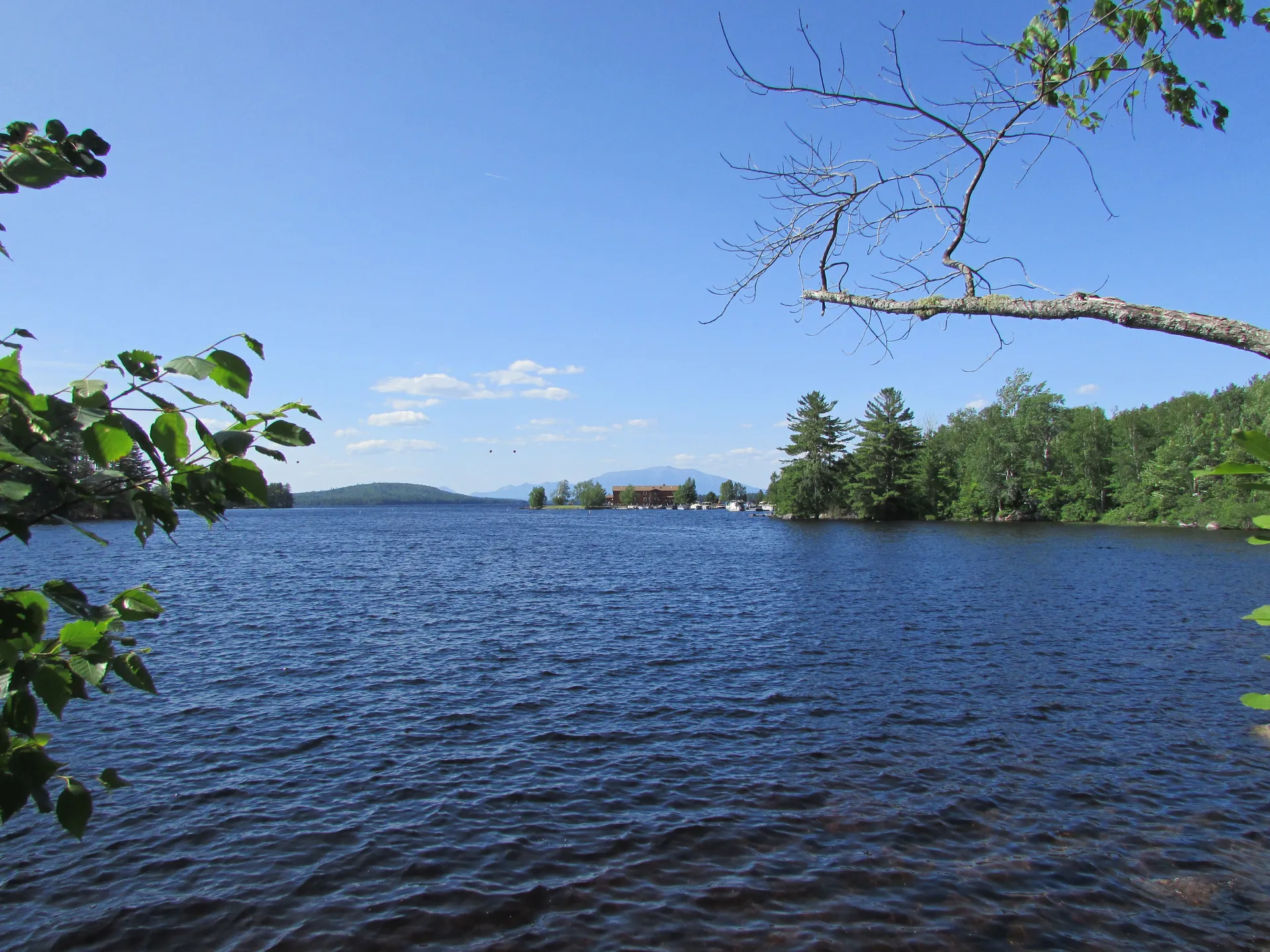
For a canoe trip, the best-documented stretch is the 24-mile route from the US-2A bridge in Haynesville to the ME-171 bridge in Wytopitlock. It is a broad, winding river through maple swamps, mostly calm with a good current, and Maine Trail Finder rates it Level 2. There is no fee to paddle it, and every access point on it is at a road bridge, so you can shorten the day by taking out at the Bancroft Road bridge at about mile 15.
The fishing is the other draw. Smallmouth bass fishing is good to excellent along the entire route, and early spring can bring fair brook trout fishing, so pack fishing gear you can stow in a canoe.
The Route, Mile by Mile
The first 7.1 miles from Haynesville carry a good current down to Old Ferry Bridge. About 3.3 miles farther, at mile 10.4, comes Ledge Falls, the one real rapid on the route: a 200-yard Class II rapid at the top, a short smooth section, then a ledgier Class II pitch. Scout it if you have not run it before, and keep dry bags and a spare paddle lashed in.
The Bancroft Road bridge crosses at about mile 15, and Baskahegan Stream joins from the left just below it. From there the current is stronger, with riffles and a few Class I rapids. The ME-171 bridge in Wytopitlock, about 9 miles below Bancroft Road, is the take-out for the full route. The landing is on the left just below the bridge.
Below Wytopitlock the river continues past Kingman toward Mattawamkeag Wilderness Park. Published descriptions of that stretch are thin, so plan it from a current map and local advice before you commit to it.
Below the Wilderness Camp landing in Mattawamkeag Wilderness Park, the river runs about 3.5 miles of Class II to IV whitewater toward the town of Mattawamkeag: the Heaters in Slewgundy gorge (Class III), Upper Gordon Falls (Class IV), and Lower Gordon Falls (Class III). Open-canoe trippers should finish at or above the Wilderness Camp landing unless the group includes experienced whitewater paddlers who have scouted this stretch at the current water level.
Access Points
- Red Bridge, Oakfield (East Branch): The start of the East Branch route, 20 miles above Haynesville. This is much harder water, with Class II to IV pitches, and it is canoeable only in spring high water or after significant rain. One section, Smooth Pitch, should be run only by the most competent paddlers. Experienced whitewater paddlers only.
- US-2A bridge, Haynesville (mile 0): The put-in for the main route, with a boat launch at the bridge.
- Old Ferry Bridge (mile 7.1): A road bridge above Ledge Falls. Check the banks and parking before you rely on it as an access point.
- Bancroft Road bridge (about mile 15): The take-out for a shorter trip.
- ME-171 bridge, Wytopitlock (about mile 24): The take-out for the full route.
- Wilderness Camp landing, Mattawamkeag Wilderness Park: The put-in for the whitewater run and the place to stop if you are not running it. Check in at the park and expect a fee.
Camping and Mattawamkeag Wilderness Park
We have not found designated campsites on the Haynesville to Wytopitlock stretch, so plan it as a full day on the water, or paddle it in two sections with the Bancroft Road bridge as the break.
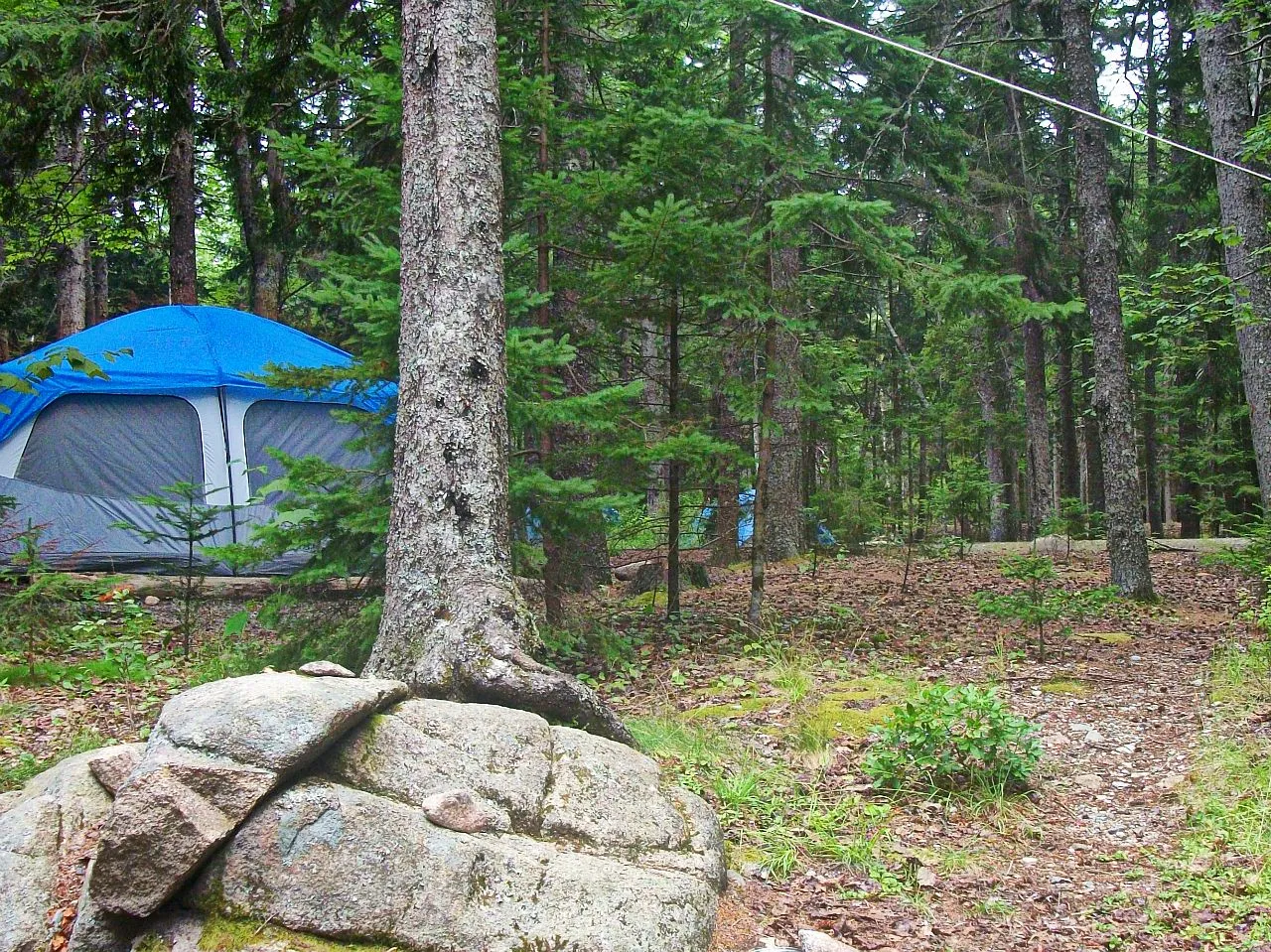
The established camping on the river is at Mattawamkeag Wilderness Park, which is owned by the Town of Mattawamkeag. It has 50 campsites and 11 Adirondack shelters, opens in May, and holds the river’s best-known whitewater: Slewgundy Heater gorge and Upper and Lower Gordon Falls. The park also has hiking and mountain biking trails.
Water Levels
The Haynesville to Wytopitlock stretch is canoeable most of the year except during periods of extremely low water. The East Branch above Haynesville is the opposite: canoeable only in spring high water or after significant rain.
For a current reading, check USGS gauge 01030500, Mattawamkeag River near Mattawamkeag. It sits on the lower river and measures flow from a 1,419-square-mile watershed, so treat it as a trend for the whole river rather than an exact reading for Haynesville.
When to Go
Spring
The highest water of the year, and the only time the East Branch is reliably canoeable. Early spring can bring fair brook trout fishing. Dress for cold water.
Summer
The main route stays canoeable except in extremely low water, and smallmouth bass fishing is good to excellent the whole way.
Fall
Still canoeable unless the river drops to extremely low levels. Check the gauge first and plan for shorter days and colder water.
Winter
Not a paddling season.
Mattawamkeag Wilderness Park opens in May. If you plan to camp there early in the season, confirm the opening date with the park before you go.
Packing List
Mattawamkeag River Day Trip
- Canoe or kayak you can handle in Class II water
- PFD for every paddler and a spare paddle
- Dry bags for gear, food, and your phone
- Water and food for a full day on the river
- Water filter or purification
- Fishing rod, tackle, and a Maine fishing license
- Bug spray and a head net
- Map with the bridge access points marked
- Throw rope and a basic repair kit
- Tent and camping gear if you are staying at Mattawamkeag Wilderness Park
Getting There
Every trip on this route is one-way, so leave a shuttle vehicle at your take-out before driving to the put-in.
Haynesville put-in: From the south, leave I-95 at exit 227 and follow ME-116 and US-2 to US-2A, which crosses the river in Haynesville. The put-in is just before the bridge on the left. From the north, leave I-95 at exit 291 and follow local roads to US-2A south. The boat launch is just over the bridge on the right.
Bancroft Road take-out: From US-1 in Danforth, take ME-169 west a few hundred feet, turn right onto Bancroft Road, and drive 8.3 miles to the bridge.
Wytopitlock take-out: From I-95 exit 244, follow ME-157 east for 11 miles and US-2 east for 9.5 miles, continue on US-2A for 8.7 miles, then turn right onto ME-171 south. The bridge is 7.6 miles down ME-171, with the landing on the left just below it.
FAQ
How long is the Mattawamkeag River canoe route?
The route from the US-2A bridge in Haynesville to the ME-171 bridge in Wytopitlock is 24 miles one way. For a shorter day, take out at the Bancroft Road bridge at about mile 15.
Are there rapids on the Mattawamkeag?
Yes. Ledge Falls, about 10.4 miles below Haynesville, has two Class II pitches, and the stretch below Bancroft Road has riffles and a few Class I rapids. The last 3.5 miles through Mattawamkeag Wilderness Park are Class II to IV, including Upper Gordon Falls (Class IV), and are only for experienced whitewater paddlers.
What kind of fish are in the Mattawamkeag?
Smallmouth bass are the main catch, with good to excellent fishing along the entire Haynesville to Wytopitlock route. Early spring can also produce fair brook trout fishing. Anglers 16 and older need a Maine fishing license.
Where can I camp on the Mattawamkeag?
Mattawamkeag Wilderness Park, owned by the Town of Mattawamkeag, has 50 campsites and 11 Adirondack shelters and opens in May. We have not found designated campsites on the Haynesville to Wytopitlock stretch, so plan that section as a day trip.
Do I need a permit or pay a fee?
No. There are no fees for the Haynesville to Wytopitlock route, and its access points are at road bridges. Mattawamkeag Wilderness Park charges its own fees for camping and for using its landing.
How do I check water levels?
Use USGS gauge 01030500, Mattawamkeag River near Mattawamkeag. The Haynesville to Wytopitlock route is canoeable except in extremely low water, while the East Branch above Haynesville is canoeable only in spring high water or after significant rain.