

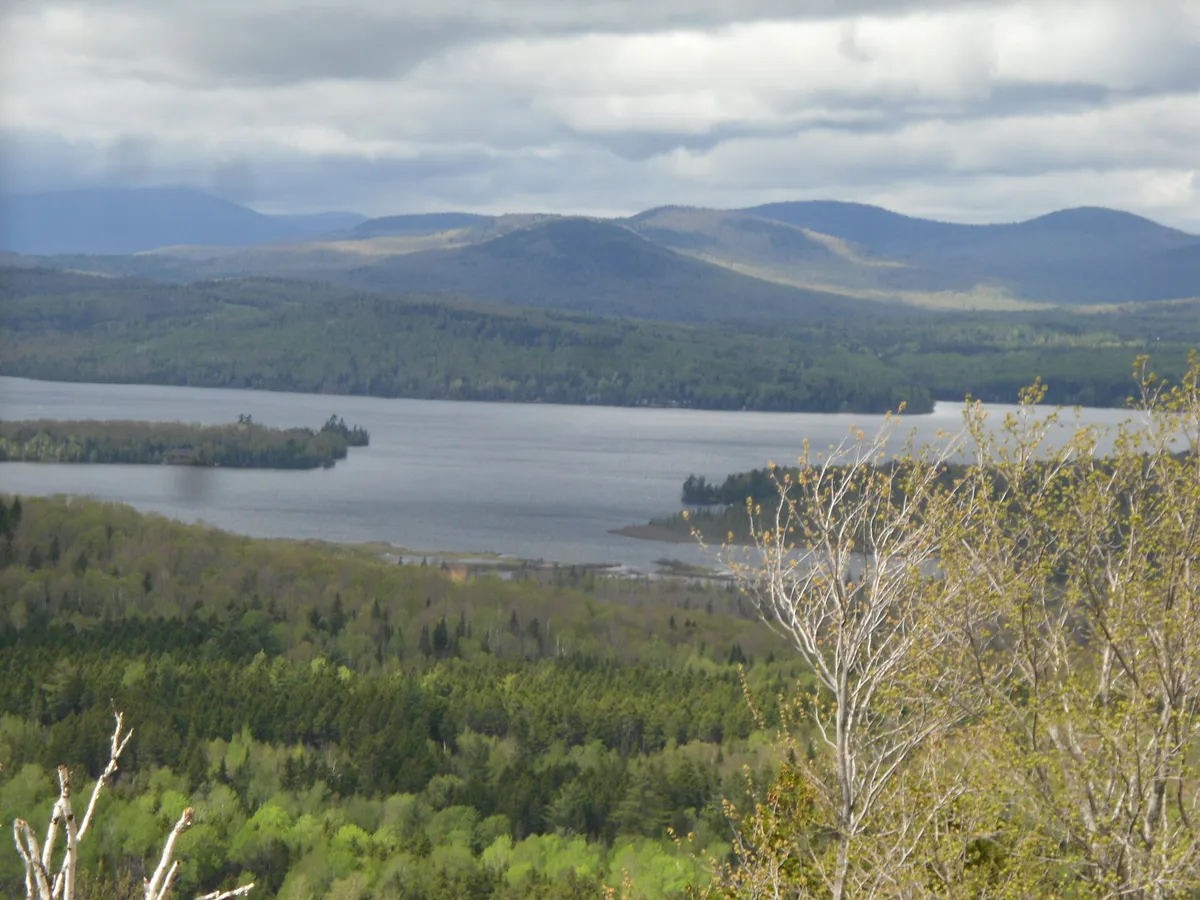
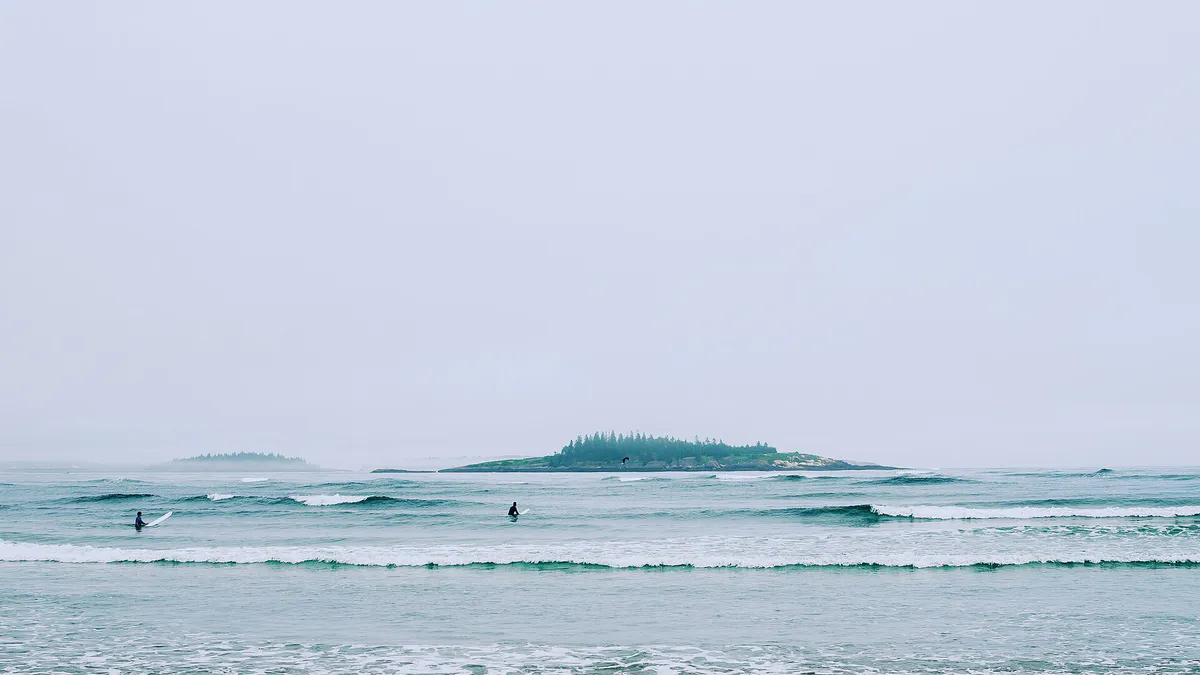
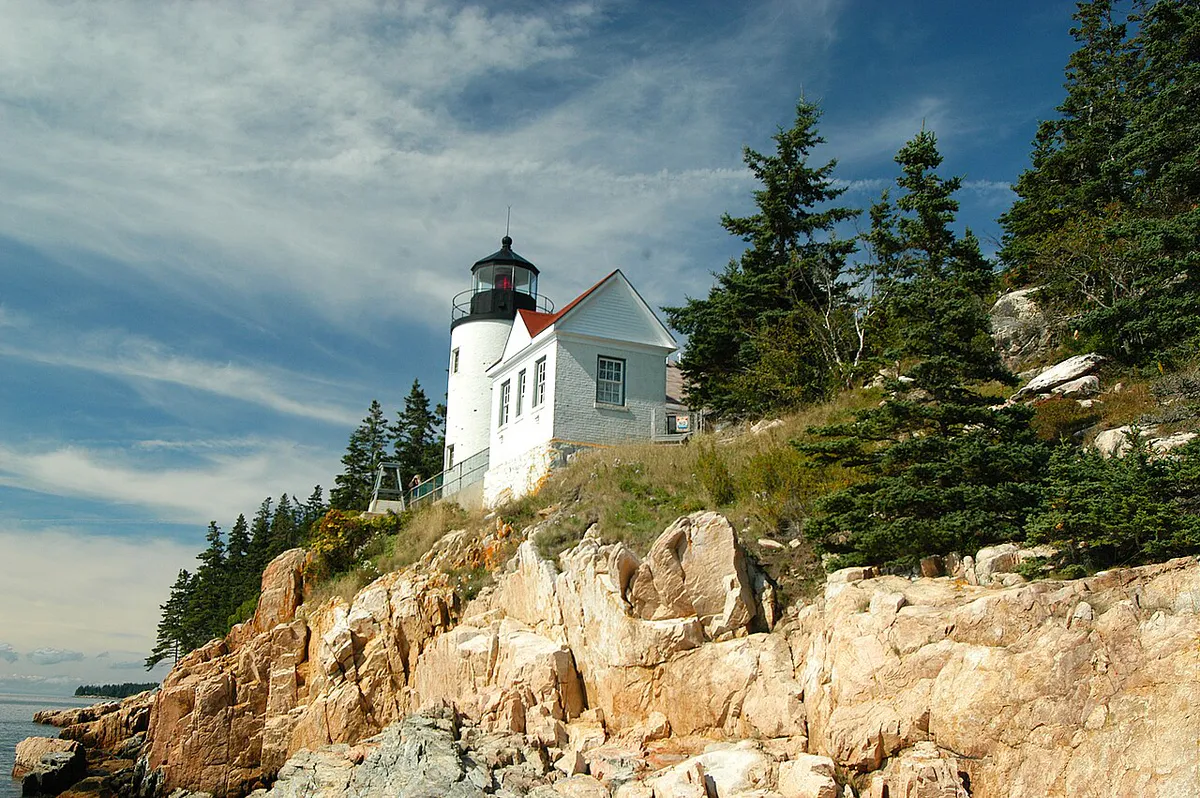
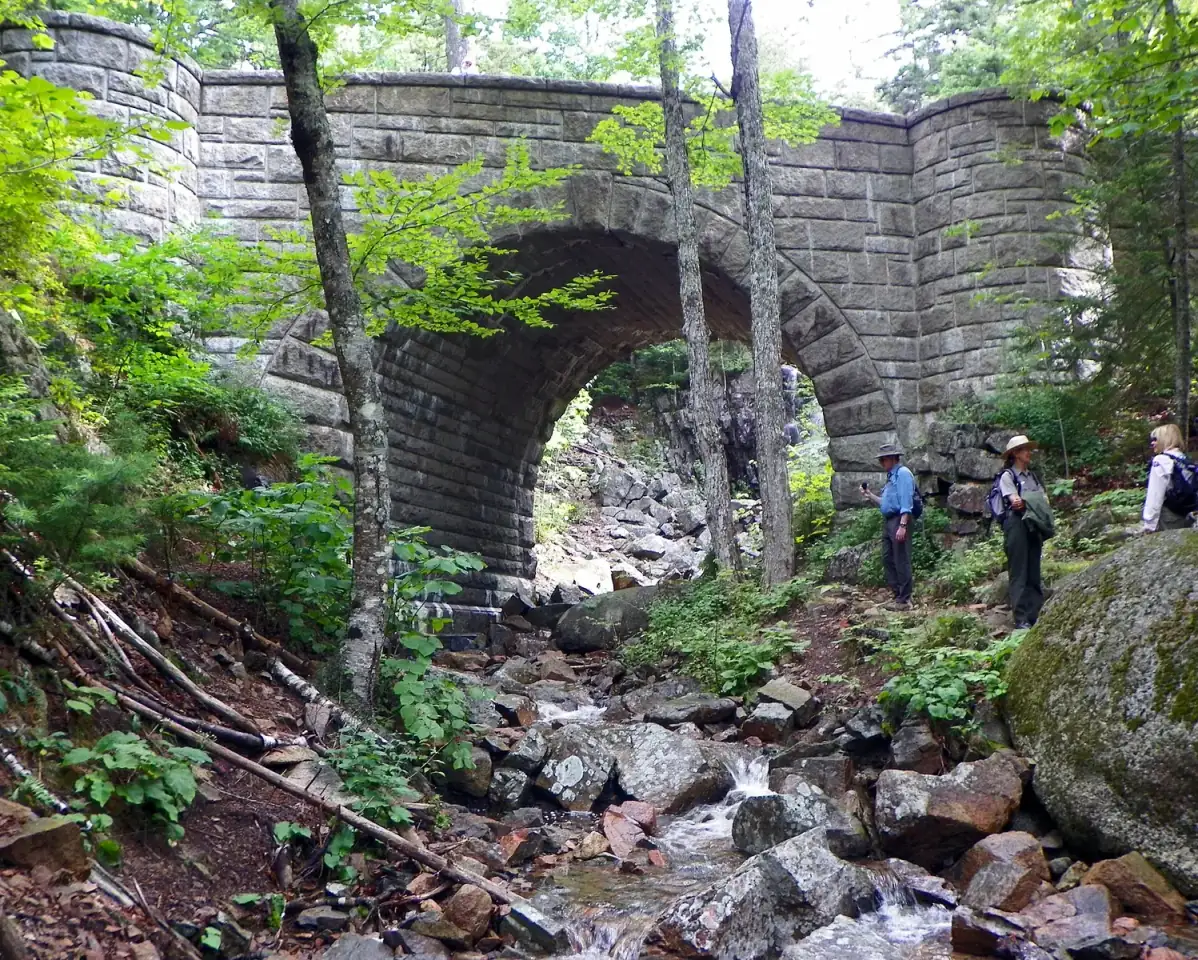
Every spring, sometime around mid-April, Maine’s trails turn into a mess. Snow melts from the top down, and all that water has to go somewhere. It goes into the trails. What was frozen ground two weeks ago becomes six inches of standing mud, and the higher you go the worse it gets. This lasts well into May at lower elevations and sometimes into mid-June in the mountains.
The instinct is to get out there as soon as the snow clears, and that instinct will ruin trails. Hiking on waterlogged soil widens the tread, kills the vegetation that holds trail edges together, and carves new erosion channels that become permanent features. The Maine Appalachian Trail Club and the Maine Appalachian Trail Land Trust ask hikers to stay off high-elevation trails until they dry out. It is one of the simplest things you can do to protect the places you like to hike.
Here is how to navigate mud season without going stir-crazy or doing damage.
When Is Mud Season?
Mud season runs from roughly mid-April through late May at lower elevations. Above 2,500 feet, trails can stay saturated into mid-June. South-facing slopes and coastal trails dry first. North-facing ravines and alpine zones dry last. The timing shifts year to year depending on snowpack and spring rain.
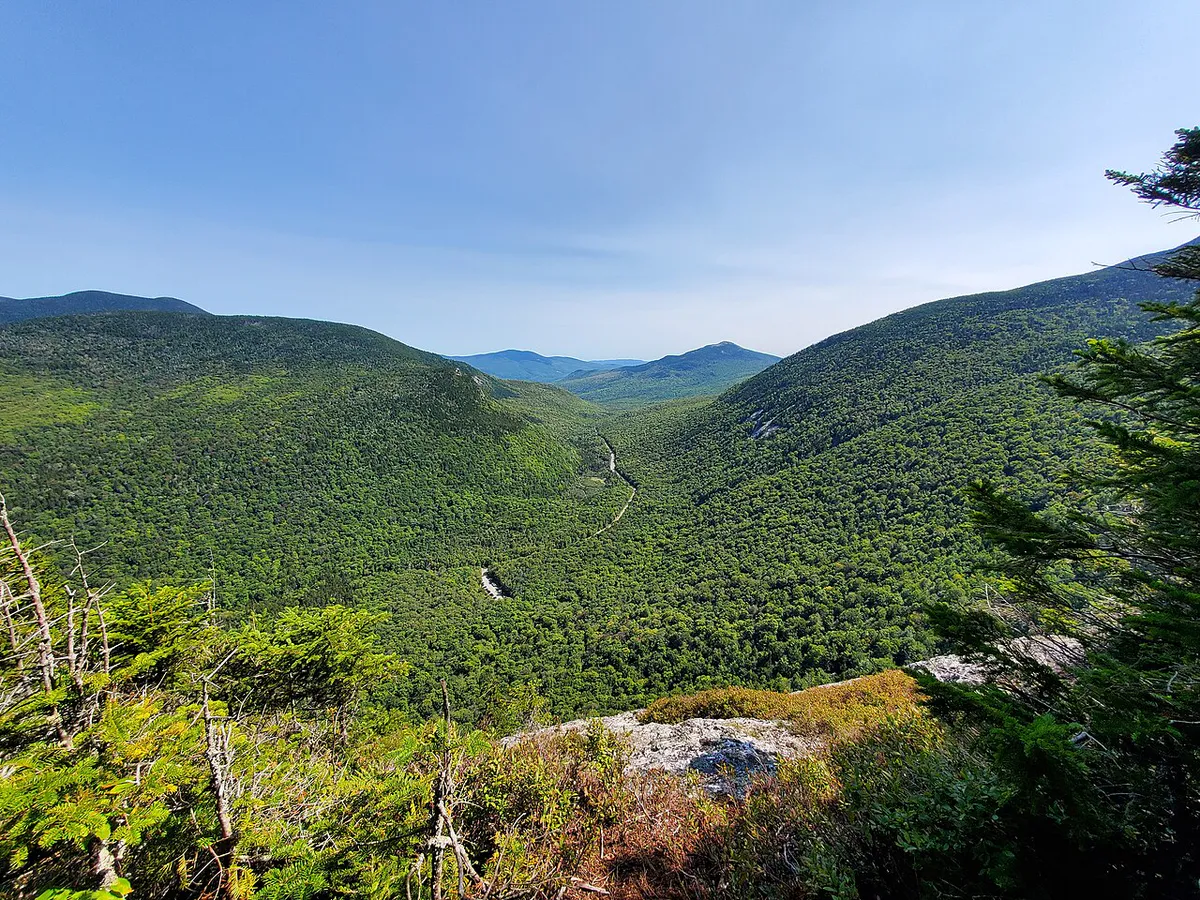
Spring
Mud season. High-elevation trails saturated. Stick to coast and low ground.
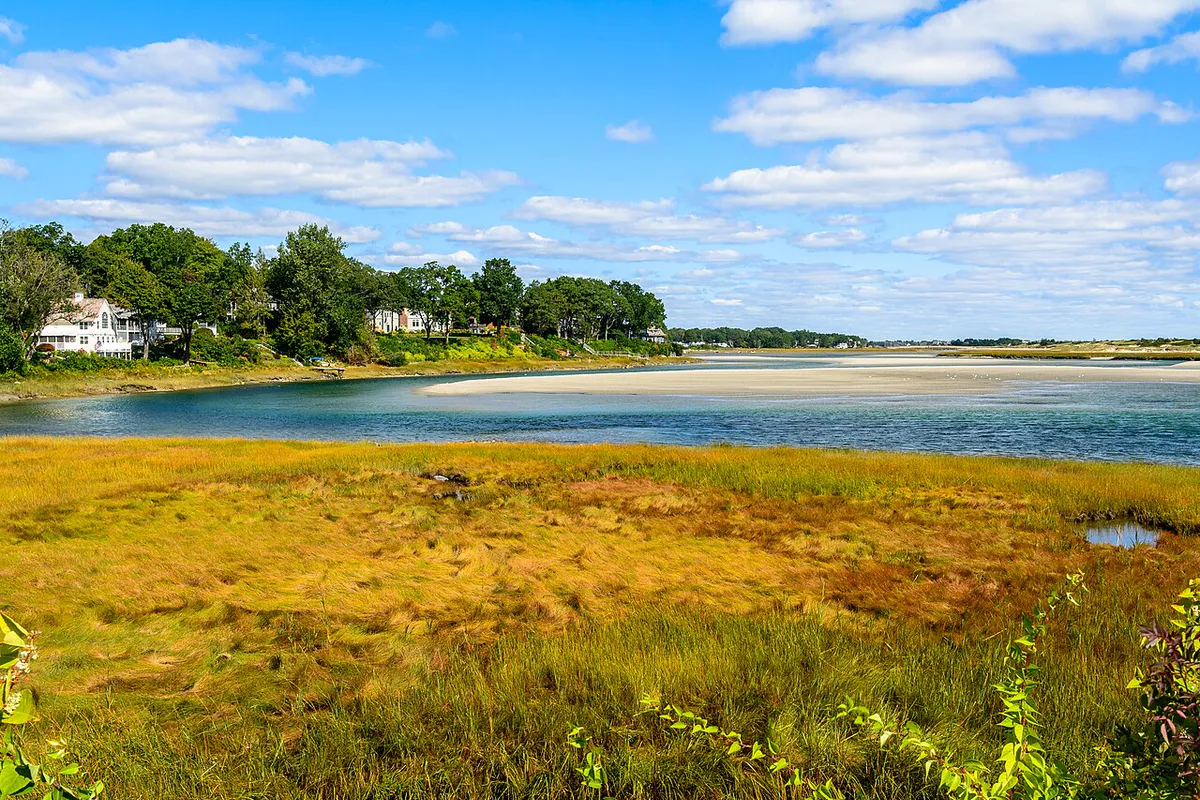
Summer
Trails dry by mid-June at most elevations. Full access. Peak hiking season.
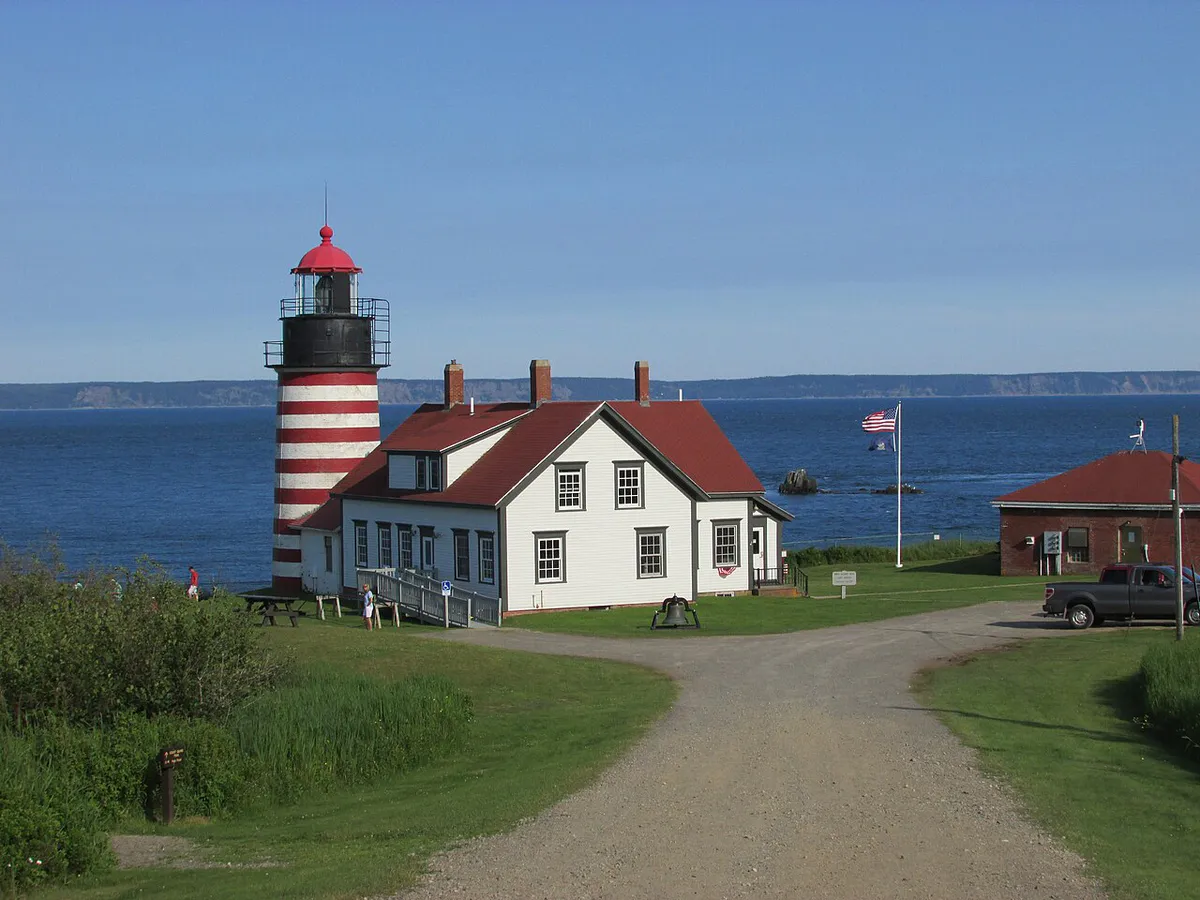
Fall
Dry trails, cool air, peak foliage. Best overall hiking conditions.
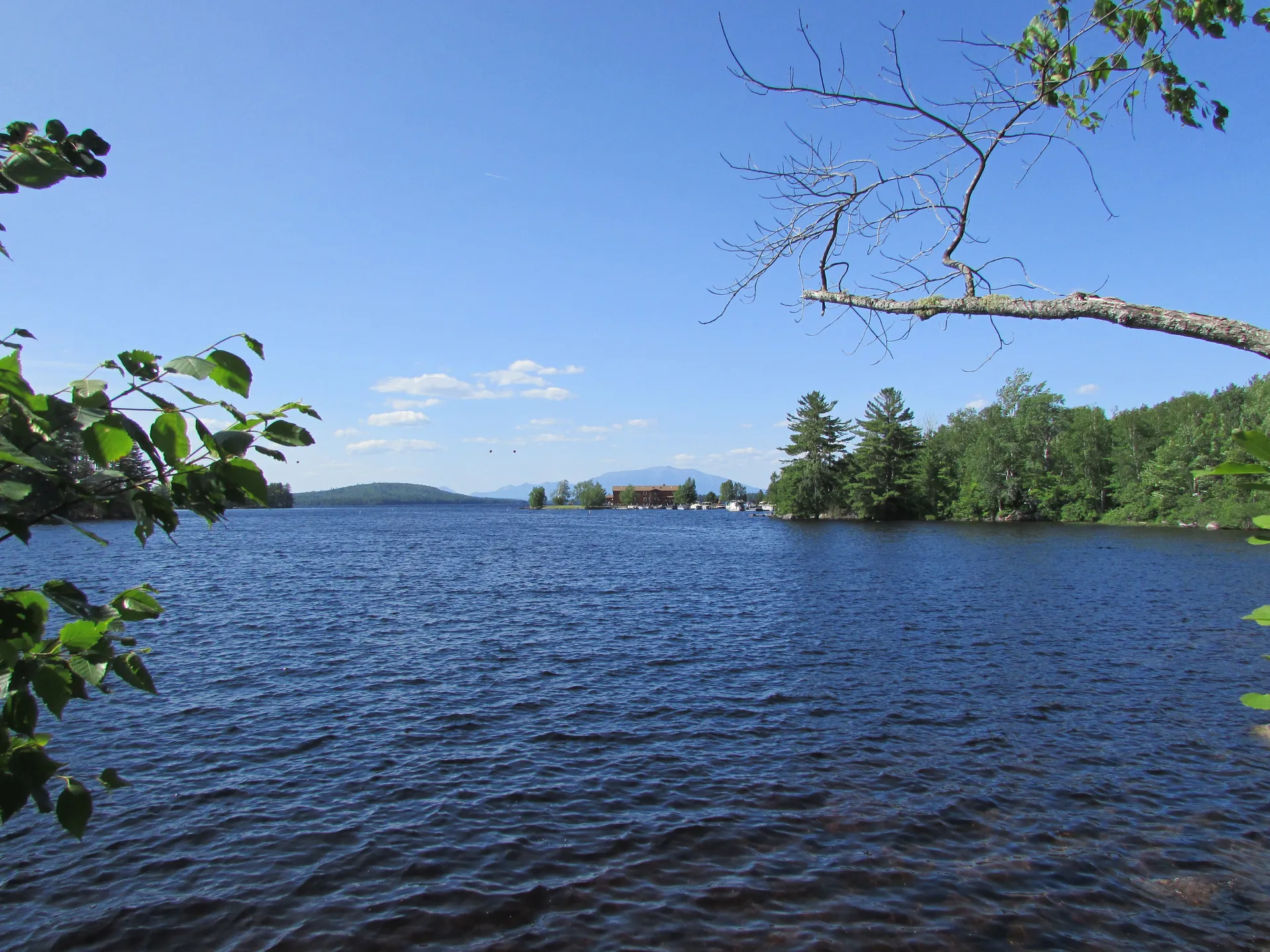
Winter
Frozen ground is fine to walk on. Snowshoes and microspikes needed at elevation.
The confusing part: frozen ground is perfectly fine to hike on. Winter trails are solid. The problem is the transition. When the ground thaws but has not yet drained, every boot print sinks in and displaces soil. That is the window you need to avoid.
Which Trails Close During Mud Season
Maine does not enforce mandatory closures on most trails. Instead, land managers issue voluntary closure requests and trust hikers to comply. The big ones:
Baxter State Park: The Tote Road does not open until May 15 at the earliest, and that date is weather-dependent. Until the gate opens, there is no vehicle access to Katahdin or any trailhead inside the park. Even after the road opens, upper trails may remain closed if conditions are too wet. The park makes the call and posts updates on their website.
Grafton Notch State Park: Old Speck, Eyebrow Loop, and Table Rock are all steep trails that hold water. The vertical terrain turns into running streams during snowmelt. Trail damage is significant when people hike these wet.
Western Mountains: Tumbledown, Bigelow Range, and Saddleback all have alpine zones above treeline where fragile vegetation sits on thin soil. One set of boots on saturated alpine turf can tear a hole that takes 20 years to recover. The Brook Trail on Tumbledown is a literal streambed in April.
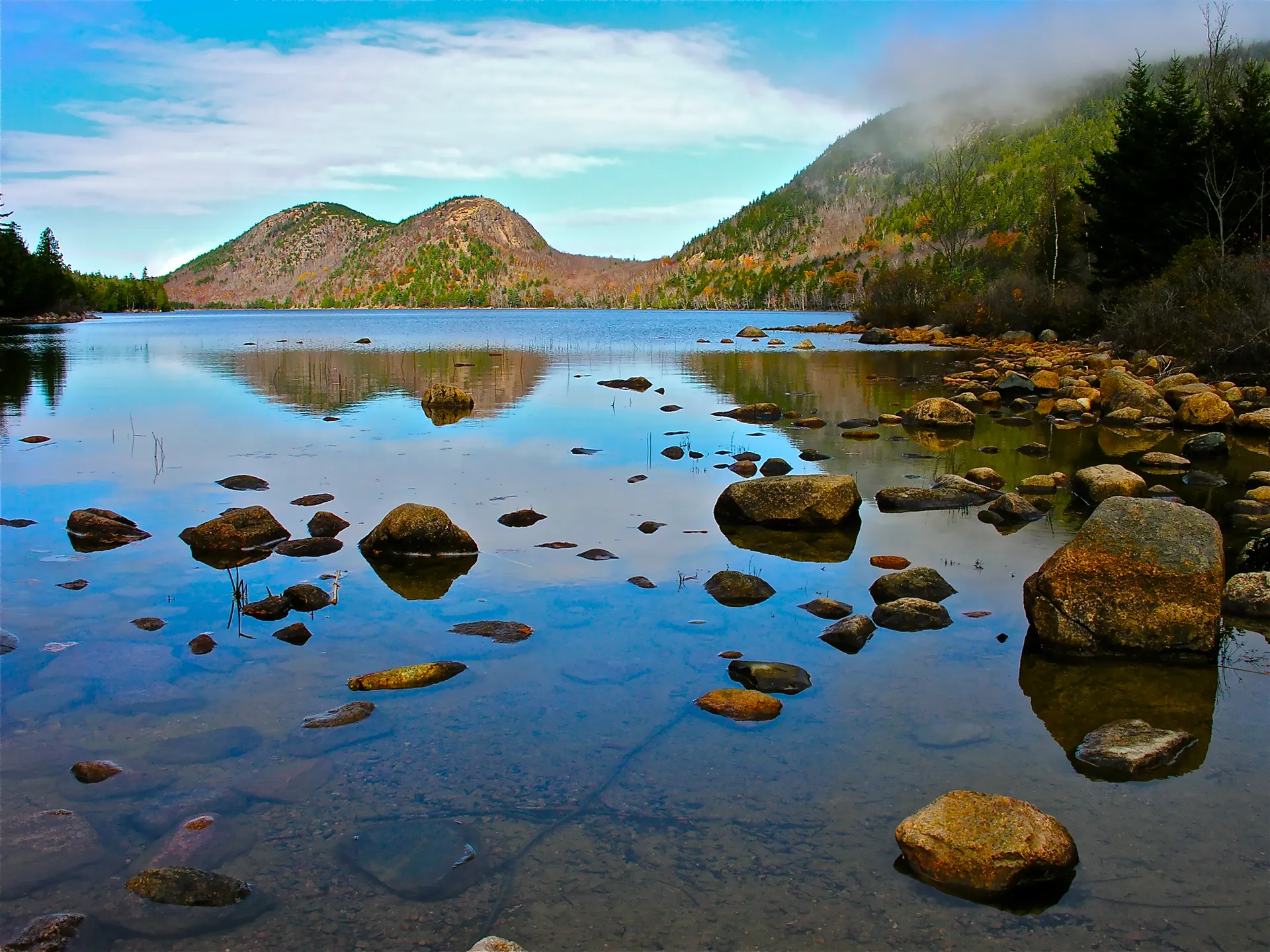
Acadia National Park: Technically open year-round, but the carriage roads are muddy and rutted until late May. Park Loop Road usually opens in mid-April, but the trails above 500 feet hold moisture longer than you expect.
Walking on waterlogged alpine soil kills vegetation that takes decades to recover. The plants above treeline in Maine grow less than an inch per year. One pair of boots on a muddy alpine trail can create a new erosion channel that becomes permanent. If the trail is muddy at the trailhead, it is worse up top. Turn around.
What You CAN Hike During Mud Season
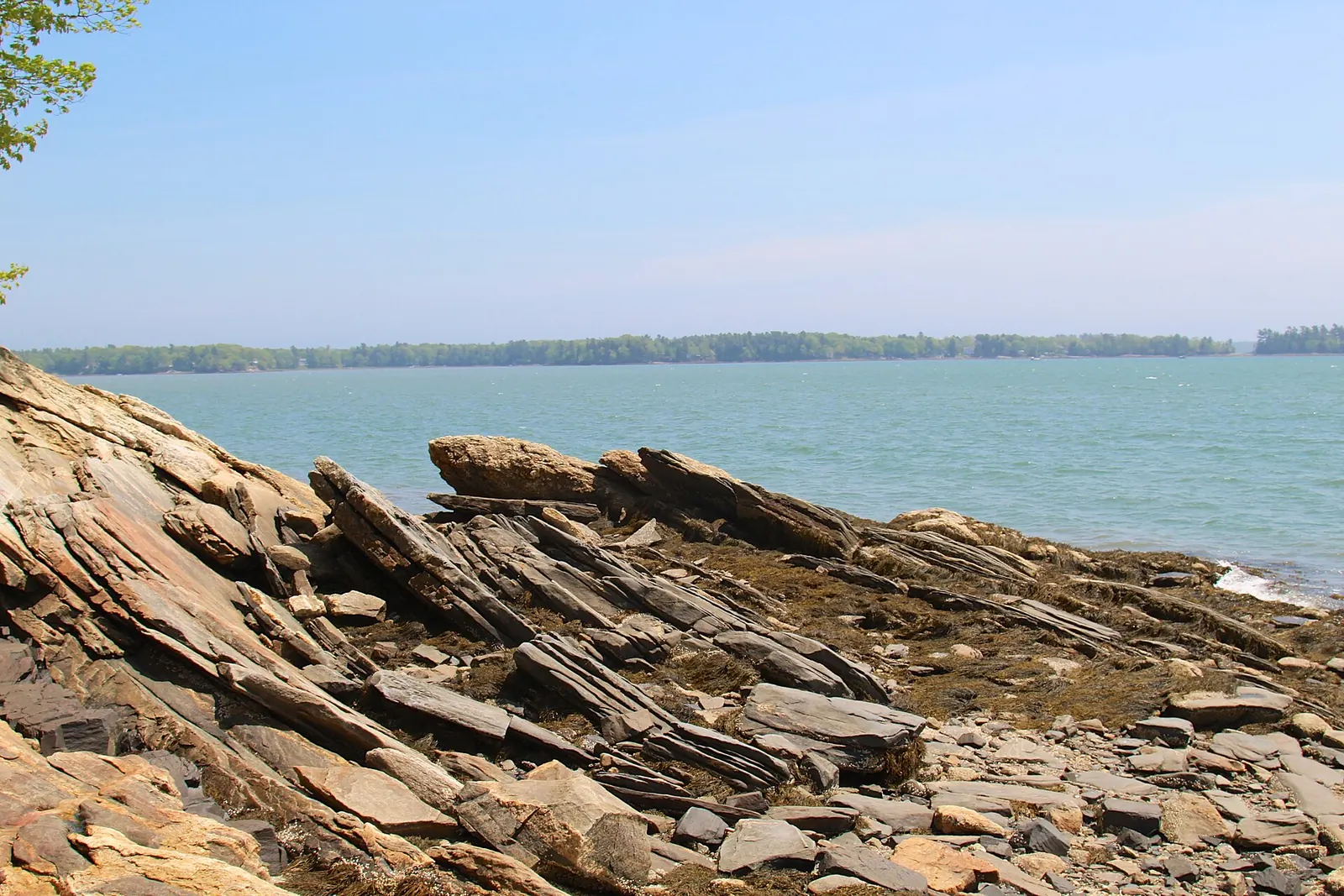
Good news: not everything is a swamp. Coastal trails, paved paths, and south-facing low-elevation trails drain fast and are usually hikeable weeks before the mountains dry out.
| Trail | Region | Mud Risk | Why It Works |
|---|---|---|---|
| Mackworth Island | Portland | Low | Paved 1.25 mi loop, no mud at all |
| Wolfe's Neck Woods | Freeport | Low | Ocean-facing, rocky soil drains fast |
| Shore Path | Bar Harbor | Low | Paved 0.75 mi coastal path |
| Bold Coast Trail | Cutler | Low | Rocky coastal terrain, excellent drainage |
| Bradbury Mountain | Pownal | Low-Medium | Short, south-facing, dries early |
| Maiden Cliff | Camden | Low-Medium | South exposure, dries 2-3 weeks before inland |
| Rachel Carson Preserve | New Harbor | Low | Tidal, salt-tolerant ground, always firm |
| Scarborough Marsh Trail | Scarborough | Low | Boardwalk and firm marsh edge |
| Back Cove Trail | Portland | Low | Paved urban loop, good for legs |
| Mount Agamenticus | York | Medium | Southern Maine dries first, lower trails OK by late April |
Mackworth Island is the safest bet. It is paved, flat, loops the island in 1.25 miles, and is never muddy. Not exactly a wilderness experience, but your legs do not care.
Bold Coast Trail in Cutler is genuinely wild and drains well because it sits on rocky coastal bluffs. The footing is roots and rocks, not soil, so water runs off instead of pooling. It is a 4-hour drive from Portland, but it is one of the few places where you can get a real hike in during April.
Bradbury Mountain in Pownal faces south and sits at low elevation. It dries out weeks before the western mountains. The summit loop is short enough that even if the top is a little damp, you are not doing major damage.
The first two weeks of May, right after the snow clears but before the blackflies hatch, is actually a great time on coastal trails. The woods are quiet, the parking lots are empty, and the light has that spring quality that makes everything look good. You just have to stay low.
How to Check Trail Conditions
Do not guess. Check before you go.
- Maine Trail Finder (mainetrailfinder.com) has user-submitted trail reports with recent conditions. The most reliable source for up-to-date info.
- Maine Appalachian Trail Club posts trail status updates during mud season on their website and social media.
- Baxter State Park posts gate status and road conditions on their official site. Call the park office if you are unsure.
- AllTrails recent reviews are hit-or-miss but can give you a picture of what things looked like in the last week.
- Call the land manager. State parks, land trusts, and town offices will tell you what is happening on their trails. A two-minute phone call saves you a wasted drive.
If you get to a trailhead and the first quarter mile is a mud pit, do not push on hoping it gets better. It does not. Head for the coast.
Mud Season Gear
If you do hike during mud season, your gear list changes. Mesh trail runners are a disaster. You need waterproof boots, and you need to plan for wet conditions from the ankles down.
Mud Season Gear Essentials
- Waterproof hiking boots (not mesh trail runners)
- Gaiters to keep mud and water out of your boots
- Trekking poles for stability on slick terrain
- Extra wool or synthetic socks (at least one dry pair)
- Microspikes for lingering ice at higher elevations
- Quick-dry hiking pants (no cotton, no jeans)
- Bug spray (blackflies arrive late May)
- Small towel for wiping down gear afterward
Waterproof hiking boots are the most important item on this list. Full-grain leather or Gore-Tex lined boots with aggressive lugs. Trail runners will soak through in five minutes and give you zero traction on wet rock. Gaiters are not glamorous, but they keep the mud and cold water from pouring into the top of your boots, which matters more than you think when you are standing in 45-degree runoff.
Microspikes are worth carrying into mid-May. Snow lingers on north-facing slopes and in shaded ravines long after the lowlands clear. Ice patches show up where you do not expect them, often covered by a layer of wet leaves that makes them invisible.
The Blackfly Overlap
Here is the cruelest part of Maine’s hiking calendar: the blackflies arrive right as mud season ends. Late May through mid-June is peak blackfly season across the state, with the worst concentrations in the north woods around Moosehead Lake and Baxter State Park.
Blackflies are different from mosquitoes. They swarm your head, crawl into your ears and hairline, and their bites draw blood. They are most active during the day, especially in humid conditions near running water. Trails along rivers and streams during June are the worst. Gulf Hagas in early June is a particularly notorious blackfly experience.
Head nets help. DEET or picaridin helps. Permethrin-treated clothing helps. Light-colored long sleeves help. Nothing eliminates them entirely. Read our full bug protection guide for specific product recommendations.
The good news: blackflies are almost nonexistent on the coast. If you stick to Acadia, Camden Hills, and the southern coast during June, you will barely notice them. The ocean breeze keeps them away.
By late June, blackflies fade and mosquitoes take over. But at least by then, the trails are dry.
Frequently Asked Questions
When does mud season end in Maine?
At low elevations and on the coast, trails are usually dry by late May. In the mountains above 2,500 feet, trails may stay saturated until mid-June. South-facing slopes dry first. North-facing ravines and alpine zones dry last. The timing varies year to year depending on snowpack.
Can I hike in Acadia during mud season?
Yes, but stick to paved paths and low-elevation trails. The Shore Path in Bar Harbor, Ocean Path, and the lower carriage roads are your best options. Higher trails like Cadillac South Ridge and Dorr Mountain hold moisture longer. The carriage roads can be rutted and muddy until late May.
When does Baxter State Park open?
The Tote Road typically opens on May 15, weather permitting. Even after the road opens, individual trails may remain closed if conditions are too wet. Katahdin trails usually open later than lower-elevation trails in the park. Check the Baxter State Park website for current gate status before making the drive.
What happens if I hike a muddy trail?
You widen the trail, kill trailside vegetation, and create erosion channels. When hikers step off the muddy tread to avoid getting dirty, they trample vegetation on the edges, making the trail wider each season. Erosion channels carved by boot prints can become permanent drainage features that wash away soil during every future rain.
When do blackflies start in Maine?
Blackflies typically emerge in late May and peak in early to mid-June. They are worst in the north woods near rivers and streams. The coast is largely spared due to ocean breezes. By early July, blackflies are mostly gone, replaced by mosquitoes and deer flies.