

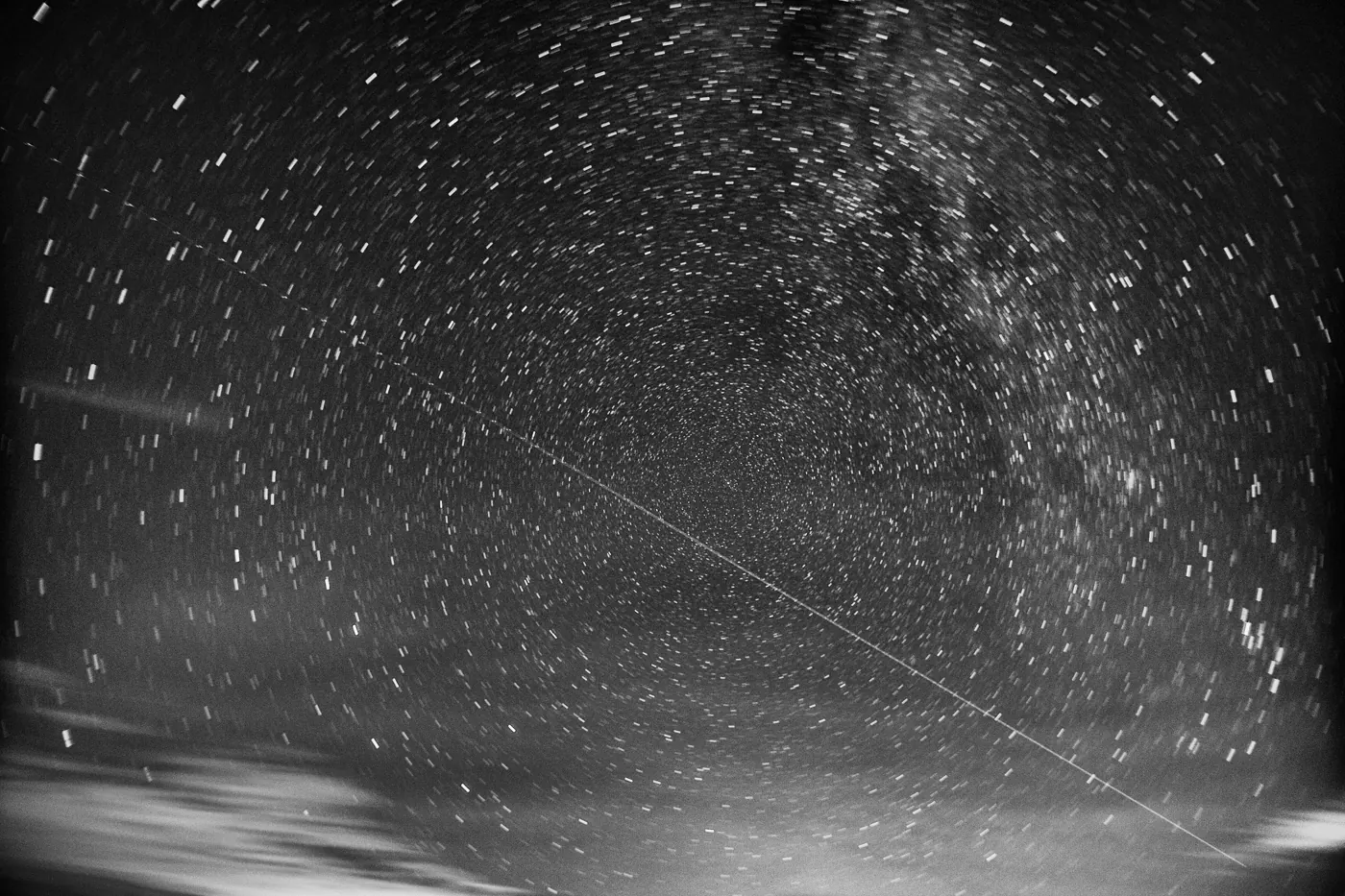
Maine has some of the darkest skies left in the eastern United States. Most of the population lives along the coast, which leaves the interior and the far Downeast corner with very little light pollution. On a clear, moonless night in the north woods, the Milky Way is bright enough to cast a faint shadow, and you can see thousands of stars with your naked eye.
If you want the short answer on where to go: Katahdin Woods and Waters National Monument and the Appalachian Mountain Club’s Maine Woods property are the two certified dark sky places in the state, and they are about as dark as it gets in the East. Closer to the coast, Acadia, the Cobscook Bay area, and the Rangeley region all offer excellent stargazing on a clear night. The other half of the equation is timing. The best stargazing happens on a clear night around the new moon, and that matters as much as where you stand.
Maine’s Two Certified Dark Sky Places
Maine has two locations certified by DarkSky International (formerly the International Dark-Sky Association). These are not just “dark areas.” They earned formal designation for the quality of their night skies and their commitment to protecting them.
| Place | Designation | Designated | Region | Access |
|---|---|---|---|---|
| Katahdin Woods & Waters | Dark Sky Sanctuary | May 2020 | Aroostook-Katahdin | Loop Road, remote |
| AMC Maine Woods | Dark Sky Park | May 2021 | 100-Mile Wilderness | AMC lodges / land |
| Acadia National Park | Not certified | n/a | Acadia | Easy, runs night programs |
| Cobscook Bay State Park | Not certified | n/a | Downeast | State park, very dark |
| Rangeley region | Not certified | n/a | Western Mountains | Lakes and high country |
Katahdin Woods and Waters National Monument
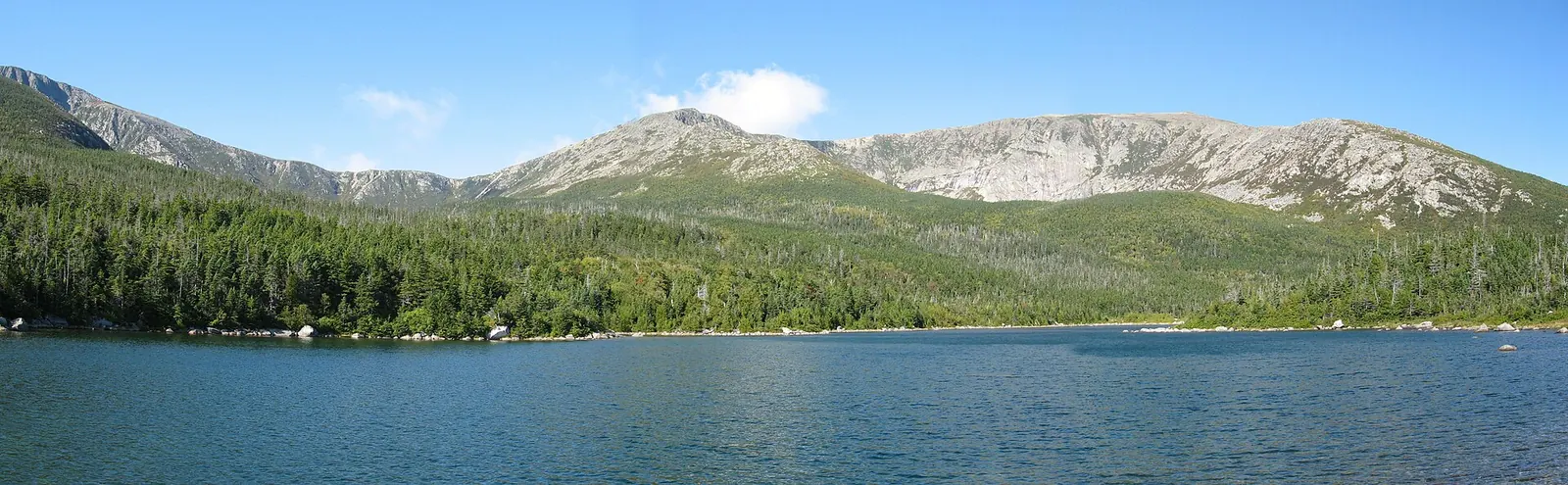
Katahdin Woods and Waters was designated an International Dark Sky Sanctuary in May 2020, the first International Dark Sky place certified anywhere in Maine or New England. The Sanctuary designation is reserved for the darkest, most remote places, and the National Park Service has found that the monument has some of the darkest skies east of the Mississippi River. On the standard Bortle scale of darkness, the skies here regularly rank between Class 1 and Class 2, which is about as dark as it gets in the eastern U.S.
The monument sits east of Baxter State Park in the Katahdin region. There is a Loop Road with overlooks, and the open areas along it give you wide horizons for watching meteor showers or the Milky Way arc. There is no light for many miles in any direction. It is remote, with limited services and no cell coverage, so come prepared and gas up before you arrive.
AMC Maine Woods
The Appalachian Mountain Club’s Maine Woods property was certified as an International Dark Sky Park in May 2021, the first International Dark Sky Park in New England. The 75,000-acre property lies in the 100-Mile Wilderness between Moosehead Lake and Baxter State Park, and it includes part of the Appalachian Trail corridor. AMC runs backcountry lodges here and built the property’s lighting and conservation practices around protecting the night sky.
This is destination stargazing. You typically stay at one of the AMC lodges in the area and walk out into genuine wilderness dark. It pairs naturally with a hiking or paddling trip into the 100-Mile Wilderness, where places like Gulf Hagas are nearby.
The two designations are different and people mix them up. Katahdin Woods and Waters is a Dark Sky Sanctuary, the rarer and darker category, and it was Maine’s first certified dark sky place in 2020. The AMC Maine Woods is a Dark Sky Park, certified in 2021 as the first such park in New England. Both are exceptional. The Sanctuary is the darker of the two on paper.
The Best Stargazing Spots You Can Drive To
Not everyone can get to the deep north woods. These spots are darker than the coast around Portland and far easier to reach.
Acadia National Park
Acadia is the most accessible great stargazing in Maine. It is not formally certified as a dark sky place, but it has the largest expanse of naturally dark sky on the East Coast, and the park has historically run night-sky programs in early autumn. The long-running Acadia Night Sky Festival ran each September through 2022, and the National Park Service has since offered night-sky programming during dedicated events. Check the park’s current event calendar before you plan around a specific program.
For self-guided viewing, the open ledges work best. The top of Cadillac Mountain is the obvious choice, though the auto road requires a reservation and may have restricted overnight hours, so verify access. Sand Beach, the Schoodic Peninsula, and the carriage road clearings all give you open sky away from town lights. Bar Harbor’s glow affects the northeast horizon, so face south and west.
Cobscook Bay State Park
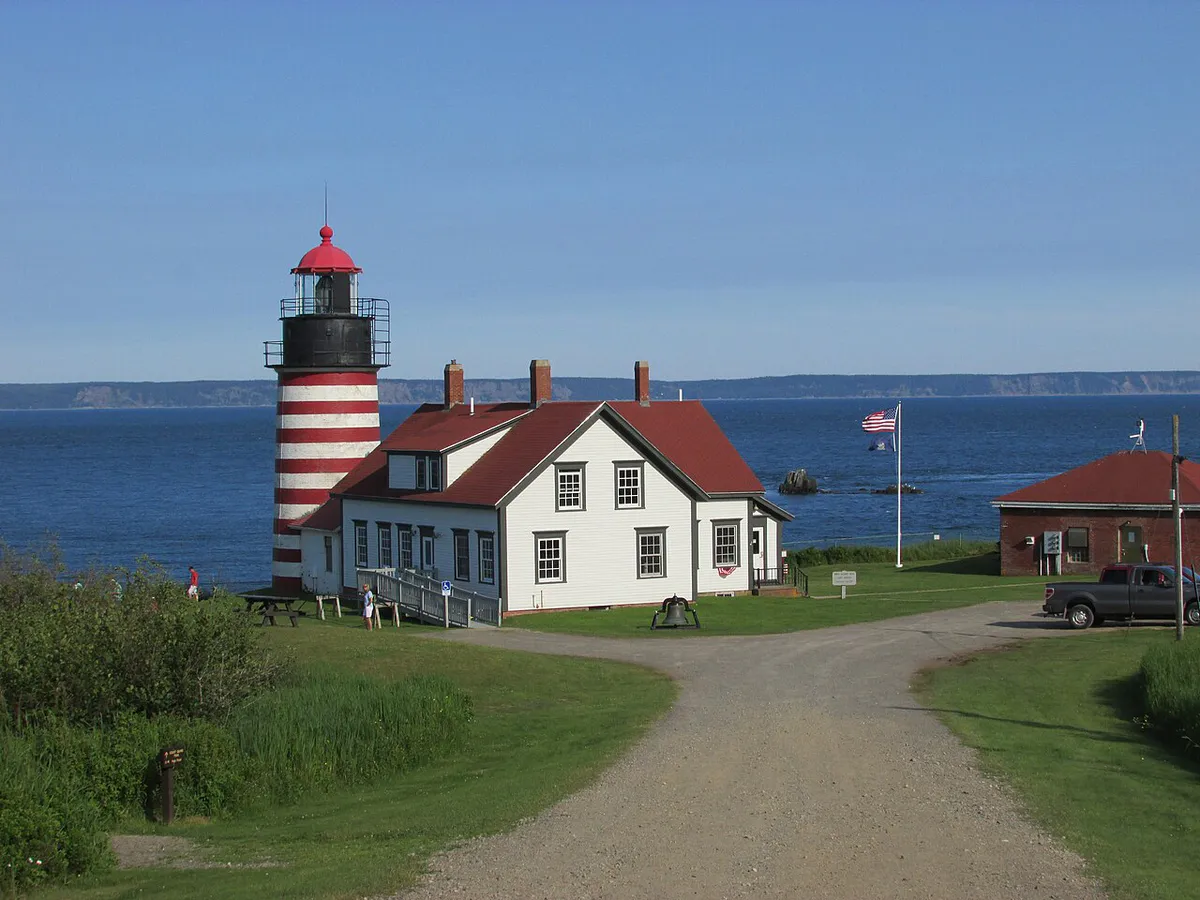
The far Downeast corner around Cobscook Bay is one of the darkest accessible parts of the coast. There is almost nothing out here in terms of population, and the skies over the bay are excellent on a clear night. Quoddy Head, the easternmost point in the United States, is nearby and gives you an open ocean horizon to the east. The bay also has some of the most extreme tides in the Lower 48, which is a separate reason to visit.
Cobscook Bay State Park has been operating with reduced facilities in 2026 (limited water and no showers in some periods). The dark skies are unaffected, but verify current camping conditions with the Maine Bureau of Parks and Lands before you book a stay there.
Rangeley and the Western Mountains
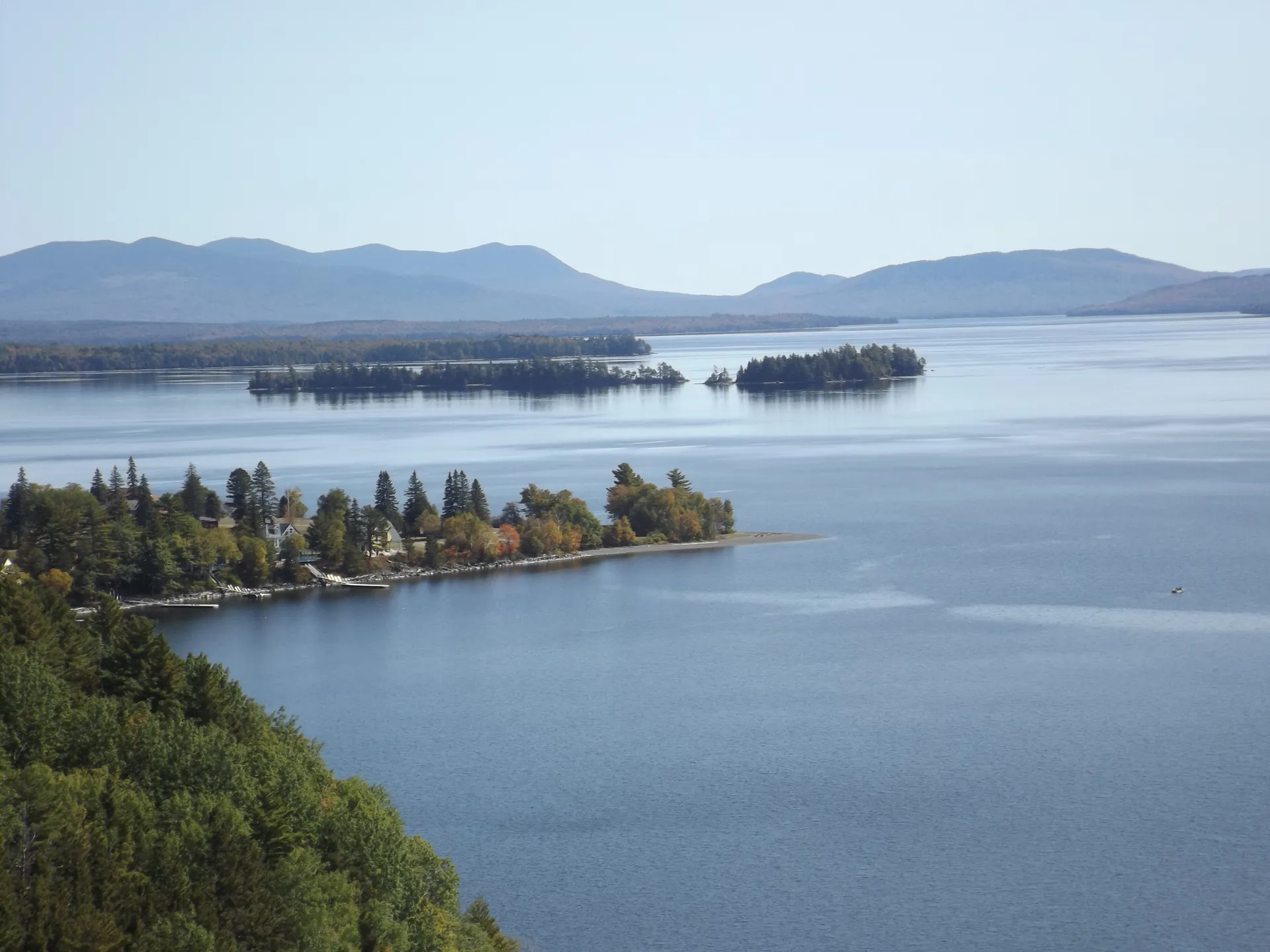
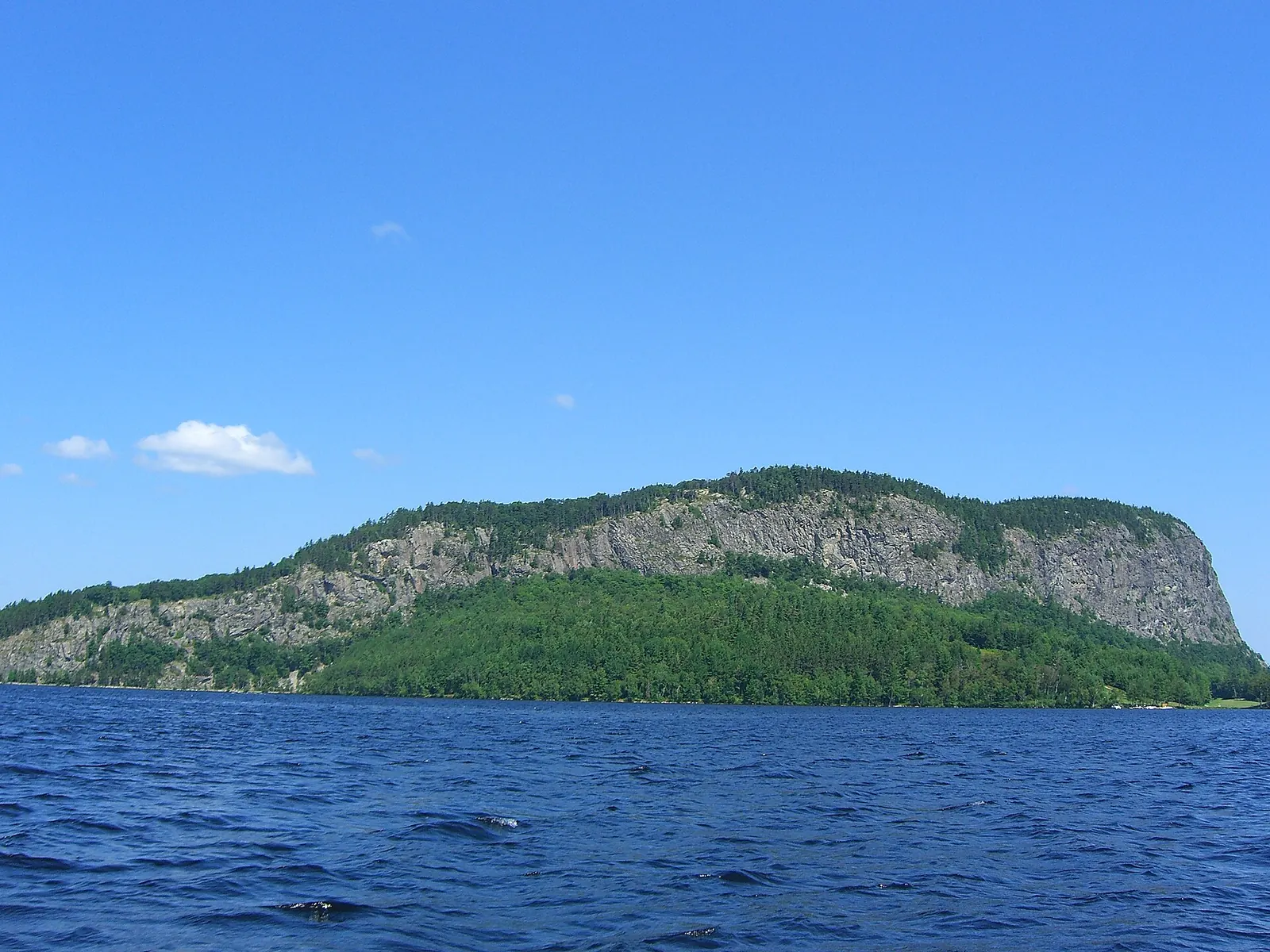
The Rangeley region sits high in the western mountains, far from any city, and the lakes give you wide-open horizons reflecting the stars. Rangeley Lake State Park and the surrounding high country are dark and quiet, especially midweek and outside peak summer. The elevation (Rangeley sits around 1,500 feet) means cool, often clear nights, and the dry mountain air helps. The Height of Land overlook on Route 17 is a famous daytime viewpoint that doubles as a dark, open spot after dark.
When to Go: Months and Moon Phase
Where you stand matters, but when you go matters just as much. Two factors decide whether you see thousands of stars or a few dozen: the moon and the weather.
The moon is the biggest variable you can control. Aim for the few nights around the new moon, when the sky is darkest. A full moon washes out everything but the brightest stars, no matter how dark the location. Check a moon-phase calendar and plan your trip for the new-moon window, give or take a few days. The hours after the moon sets (or before it rises) on other nights also work.
Late summer through fall is prime. The Milky Way’s bright core is highest in the evening sky from roughly July through September. Autumn brings the clearest, driest air and the longest nights. Winter gives you the longest darkness of all and famously crisp skies, but Maine winter nights are brutally cold and many north-woods roads are unplowed, so it is for the committed only.
Watch the forecast for clear skies, low humidity, and no haze. A dark site under clouds shows you nothing. Mountain and inland sites tend to have clearer air than the foggy coast.
Time the meteor showers. The Perseids peak in mid-August and are the most reliable show of the year for Maine, warm enough to lie out comfortably and timed when the Milky Way is up. The Geminids in mid-December are arguably better but require dressing for deep cold.
Your night vision takes 20 to 30 minutes to fully adjust, and one glance at a phone screen or white flashlight resets it. Use a red headlamp or a red flashlight mode, keep the phone in your pocket, and be patient. The sky you see after half an hour in the dark is a completely different sky than the one you see when you first step out of the car.
What to Bring
You do not need a telescope to enjoy a Maine night sky. The naked eye sees plenty at a truly dark site, and a pair of binoculars often beats a telescope for casual stargazing because they are easy, wide-field, and show star clusters, the Milky Way, and the moons of Jupiter beautifully.
- A red headlamp. Protects your night vision. White light ruins it. This is the single most useful piece of gear.
- Binoculars. A good pair shows craters on the moon, Jupiter’s moons, the Andromeda galaxy, and rich star fields. See our binoculars guide for pairs that work for both wildlife and the night sky.
- Warm layers and a ground pad or reclining chair. Even August nights get cold in the north woods, and you will be sitting still for a long time. Lying back is far more comfortable than craning your neck.
- A star chart or sky app (in red-light or night mode). Helps you find constellations, planets, and the Milky Way.
For the full kit, including beginner telescopes, sky maps, and how to choose between binoculars and a scope, see our Maine stargazing gear guide. It walks through what is worth buying for Maine conditions and what to skip.
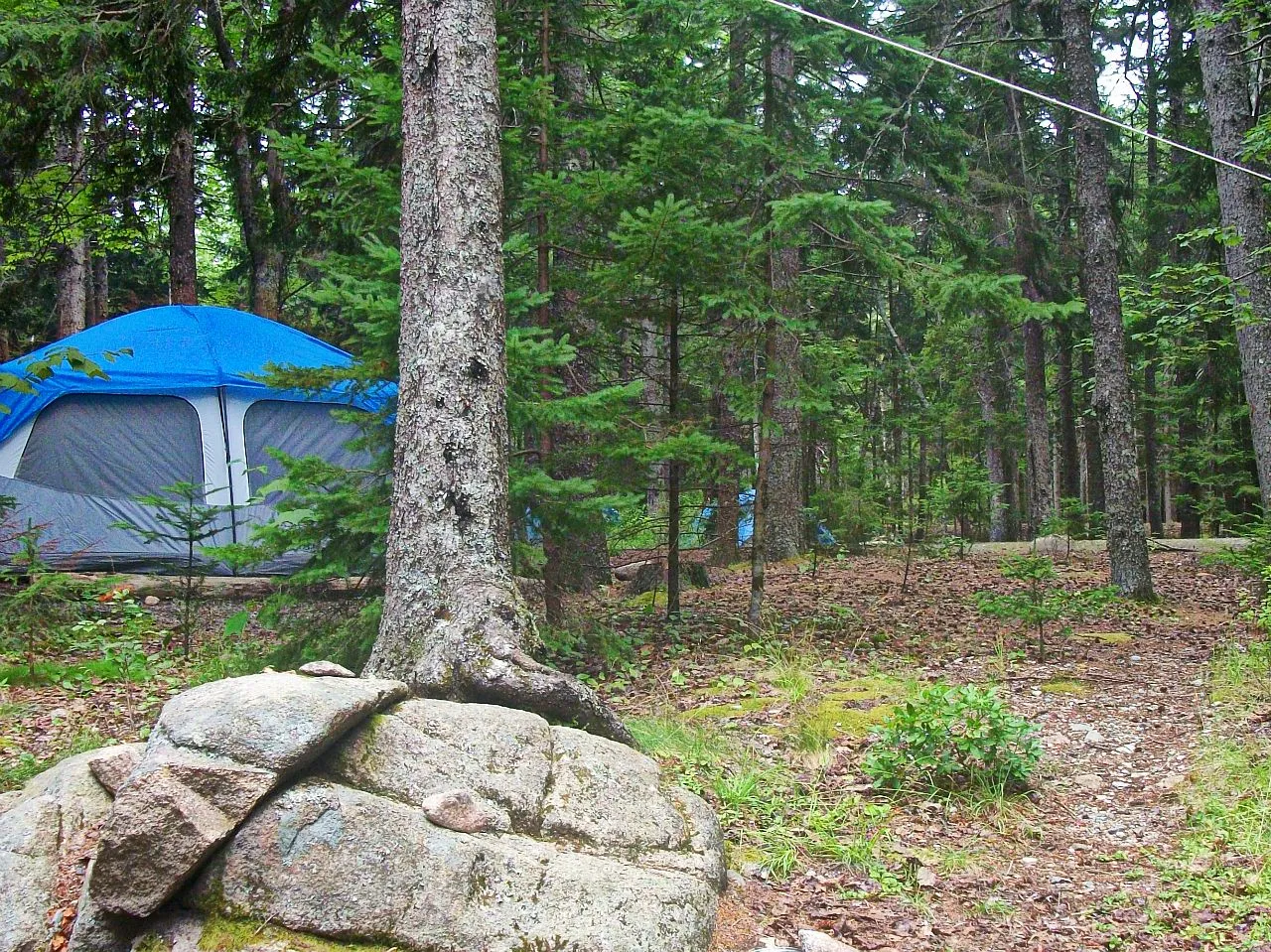
The darkest skies are also the most remote, which means a long drive home in the dark afterward. Camping at or near these sites lets you wait for the moon to set, sleep, and catch the pre-dawn sky too. Pair stargazing with a camping trip and you double your viewing windows.
Frequently Asked Questions
Where is the best stargazing in Maine?
Katahdin Woods and Waters National Monument, an International Dark Sky Sanctuary, has some of the darkest skies east of the Mississippi River. The AMC Maine Woods in the 100-Mile Wilderness is an International Dark Sky Park. Both are remote and exceptional. For easier access, Acadia National Park, the Cobscook Bay area Downeast, and the Rangeley region all offer excellent stargazing on a clear, moonless night.
Does Maine have a dark sky park?
Yes, two certified places. The AMC Maine Woods was designated an International Dark Sky Park in 2021, the first in New England. Katahdin Woods and Waters National Monument was designated an International Dark Sky Sanctuary in 2020, the first certified dark sky place in Maine and New England. A Sanctuary is the rarer, darker category.
When is the best time to stargaze in Maine?
On a clear night within a few days of the new moon, from late summer through fall. The Milky Way's core is high in the evening sky from July through September, and autumn brings the clearest, driest air. Avoid nights near the full moon, which washes out all but the brightest stars. The Perseid meteor shower in mid-August is the most popular show of the year.
Can you see the Milky Way in Maine?
Yes, clearly, at any of the dark sites away from the coast. At Katahdin Woods and Waters and the AMC Maine Woods, the Milky Way is bright enough to be obvious to the naked eye on a moonless night and can even cast a faint shadow. You will see far less near Portland or other coastal towns because of light pollution.
Do you need a telescope to stargaze in Maine?
No. At a truly dark site, the naked eye sees thousands of stars and the full sweep of the Milky Way. A pair of binoculars is the best upgrade for most people because it is simple, wide-field, and shows star clusters, the moon's craters, and Jupiter's moons. A telescope is worth it only if you want to study specific objects closely.
Is Acadia a dark sky park?
Acadia National Park is not formally certified as a dark sky place, but it has the largest area of naturally dark sky on the East Coast and historically ran night-sky programs each September. The Acadia Night Sky Festival ran through 2022, and the park has offered night-sky programming since. Check the park's current event calendar before planning around a specific program.
More Maine Outdoors at Night and Beyond
- Stargazing pairs well with a north-woods trip. See remote camping spots in the Maine wilderness.
- Heading to the Katahdin region anyway? Read Acadia vs Baxter State Park.
- Building a Maine outdoor list? Add a dark sky night to the Maine outdoor bucket list.
Sources and Image Credits
- Hero image: Maine night sky. Image to be sourced by editor.