

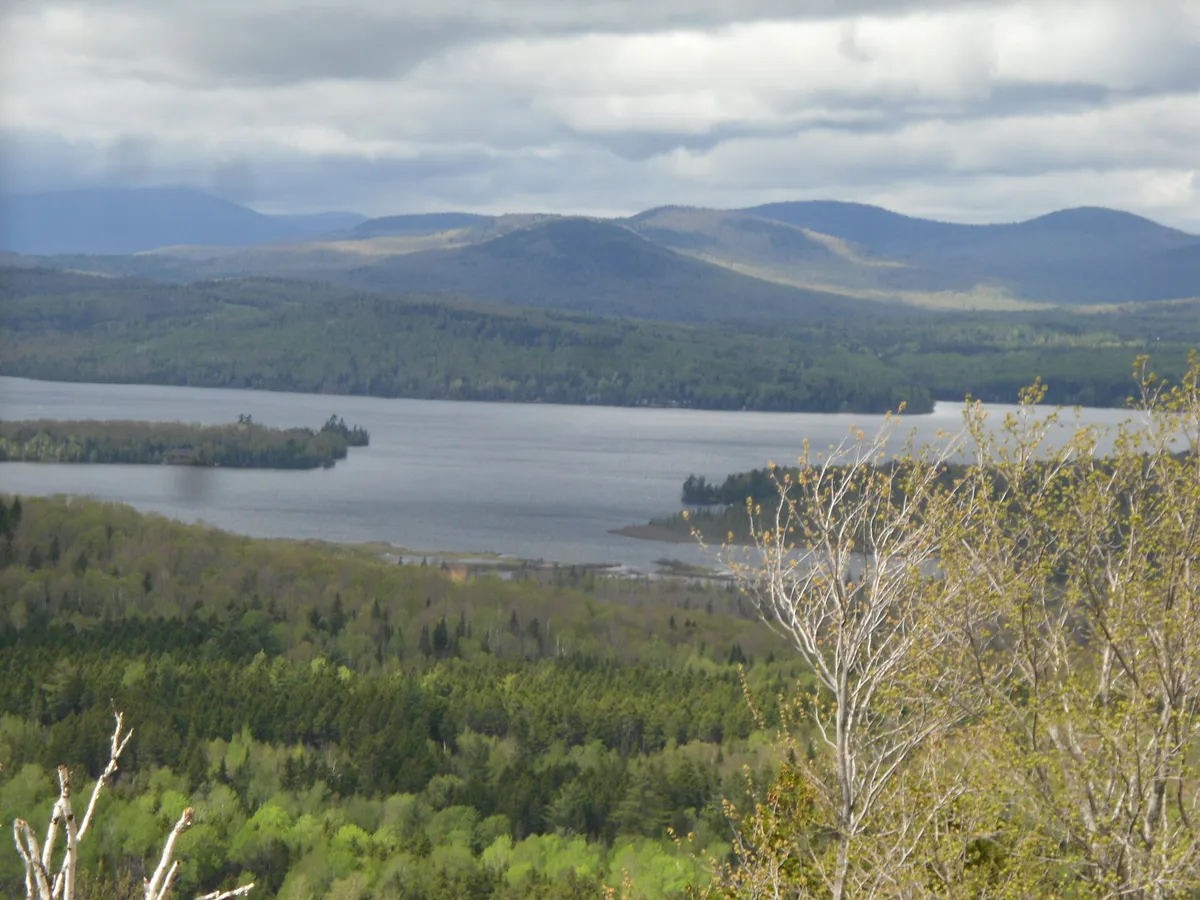
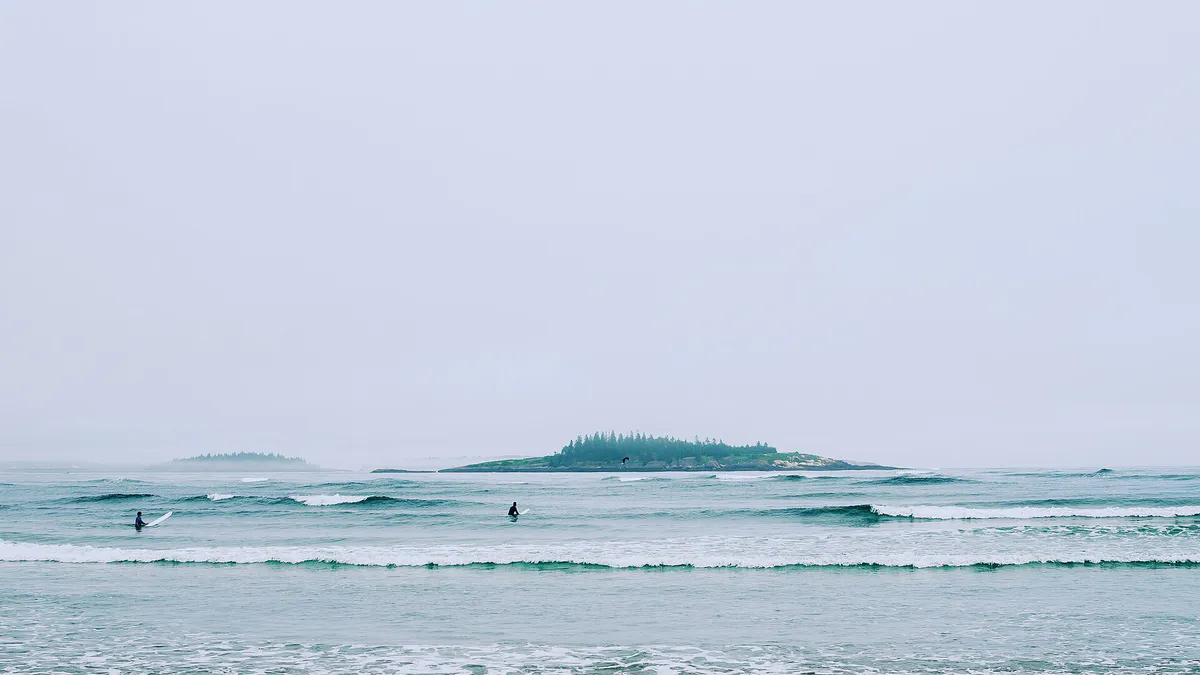
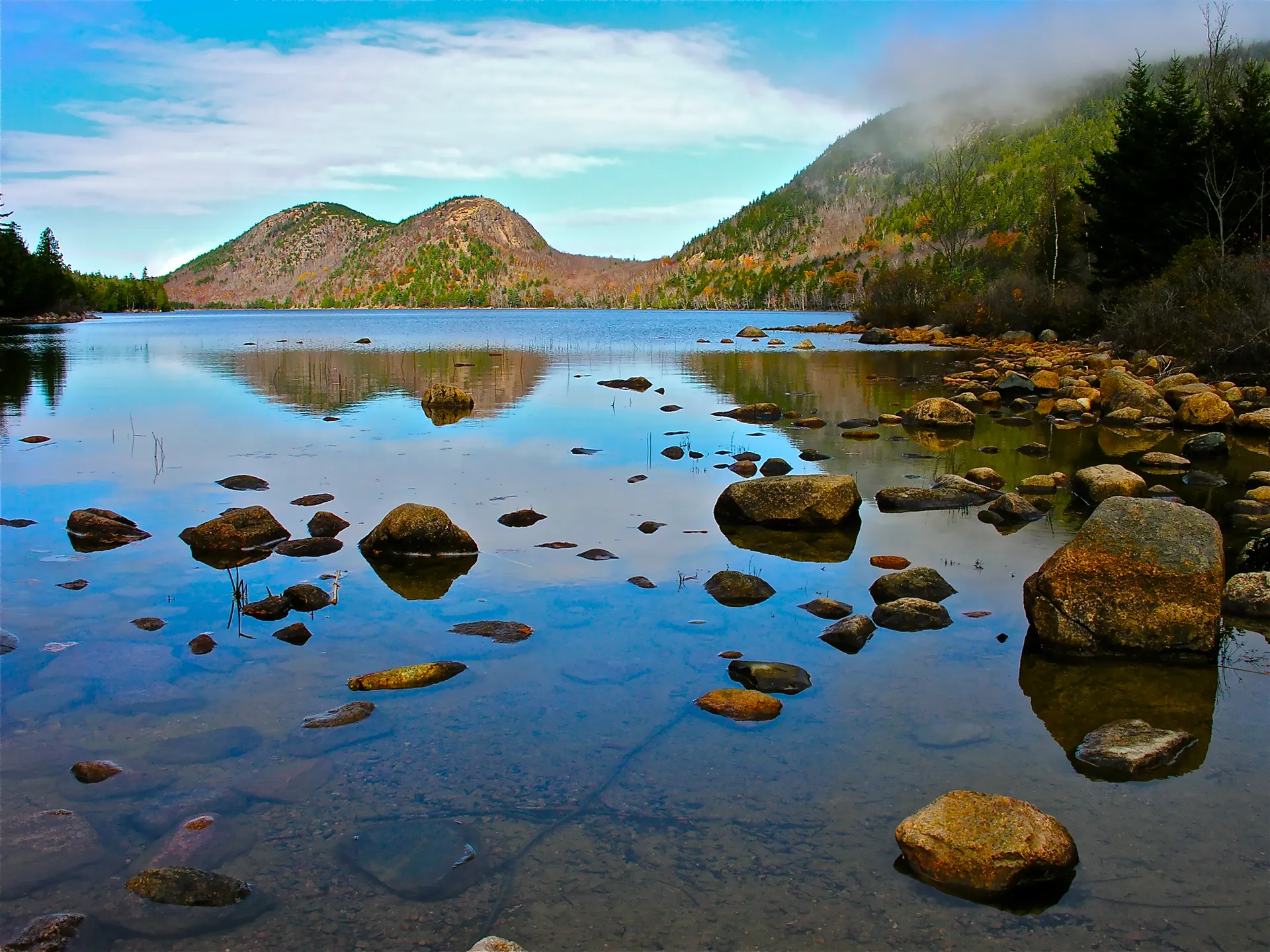
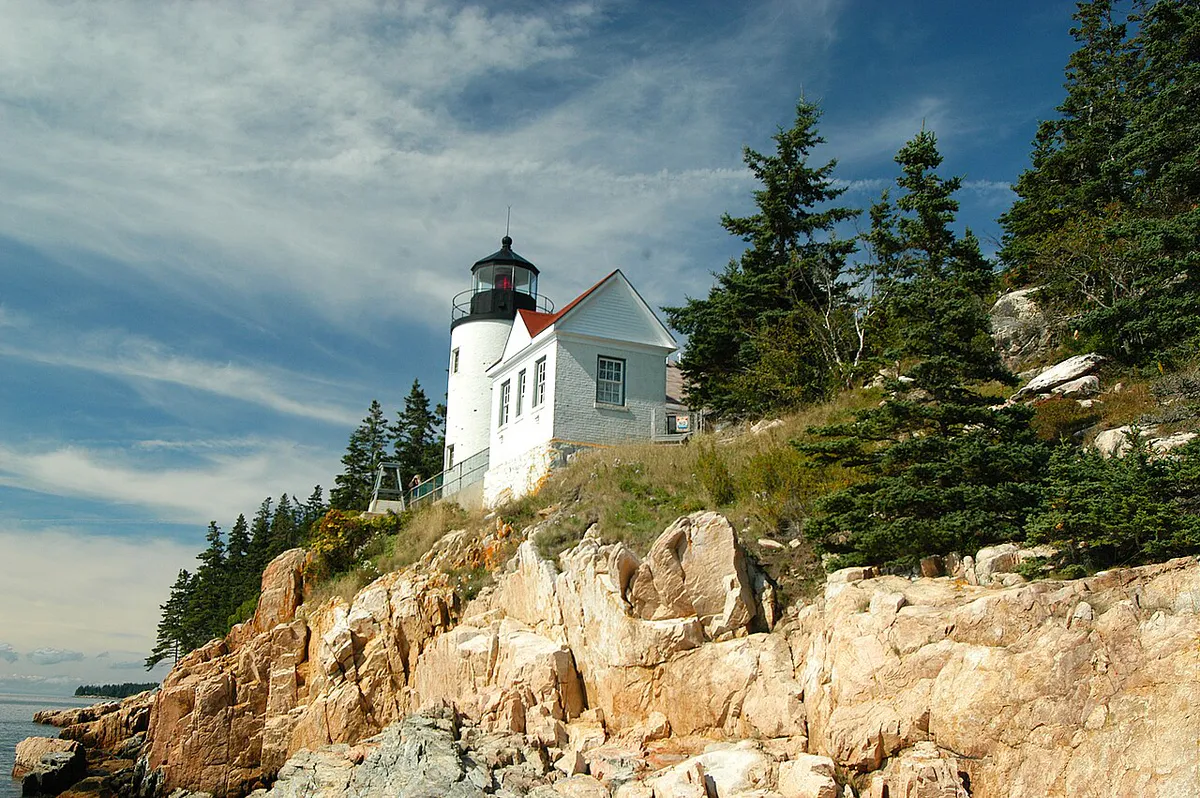
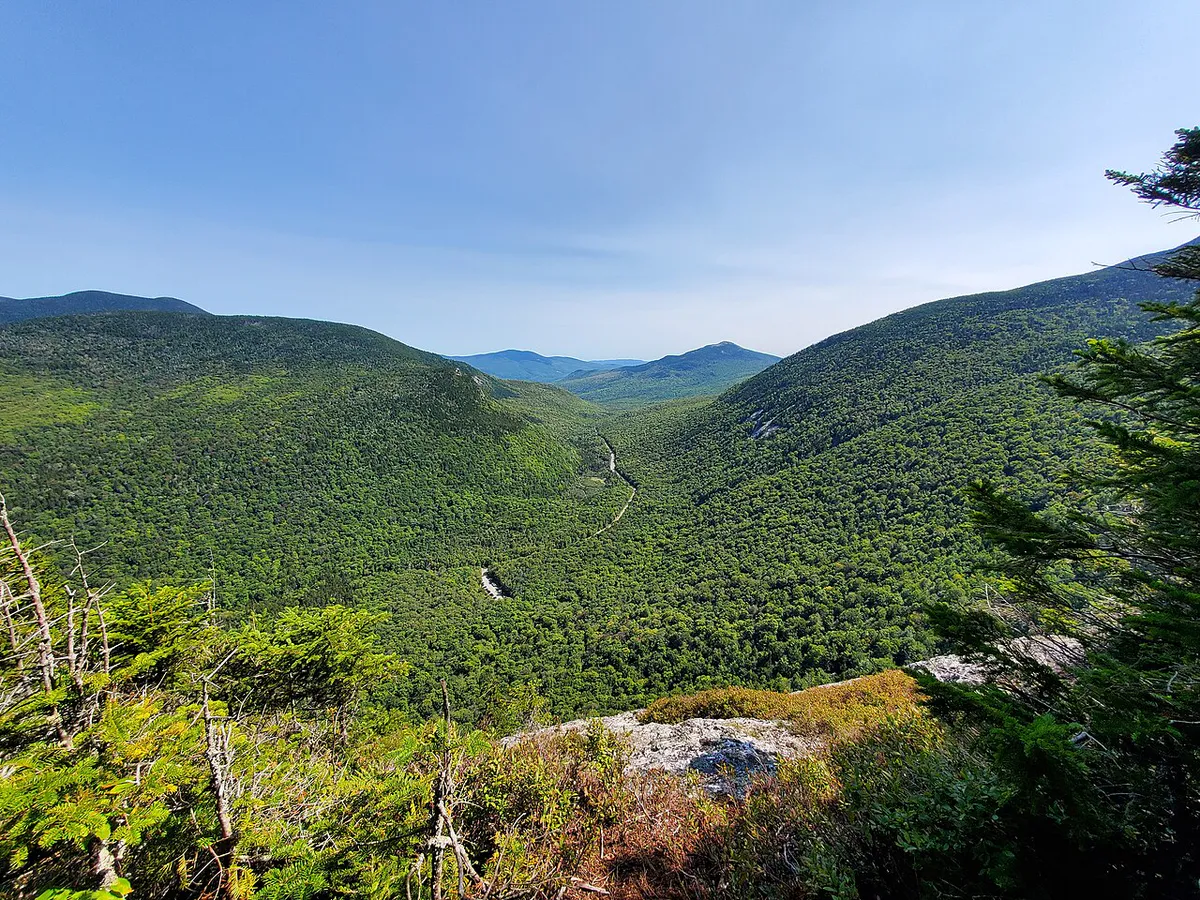
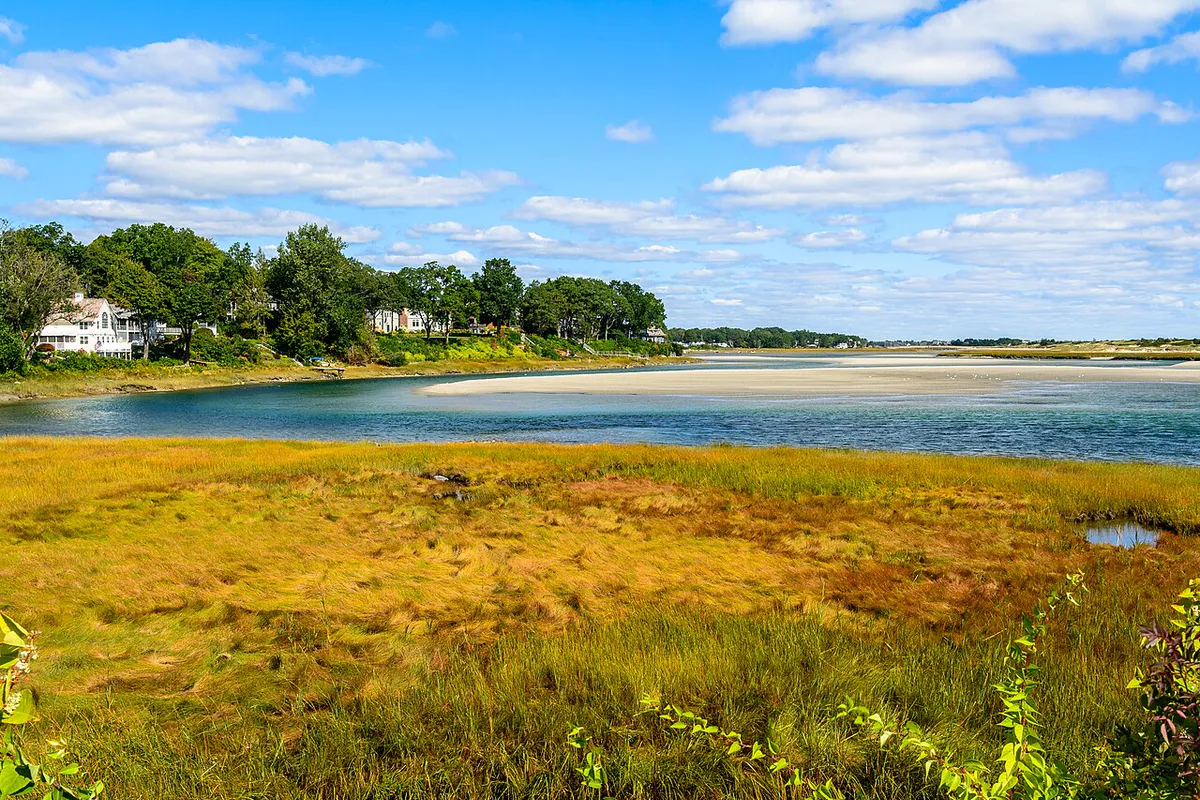
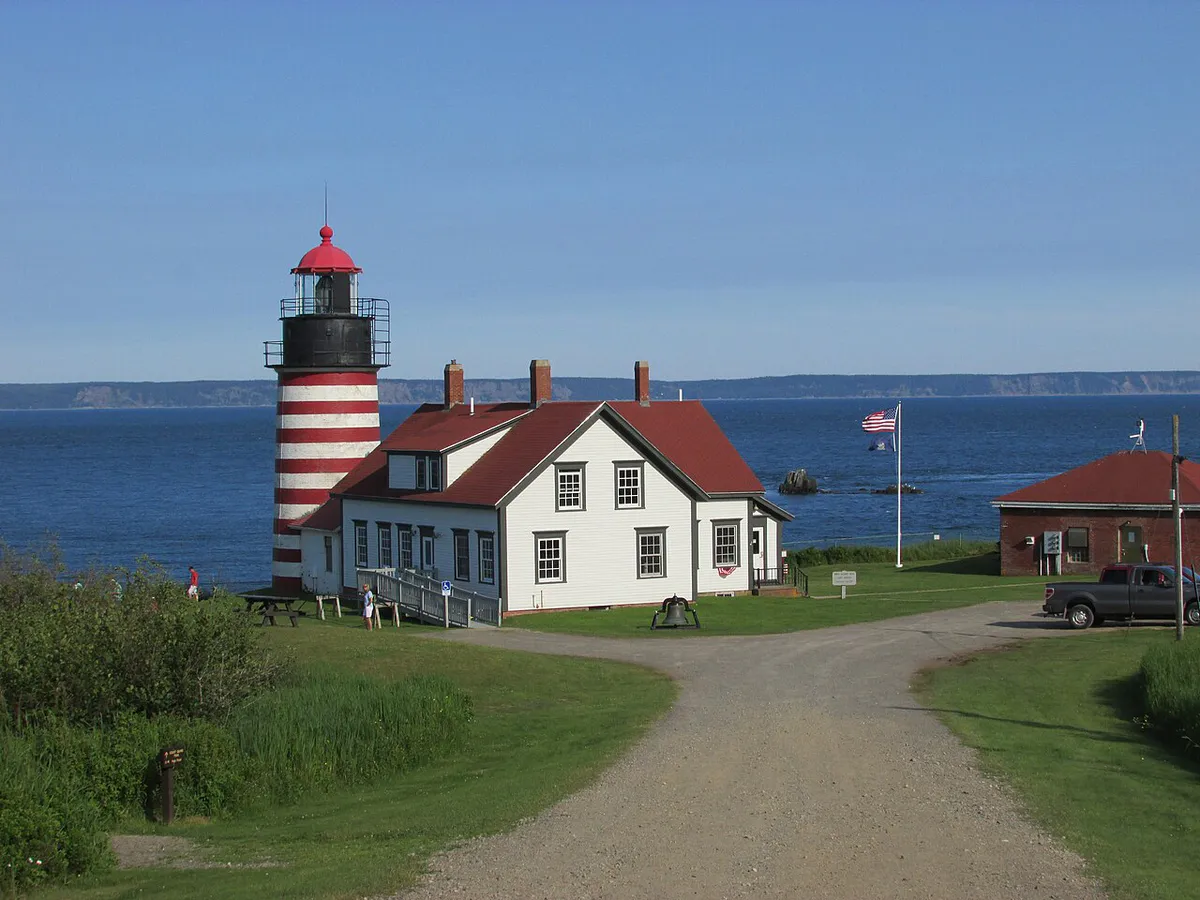
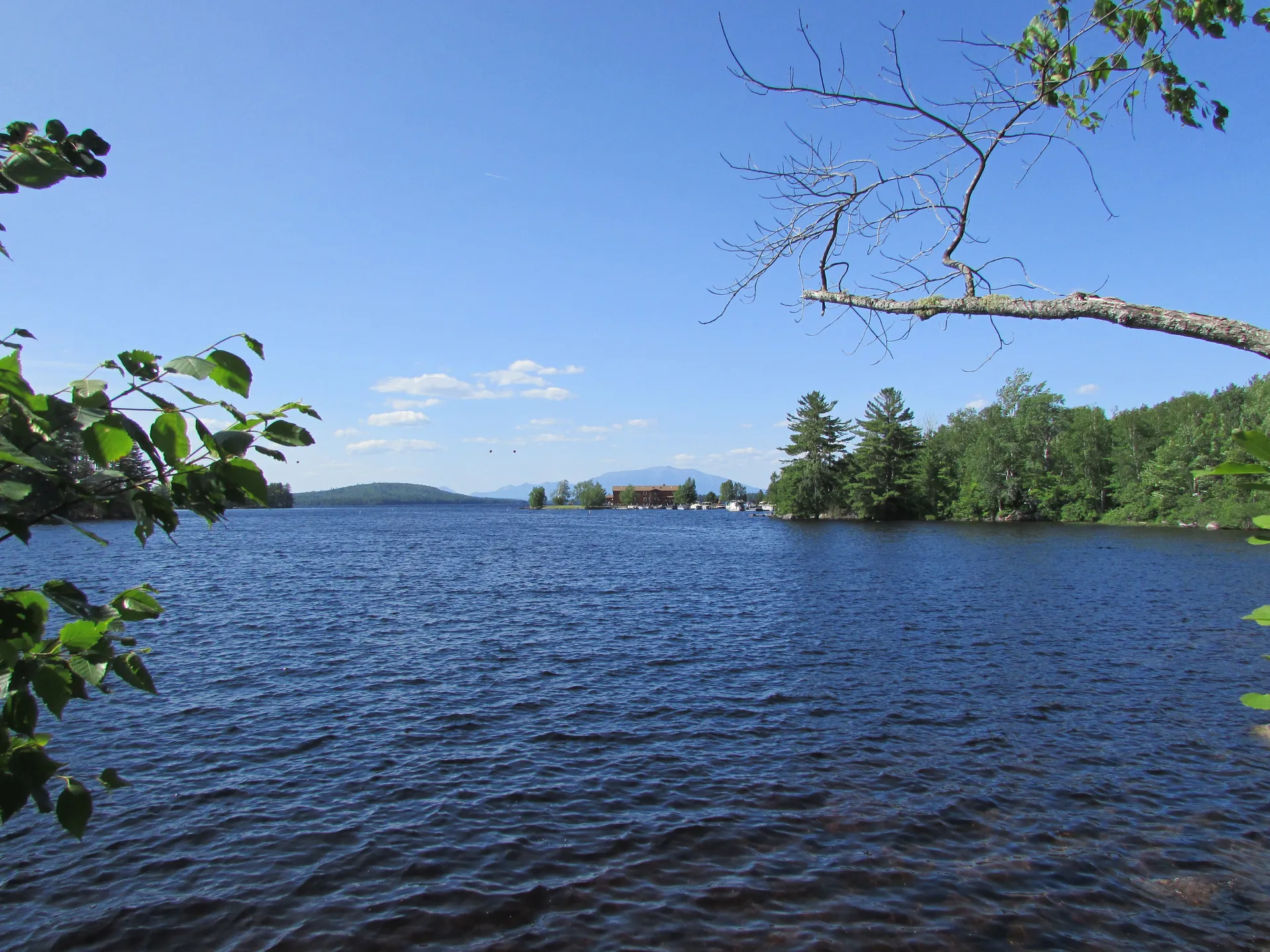
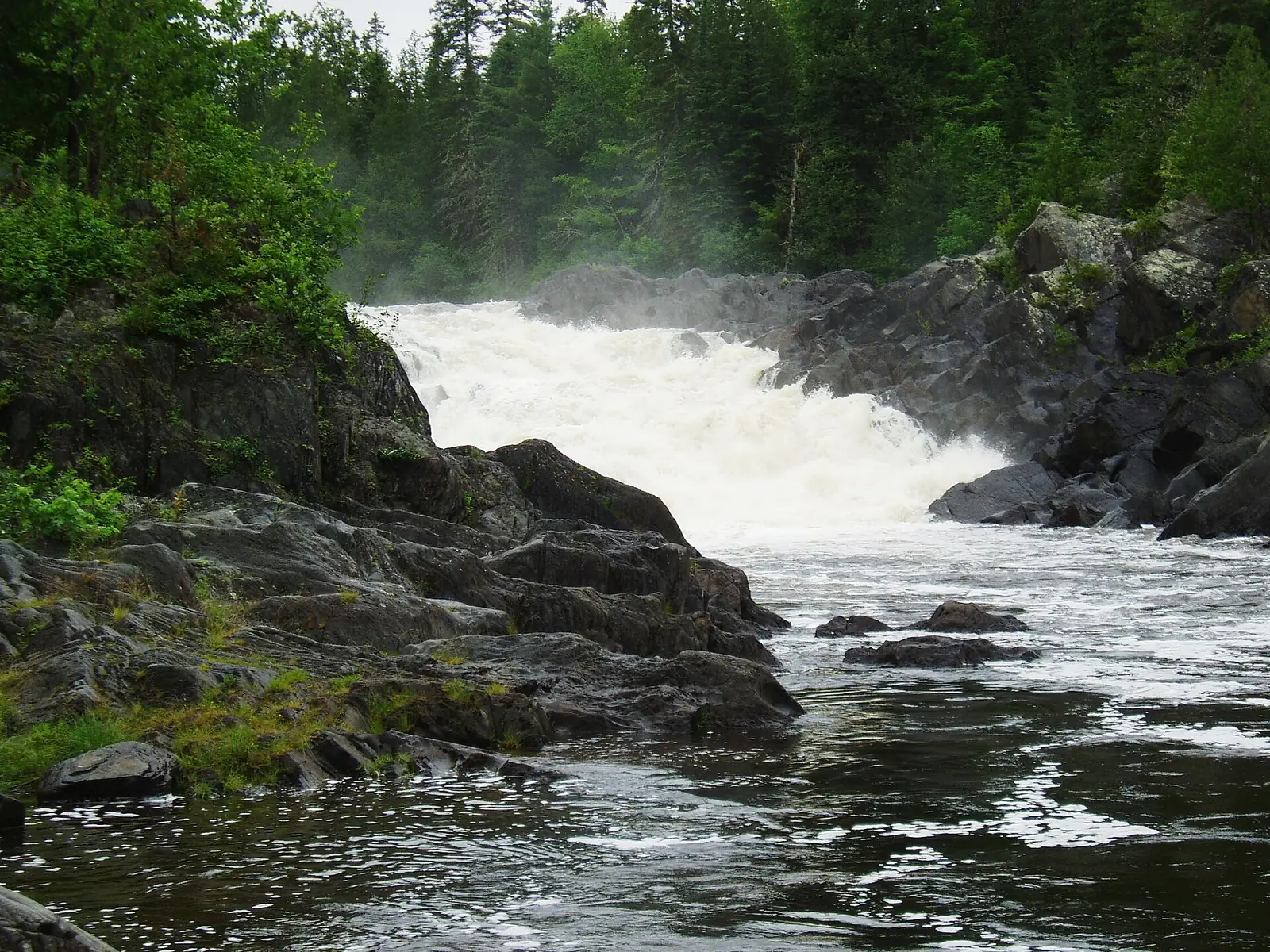
Maine has 17.7 million acres of forest. Most of it has no cell service, no paved roads, and no one around. If you want remote camping, the kind where the nearest person might be five miles away and the nearest town is an hour of dirt road driving, Maine delivers like nowhere else east of the Rockies.
This is not a list of nice campgrounds with flush toilets and firewood for sale. These are places where you carry everything in, the water comes from the stream, and the only light after dark is your headlamp and whatever the moon offers. Some require a boat. Some require a long hike. All of them require planning, self-reliance, and comfort with genuine isolation.
If that sounds appealing, keep reading. If it sounds intimidating, start with our best family camping guide and work your way up.
Backcountry camping in Maine requires preparation. Bring a water filter, bear hang or canister, map and compass (GPS too, but do not depend on it), first aid kit, and more layers than you think you need. Cell service is nonexistent in most of these locations. Tell someone your itinerary and expected return date before you leave.
1. Russell Pond, Baxter State Park
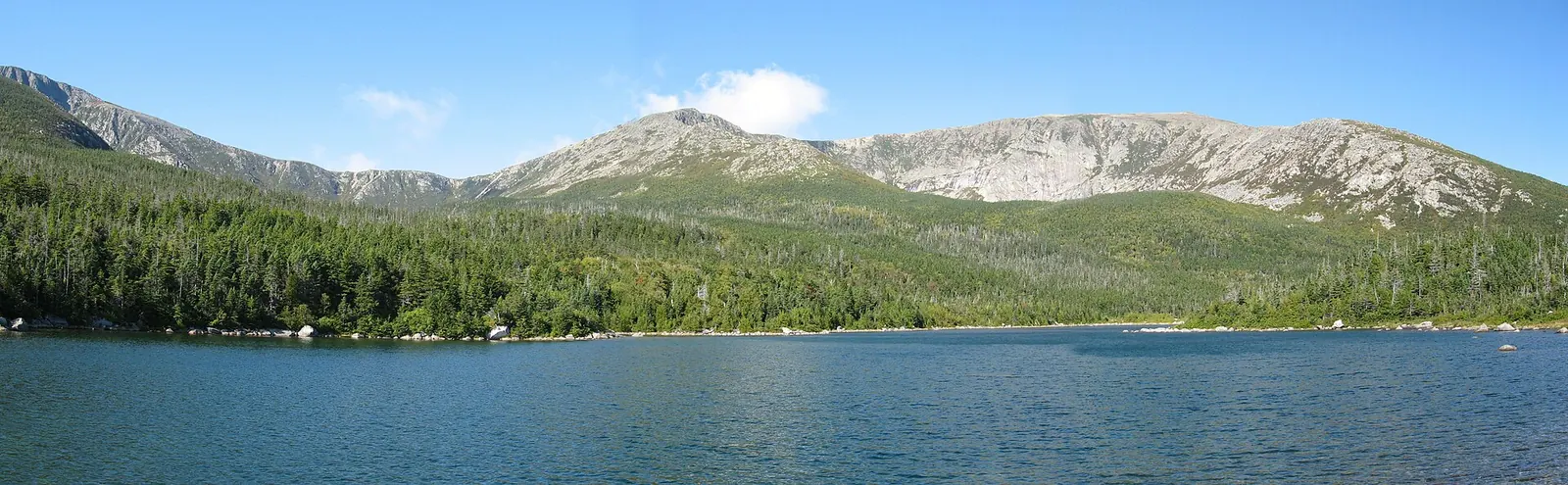
Access: 7-mile hike from Roaring Brook Campground | Sites: 5 lean-tos, 3 tent sites, 1 bunkhouse
Russell Pond is the most remote campground in Baxter State Park, tucked into a basin on the north side of Katahdin. Getting there requires a 7-mile hike from Roaring Brook, and most people pack in for 2-3 nights. From the campground you can day-hike to Wassataquoik Lake, Grand Falls, and several alpine ponds that almost nobody visits.
The lean-tos sit on the shore of Russell Pond, and on a clear evening the reflection of North Brother and Fort mountains in the water is worth every step of the hike in. Moose wade through the pond shallows regularly. Loons nest here.
Reserve through Baxter State Park. Sites fill fast for July and August, book as soon as reservations open.
2. Allagash Wilderness Waterway
Access: Canoe/kayak only (multiple put-ins) | Sites: 80+ primitive sites along 92 miles
The Allagash is the granddaddy of Maine wilderness trips. A 92-mile canoe route from Telos Lake to the confluence with the St. John River at Allagash Village, running through some of the most uninhabited country in the eastern United States. The entire waterway is a protected wilderness corridor.
Campsites are spaced every few miles along the route, most are simple clearings with a fire ring, privy, and space for a tent or two. Some of the best sites sit on points overlooking Eagle Lake, Chamberlain Lake, and the river below Chase Rapids.
A full trip takes 7-10 days. You can also paddle shorter sections. The Chamberlain Lake to Eagle Lake stretch is one of the most scenic and accessible for shorter trips.
Permits required. Register at the ranger station.
3. 100-Mile Wilderness, Appalachian Trail
Access: On foot (AT northbound from Monson or southbound from Baxter) | Sites: Lean-tos and primitive tent sites
The 100-Mile Wilderness is the longest stretch of the Appalachian Trail without a paved road crossing. Running from Monson to Baxter State Park, it passes through dense boreal forest, over several mountains, and alongside ponds and streams that feel genuinely wild.
Lean-to shelters sit roughly every 8-12 miles along the trail, with tent sites near most of them. The middle section, around the Chairback Range and Whitecap Mountain, is particularly scenic and particularly remote. You are a full day’s hike from the nearest road in either direction.
Most thru-hikers take 7-10 days. Strong backpackers can do it in 5-6. Or you can section-hike the southern portion as a 2-3 day trip from Monson, turning around at one of the lean-tos. See our Maine backpacking guide for trip planning.
If you do not want to commit to the full 100-mile stretch, hike in from the Monson end to the Chairback lean-tos (about 15 miles in). Two nights gives you a taste of the Wilderness without the full commitment. The Chairback Range is the scenic highlight of the southern half.
4. Debsconeag Lakes Wilderness
Access: Logging roads + hike/paddle in | Sites: Primitive camping at several backcountry ponds
The Debsconeag Lakes area, just south of Baxter State Park, is one of the least-visited wilderness areas in Maine. The Nature Conservancy owns a large tract here, and the backcountry ponds, First, Second, Third, and Fourth Debsconeag Lakes, offer some of the most isolated camping in the state.
Getting there involves navigating logging roads to a trailhead, then hiking or paddling in. The Debsconeag Ice Caves are a worthy side trip, a geological oddity where ice persists in rocky talus caves well into summer.
No facilities. No reservations. Just wilderness. Bring everything you need and pack everything out.
5. Chesuncook Lake
Access: Boat or logging roads | Sites: Primitive camping on undeveloped shoreline
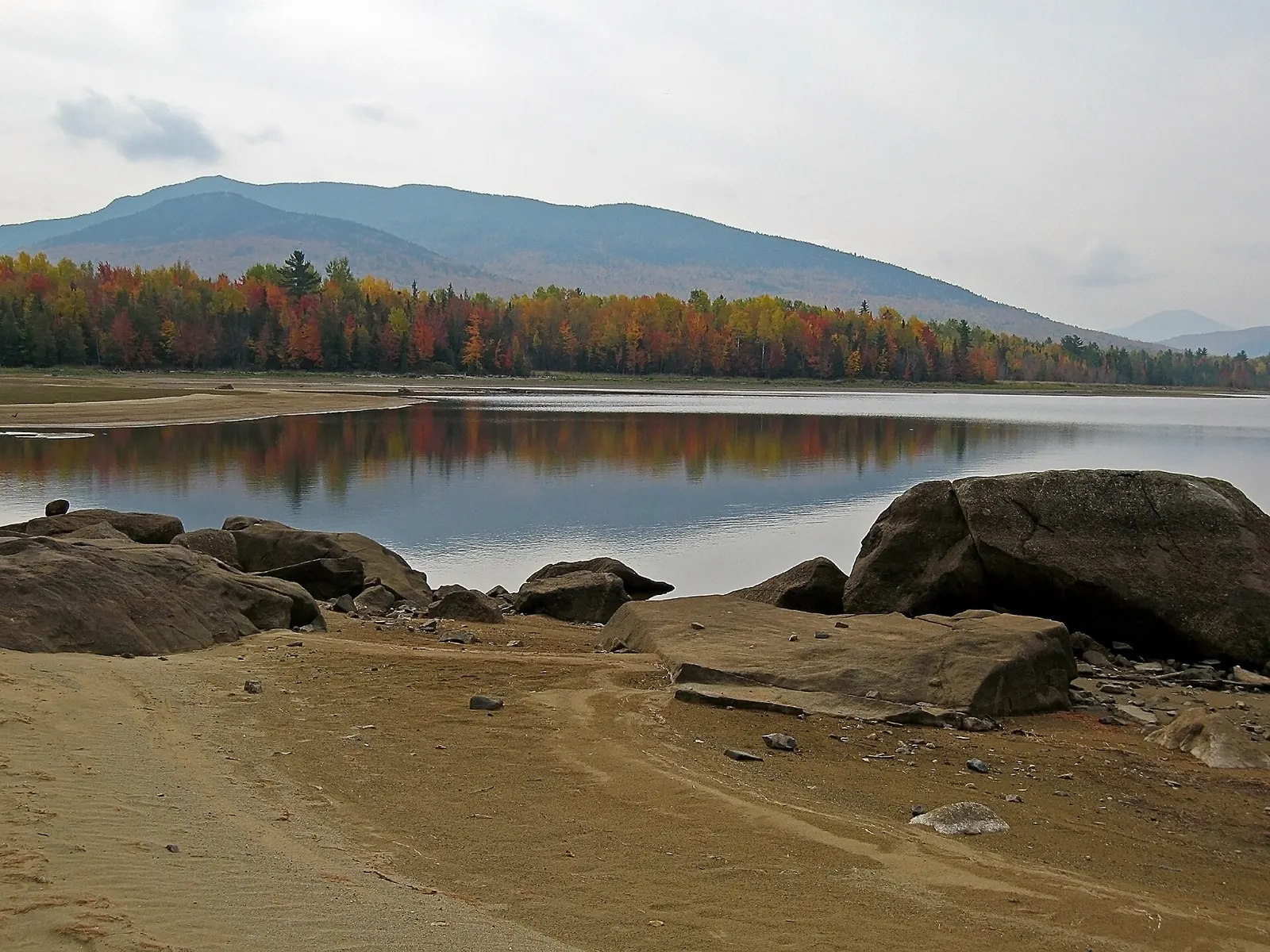
Chesuncook Lake stretches 24 miles through the North Woods, bordered almost entirely by undeveloped forest. The tiny village of Chesuncook, population roughly 12 in summer, sits on the west shore and has no road access for passenger vehicles. You get there by boat or by a very rough logging road that most rental car companies would not appreciate.
Primitive camping is available along the shoreline on North Maine Woods land. The views toward Katahdin from the east shore of Chesuncook are legendary, the mountain appears to rise directly from the forest with nothing between you and the summit but 25 miles of unbroken trees.
North Maine Woods gate fee required. Check in at the Caribou checkpoint or Telos checkpoint.
6. South Branch Pond, Baxter State Park
Access: Drive to campground (unpaved park roads) | Sites: 12 lean-tos, 9 tent sites
South Branch Pond is in the quieter northern section of Baxter State Park, far from the Katahdin crowds. The campground sits between two pristine mountain ponds with North Traveler Mountain and the Traveler Range rising behind them.
It is drive-in camping (on Baxter’s rough dirt roads), but it feels remarkably remote. The northern end of the park sees a fraction of the visitors that the Katahdin area does. From camp you can hike North Traveler, paddle the ponds, or just sit on the shore and count the loon calls.
Reserve through Baxter State Park, but availability is usually better here than at the busier southern campgrounds.
7. Nahmakanta Lake, Appalachian Trail
Access: AT hike (various approach routes) or logging roads | Sites: Primitive AT lean-tos and campsites
Nahmakanta is a backcountry lake along the Appalachian Trail in the 100-Mile Wilderness section, known for its crystal-clear water and sandy beach. The AT runs along the north shore, and lean-tos near the lake provide front-row seats to one of the most pristine bodies of water in Maine.
You can also access Nahmakanta via logging roads from Millinocket, which makes it feasible as a weekend trip without hiking the full AT section. The lake allows canoes and kayaks (no motors), and the fishing for brook trout is excellent.
8. Katahdin Woods and Waters National Monument
Access: Logging roads from Patten or Stacyville | Sites: Primitive/backcountry sites
Katahdin Woods and Waters is Maine’s newest protected area and still relatively unknown. The monument covers 87,500 acres of forest, mountains, and river along the East Branch of the Penobscot, and receives a tiny fraction of the visitors that Baxter or Acadia see.
Backcountry campsites are available along the river and at several trailheads. The Katahdin Woods and Waters campground offers more established sites for those who want a base camp. The Wassataquoik Stream valley in the interior is about as remote as you can get while still being in a national monument.
Night sky viewing here is spectacular. The monument was designated an International Dark Sky Sanctuary. There is virtually zero light pollution.
9. Richardson Lakes, Rangeley Region
Access: Boat or logging roads | Sites: Primitive camping along shoreline
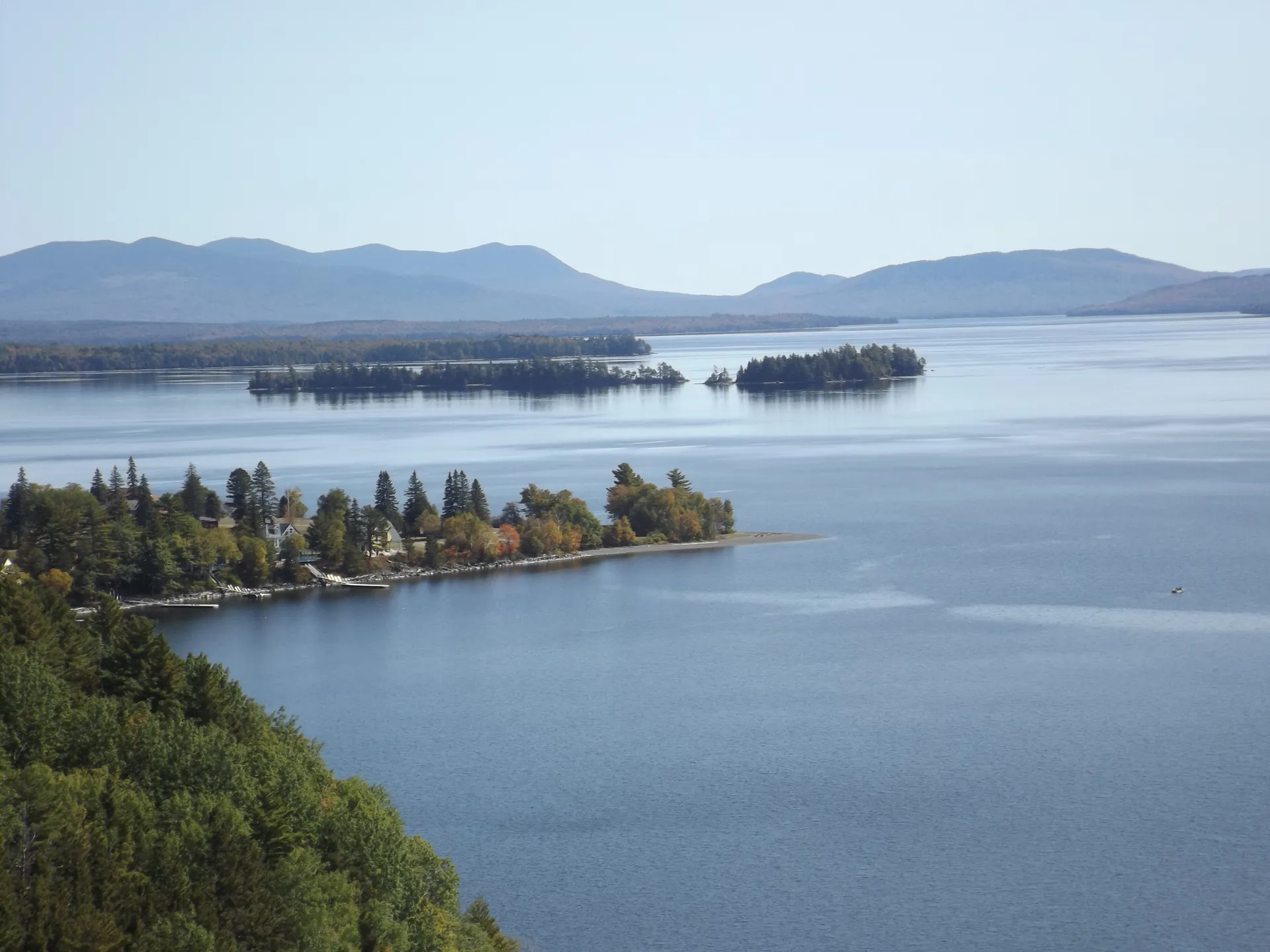
The Richardson Lakes sit in the Rangeley Lakes region of western Maine, connected to Mooselookmeguntic Lake and surrounded by undeveloped forest. Upper and Lower Richardson together stretch about 15 miles, with most of the shoreline accessible only by water.
Primitive campsites dot the shoreline, many accessible only by boat. The brook trout and landlocked salmon fishing is outstanding. The area was one of the original fly-fishing destinations in America, and it still fishes well over a century later.
Rangeley is the nearest town for supplies, about 30 minutes by car from the south end of the chain.
10. Donnell Pond Public Reserved Land
Access: Trail or paddle | Sites: Primitive tent sites on the pond
Donnell Pond is in the Downeast region, a 1,100-acre pond surrounded by low mountains and accessed via short trails from parking areas on the north end. Primitive campsites sit on the shore, reachable by canoe, kayak, or a moderate hike.
The area is far less crowded than Acadia, which is only about 30 miles to the southwest. Schoodic Mountain and Tunk Mountain offer excellent hiking from the same trailhead area, making this a solid base for a backcountry weekend that combines camping, paddling, and hiking.
Donnell Pond is a great alternative to Acadia for camping. You get the same kind of granite-and-pond scenery, far fewer people, and primitive shoreline camping instead of developed campgrounds. Combine it with the hike up Schoodic Mountain for one of the best views in Downeast Maine.
11. St. John River, Northern Maine
Access: Canoe/kayak (remote put-in via logging roads) | Sites: Primitive riverside campsites
The St. John River is Maine’s wildest canoe trip. Running through the absolute northernmost part of the state, near the Canadian border, the river passes through country that is almost entirely uninhabited. The classic trip runs about 60 miles from Baker Lake to Allagash Village.
The catch: the St. John is a spring-runoff river. It is only runnable from mid-May through mid-June in most years, after which it drops too low for loaded canoes. This narrow window, combined with the remote access (you need to drive hours on logging roads just to reach the put-in), keeps visitor numbers very low.
Camping is on gravel bars and primitive riverside sites. There are no facilities of any kind. This is a self-supported wilderness trip in every sense.
12. Caribou-Speckled Mountain Wilderness, Evans Notch
Access: Trails from Evans Notch Road | Sites: Backcountry tent camping (dispersed)
The Caribou-Speckled Mountain Wilderness is a 14,000-acre federal wilderness area on the Maine-New Hampshire border in the White Mountain National Forest. Dispersed backcountry camping is allowed throughout the wilderness area (following Leave No Trace guidelines), and several trails provide access.
Caribou Mountain and Speckled Mountain are excellent hikes with summit views, and the Evans Notch campgrounds offer a car-camping base nearby if you want to ease into the backcountry.
This area gets overlooked because most people head to the New Hampshire side of the Whites. That is their loss. The trails are quieter, the camping is more primitive, and the scenery is equally good.
Gear Essentials for Remote Camping in Maine
You do not need the most expensive gear, but you do need the right gear. Here is what matters most for Maine backcountry:
- Water filter or purification: Non-negotiable. Giardia is present in Maine surface water. Filter everything.
- Bug protection: DEET for skin, permethrin for clothing, head net for blackfly season (late May–late June). Read our bug season calendar before you go.
- Rain gear: It will rain. Maine backcountry trips without rain are the exception. Bring a quality rain jacket and pack cover.
- Bear line or canister: Required in Baxter State Park. Recommended everywhere else. Hang your food at minimum.
- Map and compass: Do not depend on your phone. Cell service is nonexistent at every location on this list. Download offline maps as a backup, but know how to read a paper map.
- Layers: Even in July, Maine backcountry nights can drop into the 40s. Bring a warm layer and a sleeping bag rated to at least 35 degrees.
For detailed gear recommendations, see our camping gear guide and backpacking guide.
Tips for Backcountry Camping in Maine
North Maine Woods access: Much of northern Maine is privately owned timberland managed by North Maine Woods, Inc. You need to check in at a gate and pay a day-use or camping fee. Gates are staffed during the day; after hours, self-register. The fee is modest and goes toward road maintenance.
Logging roads: Drive slowly, keep headlights on, pull over for trucks. These are working roads. Logging trucks are wide, heavy, and not slowing down for your Subaru.
Hunting season: October and November bring firearms deer season and moose season. If you are camping in the backcountry during these months, wear blaze orange. Seriously.
Ice-out timing: Many remote lakes and ponds are not ice-free until mid-May. Plan spring trips accordingly.
Fire permits: You need a fire permit for campfires on unorganized territory land. Permits are free and available from the Maine Forest Service. Baxter State Park, Allagash, and established campgrounds have their own rules.
Is backcountry camping legal in Maine?
Yes, dispersed camping is generally allowed on public land and on North Maine Woods private timberland (with a gate fee). Federal wilderness areas allow backcountry camping following Leave No Trace principles. Baxter State Park requires reservations for designated sites. Always check regulations for the specific area you plan to visit.
Do I need a permit for backcountry camping in Maine?
It depends on the location. Baxter State Park requires reservations. The Allagash Wilderness Waterway requires registration. North Maine Woods land requires a gate fee. Federal wilderness areas and most state public reserved lands do not require permits for camping, but campfires on unorganized territory require a free Maine Forest Service fire permit.
Are there bears in Maine's backcountry?
Yes, Maine has an estimated 36,000 black bears. They are generally not aggressive but will investigate food smells. Hang your food from a bear line (at least 10 feet high and 4 feet from the trunk) or use a bear canister. Bear canisters are required in Baxter State Park. Never cook in or near your tent.
What is the best time of year for backcountry camping in Maine?
Late June through September offers the best weather and longest days. Late May and early June bring blackflies. July and August are warmest but can have mosquitoes. September has fewer bugs, beautiful foliage, and cooler nights. Avoid October and November unless you are prepared for hunting season and cold weather.
How remote is the 100-Mile Wilderness?
Very. The 100-Mile Wilderness is the longest section of the Appalachian Trail without a paved road crossing. The middle section places you a full day's hike from the nearest road. There is no cell service, no facilities beyond lean-to shelters, and no bail-out options without significant hiking.