

Maine in winter is two different states. There is the lift-served version: Sugarloaf, Sunday River, Saddleback, Big Moose Mountain. Those are great. Then there is everything else, which is most of the state, most of the winter, and is what locals actually do on a January Saturday.
This is the everything else.
The state turns nearly empty between November and April. Acadia goes from 4 million summer visitors to nearly nobody. The carriage roads get groomed for cross-country skiing. The Greenville and Rangeley regions have cabin networks built for cold months. The coast gets dramatic in a way it does not in July. And you can park anywhere.
Here is what to actually do, where to go, and what gear matters.
Cold injury and short daylight are the real risks. Daylight ends by 4 PM in December and January, often earlier in valleys. Nighttime temps in the western mountains routinely hit -20°F. Cell service is unreliable above the southern coast.
Dress in layers (base, mid, shell, plus a puffy in your pack). Wear traction on every winter walk longer than 5 minutes. Carry water in an insulated bottle so it does not freeze. Tell someone your plan and your turnaround time. Avalanche risk is real in the Mahoosuc Range and on the steep east faces of Tumbledown and Saddleback in the western mountains. There is no Maine-specific avalanche forecast, so check conditions with local guides or outfitters if you plan to tackle steep east-facing terrain.
15 Winter Activities at a Glance
| Activity | Region | Gear | Difficulty | Cost |
|---|---|---|---|---|
| Snowshoe Acadia carriage roads | Acadia / Coast | Snowshoes, layers | Easy | $0 (winter free entry) |
| Hike Mount Battie in winter | Camden / Coast | Microspikes, layers | Easy-Moderate | $5 park fee |
| Bradbury Mountain dawn hike | Southern Maine | Microspikes | Easy | $4 |
| Cross-country ski Rangeley network | Western Mountains | XC skis, layers | Easy-Hard | $15-25 trail pass |
| XC ski Pineland Farms | Southern Maine | XC skis | Easy-Moderate | $22 |
| Snowshoe Tumbledown Mountain | Western Mountains | Snowshoes, traction | Hard | Free |
| Ice fishing Sebago Lake | Lakes Region | Auger, tip-ups, license | Easy | $25 license |
| Ice fishing Rangeley | Western Mountains | Auger, tip-ups, license, guide rec | Easy | $25-300 |
| Visit frozen Moxie Falls | Kennebec Valley | Microspikes, sturdy boots | Easy-Moderate | Free |
| Screw Auger Falls in ice | Western Mountains | Microspikes | Easy | $3 day-use |
| Snowmobiling Greenville | North Woods | Sled rental, gear | Varies | $200-400/day |
| Fat biking Carrabassett | Western Mountains | Fat bike rental | Moderate | $50/day |
| Dog sledding Greenville area | North Woods | Provided | Easy | $150-400 |
| Snowshoe into Baxter (gate closed) | North Woods | Snowshoes, full winter kit, permit | Hard | Permit required |
| Eagle and seal watching the coast | Mid-coast | Binoculars | Easy | Free |
Winter Hiking with Microspikes
The default Maine winter activity. You do not need to learn a new skill. You need traction on your boots and warmer clothes than you think.
Mount Battie
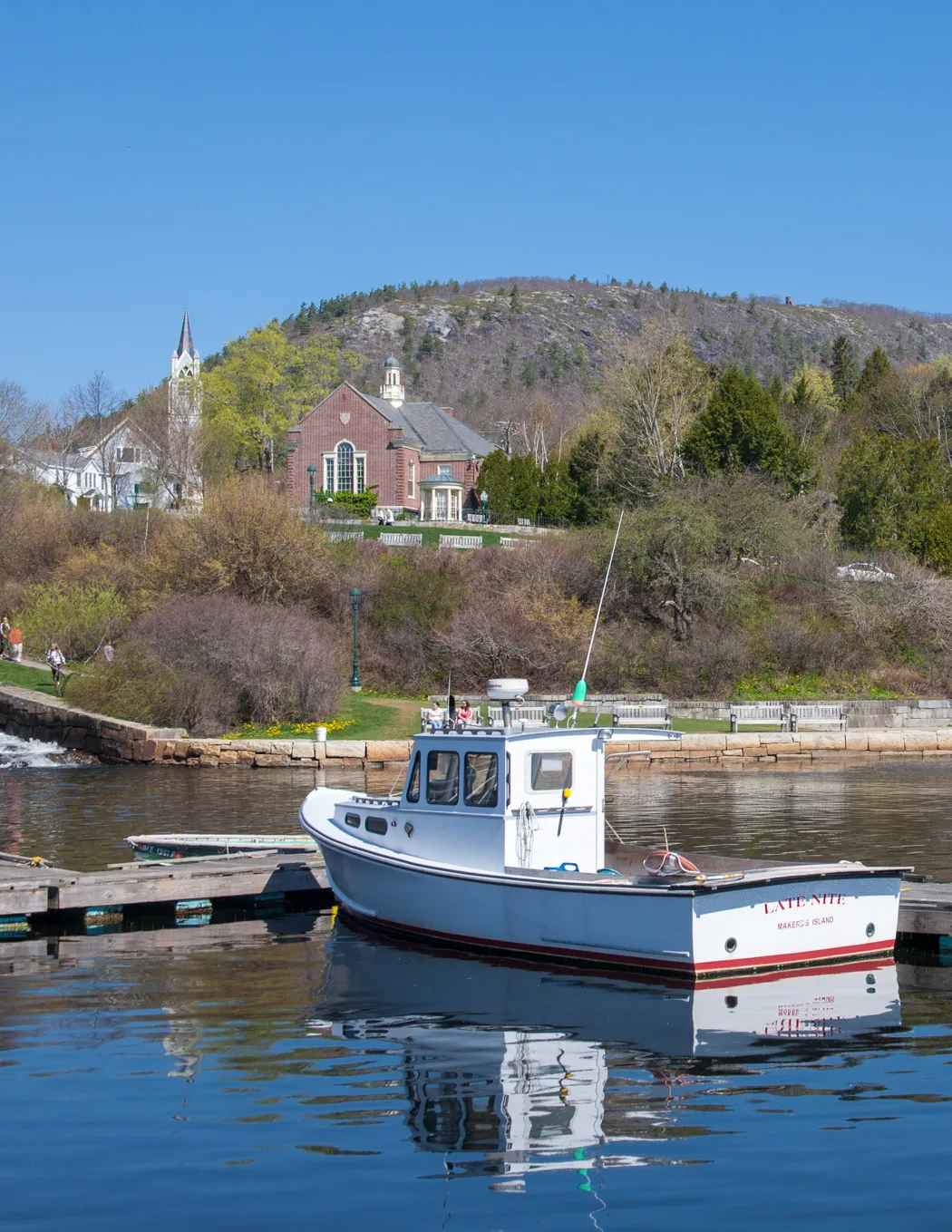
In Camden Hills State Park, the auto road closes for the winter, which means the 0.6-mile Megunticook trail approach is the way up. From the summit, you look straight down on Camden harbor with the schooner fleet wintered over and Penobscot Bay frozen in close to shore. About 2 hours round trip. Pack microspikes for the upper section.
Bradbury Mountain
Bradbury Mountain State Park outside Pownal is the most accessible winter hike from greater Portland. The Summit Trail is 0.3 miles, and several longer loops circle through hardwoods. Bald eagles often circle over the summit in March. Microspikes are useful but not always necessary on the main trail.
Acadia Carriage Roads
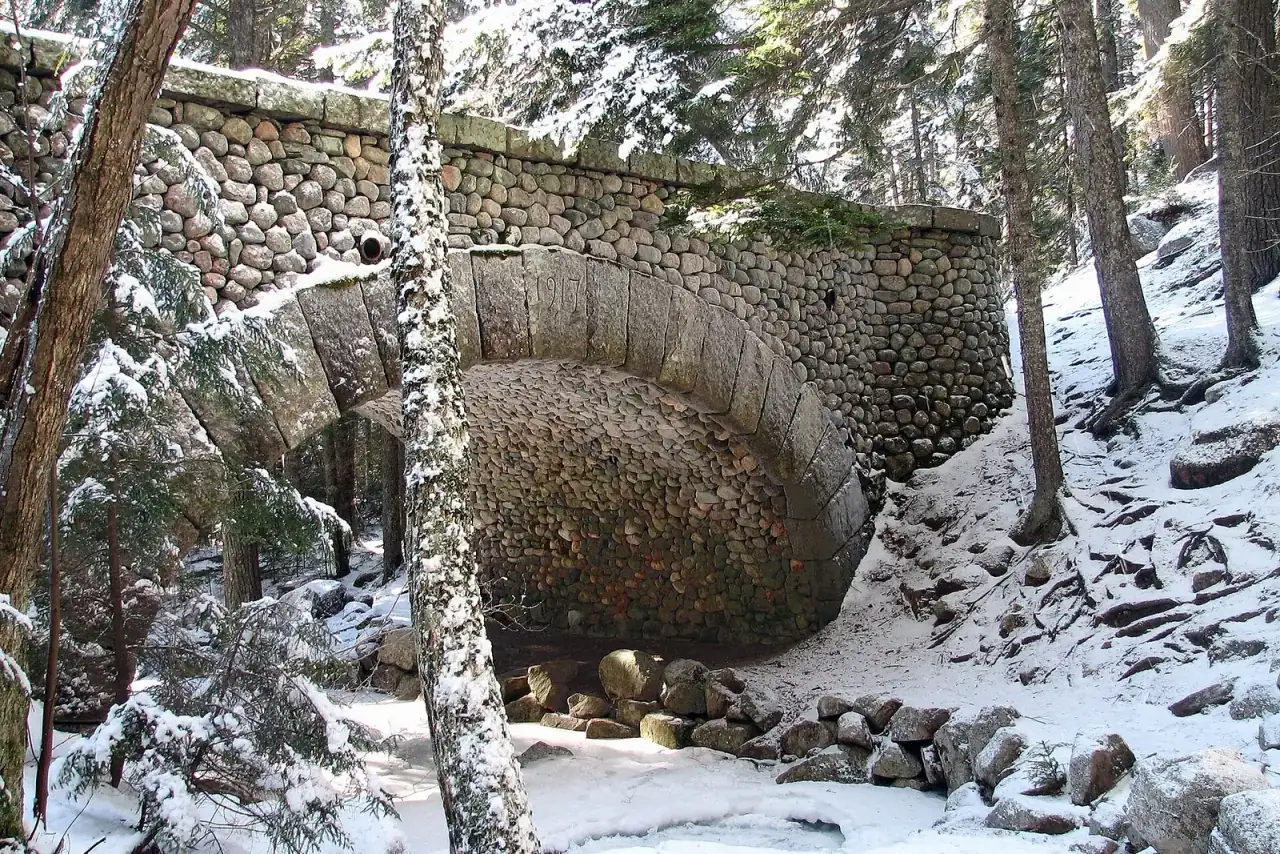
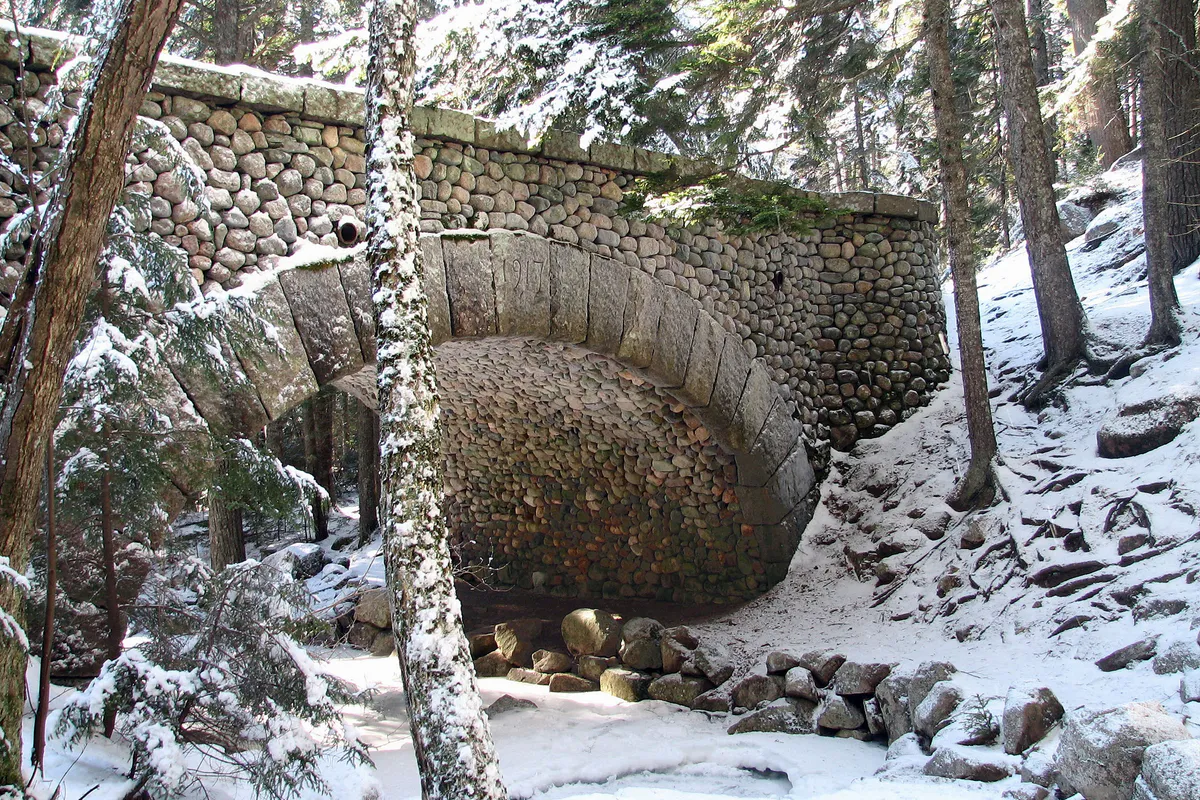
45 miles of crushed-stone carriage roads in Acadia National Park, maintained for winter recreation. When there is snow, they are groomed for skiing. When there is ice or no snow, they are perfect for microspike walking. Cobblestone Bridge, Aunt Betty Pond loop, and the Eagle Lake circuit are local favorites. Park entry is free in winter.
Tumbledown Mountain
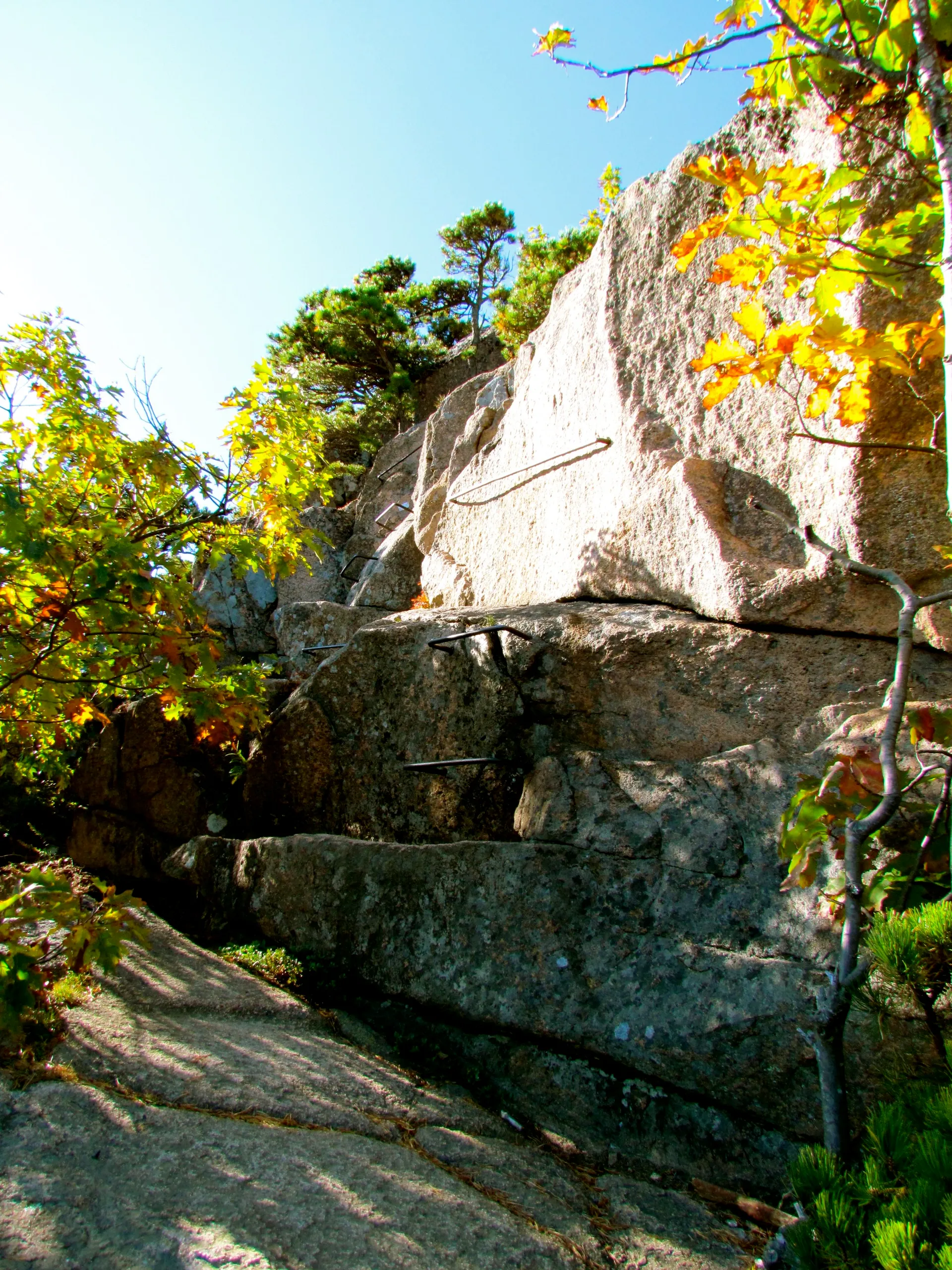
A western Maine favorite that turns hard in winter. The Brook Trail to the pond at the cirque is reasonable for experienced winter hikers in the right conditions. The Loop Trail and chimney section are not. Tumbledown can have avalanche-prone slopes after warm-cold cycles; do not push it without experience. Snowshoes are mandatory after fresh snow.
Snowshoeing
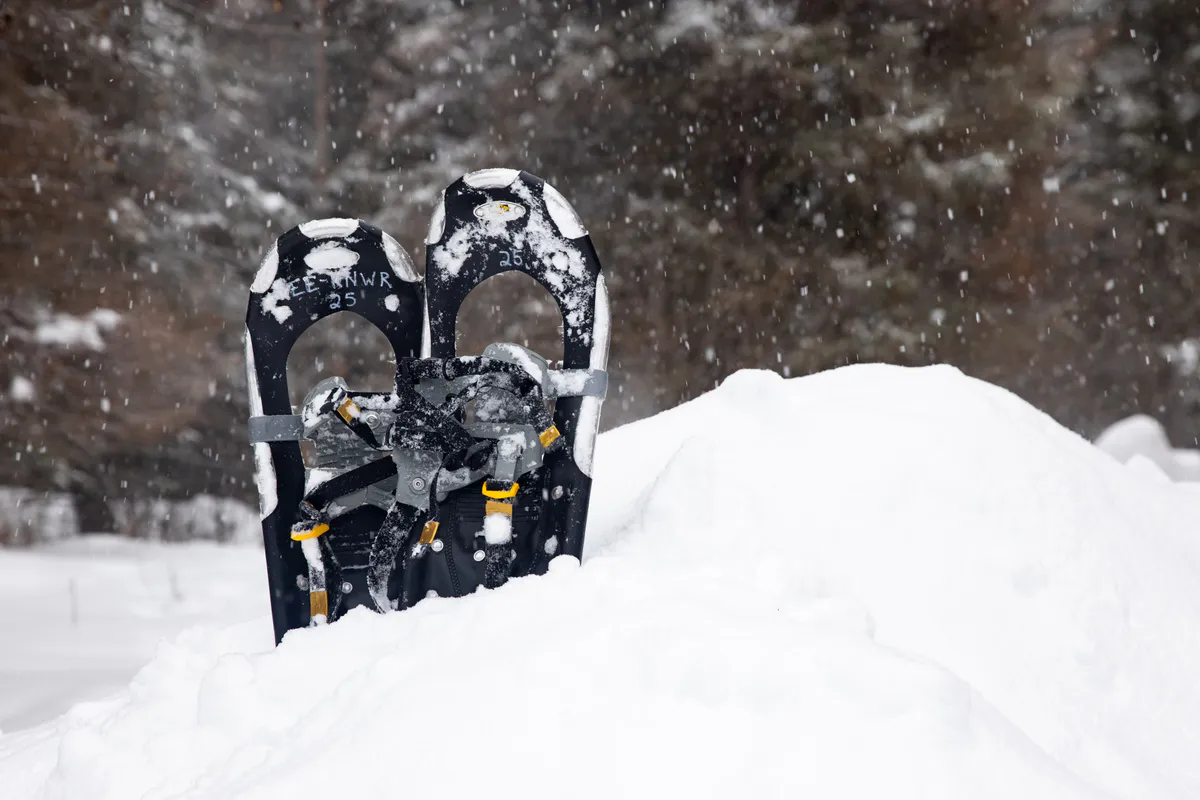
If you have not snowshoed before, modern aluminum snowshoes are intuitive and easy. You can rent at any outdoor shop in Bethel, Rangeley, Greenville, Bar Harbor, or Portland. Plan on $20 a day.
Acadia for snowshoeing
Acadia National Park has miles of carriage roads and easy trails that are ideal for first-time snowshoers when there is enough snow. Eagle Lake loop (6 miles) and Witch Hole Pond loop (3.3 miles) are both flat and well-marked. Park is free in winter. Almost no other people. Worth the drive from Portland.
Sugarloaf and Carrabassett Valley trails
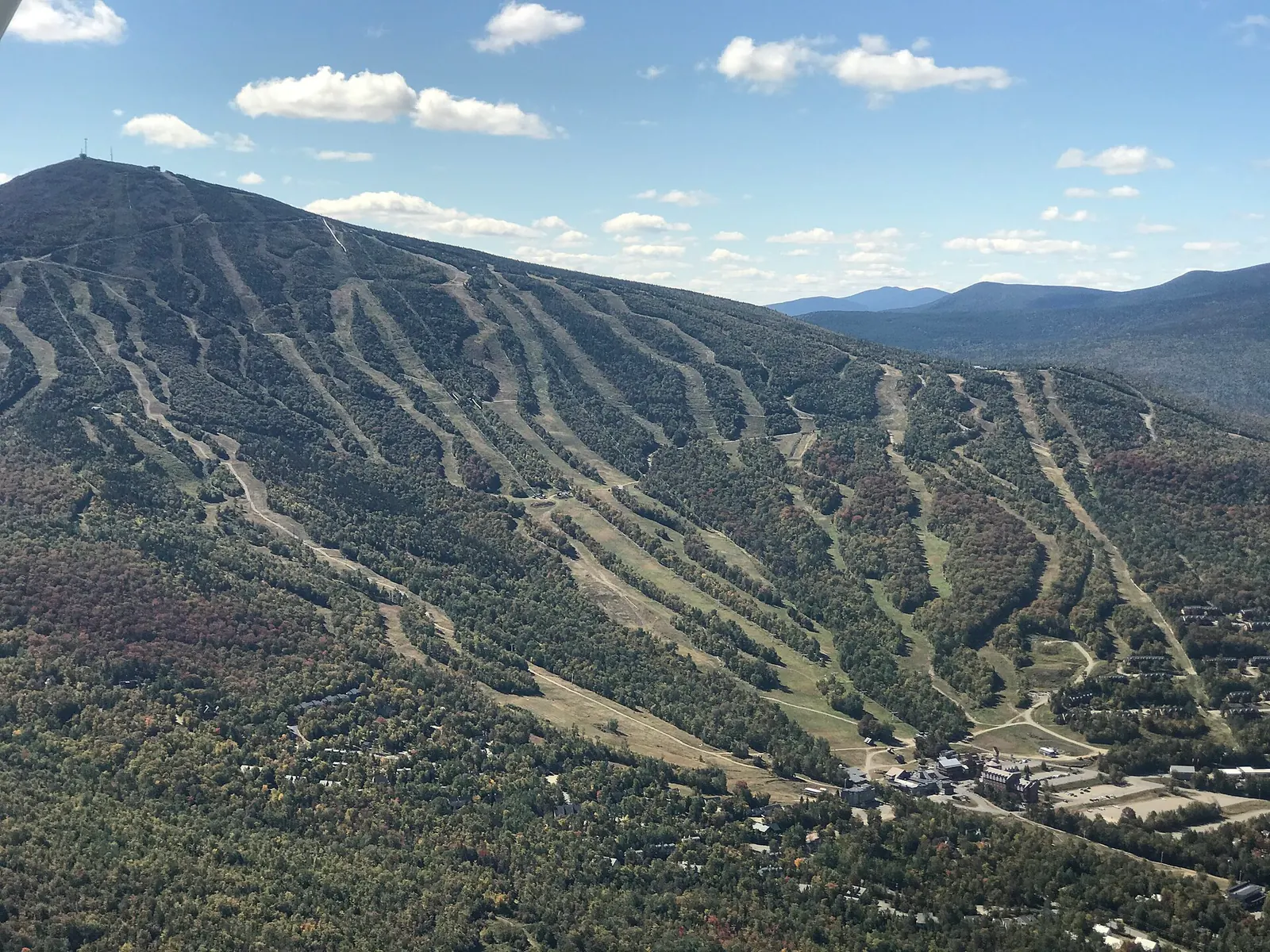
The Carrabassett Outdoor Association maintains a network of multi-use winter trails around Sugarloaf and the Sugarloaf Outdoor Center. Snowshoe-specific trails branch off the main XC network. Day pass at the Outdoor Center is around $25 and gets you both snowshoe and XC access.
Snowshoe-in to Baxter State Park
The most ambitious entry on this list. Baxter closes its gates for the winter. Day-use is by permit only and you snowshoe or ski in from the gates. Daicey Pond and Kidney Pond are achievable as long day-trips for fit snowshoers. Multi-day trips into Russell Pond or Chimney Pond require winter camping skill, full backcountry kit, and respect for the rules. Read the Baxter winter use guidelines before you plan anything.
Cross-Country Skiing
Maine has world-class XC skiing. The terrain, the snow consistency, and the trail network in the western mountains rival anything in New England. Pick a center, get a trail pass, and rent skis if you do not own them.
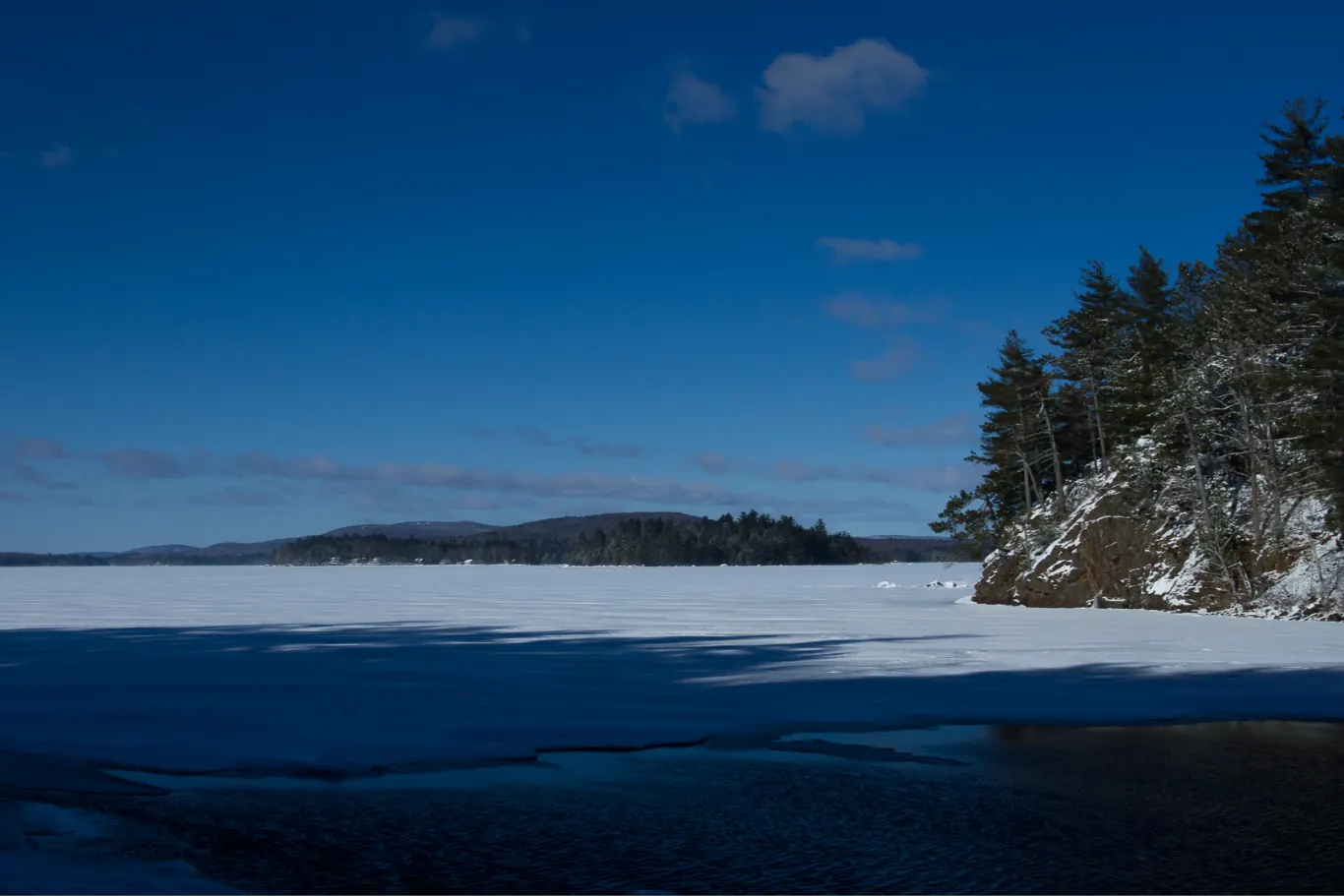
Rangeley area
The Rangeley Lakes Trails Center has 55+ kilometers of groomed trails connecting through the Rangeley Lakes region. Trails go through hardwoods, along lakeshores, and out to backcountry warming huts. Trail passes around $20 a day. Rentals at the lodge.
Carrabassett Valley
The Sugarloaf Outdoor Center maintains 90 kilometers of groomed XC trails through the Bigelow foothills. The terrain ranges from flat beginner loops to multi-hour intermediate routes that connect to the Bigelow Preserve. One of the largest networks in New England.
Pineland Farms (New Gloucester)
Closer to Portland: 30 kilometers of groomed trails on a working dairy farm. Open to the public, with rentals, lessons, and a cafeteria. Day pass around $22. The most accessible XC operation in southern Maine.
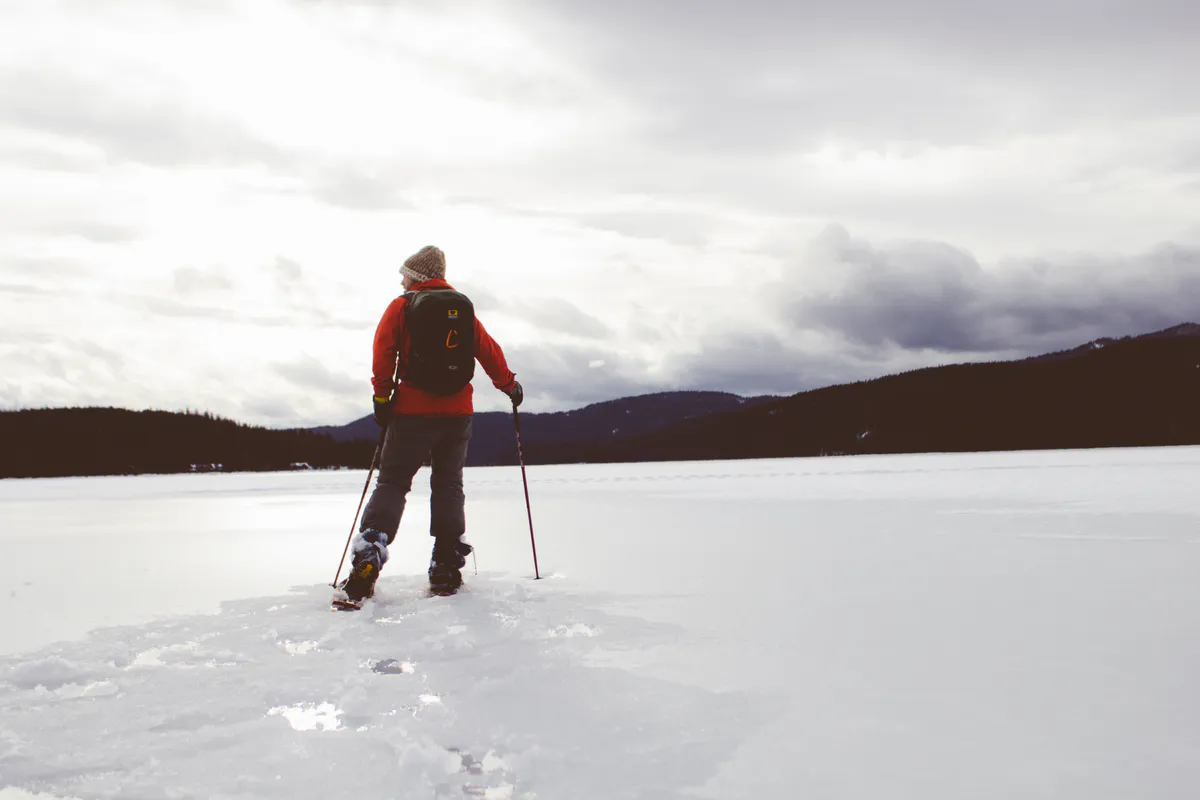
Wildlife Watching in Winter
Less competition for viewing spots, more visible wildlife (no leaves, snow shows tracks, animals are visible against white).
Snowy owls appear along the coast and around large open areas during irruption years. The salt marshes south of Portland and farms in central Maine are reliable, especially January and February. Birders post sightings to ebird.org in real time.
Bald eagles congregate along the open coast where the water does not freeze. The mid-coast around Damariscotta, Boothbay Harbor, and the Penobscot River below Bangor regularly host dozens of wintering eagles. Bring binoculars and stop at any open-water inlet.
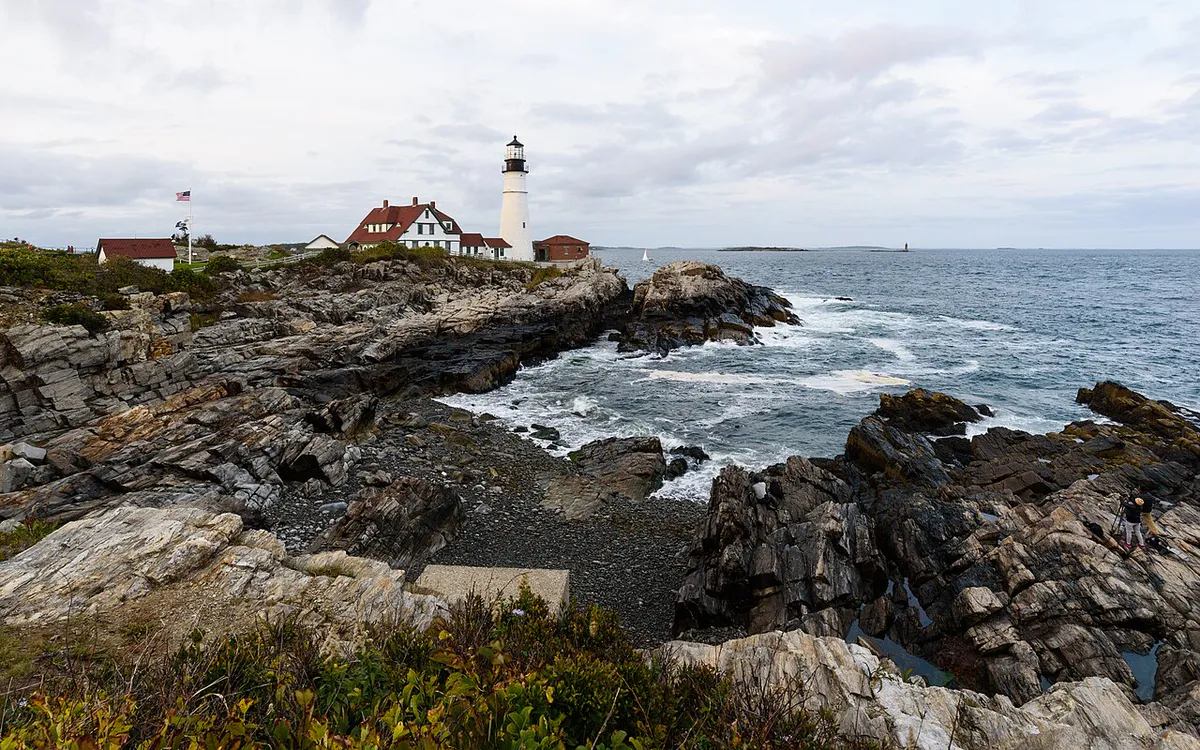
Harbor seals haul out on rocks and ice along the coast all winter. Marshall Point Lighthouse area, Reid State Park, and the rocks off Pemaquid Point are good spots. Keep your distance; do not let dogs approach.
Ice Fishing
Maine ice fishing season runs roughly January through March. You need a fishing license ($25 for a 1-day, $43 for a season for residents and $11 to $64 for non-residents depending on length). General law lakes (most lakes) are open for ice fishing. Some lakes and ponds are closed in winter; check the Maine IF&W winter rules.
Sebago Lake
Maine’s deepest lake and one of the most reliable winter fisheries. Lake trout (togue) and landlocked salmon are the main targets. The shallows around Frye Island and the cove at Sebago Lake State Park are common starting points. Outfitters in nearby towns rent gear and run guided trips.
Rangeley region
The lakes around Rangeley (Mooselookmeguntic, Rangeley, Cupsuptic) are famous for native brook trout and landlocked salmon. Several local guides specialize in winter trips with augers, traps, and ice shacks set up. A guide is the fast track for visitors; expect $250 to $400 a day.
Smaller ponds with bass
Most of the Belgrade Lakes (Long Pond, Great Pond, Messalonskee) and the warmwater ponds across central Maine produce yellow perch, pickerel, and largemouth bass through the ice. Easy entry-level ice fishing.
Frozen Waterfalls
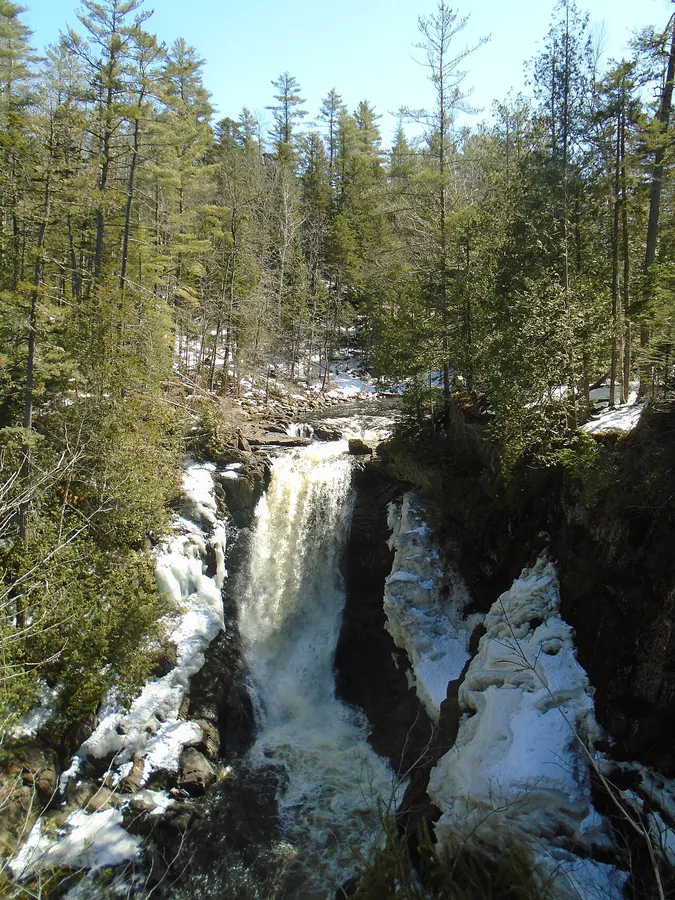
Maine waterfalls do not stop in winter. They turn into ice sculptures with running water still audible underneath. Two of the best are short walks from the road.
Moxie Falls
In the Kennebec Valley near The Forks, an easy 0.6-mile walk leads to one of Maine’s tallest waterfalls (90 feet). In winter the cliff walls behind the falls become massive ice formations. The falls themselves usually keep flowing in the center. Microspikes essential. Park at the Lake Moxie Road trailhead.
Screw Auger Falls
In Grafton Notch State Park on Route 26. Roadside access (0.1 mile from the lot). The chasm and granite gorges below the falls are ice-carved year round, but in deep winter the rim and overhangs build up dramatic ice columns. Park is open year-round; small day-use fee in the iron pipe.
Other ice formations
Dunn Falls and the cascades along the Mahoosuc range routinely build technical ice climbing routes. If you have ice climbing experience, the Mahoosucs and the Smalls Falls cascades are local crag destinations.
Cozy Stops and Quiet Villages
Half the appeal of Maine in winter is that the touristy towns become livable again. Three coffee shops on every block, no parking war, and the locals will actually talk to you.
Camden
The harbor freezes around the schooner fleet wintered in. The hills above town give you a 360-degree winter view. Coffee at Zoot, dinner at the Helm. Quietly excellent in February.
Bar Harbor
Half of Bar Harbor closes for the winter. The half that stays open is what the town used to be: a working coastal town with a few good restaurants and a great bookstore. The empty Acadia just outside is the main reason to come.
Rangeley
A snow-belt town that lives for the winter. Snowmobile traffic on Main Street, smoke from woodstoves, the Rangeley Inn lit up at night. The base for the surrounding XC, snowshoe, and ice fishing region.
Greenville
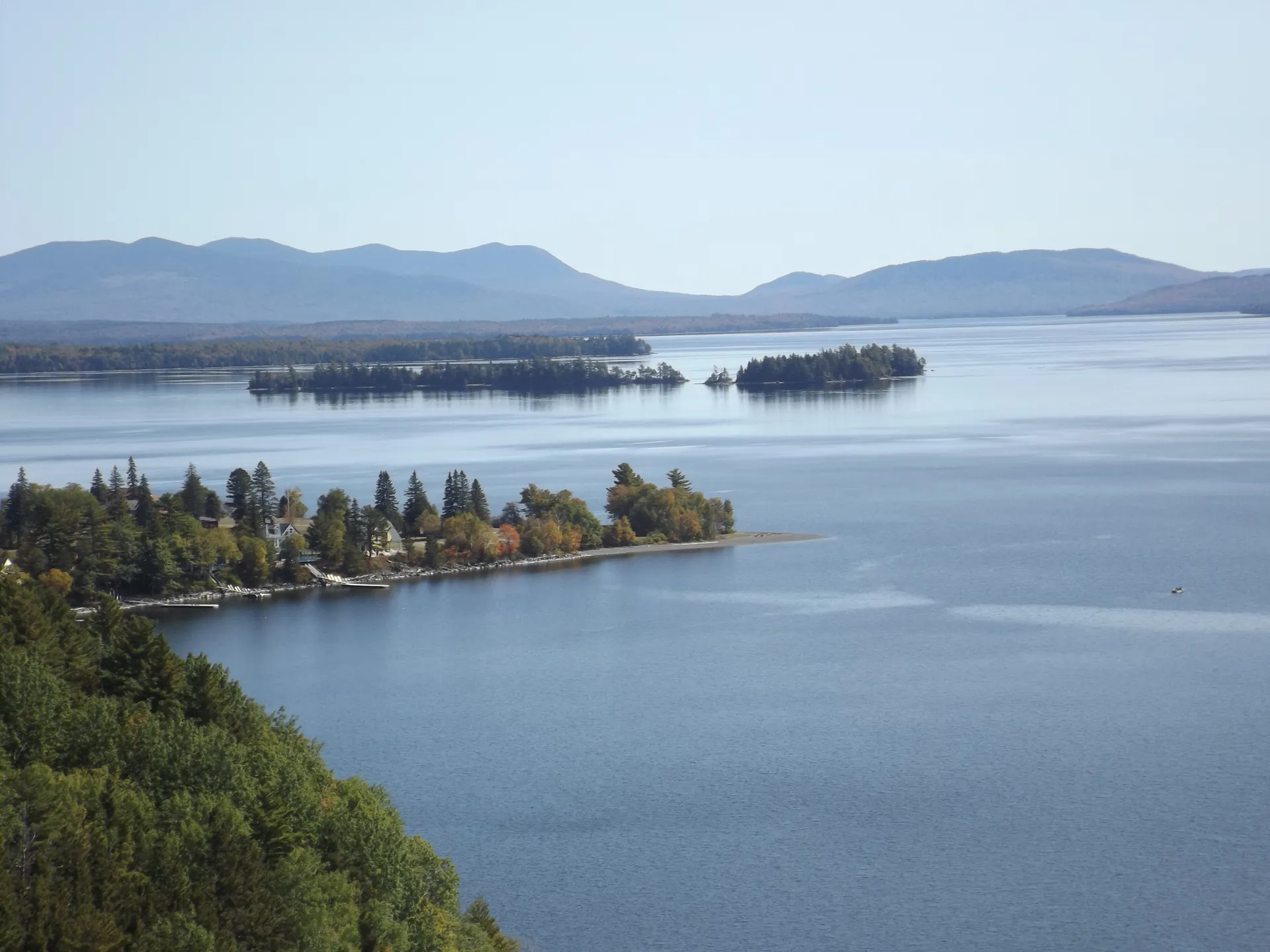
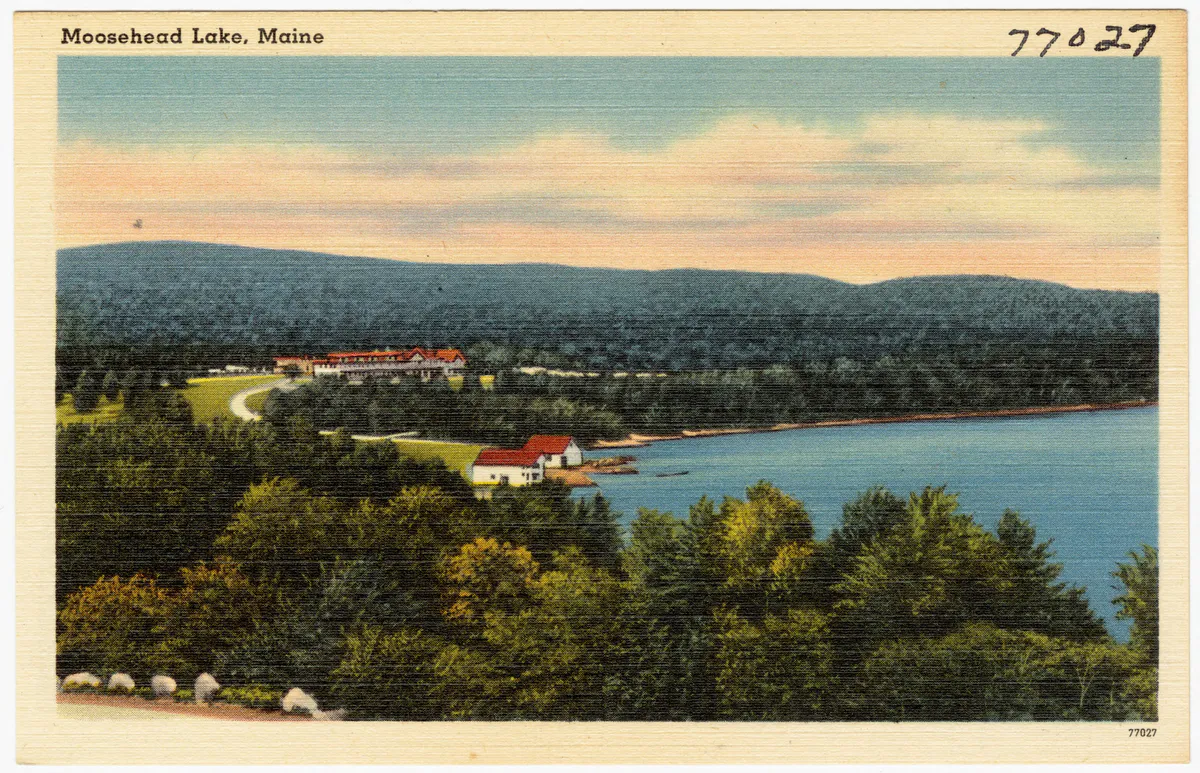
At the south end of Moosehead Lake. The lake freezes thick enough to drive a truck on. Snowmobile capital of New England. Three or four restaurants stay open year round. Stay at one of the cabin operators on the lake.
Snowmobiling
Maine has 14,500+ miles of groomed snowmobile trails (the ITS network). The trail system runs from southern New Hampshire to the Quebec border and is maintained by local clubs. You need a registered sled (rentable in Greenville, Rangeley, Jackman, and Pittsfield), helmet, and warm gear. Day rentals run $200 to $400 depending on machine.
The classic loop: Greenville to Pittston Farm to Jackman and back, with overnight at one of the trail lodges. Two-day trip with no road driving.
Fat Biking
Bikes with 4.5-inch tires that float on packed snow. The Carrabassett Outdoor Center grooms a dedicated fat-bike network connected to the same lodge as the XC trails. Day rentals around $50. Easier than it looks if you have ridden a regular mountain bike.
Bethel and the Sunday River area also have fat-bike rentals and groomed routes.
Dog Sledding and Sleigh Rides
Several outfitters in the Greenville, Bethel, and Rangeley areas run guided dog-sled rides ranging from a 1-hour intro to a multi-day expedition into the north woods. Prices start around $150 for a short ride and run into the thousands for backcountry trips. Book in advance for January-February weekends.
Sleigh rides with draft horses are easier to find: most of the cross-country touring centers and a number of farms in the Sebago region run them.
When to Visit
- December: Less reliable snow, especially in the south. Coast can be brutal in storms but quiet in between. Cadillac sunrise viewing is excellent.
- January: Coldest. Reliable snow in the western mountains and north. Ice fishing starts. Best for snowshoeing and XC skiing in the interior.
- February: More snow, slightly warmer days, much longer daylight than January. Best month for most winter activities.
- March: Peak snow at high elevations. Mud at low elevations on warm days. Long days. The “spring skiing” feeling. Cadillac sunrise still in the first-in-America window through early March.
- April: Mud and ice. The hardest month to plan for. Best left to seasoned locals.
Where to Stay Warm
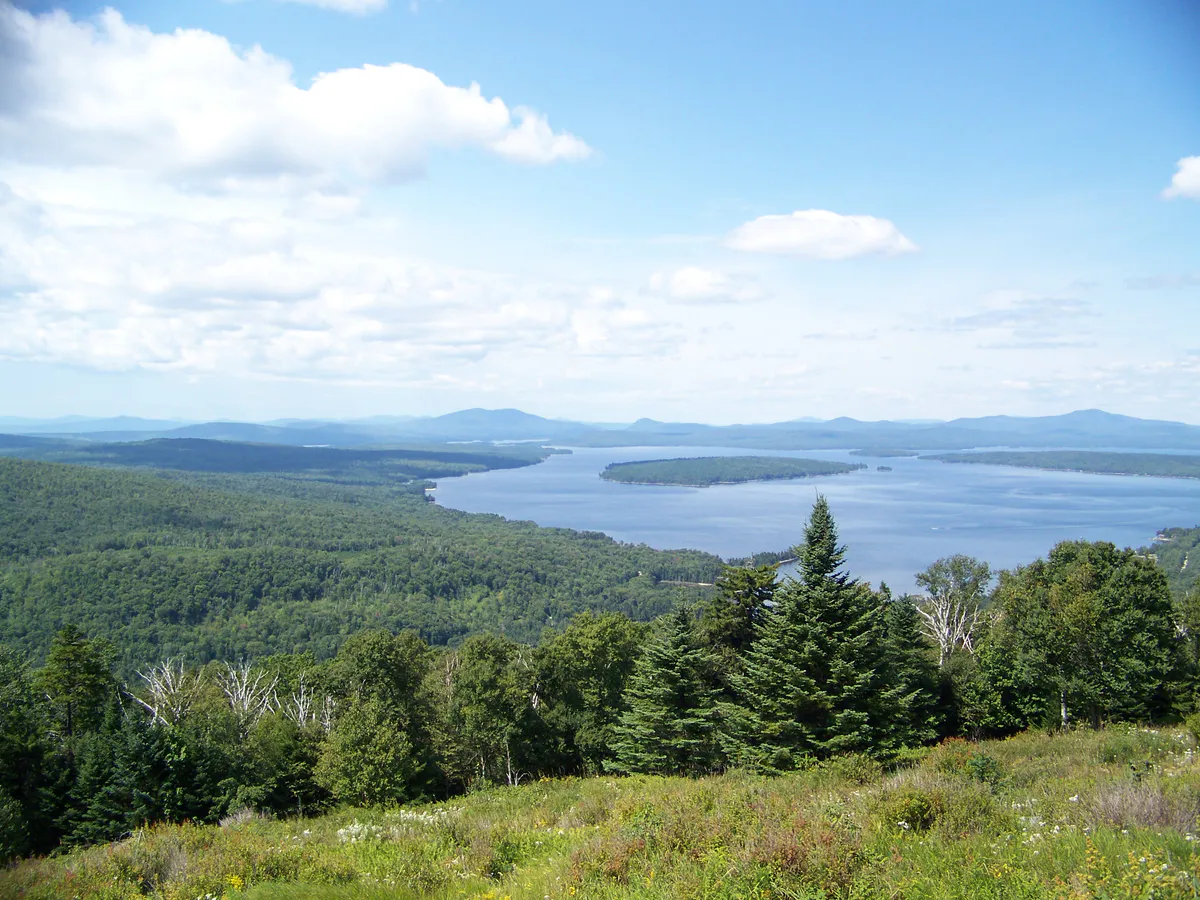
- Cabin operators on Moosehead, Rangeley, and Sebago: Lodges and individual cabins with woodstoves. Most are 1 to 3 hours from a paved road.
- Inns and small hotels in Camden, Bar Harbor, Bethel, Rangeley, Greenville: Open year-round. Often offer winter packages.
- AMC huts: The Appalachian Mountain Club operates several lodges, including Gorman Chairback in the 100-Mile Wilderness, open in winter for ski-in or snowshoe-in stays.
Gear to Rent Locally
Skip shipping winter gear from away. Local rental shops have everything dialed for Maine conditions.
- Snowshoes: Any outdoor shop in Bethel, Rangeley, Greenville, Bar Harbor, or Portland. $15 to $25 a day.
- XC skis: At the Sugarloaf Outdoor Center, Pineland Farms, and Rangeley Lakes Trails Center. Around $25 a day.
- Fat bikes: Carrabassett Outdoor Center and Bethel Outdoor Adventure. $50 a day.
- Microspikes: Buy these. Around $70. You will use them every Maine winter for the rest of your life. Black Diamond and Kahtoola are the standards.
The single best non-skier weekend in Maine is Sugarloaf Outdoor Center for fat biking and XC, dinner in Carrabassett Valley, then drive Route 17 the next morning to Height of Land and on into Rangeley for an afternoon snowshoe. You can do it in 36 hours from Portland and you will see no lift lines.
Is Acadia National Park open in winter?
Yes. The park is open year-round and entry is free in winter (the entrance fee only applies May 1 to October 31). The Park Loop Road, Cadillac Summit Road, and several side roads close in winter, but most trails, the carriage roads, and Sand Beach Road remain accessible. The carriage roads are groomed for cross-country skiing when snow allows.
How cold does it get in Maine in winter?
Coastal Maine averages 20 to 35°F daytime in January with regular dips below 10°F. Inland and northern Maine sees 0 to 25°F daytime with overnight lows often -10 to -20°F. The western mountains get colder. Wind makes it feel much worse.
Are restaurants open in winter?
In larger towns (Bar Harbor, Camden, Portland, Bethel, Rangeley, Greenville) yes, though many seasonal places close from November to May. The bigger ski resort towns (Bethel/Sunday River, Carrabassett Valley/Sugarloaf) stay fully open. Small coastal villages can be sparse for dining; check ahead.
Are roads in northern Maine open in winter?
State and federal highways stay plowed. The Golden Road and most logging roads are not consistently maintained for passenger cars and may close. Baxter State Park gates close. Cadillac Summit Road closes for snow. Route 16 across the Bigelow region and Route 27 to Coburn Gore are kept open year-round but can have whiteout conditions in storms.
Do I need special tires?
Yes. Dedicated winter tires are strongly recommended for any drive into the mountains or north of Augusta. All-seasons are not equivalent. State law does not require winter tires but it does require the ability to control your vehicle in conditions, and Maine winter conditions are demanding.
What is the warmest place in Maine in winter?
The southern coast (Kittery to Portland) averages a few degrees warmer than the rest of the state. Portland and Kennebunkport get the most moderate winter weather. Mt. Desert Island and the Schoodic area are also relatively mild for being so far north because of the ocean influence.
Can I see moose in winter?
Yes, but you have to work for it. Moose yard up in conifer thickets to escape deep snow. Tracking is the most reliable way to find them. The areas around Greenville, Jackman, and the western mountains have the best chance, especially after fresh snow when tracks are obvious. See our moose guide for more.