




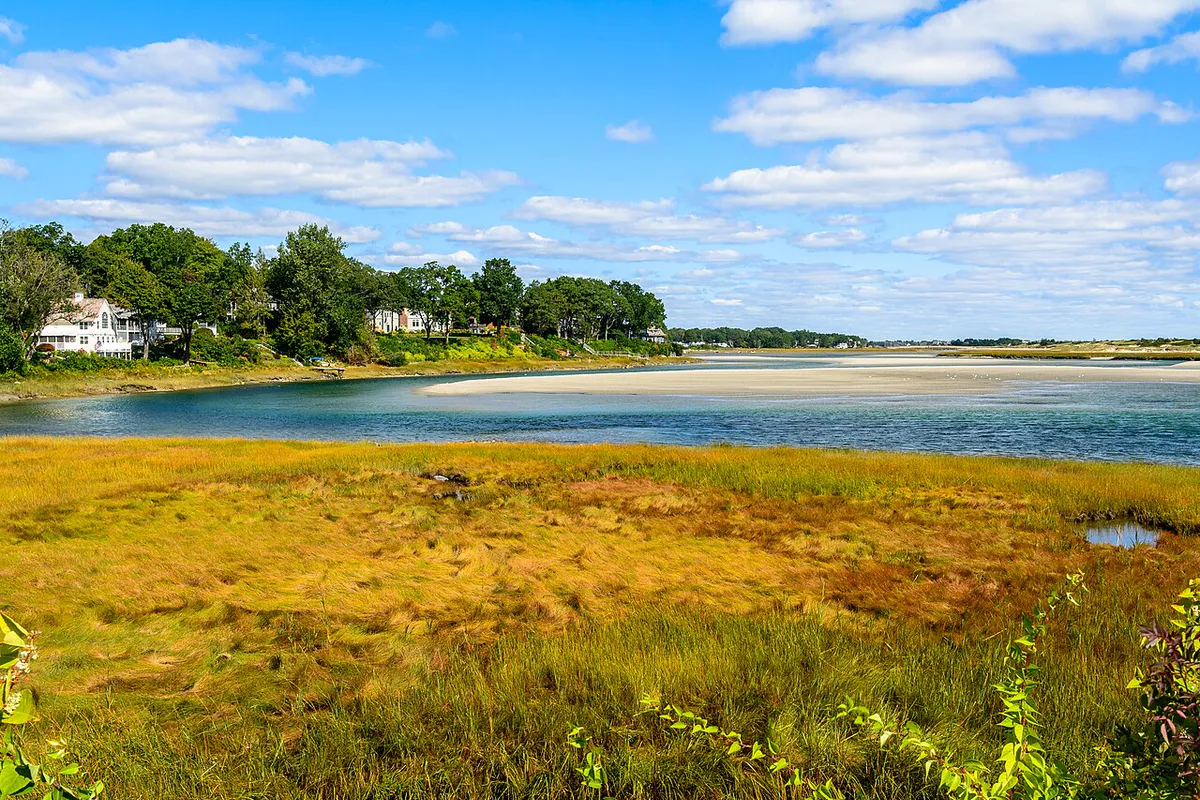
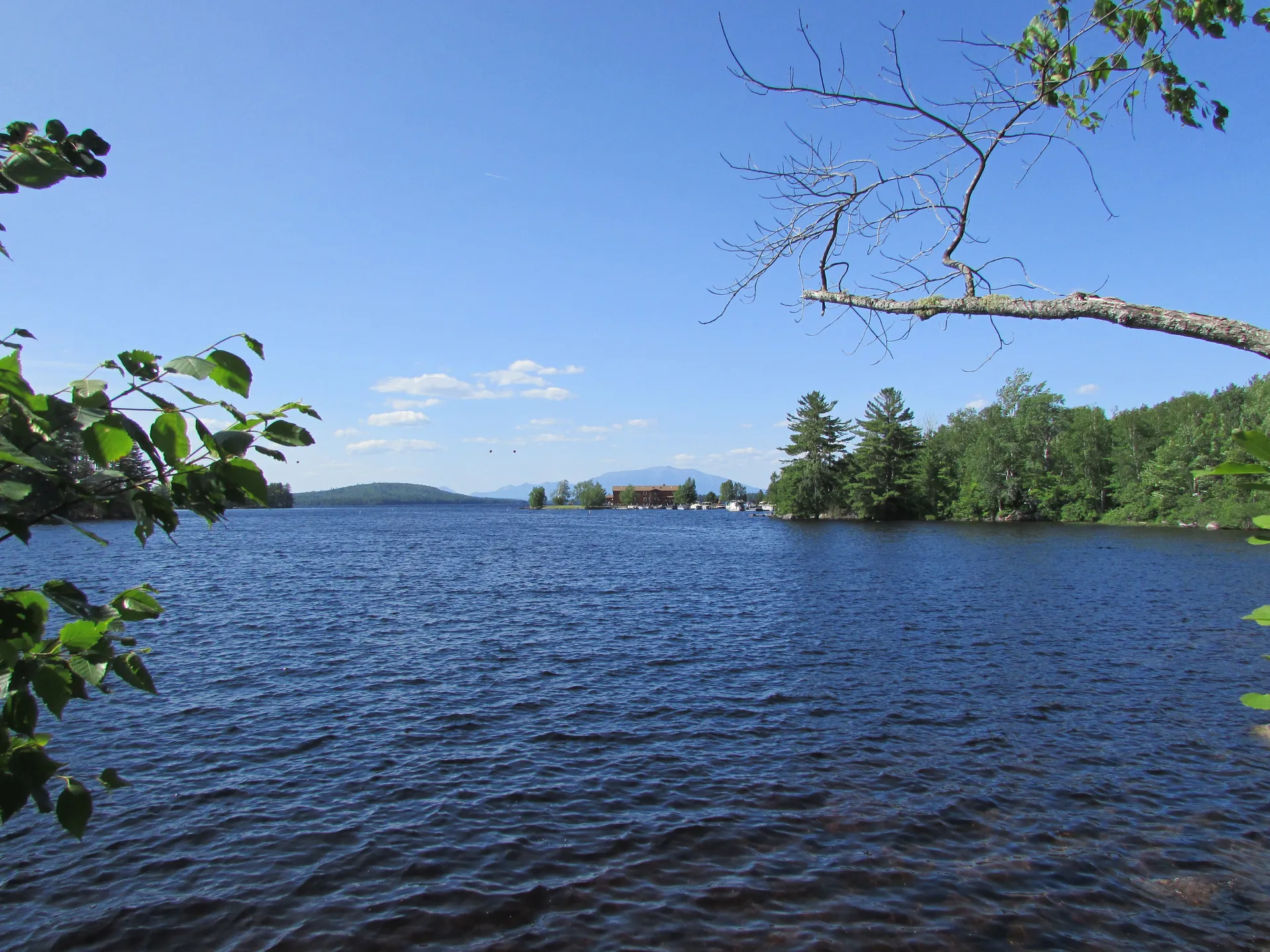
Paddle boarding fits Maine lakes almost suspiciously well. The water is calm in the morning, the shorelines are long and interesting, and a board lets you poke into the marshy coves where loons and herons spend their time. Then Maine adds its own conditions. The water in June is still cold enough to take your breath if you fall in. The put-ins are granite and gravel, not sand. And half the best lakes are a long drive down a camp road, which means your board rides in a packed car next to coolers and dogs.
That set of conditions is exactly why we steer almost everyone toward an inflatable. A quality inflatable SUP shrugs off the rocky launches that gouge fiberglass boards, deflates into a duffel that fits in a trunk or a camp loft, and gives up surprisingly little stability to a hard board on flat water. Unless you plan to race, the inflatable is the right call for Maine lakes.
This guide covers the two boards we recommend, the PFD that Maine law expects you to have, and the dry bag that saves your phone. Boards share the same accessory logic as kayaks, so our Maine kayaking gear guide is the companion read if you paddle both.
| Gear | Price | Best For | Type | Rating |
|---|---|---|---|---|
| Budget | All-around lake board | Paddle Board | 4.5 | |
| Budget | Nervous beginners | Paddle Board | 4.3 | |
| Budget | Paddling PFD | PFD | 4.6 | |
| 20L Roll-Top Dry BagSearch Amazon | Budget | Phone and keys | Dry Bag | 4.4 |
Maine lake water stays cold well into summer. In early June, surface temperatures on deep lakes like Moosehead and Rangeley can still be in the 50s, cold enough to cause an involuntary gasp if you fall in. Wear your PFD, wear your leash, and save the early season for shallow ponds that warm up first.
What Makes a Good Lake Board
Board shopping gets simpler once you know that almost everything on a spec sheet serves one of two goals: stability or glide. For Maine lake paddling, weight the decision toward stability.
Width is the stability number. A board around 32 to 34 inches wide gives a beginner a steady platform and still moves fine. Narrower boards glide better and wobble more. On cold Maine water, wobble has a real cost, so err wide.
Length around 10 to 11 feet is the lake sweet spot. Shorter boards turn easily but wander off line. Longer touring boards track beautifully and are overkill until you start doing full crossings.
Inflation pressure matters more than brand marketing. An inflatable paddled at low pressure folds in the middle like a taco. Pump to the pressure printed on the board, which takes longer than you expect with a hand pump. The stiffness difference is dramatic.
The kit is part of the value. Both boards below arrive with a paddle, a pump, a leash, a fin, and a carry bag. The included paddles are heavy aluminum, and upgrading the paddle later is the single best improvement you can make to a Budget board.
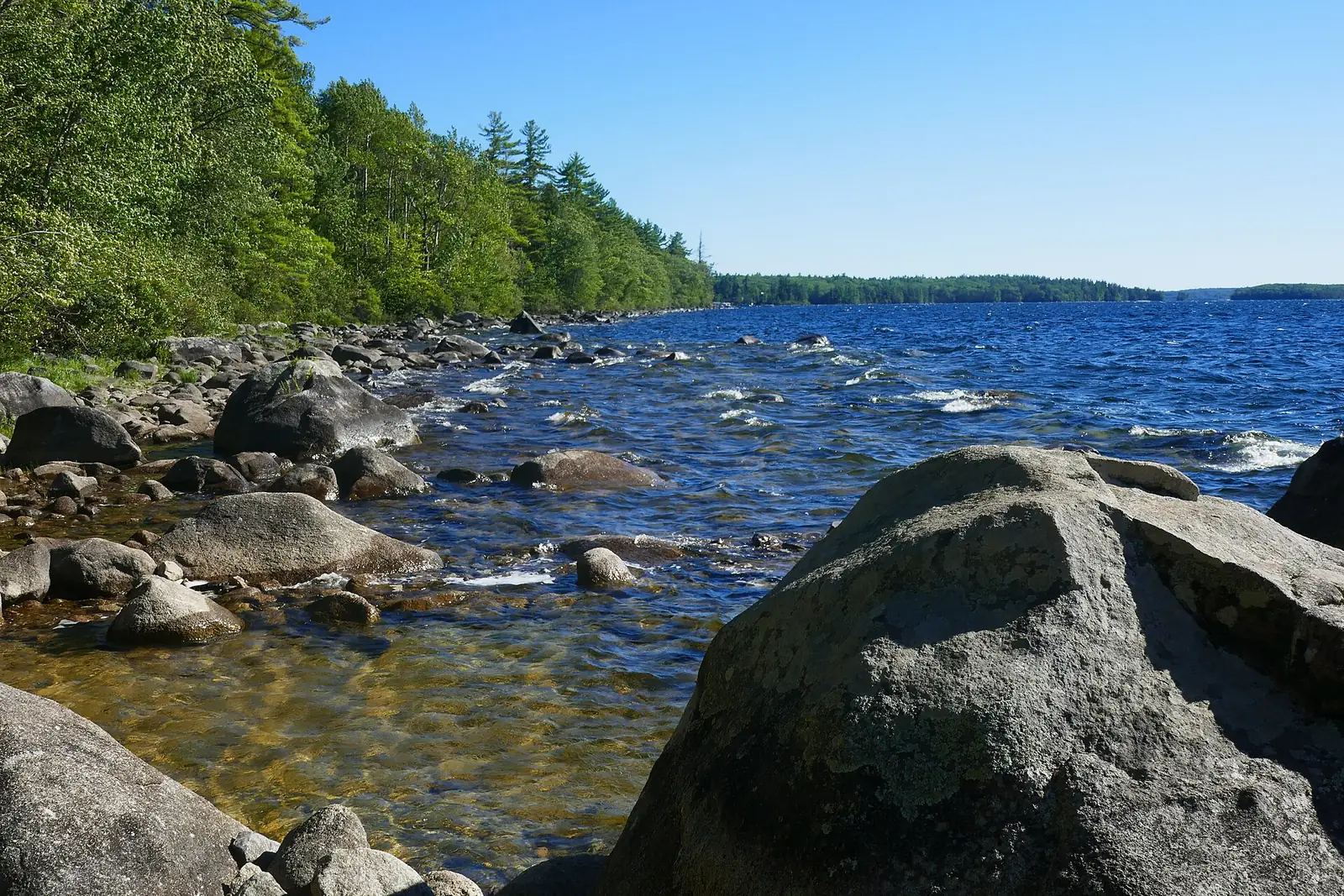
The Boards and Gear We Recommend
Roc Inflatable Stand Up Paddle Board 10’6 - The Everywhere Board
Budget
Roc Inflatable Stand Up Paddle Board
Who it’s forBest all-around inflatable SUP for Maine lakes
Why we picked itComplete kit with paddle, pump, leash, and carry bag
Pros
- Stable enough for first-timers on calm water
- Rigid when fully inflated
- Packs into a car trunk for camp trips
Know before you buy
- Included paddle is heavy
- Slower than touring boards on long crossings
The Roc 10’6 is the board we suggest when someone asks for one answer instead of a comparison. It is wide enough that most adults stand up and stay up on their first outing, rigid enough at full pressure to feel like a real board rather than a pool toy, and the kit includes the paddle, pump, leash, fin, and bag, so the price on the listing is the whole price of getting on the water.
Where it earns the everywhere-board title is versatility. It is at home on a glassy morning at Great Pond, handles the light chop an afternoon breeze kicks up, and carries a small cooler or a kid on the nose without getting tippy. The bungee rigging on the deck holds a dry bag and sandals. Deflated, it packs small enough to live in a camp loft all summer or ride to a rental cabin in a hatchback.
The compromises are the standard Budget-board ones. The included aluminum paddle is heavy, and after a couple of hours your shoulders will know it. The board prioritizes stability, so paddlers who get hooked and start wanting to cover miles will eventually crave something narrower and faster. Neither issue matters for the first season or three. For most Maine lake paddlers, this board is not the starter. It is the board, period.
SereneLife Inflatable Stand Up Paddle Board - The Confidence Board
Budget
SereneLife Inflatable Stand Up Paddle Board
Who it’s forWide stable board for beginners
Why we picked itWide deck that forgives shaky balance
Pros
- Soft top is comfortable for kneeling and for dogs
- Full accessory kit included
- Easy for one person to carry inflated
Know before you buy
- Wide shape plows in wind
- Tracking needs frequent paddle-side switches
The SereneLife is the board for the person who is not sure about this whole standing-on-water idea. The deck is wide and the soft top is grippy and comfortable, which makes it as friendly to kneel on as to stand on. Plenty of owners spend their first outing kneeling, find their balance, and stand up halfway through. This board is built for exactly that progression. The soft deck also makes it the better choice if a dog is joining you, and on Maine lakes a dog usually is.
Like the Roc, it arrives as a complete kit, and the whole package weighs little enough that one person carries the inflated board from car to water without drama. On a protected cove at Sebago or a quiet stretch of Megunticook, it is a calm, steady platform that lets a new paddler think about the loons instead of their balance.
The trade for all that width is performance in wind. A breezy afternoon pushes the SereneLife around, and holding a straight line takes more frequent side switching than a sleeker board demands. The fix is the same advice we give for every board on this page: paddle mornings. Maine lake wind builds after lunch, and the glassy first hours of the day are the best paddling anyway.
Onyx MoveVent Dynamic - The PFD You Will Actually Wear
Budget
Onyx MoveVent Dynamic Paddle Sports Life Vest
Who it’s forBest PFD for paddle boarding
Why we picked itCut high for full arm rotation while paddling
Pros
- Vented mesh stays cool in summer
- USCG-approved
- Comfortable enough that you actually wear it
Know before you buy
- Light on pocket space
- Sizing between models takes attention
A paddle board outside a marked swim area is legally a vessel in Maine, and that means a USCG-approved PFD must be on board for every paddler. Young kids must wear theirs. The law aside, the PFD conversation on a SUP is really about comfort, because an uncomfortable vest ends up bungeed to the deck where it helps nobody.
The Onyx MoveVent Dynamic is built for paddlers specifically. The arm openings are cut high so a full paddle stroke does not chafe, and the back panel is vented mesh, which matters on a board where you are standing in direct July sun instead of sitting in a shaded cockpit. It is light, it adjusts to fit over a swimsuit or a fleece, and it disappears from your attention within the first ten minutes. That last part is the entire game. The best PFD is the one you forget you are wearing, because that is the one that is on your body when you hit the water.
Pocket space is minimal, so your phone goes in the dry bag, not the vest. And check the size chart before ordering, since paddling vests fit closer than the boxy foam vests that come to mind from summer camp.
20L Roll-Top Dry Bag - Cheap Insurance
Budget
20L Roll-Top Dry Bag
Who it’s forKeeps phone and keys dry on the board
Why we picked itTwenty liters fits a day's essentials and cinches flat under deck rigging
Pros
- Keeps phone, keys, and a dry layer safe on deck
- Clips under the board's bungee rigging
- Doubles as camp storage
Know before you buy
- Roll-top closure only works if you roll it properly
- Not for cameras you cannot afford to test it with
Every paddle boarder eventually swims. It is part of the sport, and on a warm August afternoon at Great Pond it is half the fun. The swim only becomes expensive when your phone and car keys go in with you. A 20 liter roll-top dry bag (Search Amazon) clipped under the deck bungees solves the problem for less than the cost of a tank of gas.
The 20 liter size is the right call for a board. It swallows a phone, keys, a packable rain shell, a towel, and lunch, and it still cinches down flat under the rigging. Roll the top at least three full turns and clip it, because the roll is the seal. Done right, the bag floats with your gear dry inside even after a full capsize.
There is no single brand to chase here. Roll-top dry bags are mature, simple technology, and any well-reviewed 20 liter bag from the search results will do the job. If you also paddle a kayak, buy two and stop migrating one bag between boats.
Getting Up the First Time
Nobody needs a lesson to paddle board, but a few habits make the first outing go better. Start kneeling in the middle of the board, right over the carry handle, and paddle out past the dock chop into calm water. To stand, plant the paddle across the deck for balance, bring your feet up one at a time where your knees were, and rise looking at the shoreline instead of down at your feet. Looking down is what tips people over. Keep your knees soft, like standing in a canoe, and let your legs absorb the small wobbles instead of fighting them.
Paddle on one side a few strokes, then switch. If the board keeps curving away from your paddle side, your stroke is too far from the rail. Keep the paddle close to the board and finish the stroke at your feet, not behind you. That one fix straightens out most beginners in a single morning.
The most common inflatable SUP mistake is paddling a soft board. Pump until the gauge reads the pressure printed near the valve, even though the board feels firm long before that. The last few PSI are slow, sweaty work with a hand pump, and they are also where the stiffness comes from. A fully inflated Budget board paddles better than a half-inflated Premium one.
Where to Paddle First
Maine has more good SUP water than anyone could cover in a lifetime, but a few lakes stand out as starting points.
Great Pond in the Belgrades might be the best beginner SUP lake in the state. Warm water by midsummer, long stretches of protected shoreline, and enough camps and coves to make every outing different. Our Great Pond guide covers access points and the lay of the lake.
Sebago Lake is big water, and big water makes its own weather. Stick to the protected coves and the early morning, and it is a wonderful paddle within an easy drive of Portland.
Megunticook near Camden gives you a mountain backdrop and calm water in the same outing, with the bonus of a Camden swim and dinner afterward.
Rangeley runs colder and quieter, better suited to paddlers who already have their balance and want loons, mountains, and almost no jet ski traffic.
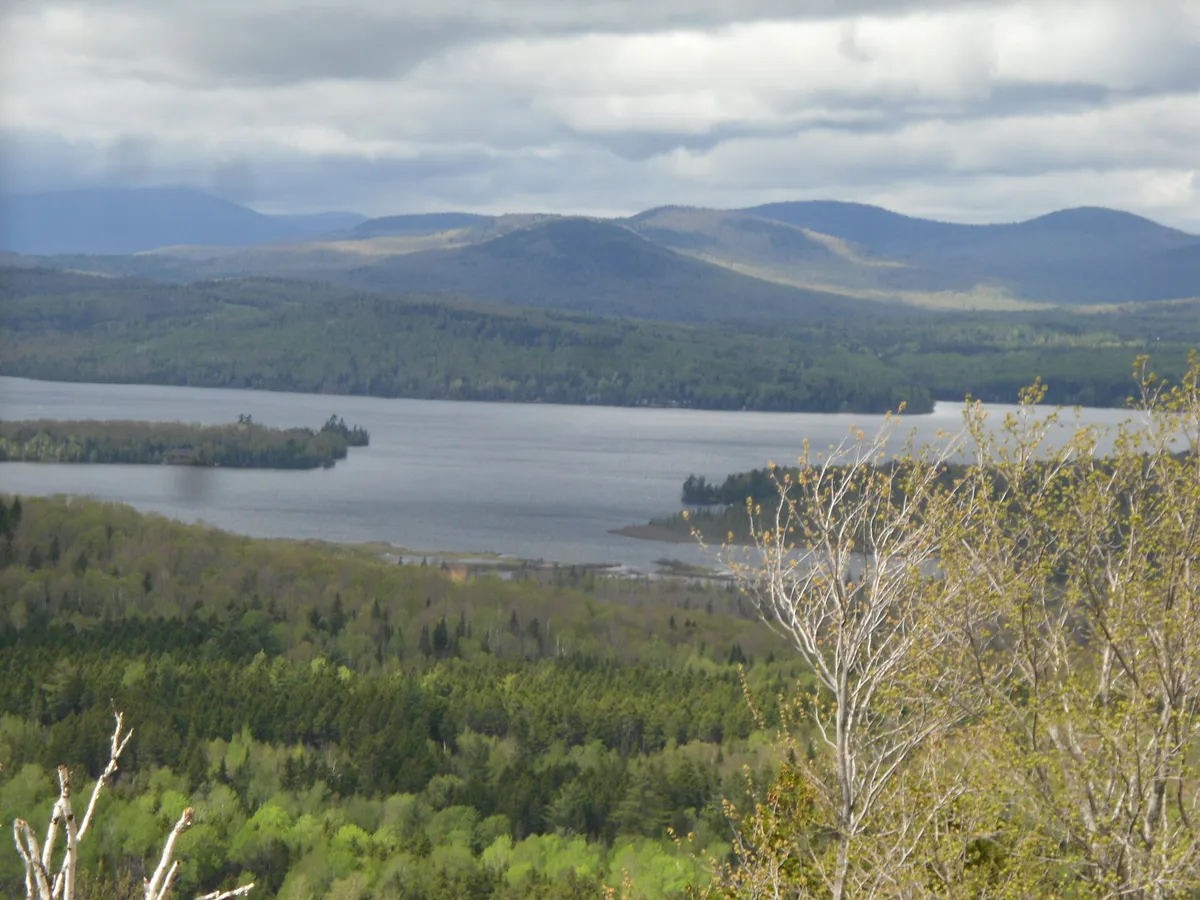
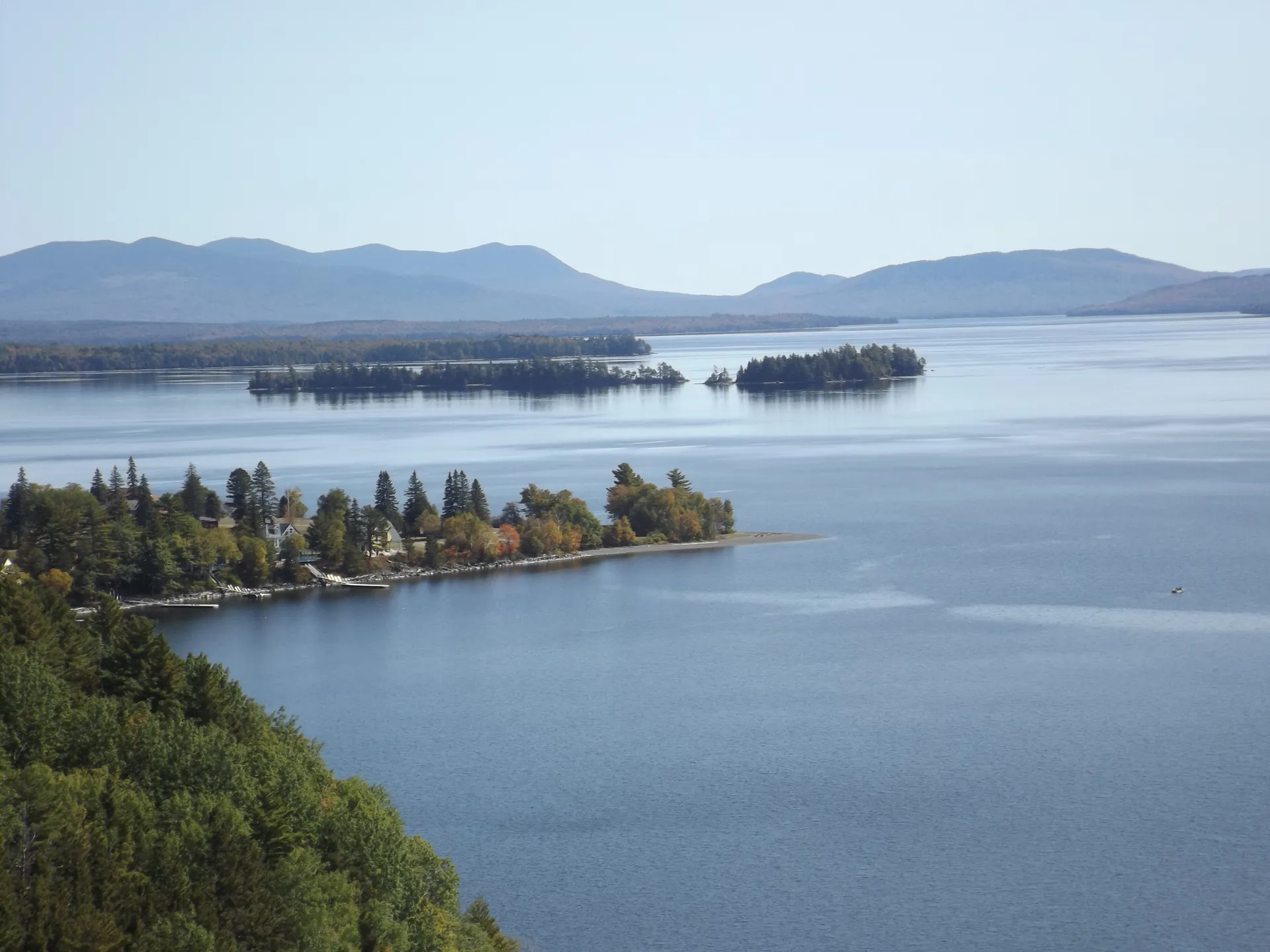
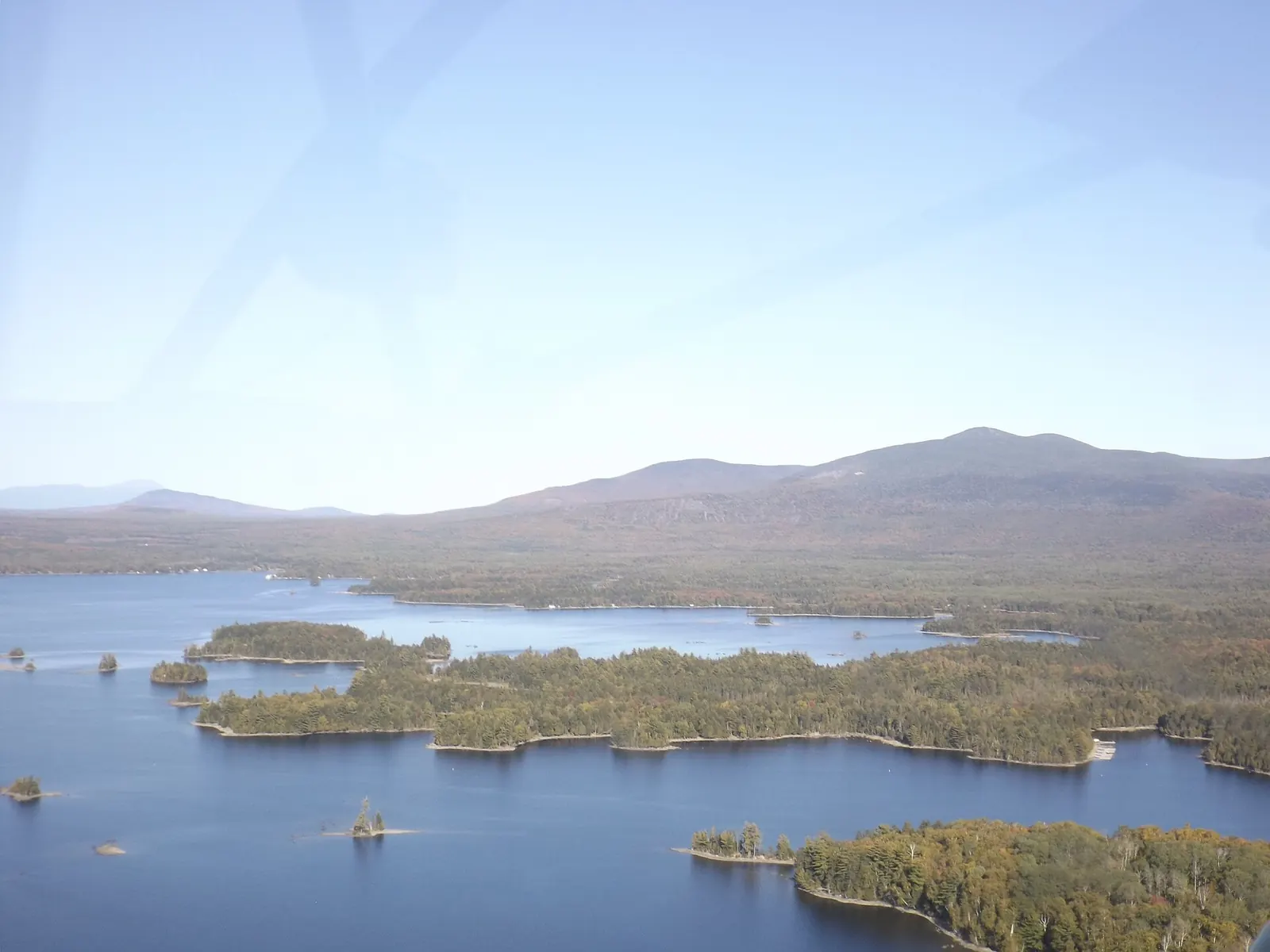
Moosehead is the advanced course. It is Maine’s largest lake, the wind builds fast, and the far shorelines are genuinely remote. Stay near shore, watch the sky, and read up on the Moosehead region before you commit to it. The reward is paddling that feels like wilderness because it is.
Many of the state’s best paddling destinations work as well for a board as a boat, so our roundup of the best kayaking spots in Maine doubles as a SUP hit list, and our paddling section has water-by-water guides.
The hour after sunrise is the whole show. The lake is glass, the loons are out, and the powerboats are still asleep. By 11 AM the wind is up and the wakes start rolling. Paddle early, swim in the afternoon. Everyone on the lake learns this schedule eventually.
Safety on Cold Maine Water
The thing that separates Maine SUP from paddle boarding in warmer states is water temperature, and it deserves plain talk. Early in the season, the air can hit 80 while deep lakes are still in the 50s. A fall feels like a slap, your breathing goes ragged for a few seconds, and your swimming ability drops fast. None of that is dangerous if you are wearing a PFD and a leash, because the leash keeps the board, a giant flotation device, within arm’s reach.
So the rules we paddle by:
What to Bring
- USCG-approved PFD on board for every paddler (Maine requires it; young kids must wear theirs)
- Leash on, every paddle, attached to your ankle or calf
- Phone in a dry bag clipped to the board
- Check the wind forecast and paddle mornings
- Stay near shore until the water warms up in July
- Tell someone which lake and when you will be back
- Whistle clipped to the PFD
- Sun protection (the lake doubles your exposure)
- Inflate to the pressure printed on the board
- Rinse and fully dry the board before rolling it up for storage
A note on storage, because inflatables fail at home more often than on the water. Dry the board completely before rolling it up, store it loosely rolled out of the sun, and check the valve and seams at the start of each season by inflating it fully the night before your first paddle. Finding a slow leak in the driveway costs nothing. Finding it a half mile off a Moosehead point costs a lot.
Do you need a life jacket on a paddle board in Maine?
Yes. Outside a marked swimming area, a paddle board is legally a vessel in Maine, so a USCG-approved PFD must be on board for every paddler, and young children must wear theirs. Carrying it lashed to the deck satisfies the letter of the law for adults, but on Maine's cold water we strongly recommend wearing it.
Are inflatable paddle boards good for rocky lakes?
They are the best choice for rocky lakes. A quality inflatable bounces off the granite and gravel put-ins that chip and gouge hard epoxy boards. Maine launches are rarely sandy, which is a big part of why we recommend inflatables for this state.
What size paddle board should a beginner get?
Around 10 to 11 feet long and 32 to 34 inches wide. That width keeps the board stable while you learn, and that length is maneuverable without wandering all over the lake. Both boards in this guide fit the recipe.
When is the water warm enough for paddle boarding in Maine?
Shallow ponds and the Belgrade lakes become comfortable by late June, and most lakes peak in late July and August. Deep lakes like Moosehead and Rangeley stay cold longer. You can paddle earlier in the season, but treat a fall as a real possibility, wear your PFD and leash, and stay close to shore.
Can you paddle board on Moosehead Lake?
Yes, and the scenery is unmatched, but treat it with respect. Moosehead is huge, the wind builds quickly, and parts of the shoreline are far from help. Stay near shore, go in the morning, and save it until you are comfortable handling chop on smaller lakes.
Do I need a leash on a lake?
Wear one anyway. A leash is not required by Maine law, but it keeps the board attached to you after a fall, and the board is the biggest piece of flotation you have. On a windy day an unleashed board blows away faster than most people can swim.