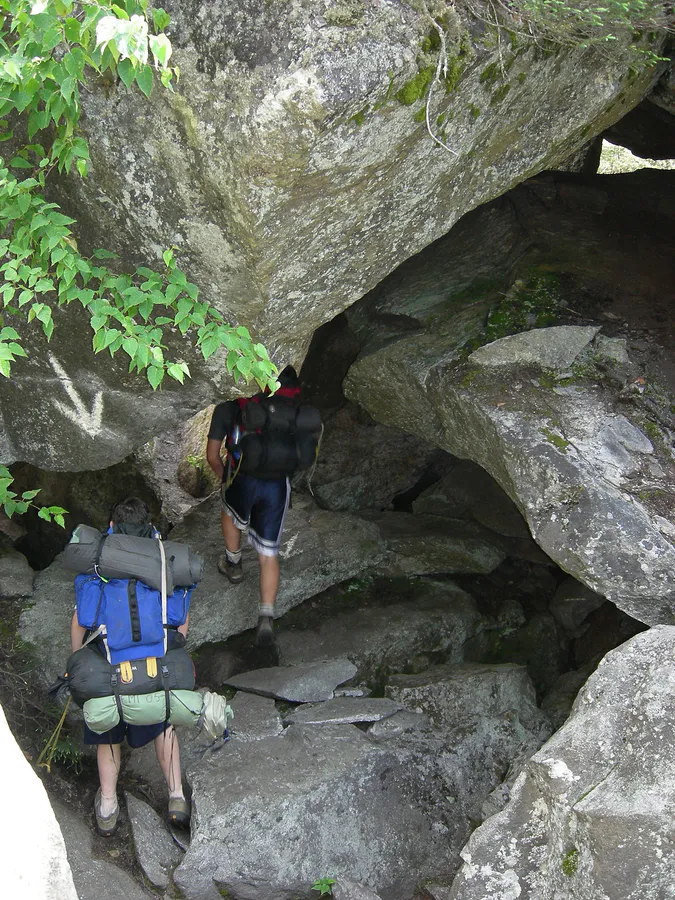
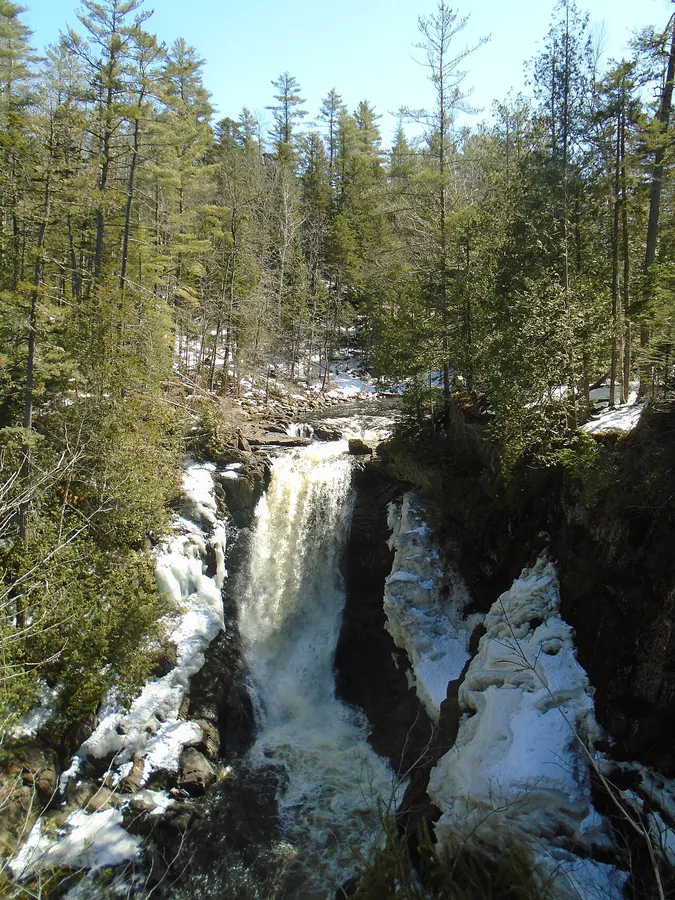
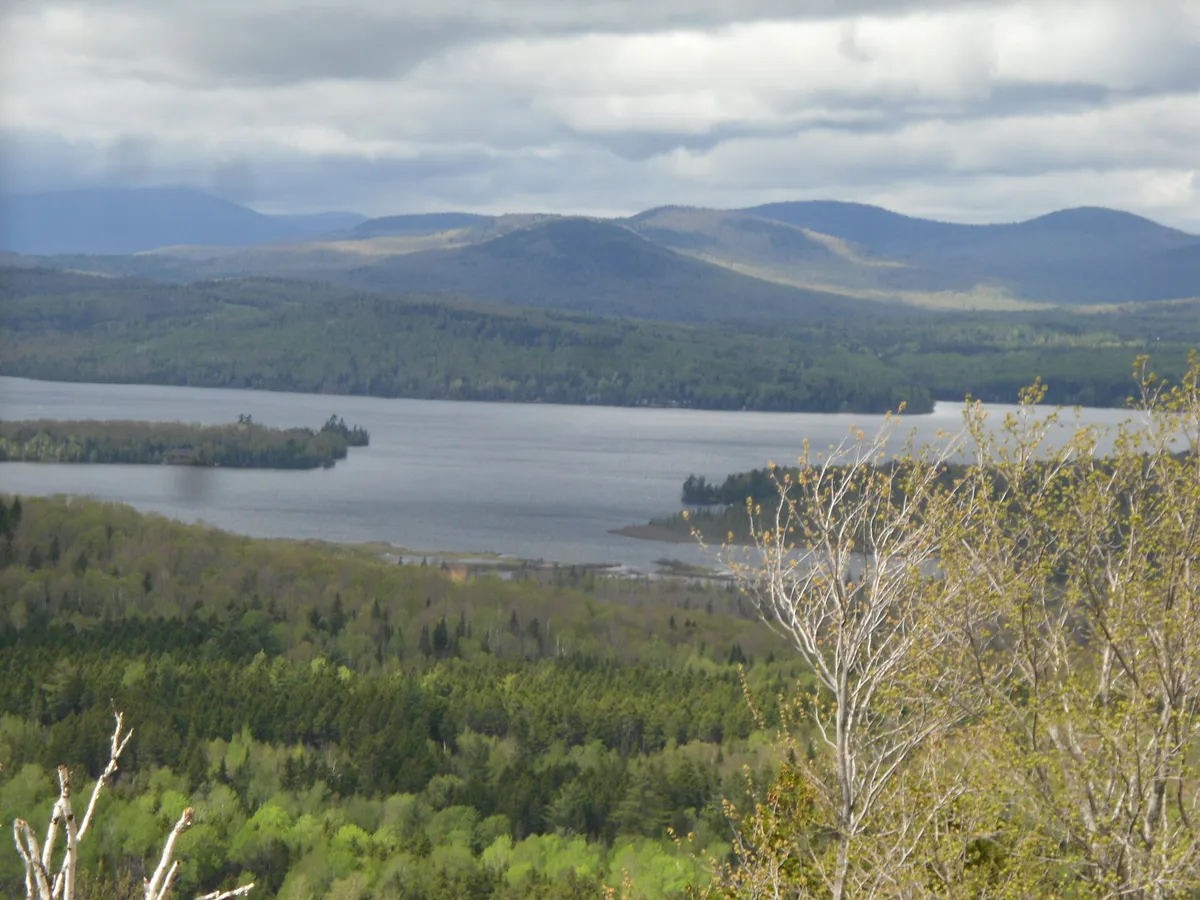
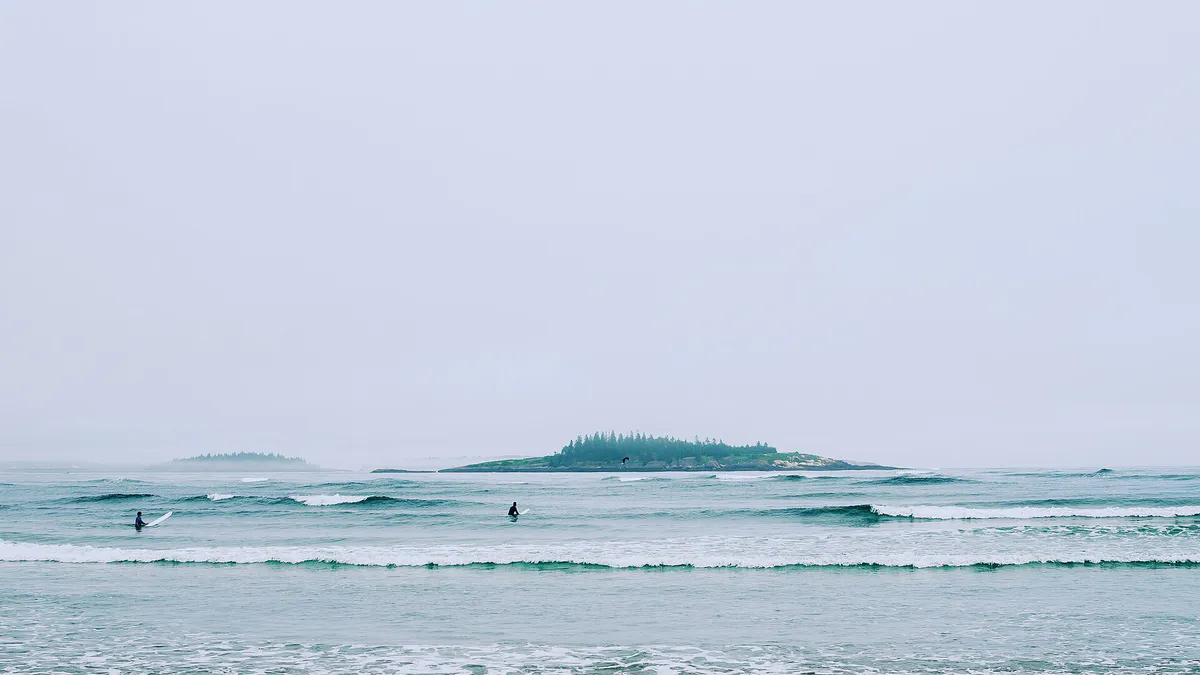
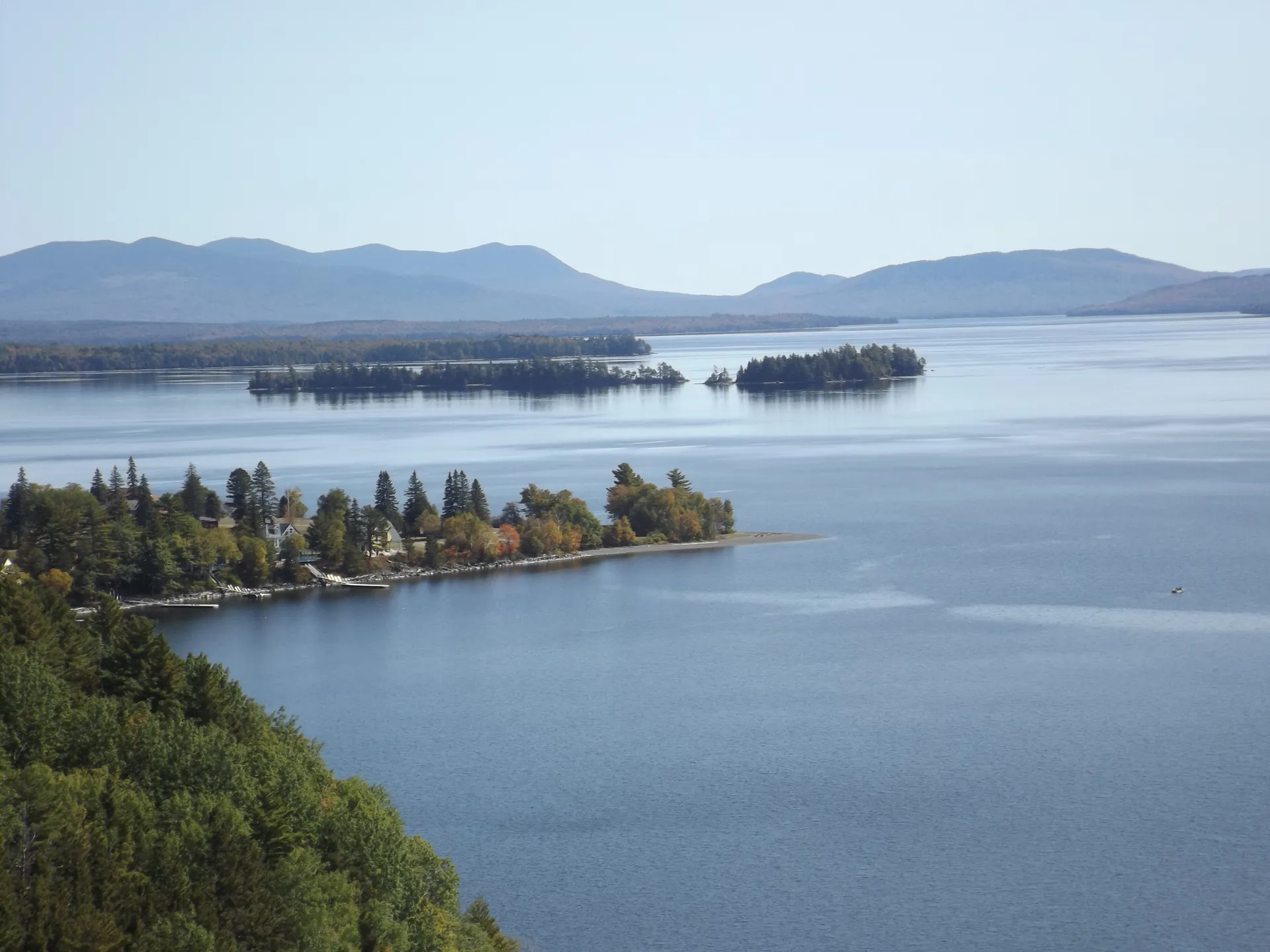

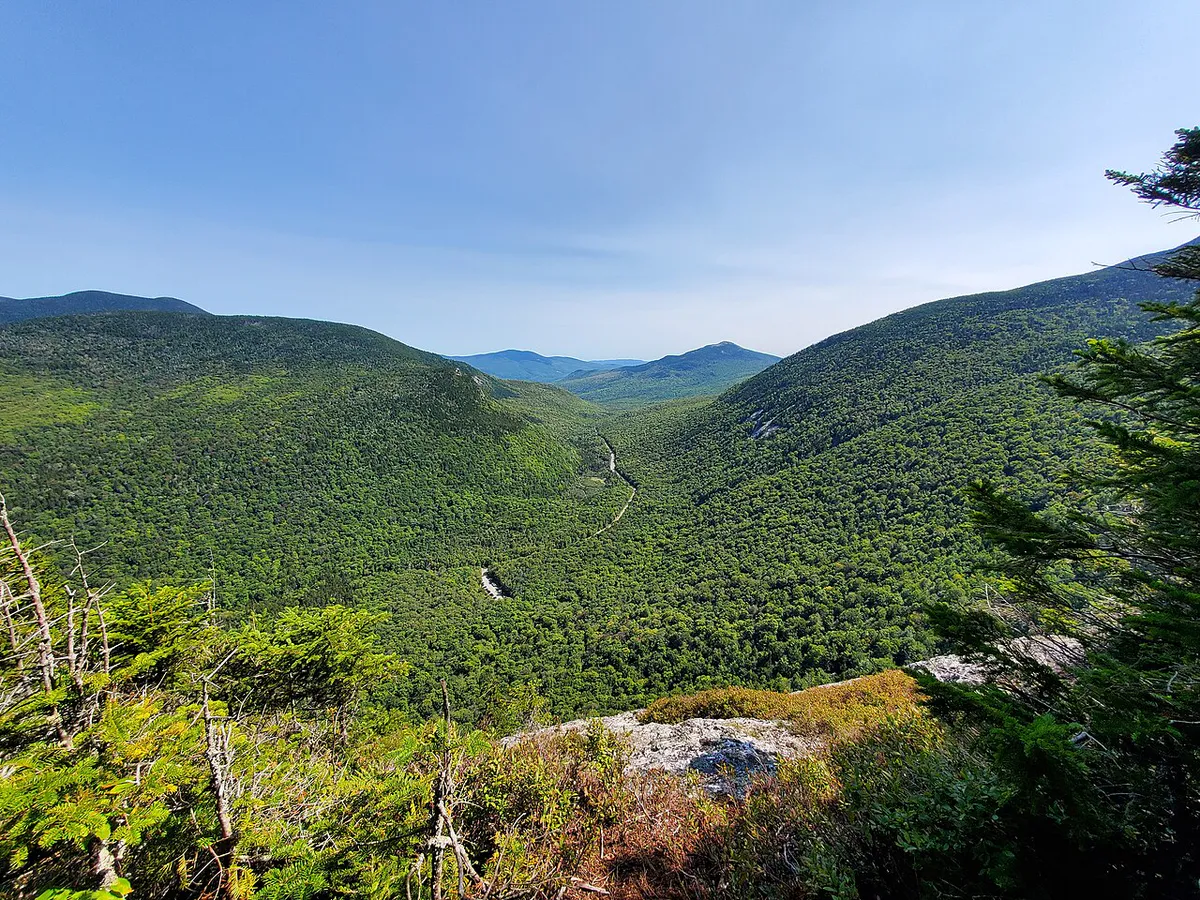
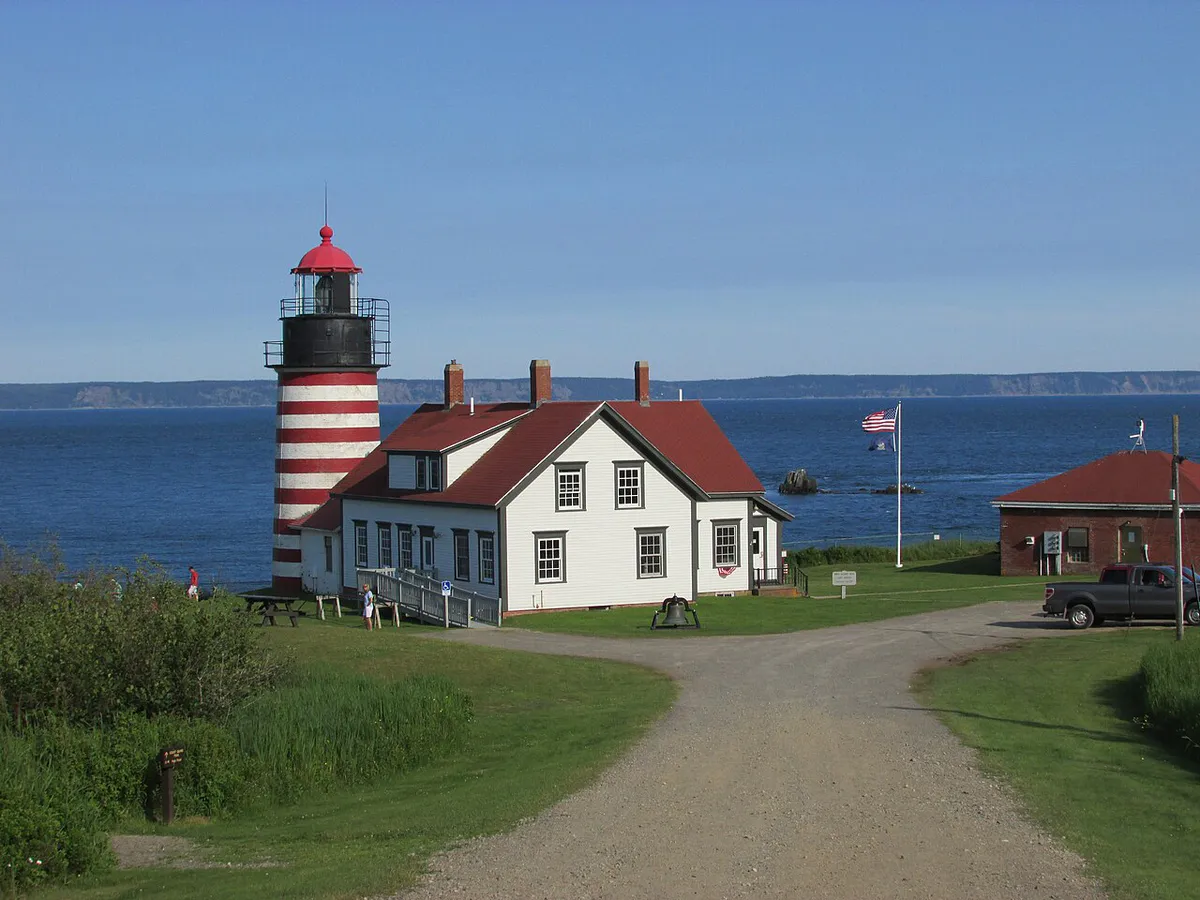
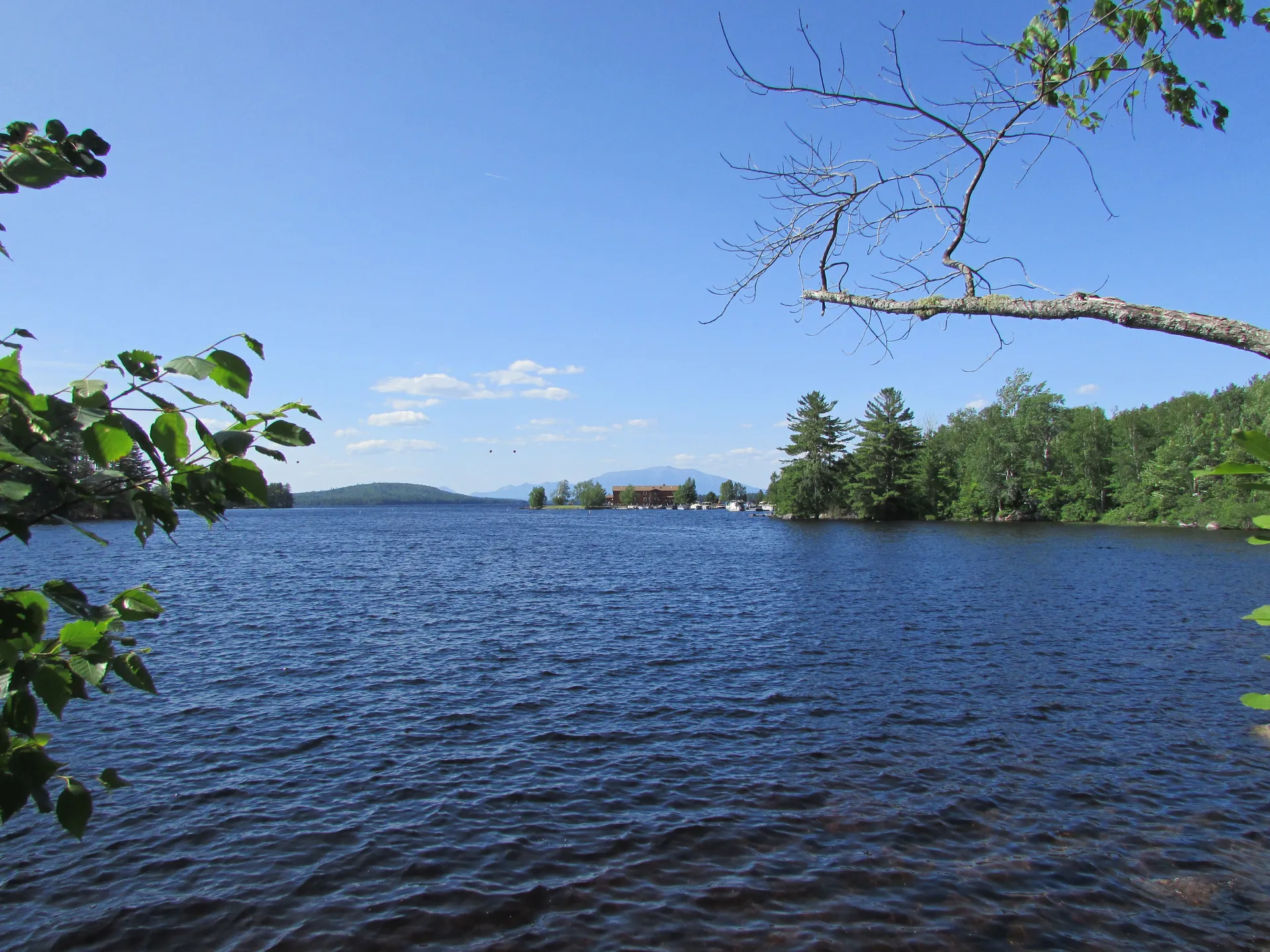
Maine is canoe country, and it has the pedigree to prove it. Old Town Canoe has built boats in Old Town, Maine, since 1898, and the brand is still headquartered there today. The waterways match the heritage. The Allagash Wilderness Waterway, the Moose River Bow Trip, the Maine stretch of the Northern Forest Canoe Trail, and the St. Croix are the kind of long, linked lakes and slow rivers a canoe was made for. If there is one boat where buying the local brand is also buying the right tool, this is it.
The boat is the big decision, but the gear around it is what makes a trip work or wear you out. Here is the short answer. For a tough do-everything canoe, the Old Town Discovery is the easy call and it is built in Maine. For the paddle, a wood beavertail blade like the Bending Branches is quiet and comfortable for hours of lake cruising. And if you are tripping with portages, a harnessed dry pack like the Sea to Summit Big River keeps the load dry low in the boat and carries it up the portage trail on your back.
| Gear | Price | Best For | Key Spec | Type |
|---|---|---|---|---|
| Premium | Tough solo canoe | 49 lb, 500 lb cap | Polyethylene canoe | |
| Mid-range | Quiet lake paddle | Basswood, 22 oz | Wood paddle | |
| Budget | Budget or spare paddle | Wood, 5 ft | Wood paddle | |
| Premium | Portaging gear | 50 L, 420D TPU nylon | Harnessed dry pack | |
| Therm-a-Rest Trekker ChairSearch Amazon | Mid-range | Backrest for the boat | Uses your own pad | Pad chair kit |
| Budget | Anchoring to fish | 3.5 lb, 25 ft rope | Folding anchor |
Why Buy an Old Town Canoe in Maine?
Because the boat that defined the type is still made an hour north of Bangor. Old Town started building canvas-covered wooden canoes in Old Town, Maine, in 1898, was the biggest canoe maker in the world for decades, and moved to fiberglass and then tough molded polyethylene as the materials changed. The company is part of Johnson Outdoors now, but the boats are still built in the same town that gave them the name.
The Discovery 119 is the practical pick for one person. It is a short solo boat at 11 feet 9 inches and 49 pounds, light enough to throw on a roof rack and carry to the water alone, with a three-layer polyethylene hull that you can drag over gravel and bump off a ledge without flinching. The 500-pound capacity handles a paddler plus a weekend of gear, and the hull carries a lifetime warranty.
If you want a budget boat for a pond or a calm cove and do not care about brand heritage, a basic recreational canoe from a maker like Lifetime will float and is cheaper. But for a Maine boat that will take a beating on rocky shallow rivers and last for years, the locally built Old Town is the one we point people to first.
Premium
Old Town Discovery 119 Solo Canoe
Who it’s forA tough, do-everything solo canoe for Maine lakes and slow rivers
Why we picked itBuilt by Old Town in Old Town, Maine, where they have made canoes since 1898
Pros
- Three-layer polyethylene hull is tough enough to drag over gravel and ledge
- At 11 feet 9 inches and 49 pounds, one person can car-top and carry it
- 500-pound capacity and a lifetime hull warranty
Know before you buy
- A short solo boat tracks less straight than a long tripping canoe
- Polyethylene is heavier than a composite hull of the same size
What Paddle Should You Use for Maine Canoe Tripping?
For the long, flat lake miles that make up most Maine canoe routes, a wood beavertail blade is hard to beat.
Bending Branches Beavertail - Best Lake Paddle
Mid-range
Bending Branches Beavertail Canoe Paddle
Who it’s forA quiet, comfortable lake and flatwater paddle
Why we picked itClassic long, narrow beavertail blade made for quiet deepwater lake paddling
Pros
- Solid basswood shaft with a basswood and red alder blade, 22 ounces
- Rockguard tip and a fiberglass-sealed blade hold up to gravel and ledge
- Freestyle palm grip is comfortable for hours of flatwater cruising
Know before you buy
- Wood needs the occasional re-oiling to stay sealed
- Heavier than a carbon paddle on a long trip
The beavertail shape is a long, narrow blade, and it is the classic for deepwater lake paddling because it enters the water quietly and pulls smoothly without slapping or fluttering. The Bending Branches version has a solid basswood shaft and a blade of basswood and red alder, weighs 22 ounces, and uses a freestyle palm grip that is comfortable to hold for hours. The blade tip has a Rockguard projection and is sealed with fiberglass, so it survives the gravel pushes and ledge prys a real trip demands. Bending Branches builds these in Osceola, Wisconsin.
A wood paddle asks for a little care. Re-oil or re-varnish it now and then to keep the wood sealed, and it is heavier than a carbon blade on a long day. The payoff is a paddle that feels alive in the water and is quiet enough not to spook a moose feeding in the shallows.
Attwood Wooden Canoe Paddle - Best Budget Paddle and Spare
Budget
Attwood Wooden Canoe Paddle 5ft
Who it’s forA budget wood paddle or a spare to keep in the canoe
Why we picked itA solid wood beavertail paddle at a budget price
Pros
- Smooth in the water and quiet, without the eddies a plastic blade kicks up
- Comes in 54, 57, 60, and 63 inch lengths to fit the paddler
- A good spare to lash in the boat in case one goes overboard
Know before you buy
- Basic varnish finish, not as refined as a premium wood paddle
- Wood paddles need drying and care to avoid cracking
You always want a spare paddle in the canoe, because a lost paddle a day’s paddle from the takeout is a real problem. The Attwood is a straightforward 5-foot wood paddle at a budget price. A wood blade stays quiet in the water, and this one is affordable enough to lash in as a backup without a second thought.
Treat it like any wood paddle: dry it out after a trip and store it out of the weather so it does not crack. As a first paddle or a spare, it does the job.
How Do You Carry Gear on a Canoe Trip with Portages?
This is where the trip is won or lost, because Maine canoe routes link their lakes with carries, and how you pack determines how many trips you make across each one.
Sea to Summit Big River Dry Backpack 50L - Best Portage Pack
Premium
Sea to Summit Big River Dry Backpack 50L, Jet Black
Who it’s forHauling and portaging gear on a canoe trip
Why we picked itA roll-top dry bag and a harnessed pack in one, so the load stays dry in the boat and on the carry
Pros
- TPU-coated 420-denier nylon with a triple-coated base and tape-sealed seams
- EVA foam harness with a sternum strap and a removable webbing hip belt
- Oval base resists rolling, and lash points take a pad or wet tent outside
Know before you buy
- The hip belt is plain webbing, so a heavy load rides mostly on your shoulders
- 50 liters suits a solo or short trip; a long trip needs a second pack
A portage pack has two jobs: sit low in the bottom of the canoe for stability, then ride on your back across the carry. The classic canvas and Cordura versions do both but need a waterproof liner inside. The Sea to Summit Big River skips the liner because the pack is the dry bag. The body is TPU-coated 420-denier nylon with a triple-coated base, the seams are double-stitched and tape-sealed, and the top closes with a Hypalon roll-top. An EVA foam harness with a sternum strap and a removable webbing hip belt carries it up the portage trail, and the white interior makes it easier to find small items at the bottom.
Our link goes to the 50-liter pack in Jet Black. That volume is measured with the top rolled three times, and the empty pack weighs about 1.7 pounds. The oval base resists rolling when you set it down on a ledge or gravel landing, and lash points let you strap a sleeping pad or a wet tent to the outside. Pack the heavy items low and centered so the canoe stays steady, and remember the hip belt is plain webbing rather than a padded belt, so a heavy load rides mostly on your shoulders. Fifty liters suits one paddler on a short trip. For a week on the Allagash Wilderness Waterway, carry two, or pair it with a bigger bag from our dry bag guide.
Seats, Anchors, and the Small Stuff
Therm-a-Rest Trekker Chair Kit - Best Backrest
Mid-range
Therm-a-Rest Trekker Chair Kit 25 Inch
Who it’s forA packable backrest for the canoe and for camp
Why we picked itTurns a sleeping pad into a backrest chair for the canoe bottom or camp
Pros
- No hard frame, so it stows flat and weighs almost nothing
- Saves your back on a long day kneeling or sitting low in the boat
- Doubles as a camp chair at the end of the day
Know before you buy
- You have to supply your own sleeping pad to slip inside it
- Less support than a rigid-frame canoe seat
Sitting low in a canoe all day is hard on your back, and a backrest changes how a long day feels. The Trekker Chair Kit is a sleeve that turns a sleeping pad into a chair with a backrest. There is no hard frame, so it stows flat and weighs almost nothing, and you slip your own sleeping pad inside it to give it shape. In the boat it props you up off the hull, and at camp it becomes a chair at the fire. You supply the pad, and it gives less support than a rigid-frame seat, but for a packable backrest that does double duty it is the smart pick.
Airhead Complete Grapnel Anchor - Best for Fishing
Budget
Airhead Complete Grapnel Anchor System
Who it’s forHolding a canoe still for fishing on lakes and ponds
Why we picked it3.5-pound four-fluke folding anchor holds in mud, sand, gravel, and rock
Pros
- Folds flat into a padded nylon case that tucks under a seat
- Includes 25 feet of rope, a marker buoy, and a snap hook
- Holds a canoe in place to fish a drop-off or eat lunch on the water
Know before you buy
- 25 feet of rope is short for deep lakes, where you want more scope
- Overkill on a fast-moving river, where you would not anchor anyway
If you fish from the canoe, an anchor holds you over a drop-off or a weed edge instead of drifting off it. The Airhead grapnel is a 3.5-pound four-fluke folding anchor that holds in mud, sand, gravel, and rock, and it folds flat into a padded nylon case that slides under a seat. The kit includes 25 feet of rope, a marker buoy, and a snap hook. The 25 feet is short for deep lakes, where you want more scope to set the anchor at an angle, so add a length of rope if you fish deep water. You would not anchor on a moving river anyway, so for lake and pond fishing this covers it. Pair it with the rest of the kit in our fishing gear guide.
Run a painter line, a length of floating rope, off the bow and stern of your canoe. It is how you line the boat through shallow rapids by hand, tie off at a campsite, and grab the canoe if it gets away from you. Eight to ten feet on each end is plenty, and a painter is the most useful piece of cheap gear you can add to a tripping canoe.
Kneel, do not just sit, when the water gets rough or the wind comes up on a big Maine lake. Dropping to your knees and bracing against the seat lowers your center of gravity and gives you far more control than perching up on the seat. A folded foam kneeling pad on the hull saves your knees, and it is the position that keeps you upright when a lake kicks up whitecaps in the afternoon.
Do You Need a Life Jacket in a Canoe in Maine?
Yes. Maine law requires a wearable life jacket on board for every person in a canoe, and children 12 and younger must wear one at all times the boat is underway (the age threshold rose from 10 to 12 effective January 1, 2026). Cold water makes it more than a legal box to check. Maine lakes and rivers stay cold well into the summer, and a capsize in cold water can sap your strength fast, so the standard advice is to wear the PFD, not stow it under a thwart. Our PFD guide covers the paddling-cut vests that are comfortable enough that you actually keep them on, and a dry bag keeps your sleeping bag and dry clothes safe if the boat does go over.
Most canoe drownings happen to people who were not wearing a life jacket and capsized in cold water. A PFD stowed under the seat does nothing when you are suddenly in the water. Wear it, dress for the water temperature rather than the air, and treat an unexpected swim in a cold Maine lake or river as the serious thing it is.
What to Bring
- A canoe sized to the trip, with the heavy gear packed low and centered
- A primary paddle plus a spare lashed in the boat
- A wearable PFD for every paddler, worn underway
- A portage pack or two for tripping gear, packed low for stability
- Painter lines off bow and stern for lining and tying off
- A dry bag for the sleeping bag and dry clothes
- A foam kneeling pad for rough water and a backrest for long days
- A bailer or sponge, and an anchor if you plan to fish
Are Old Town canoes really made in Maine?
Yes. Old Town Canoe has built boats in Old Town, Maine, since 1898 and is still headquartered there today as part of Johnson Outdoors. The company started with canvas-covered wooden canoes, was once the largest canoe maker in the world, and now builds tough molded polyethylene boats like the Discovery line in the same town.
What is the best canoe for a Maine wilderness trip?
It depends on the trip and the crew. For one person on lakes and slow rivers, the Old Town Discovery 119 is a tough, affordable, locally built solo boat. For a longer Allagash or Northern Forest Canoe Trail trip with two people and a week of gear, you want a longer two-person tripping canoe that tracks straighter and carries more, but the same polyethylene durability matters on Maine's rocky, shallow rivers.
What kind of paddle is best for canoe tripping?
For the long flatwater lake miles that make up most Maine routes, a wood beavertail blade like the Bending Branches is quiet and comfortable for hours. Carry a spare paddle too, since losing one a day from the takeout is a real problem. A cheaper wood paddle like the Attwood makes a good backup to lash in the boat.
How do you carry gear over portages on a canoe trip?
Use a portage pack, a soft pack that sits low in the canoe for stability and rides on your back across the carry. A harnessed dry pack like the Sea to Summit Big River keeps a tripping load together and dry, and it rides more stably than a pile of loose bags. Pack the heavy items low and centered, and aim to clear each portage in as few trips as you can.
Do I need an anchor for canoe fishing?
Only if you fish on lakes and ponds, where an anchor holds you over a drop-off or weed edge instead of drifting off it. A folding grapnel anchor like the Airhead packs small and holds in most bottoms. You would not anchor on a moving river. For deep lakes, add rope to the 25-foot line that comes with most kits so you have enough scope to set the anchor.