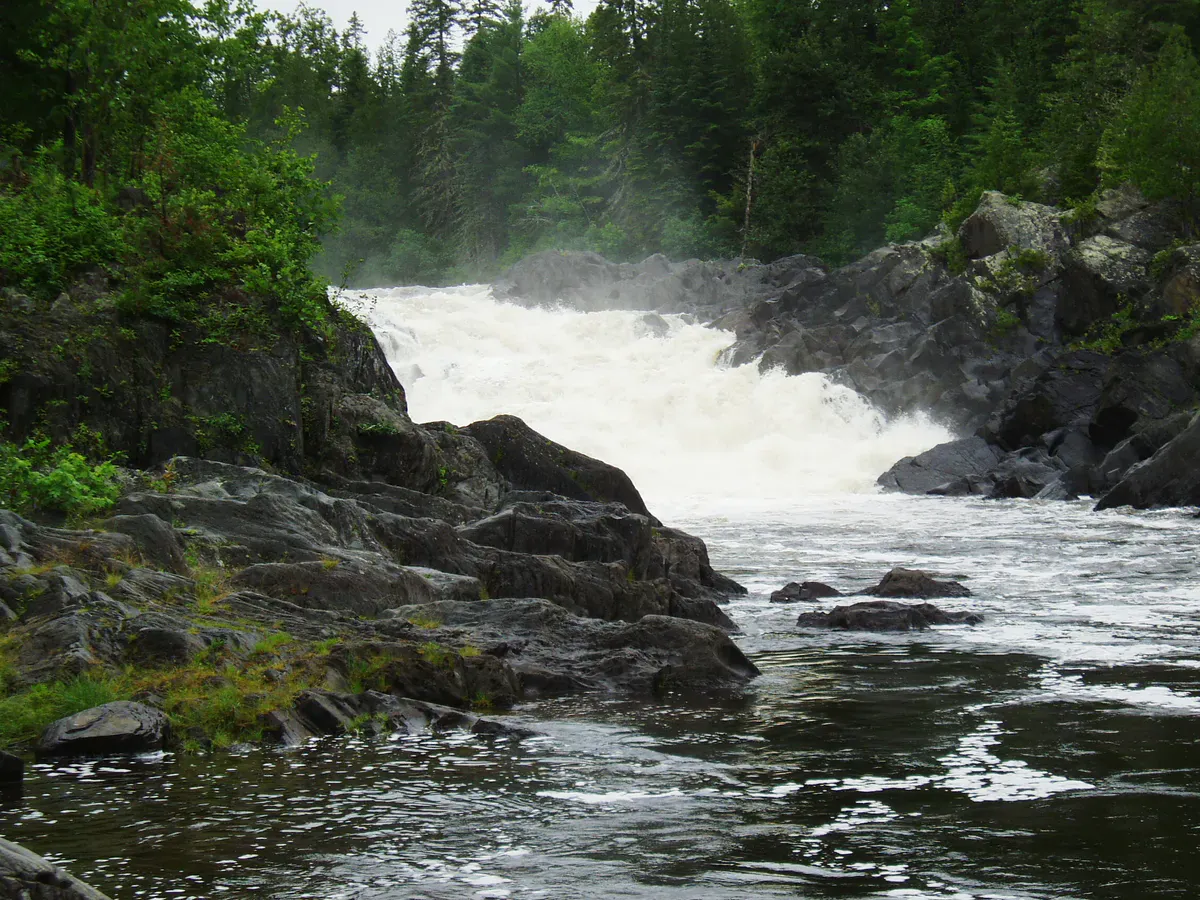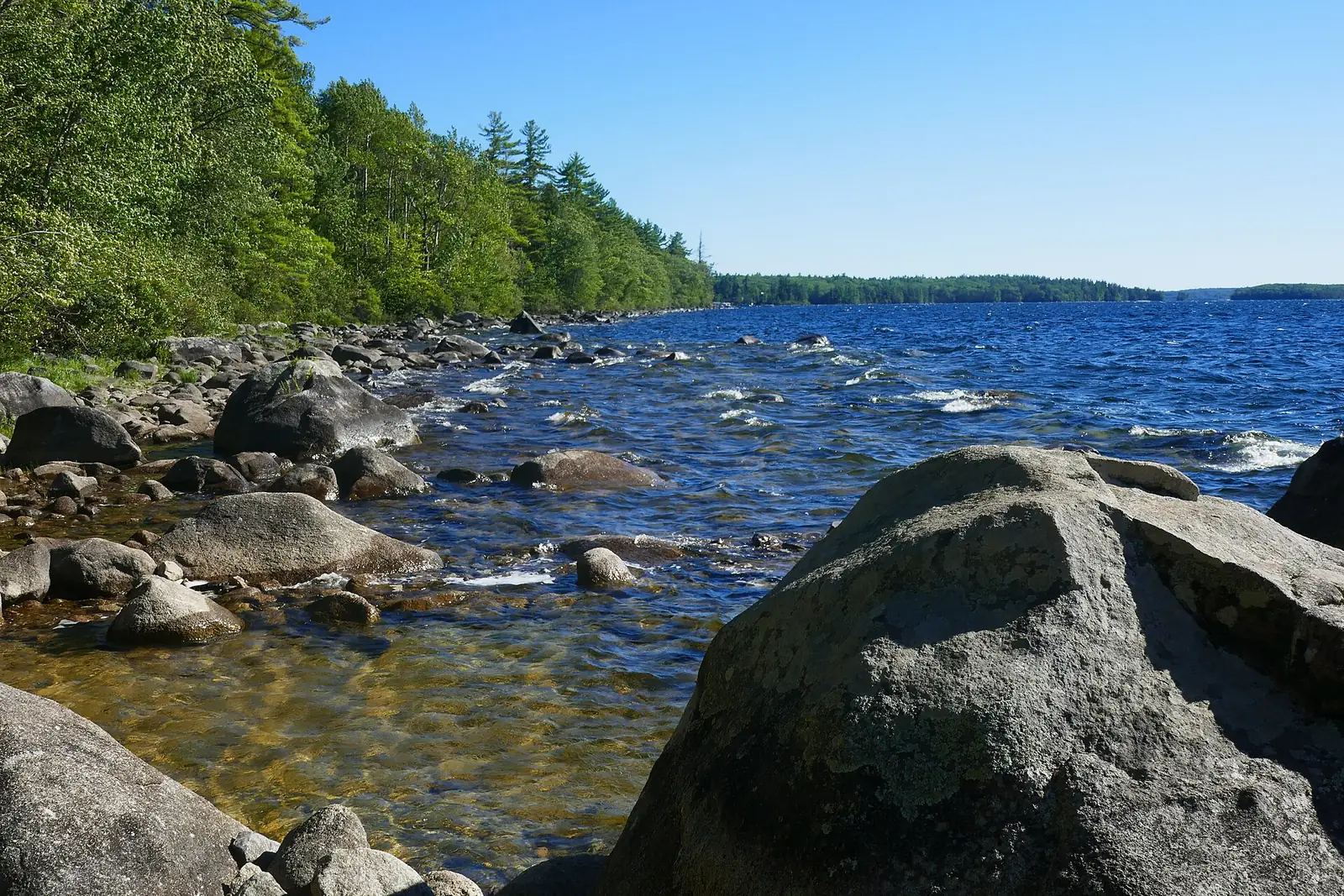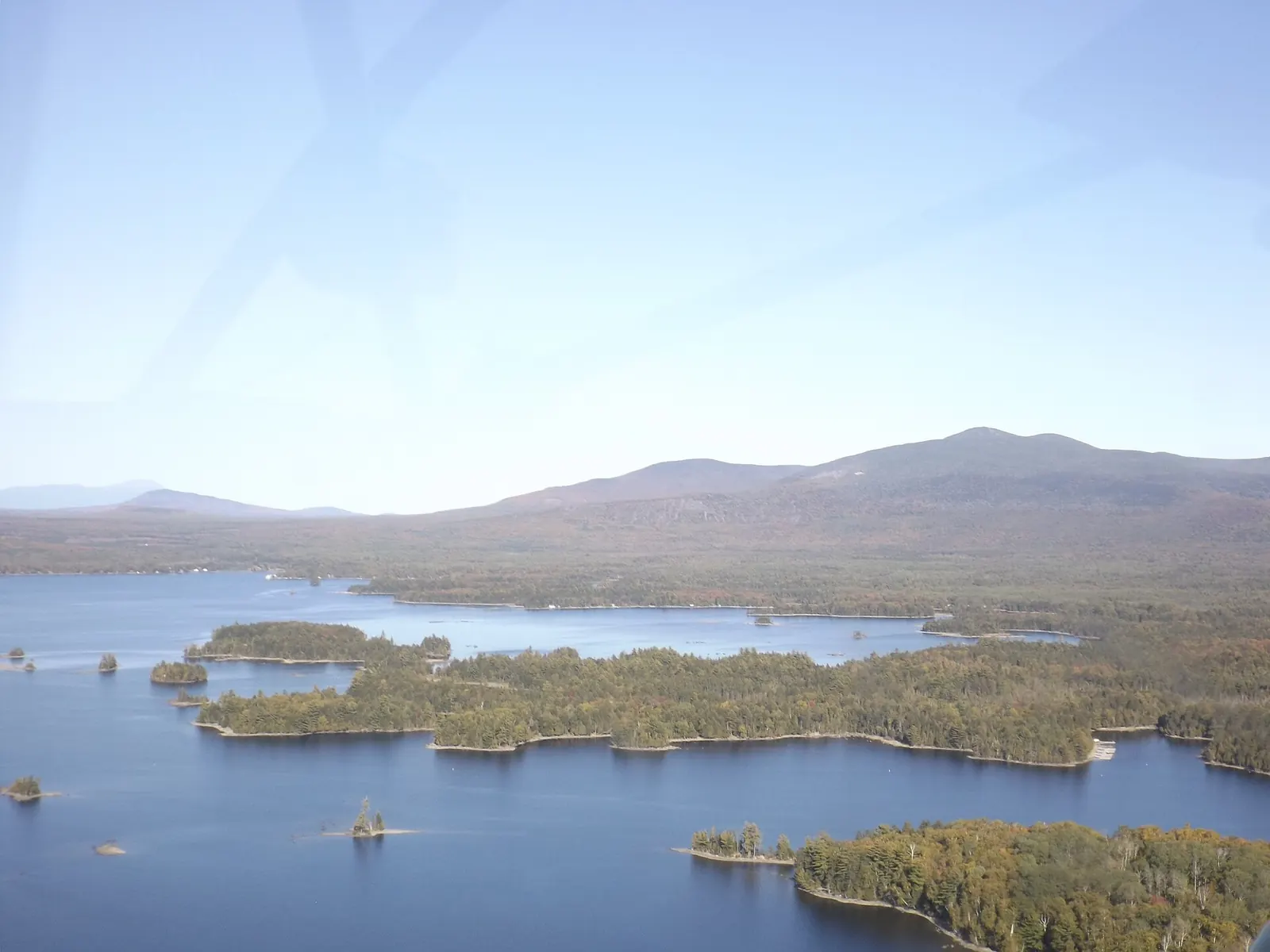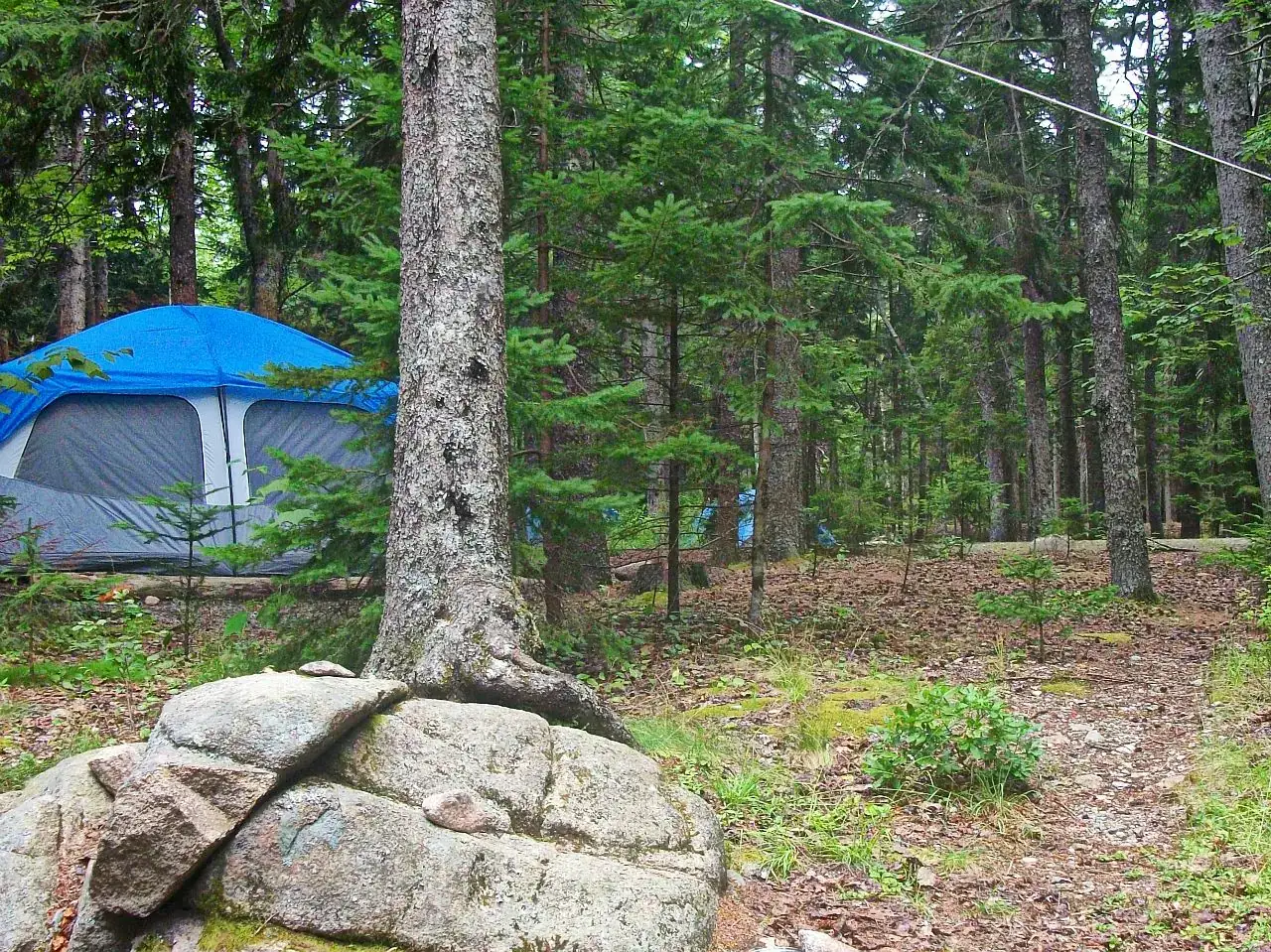
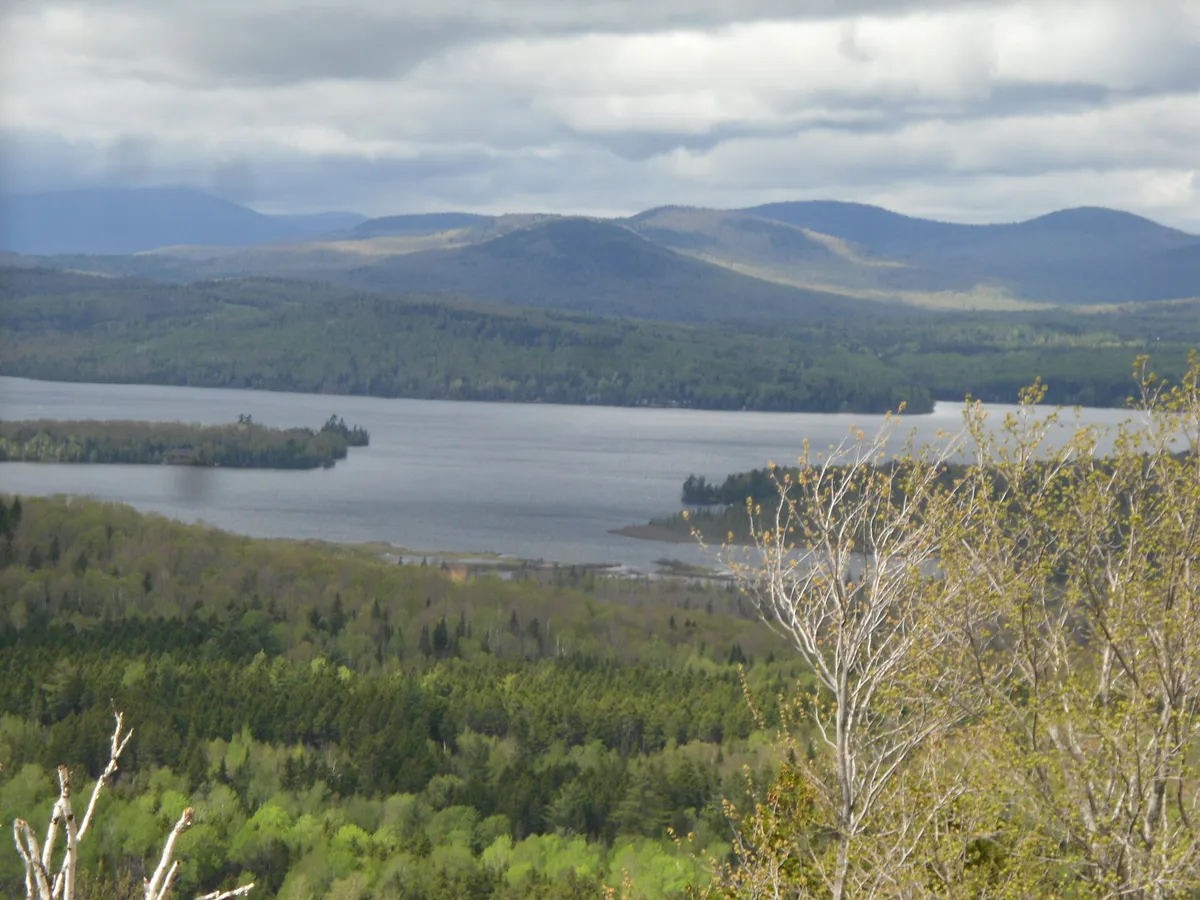

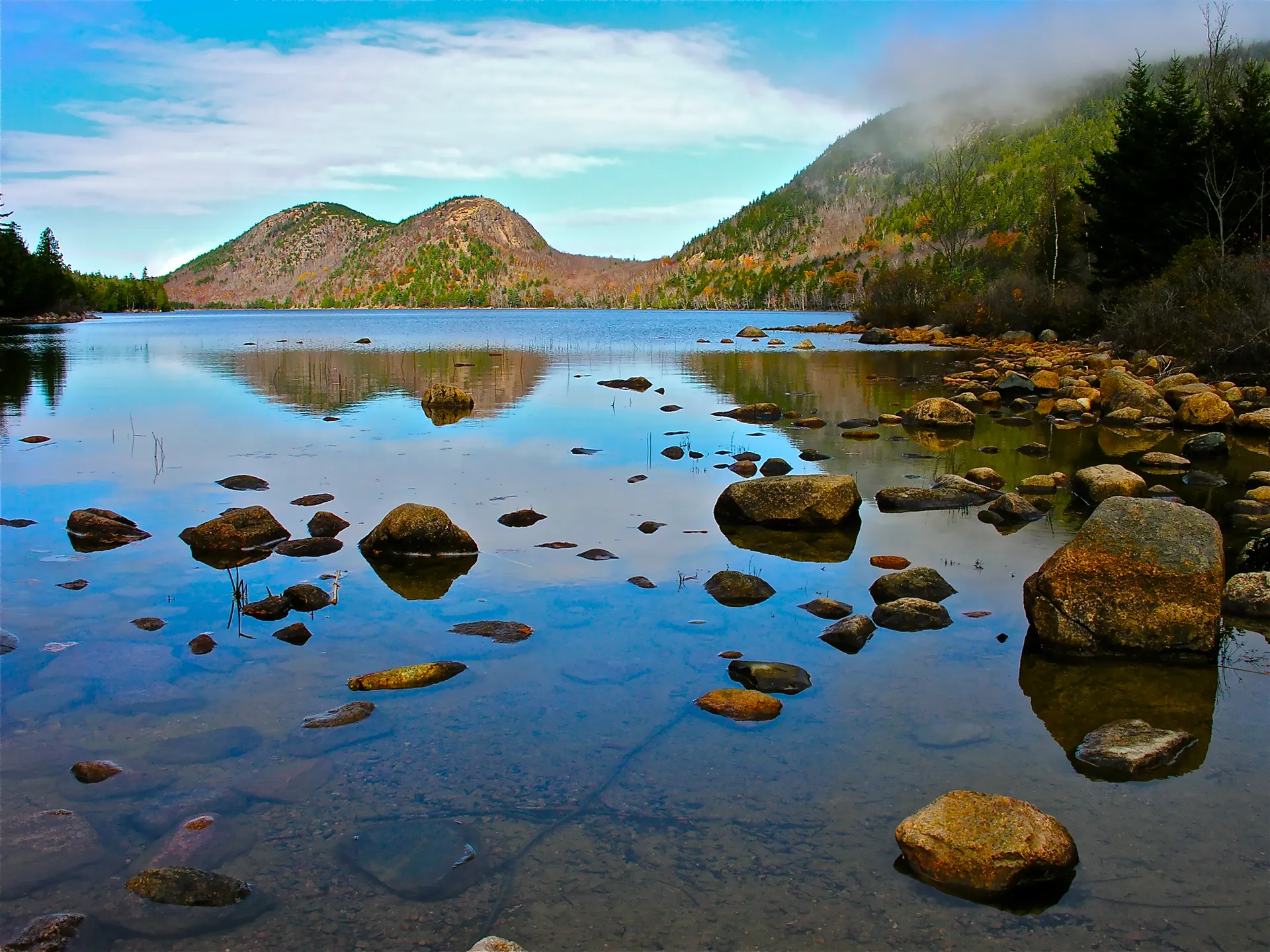

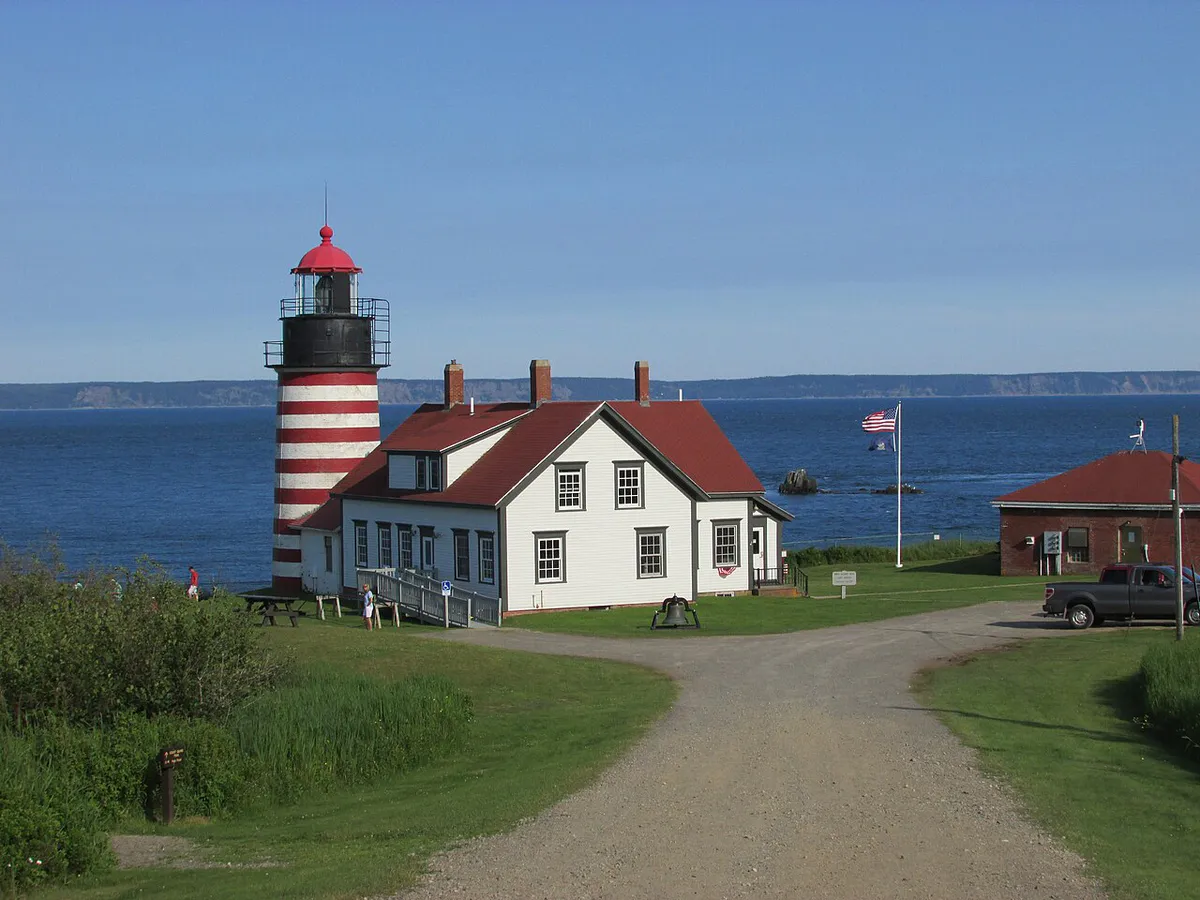
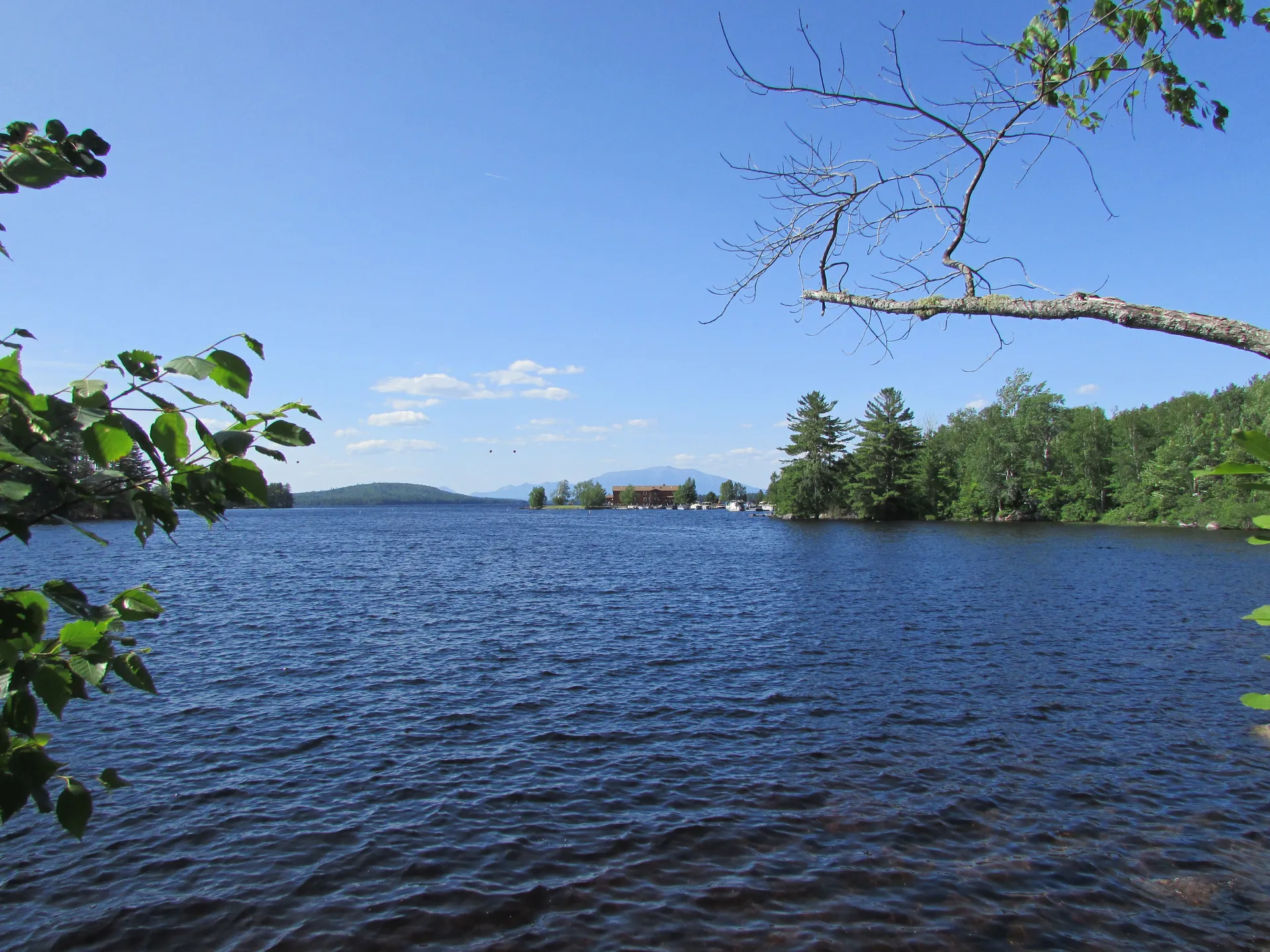
The mistake people make in Maine is trusting the calendar. It is the middle of August at Chimney Pond in Baxter State Park, the day topped out near 80, and you crawl into a 40-degree summer bag feeling smug. By 3am you are awake, knees pulled to your chest, watching your breath fog in the beam of your headlamp because the temperature dropped into the high 30s at altitude. That night does not show up in the forecast you checked from the trailhead.
Maine punishes warm-weather assumptions in three ways. The first is altitude and latitude: clear nights in the northern woods and the western mountains shed heat fast, and a still August evening can fall 40 degrees from the daytime high. The second is damp. Lake air at Sebago Lake and coastal fog around Blackwoods Campground load everything with moisture, and a damp bag is a cold bag. The third is the shoulder season, when a late-September trip to Moosehead Lake can hand you a hard frost that a true summer bag was never built to handle.
So we built this list around temperature rating first and Maine’s wet air second. The seven bags below run from a true 15F down bag for cold nights at altitude to synthetic and quilt options that handle the damp without quitting. There is no single right answer here, only the right bag for how cold, how wet, and how far from the car you plan to be.
| Bag | Price | Temp Rating | Fill | Rating |
|---|---|---|---|---|
| REI Co-op Magma 15 | Premium | 15F | 850 down | 4.7 |
| Budget | 20F | 550 down | 4.5 | |
| Nemo Disco 15 | Mid-range | 15F | 650 down | 4.6 |
| Western Mountaineering UltraLite 20 | Premium | 20F | 850 down | 4.8 |
| Marmot Trestles Elite Eco 20Search Amazon | Budget | 20F | Synthetic | 4.4 |
| Enlightened Equipment Revelation 20 | Premium | 20F | 850 down quilt | 4.6 |
| The North Face Cat's Meow 20 | Mid-range | 20F | Synthetic | 4.5 |
How We Chose
We started with temperature rating and treated it as the non-negotiable. Maine’s three-season camping reality is colder than most people plan for, so we leaned on bags rated to 15F and 20F rather than the 30F to 40F summer bags that leave you shivering at altitude. A 20F bag is the sweet spot for most Maine trips from May through October, and a 15F bag is the call if you camp high, camp late, or sleep cold.
The second filter was fill type, because Maine is wet. Down is lighter, packs smaller, and lasts longer, but it loses loft and most of its warmth when it gets soaked. Synthetic fill is heavier and bulkier but keeps insulating even when damp and dries far faster. For canoe trips on Sebago, coastal sites in fog, or anyone who tends to let a bag get wet, synthetic earns its weight. For backpacking the 100-Mile Wilderness, where every ounce counts and you can keep gear dry, down wins.
The third filter was real-world build: baffle construction that keeps fill where you need it, footbox shape, draft collars and zipper draft tubes, and packed size. We weighed comfort cut too, because a bag that keeps you awake because it is too tight is not doing its job no matter how warm it is.

The Sleeping Bags We Recommend
REI Co-op Magma 15 - Best Overall
Premium
REI Co-op Magma 15
Who it’s forBest all-around down bag for Maine three-season camping
Why we picked it850-fill goose down hits a true 15F comfort range for cold Maine nights
Pros
- Light at about 1 lb 13 oz for the warmth it delivers
- Water-resistant down treatment helps in damp lake and coastal air
- Vertical baffles and a comfort footbox trap heat where you need it
Know before you buy
- Premium price for a do-everything down bag
- Snug mummy cut feels tight for broad-shouldered sleepers
Sold direct by the brand, not on Amazon.
The Magma 15 is the bag we would hand most Maine campers if they could only own one. The 850-fill goose down hits a true 15F comfort range, which means it covers a frosty late-September night at Moosehead Lake and still vents well enough for a cool July night by unzipping the footbox. At roughly 1 lb 13 oz, it weighs little for the warmth it delivers, so it works for backpacking as well as car camping.
The detail that matters most for Maine is the water-resistant down treatment. Damp lake air and coastal fog are exactly the conditions that flatten untreated down, and the treated fill on the Magma holds its loft through a humid night far better. The vertical baffles keep the down from shifting off your top side, and the comfort footbox gives your feet room without leaving a cold dead-air pocket.
The honest trade-offs are price and cut. This is a premium bag, and the mummy shape runs snug. Broad-shouldered sleepers may want to size up or look at the roomier Nemo Disco. For most people who want one warm, packable, do-everything bag for Maine, this is the pick.
Kelty Cosmic Down 20 - Best Budget
Budget
Kelty Cosmic Down 20
Who it’s forBest budget down bag for Maine campers
Why we picked it550-fill DriDown stays lofted when damp, a real edge in Maine humidity
Pros
- The best warmth-for-money 20F bag we recommend
- Roomy enough to sleep comfortably without feeling boxed in
- Holds up to seasons of hard car-camping use
Know before you buy
- Heavier and bulkier than premium down at the same rating
- 550 fill packs down less than higher-fill bags
The Cosmic Down 20 is the value benchmark, and it has been for years. The 550-fill DriDown is the key spec: it is treated down that resists clumping and stays lofted when it picks up moisture, which is exactly the failure mode that ruins a budget down bag on a foggy Maine morning. For the money, nothing else delivers this much warmth in a 20F bag.
It rides heavier and bulkier than the premium down bags here, and 550 fill does not compress as small as 850, so it eats more room in a pack. None of that matters much for car camping at Blackwoods Campground or a short paddle-in site, where the extra ounces are a rounding error. It is roomy enough that you do not feel boxed in, and it shrugs off seasons of hard use.
If you are getting into Maine camping and do not want to spend premium money to find out how often you will go, start here. The Cosmic gives you genuine 20F performance and damp-air insurance for a budget price.
Nemo Disco 15 - Best for Side Sleepers
Mid-range
Nemo Disco 15
Who it’s forBest sleeping bag for side and restless sleepers
Why we picked itSpoon shape gives side sleepers room at the elbows and knees
Pros
- 650-fill water-resistant down rated to 15F for cold nights
- Thermo Gills vent heat without letting cold air pour in
- Comfortable for restless sleepers who hate mummy bags
Know before you buy
- Roomier cut weighs more than a trim mummy at the same rating
- Lower fill power means a bulkier packed size
If you sleep on your side or thrash around all night, a trim mummy bag feels like a straitjacket. The Disco 15 fixes that with Nemo’s spoon shape, which is wider at the elbows and knees and narrower at the hips and feet. You get room to bend your legs and roll over without dragging the whole bag with you, and it still has the warmth of a true 15F rating from 650-fill water-resistant down.
The Thermo Gills are the clever part for Maine’s swings. They are zippered vents on top of the bag that let you dump heat on a mild night without unzipping the whole side and flooding the bag with cold air. On a night that starts warm and drops hard, that is the difference between sleeping through it and waking up to fix your setup.
The cost of all that room is weight and packed size. The roomier cut and lower fill power mean the Disco is heavier and bulkier than a trim 850-fill mummy at the same rating. For car camping and short approaches it is a non-issue, and for restless sleepers the comfort is worth every ounce.
Western Mountaineering UltraLite 20 - Best Ultralight Down
Premium
Western Mountaineering UltraLite 20
Who it’s forBest ultralight down bag for backpacking the 100-Mile Wilderness
Why we picked it850-fill down and superb construction give a true 20F rating near 1 lb 13 oz
Pros
- Continuous baffles let you shift down toward your cold side
- Reference-grade build quality that lasts decades
- Compresses smaller than anything else on this list
Know before you buy
- The most expensive bag here by a wide margin
- Trim cut is tight for larger sleepers
The UltraLite 20 is the reference standard, the bag serious backpackers compare everything else to. Western Mountaineering uses 850-fill down and genuinely better construction than almost anyone, and the result is a true 20F bag that weighs close to 1 lb 13 oz and compresses smaller than anything else on this list. On a multi-day push through the 100-Mile Wilderness, that combination of warmth and minimal weight is exactly what you want.
The continuous baffles are a feature people overlook until they need it. Because the down is not locked into fixed top and bottom chambers, you can shake it toward whichever side is cold, adding loft over your body on a frigid night or shifting it off on a warmer one. The build quality is the kind that lasts decades with care, so the cost amortizes over a very long life.
There are two honest catches. It is the most expensive bag here by a wide margin, and the trim alpine cut runs tight for larger sleepers. If you backpack often and want a bag you will still be using in twenty years, it is worth it. If you mostly car camp, you are paying for performance you will not use.
Marmot Trestles Elite Eco 20 - Best Synthetic
Budget
Marmot Trestles Elite Eco 20
Who it’s forBest synthetic bag for damp coastal and lake camping
Why we picked itSynthetic fill keeps insulating even when soaked through
Pros
- Made with recycled materials at an approachable price
- Two-way zipper and stretch baffles add comfort
- The dependable choice for damp coastal sites and canoe trips
Know before you buy
- Heavier and bulkier than down at the same rating
- Synthetic loft compresses faster over years of use
Sold direct by the brand, not on Amazon.
For damp Maine camping, synthetic insulation has one decisive advantage: it keeps you warm even when it gets wet. The Trestles Elite Eco 20 is our pick here. Its synthetic fill holds most of its loft soaked through and dries far faster than down, which makes it the smart choice for canoe trips on Sebago Lake, foggy coastal sites, and any trip where keeping a bag bone dry is not realistic.
It is built with recycled materials at an approachable price, and the practical features are well sorted: a two-way zipper lets you vent your feet, and stretch baffles flex with you instead of pinning you in place. It is the bag we recommend to people who have soaked a down bag once and never want to repeat the cold, clammy night that followed.
The trade-offs are the usual synthetic ones. It is heavier and bulkier than down at the same 20F rating, and synthetic loft compresses faster over years of hard use than premium down does. For wet-weather reliability at a budget price, that is a trade worth making.
Enlightened Equipment Revelation 20 - Best Ultralight Quilt
Premium
Enlightened Equipment Revelation 20
Who it’s forBest ultralight quilt for experienced backpackers
Why we picked itQuilt design saves weight by dropping the crushed-flat back insulation
Pros
- 850 or 950-fill down options for a true 20F at minimal weight
- Strap system cinches to your pad to seal out drafts
- Opens flat as a blanket on warmer Maine nights
Know before you buy
- Open back lets in drafts if you do not set it up carefully
- Quilts have a learning curve for first-time users
Sold direct by the brand, not on Amazon.
A quilt rethinks the sleeping bag by dropping the insulation under your back, the part you crush flat and that does nothing anyway, and using your sleeping pad for ground insulation instead. The Revelation 20 is the quilt we would point experienced backpackers toward. With 850 or 950-fill down, it hits a true 20F at less weight than a comparable mummy, which is a real advantage on long Maine backpacking trips.
The strap system is what makes it work in the cold. You cinch the quilt to your pad so it seals against drafts, and the footbox zips closed for warmth or opens flat into a blanket on a mild night by Moosehead Lake. That adjustability is the appeal: one piece of gear that covers a wide range of conditions if you take the time to dial it in.
That last part is the catch. The open back lets cold air sneak in if you do not set it up carefully, and quilts have a learning curve. A first-timer on a frosty night can end up colder than they would in a sealed bag. For backpackers who already know how they sleep and want to cut weight, it is excellent. For beginners, a traditional bag is more forgiving.
The North Face Cat’s Meow 20 - Best Proven Synthetic
Mid-range
The North Face Cat's Meow 20
Who it’s forBest proven synthetic bag for wet shoulder-season trips
Why we picked itHeatseeker Eco synthetic fill works wet and dries fast
Pros
- Long-running design with a proven track record
- Vaulted footbox gives your feet room to move
- Reliable 20F warmth without down-level pricing
Know before you buy
- Heavier and bulkier than comparable down bags
- Packed size is large for tight backpacks
The Cat’s Meow has been around long enough that you have probably slept in one at summer camp, and the current version keeps the reputation honest. The Heatseeker Eco synthetic fill insulates when wet and dries fast, and the 20F rating is dependable, which makes it a strong choice for wet shoulder-season trips in spring and fall when rain and frost are both on the table.
The vaulted footbox gives your feet room to flex instead of pressing flat against the fill, a small comfort detail that matters over a long night. It is the bag we recommend when someone wants proven synthetic reliability without paying down-bag prices, and it holds up to the kind of rough use that car camping and group trips throw at it.
As with any synthetic bag, the weight and packed size are the price of the wet-weather performance. It is heavier and bulkier than a comparable down bag and takes up real room in a pack. For car camping at Blackwoods Campground or a damp spring trip where you expect rain, that is a fair deal.
Most modern bags list a comfort rating and a lower limit. The comfort rating is the temperature at which a typical person sleeps comfortably, and that is the number to plan around. The lower limit is closer to survival than comfort. For Maine, we size up: pick a bag rated about 10 degrees colder than the lowest temperature you expect, because nights run colder than the forecast at altitude and you can always vent a bag that is too warm. Down packs more warmth per ounce, but synthetic keeps insulating when Maine’s damp air gets to it, so the right fill depends on how wet your trip will be.
A wet down bag is a cold down bag. Down loses most of its loft and most of its warmth when it gets soaked, and it is slow to dry. The bigger Maine hazard is not rain but condensation: on a cold, humid night, moisture from your breath and body collects on the inside of the tent and can drip onto your bag, and a bag pressed against the tent wall wicks it up. Keep your bag off the tent walls, vent the tent to cut condensation, and stuff a down bag into a waterproof stuff sack on canoe trips and rainy approaches. If you cannot reliably keep a bag dry, choose synthetic. And remember the bag is only half the system: a warm bag over a thin pad still loses heat to the cold Maine ground, so pair it with one of the best sleeping pads for Maine camping.
I tell clients to bring a bag liner. A silk or fleece liner adds about 8 to 15 degrees of warmth for a few ounces, keeps the inside of the bag clean over a multi-day trip, and gives you a layer to peel back on the warm front half of the night before the temperature drops. It is the cheapest way to make a 20-degree bag handle a colder night than it is rated for.
FAQ
What temperature rating do I need for camping in Maine?
A 20F bag is the right call for most Maine camping from May through October. Nights drop into the 30s and 40s at lakeside and coastal sites even in summer, and into the 20s in the shoulder season. If you camp at altitude in places like Baxter State Park, camp late into the fall, or simply sleep cold, step up to a 15F bag. Treat the comfort rating as your planning number, not the lower limit.
Down or synthetic for Maine's damp air?
It depends on how wet your trip will be. Down is lighter, packs smaller, and lasts longer, which makes it the better choice for backpacking where you can keep gear dry. Synthetic keeps insulating even when soaked and dries far faster, which makes it the safer choice for canoe trips, foggy coastal sites, and anyone prone to letting a bag get damp. Water-resistant down treatments help, but they do not match synthetic for true wet-weather reliability.
Why was I cold even though my bag was rated for the temperature?
Usually it is one of three things. Your sleeping pad has too little insulation, so the ground pulls heat from your back regardless of how warm the bag is. Your bag picked up moisture from condensation or damp air and lost loft. Or you are reading the lower-limit rating as a comfort rating. Add an insulated pad, keep the bag dry and off the tent walls, and plan around the comfort rating with about 10 degrees of margin.
Is a quilt a good idea for Maine?
For experienced backpackers, yes. A quilt like the Enlightened Equipment Revelation saves weight by dropping the back insulation and relying on your pad, and it cinches to the pad to seal out drafts. The catch is the learning curve: set up carelessly on a frosty night, a quilt lets in cold air at the edges. If you already know how you sleep and want to cut weight, it is excellent. If you are newer to camping, a sealed bag is more forgiving in the cold.
How do I keep my sleeping bag dry in a Maine tent?
Vent the tent so moist air from your breath escapes instead of condensing on the walls, keep the bag from pressing against the tent walls where it wicks up condensation, and use a sleeping pad with a good R-value to block ground moisture. On canoe trips and rainy approaches, pack a down bag inside a waterproof stuff sack or dry bag. If keeping it dry is a losing battle, a synthetic bag is the right tool.
Can I just use a summer bag and wear extra layers?
You can stretch a bag's range by sleeping in a base layer, a hat, and dry socks, and a liner adds real warmth too. But layering only goes so far, and a 40F summer bag will not get you through a frosty night at altitude no matter how much you pile on. For Maine's cold nights and shoulder season, start with a bag that is actually rated for the cold and use layers as a bonus, not a substitute.