

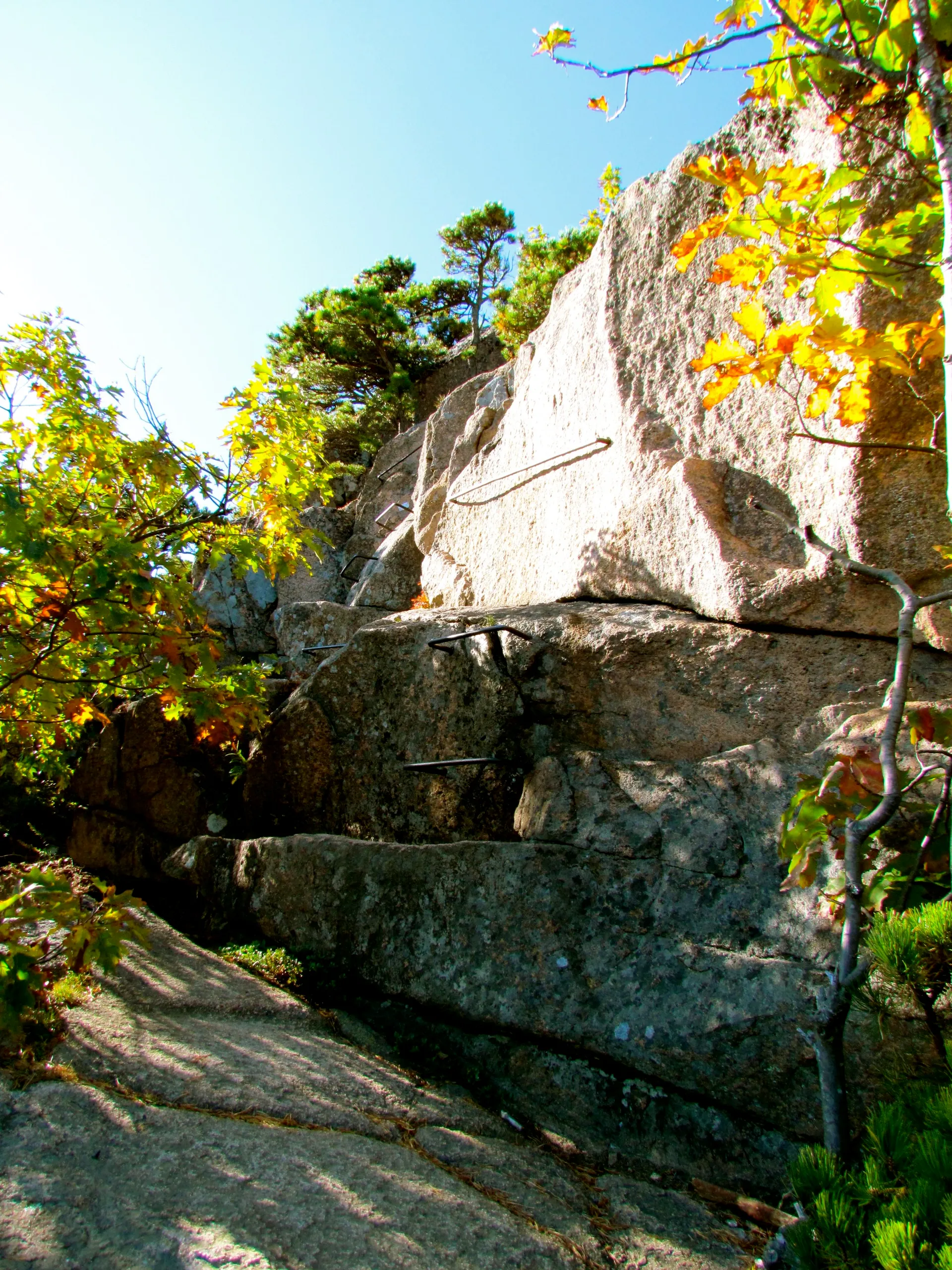
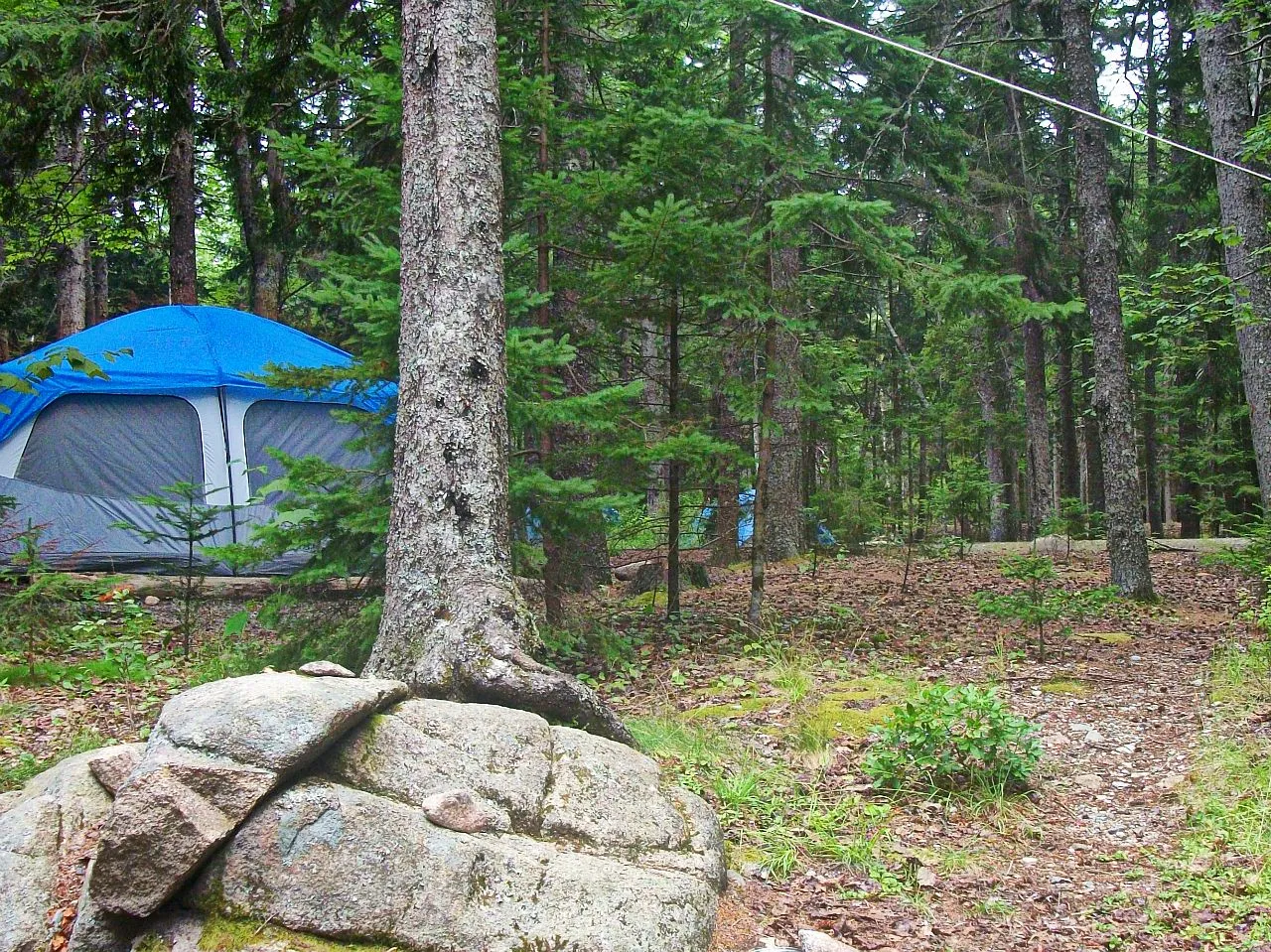
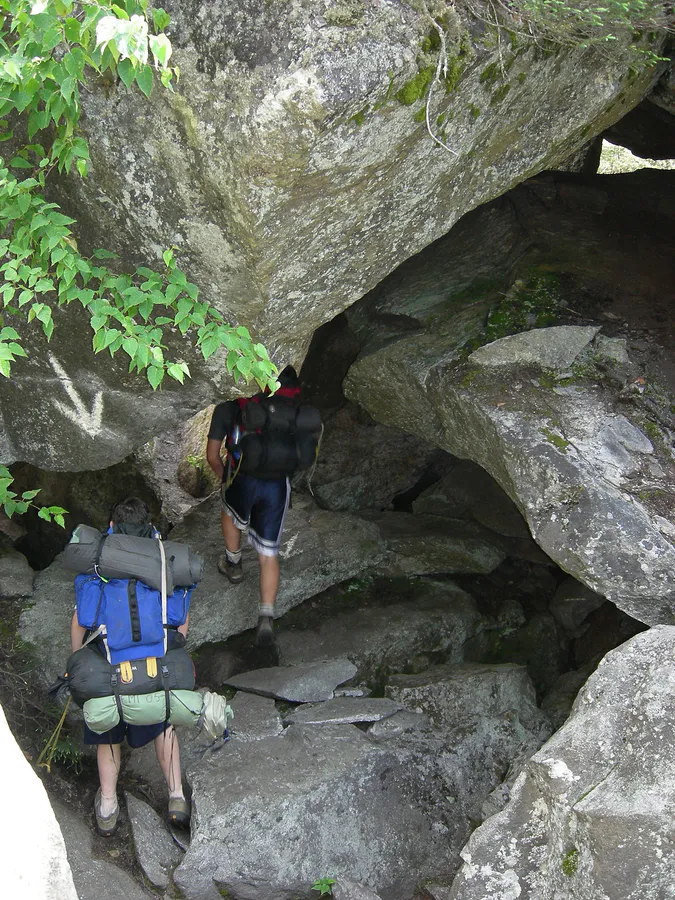
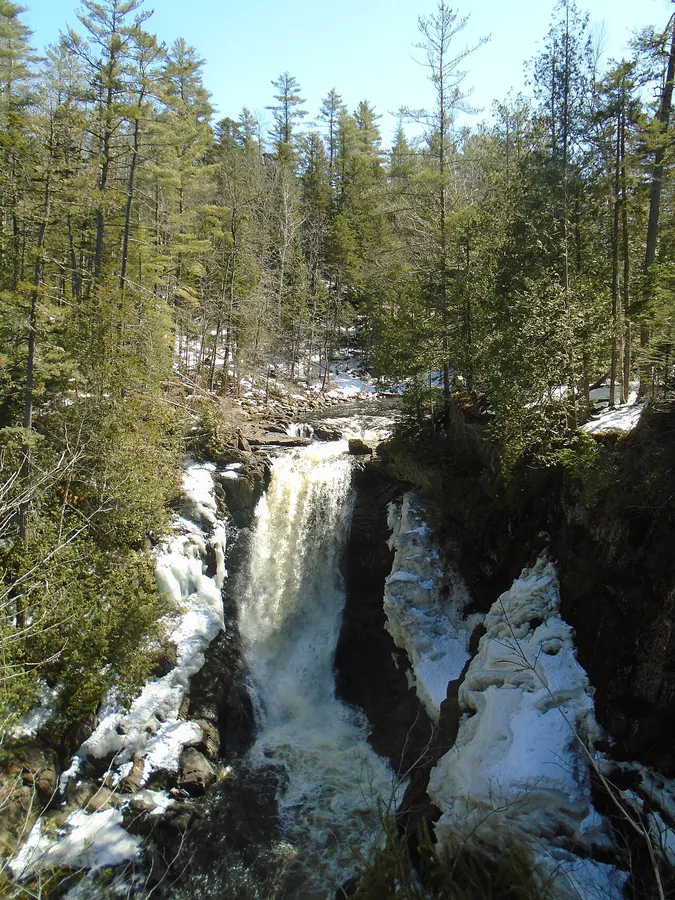
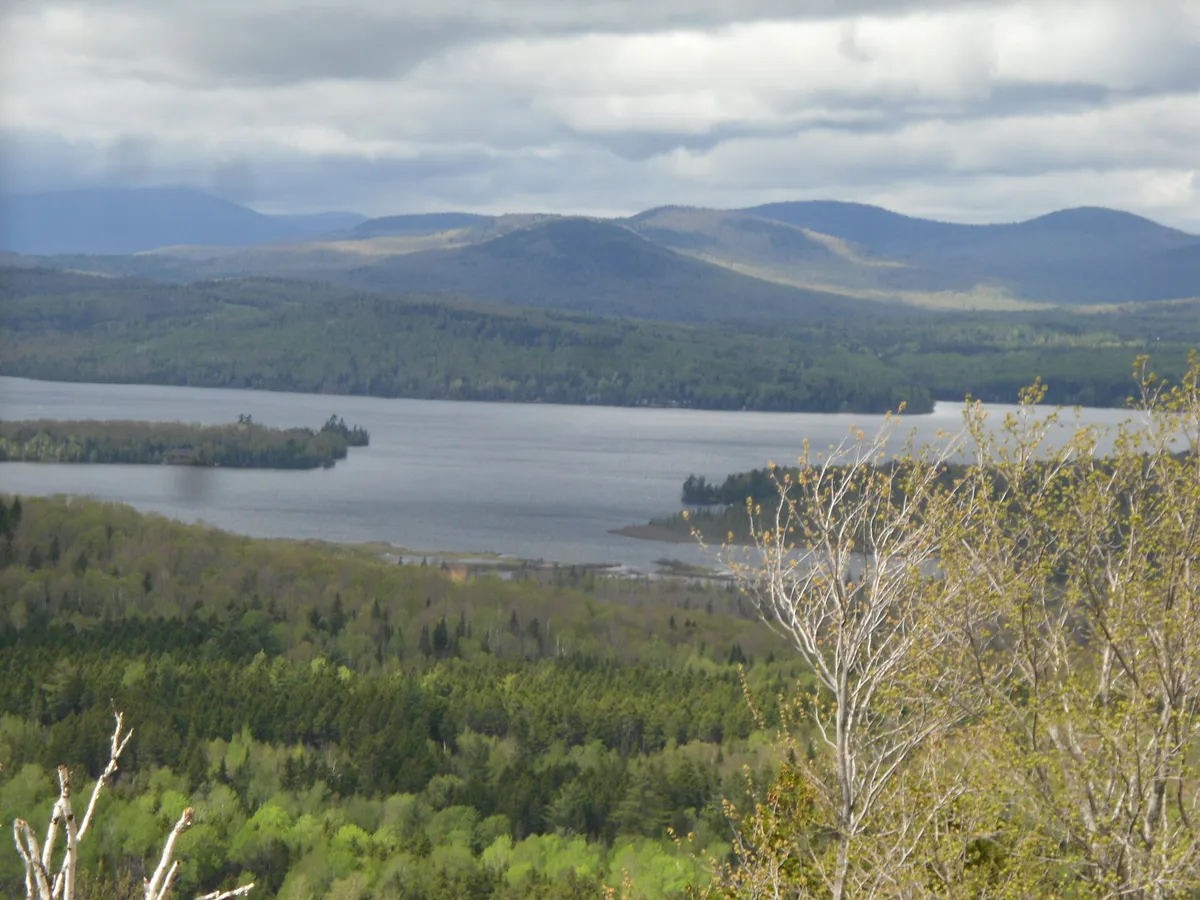
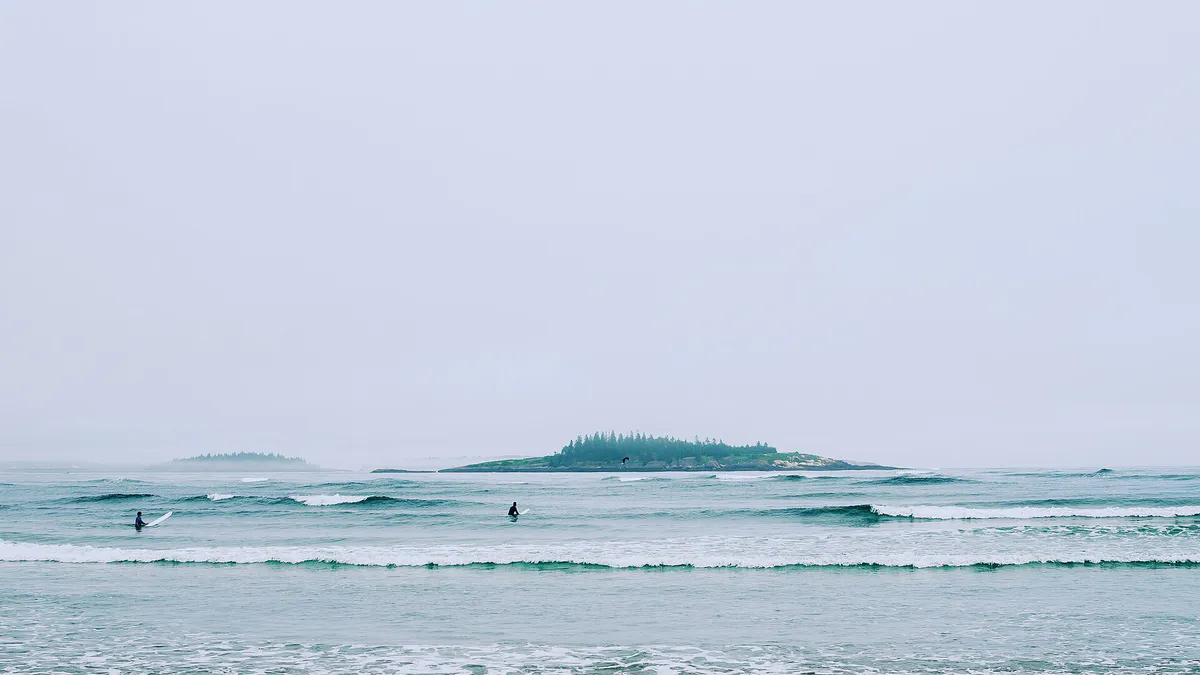
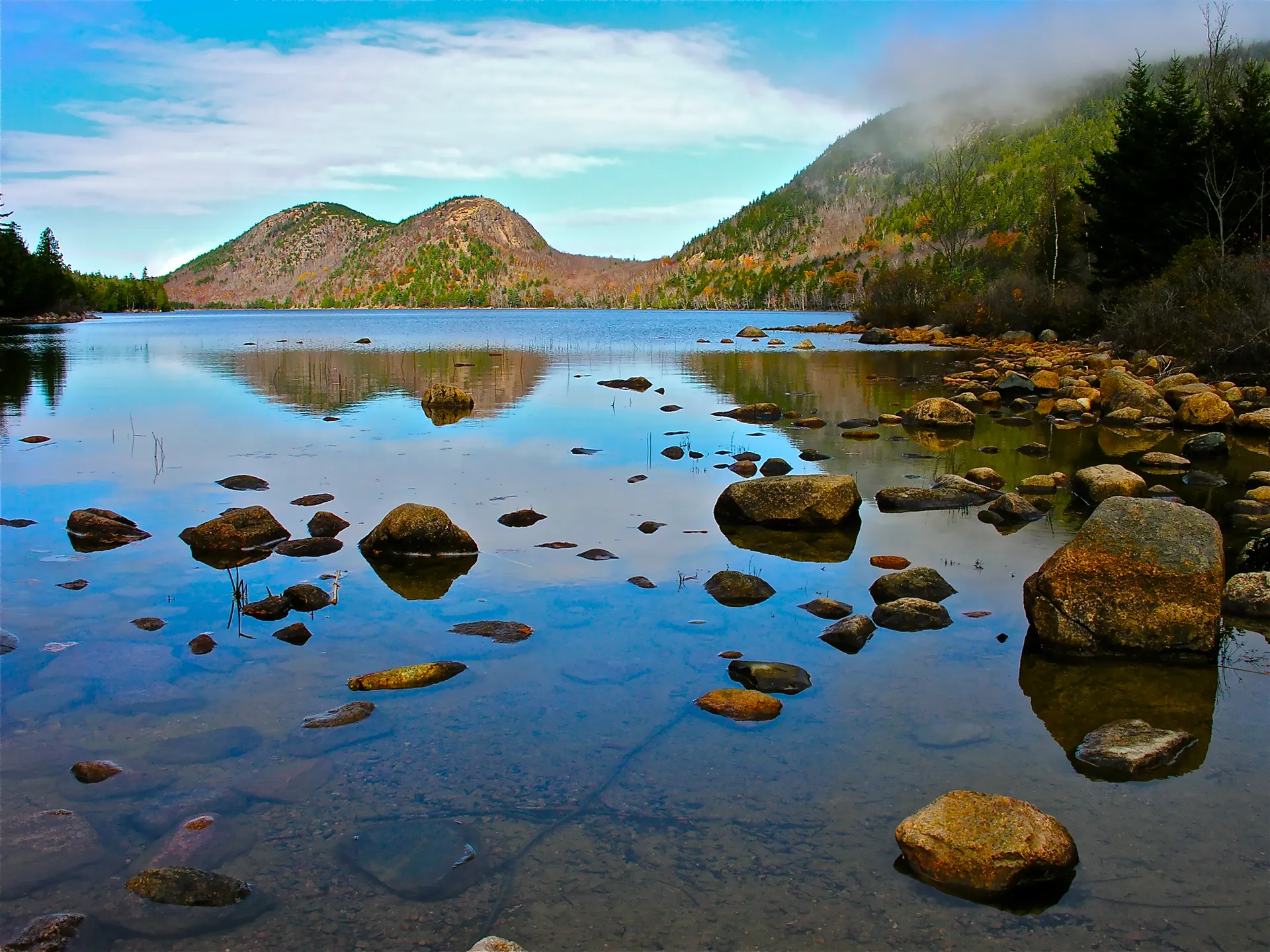
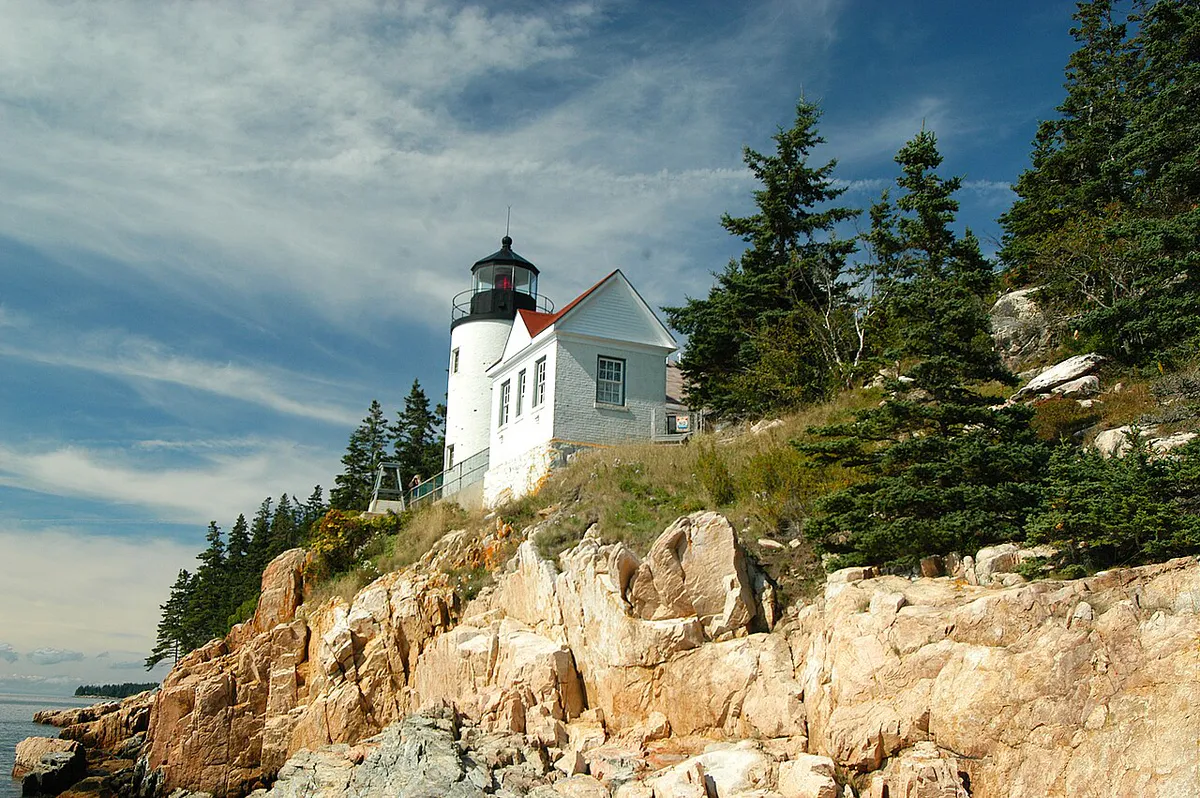
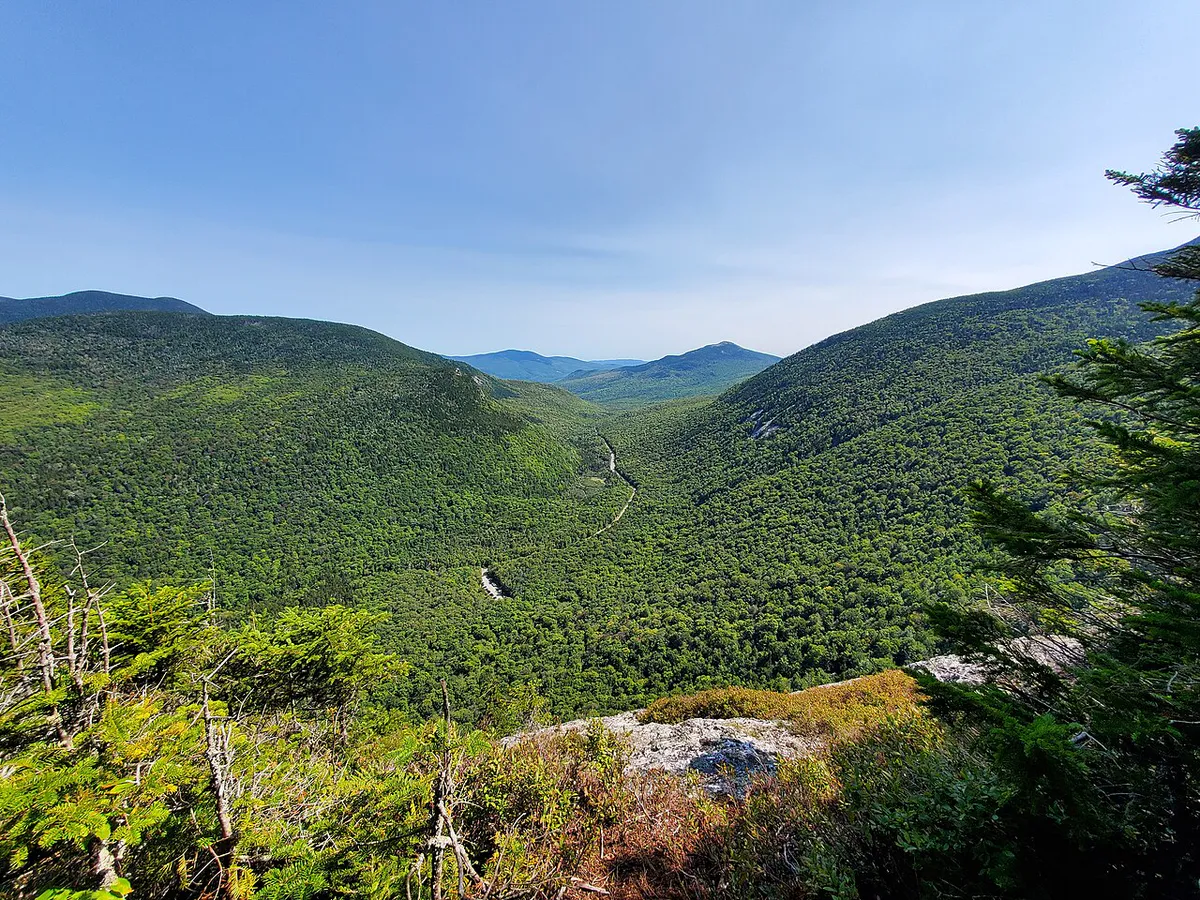
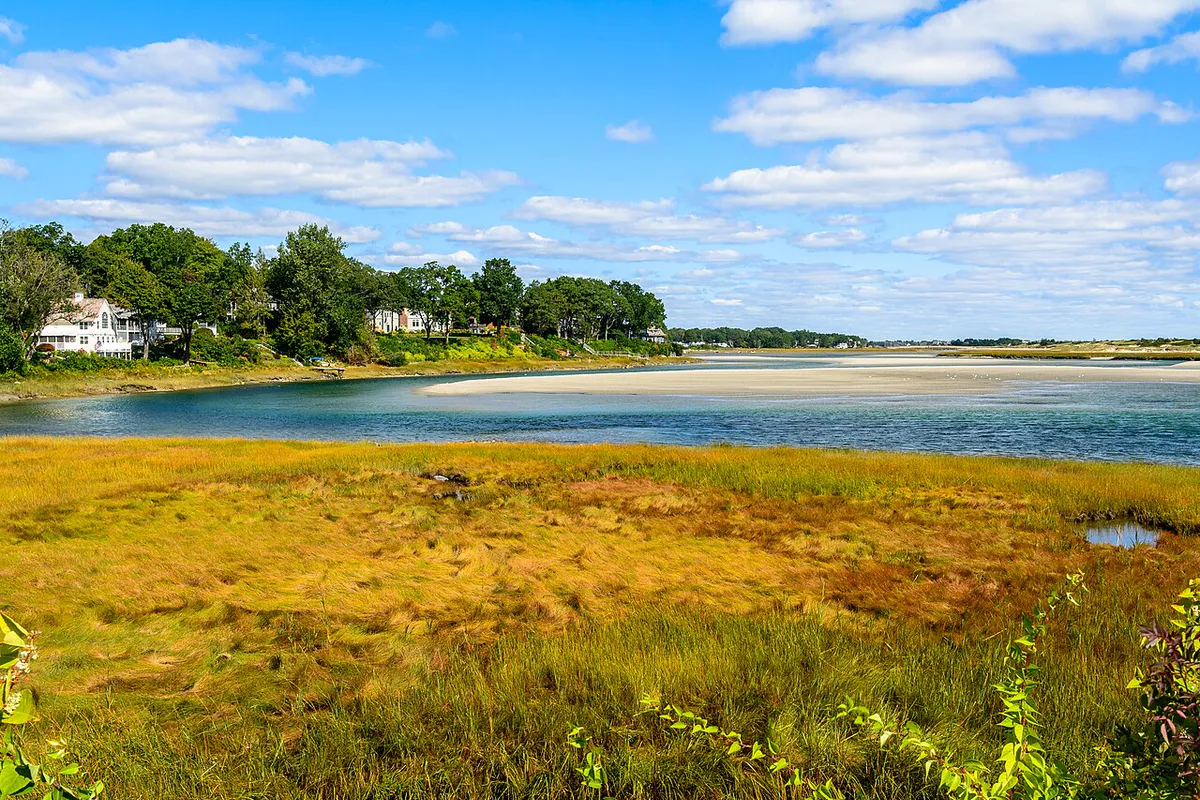
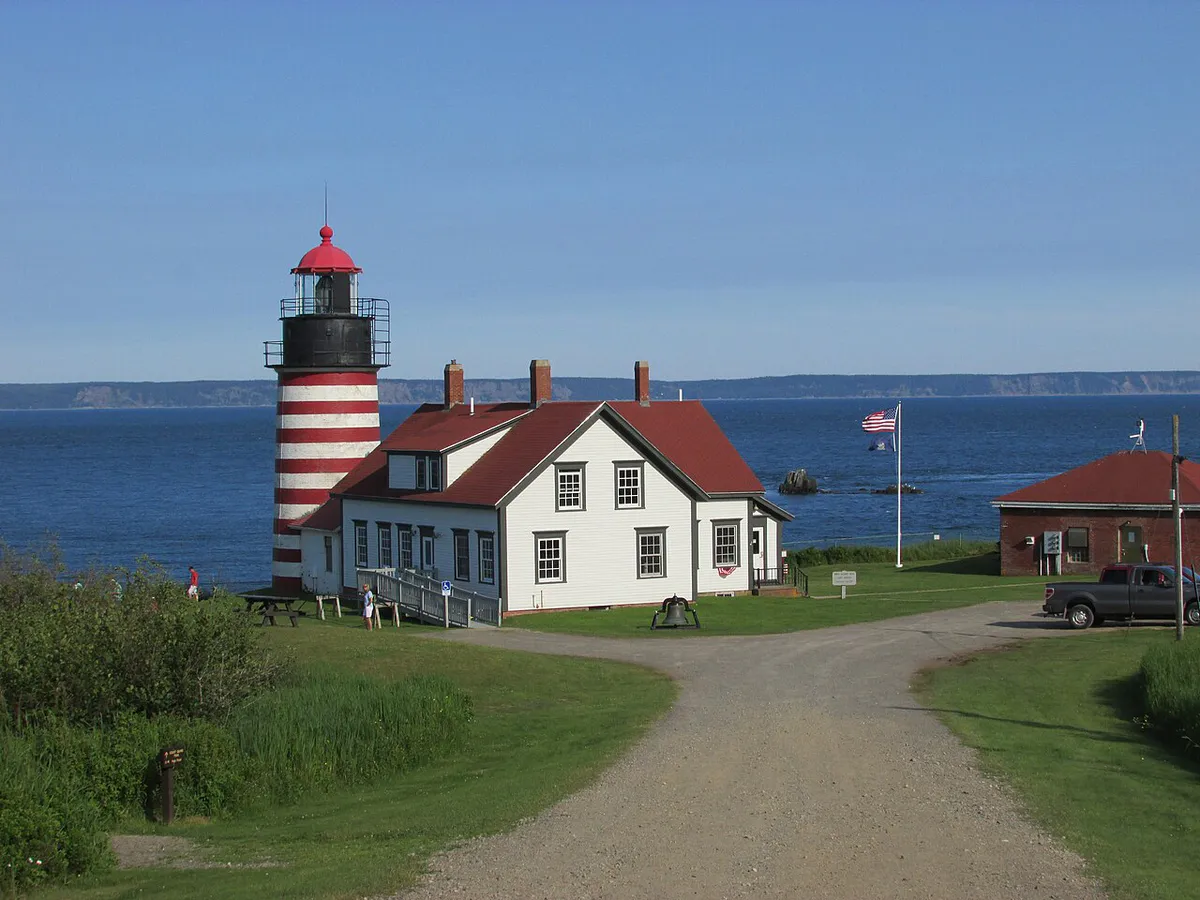
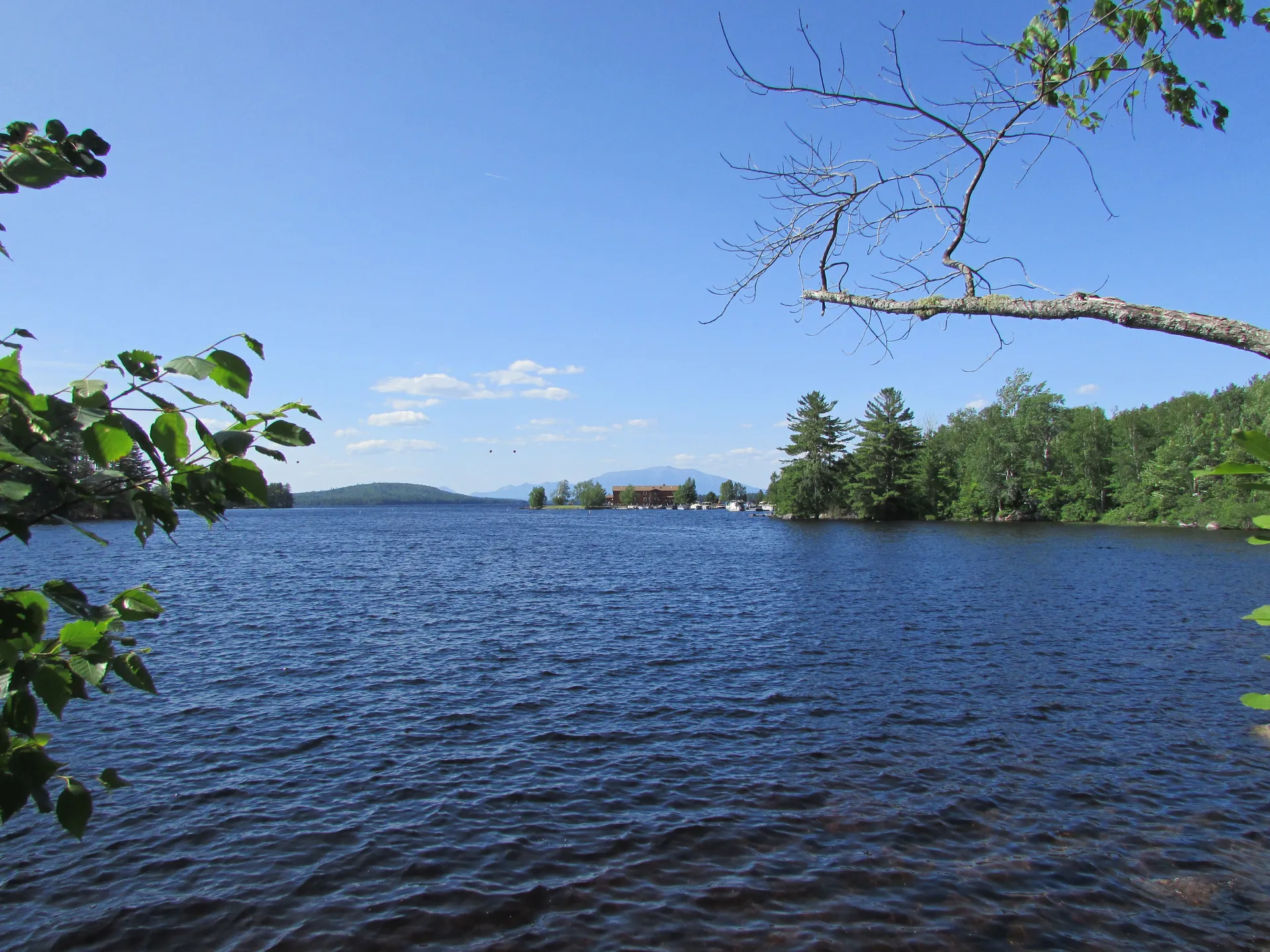
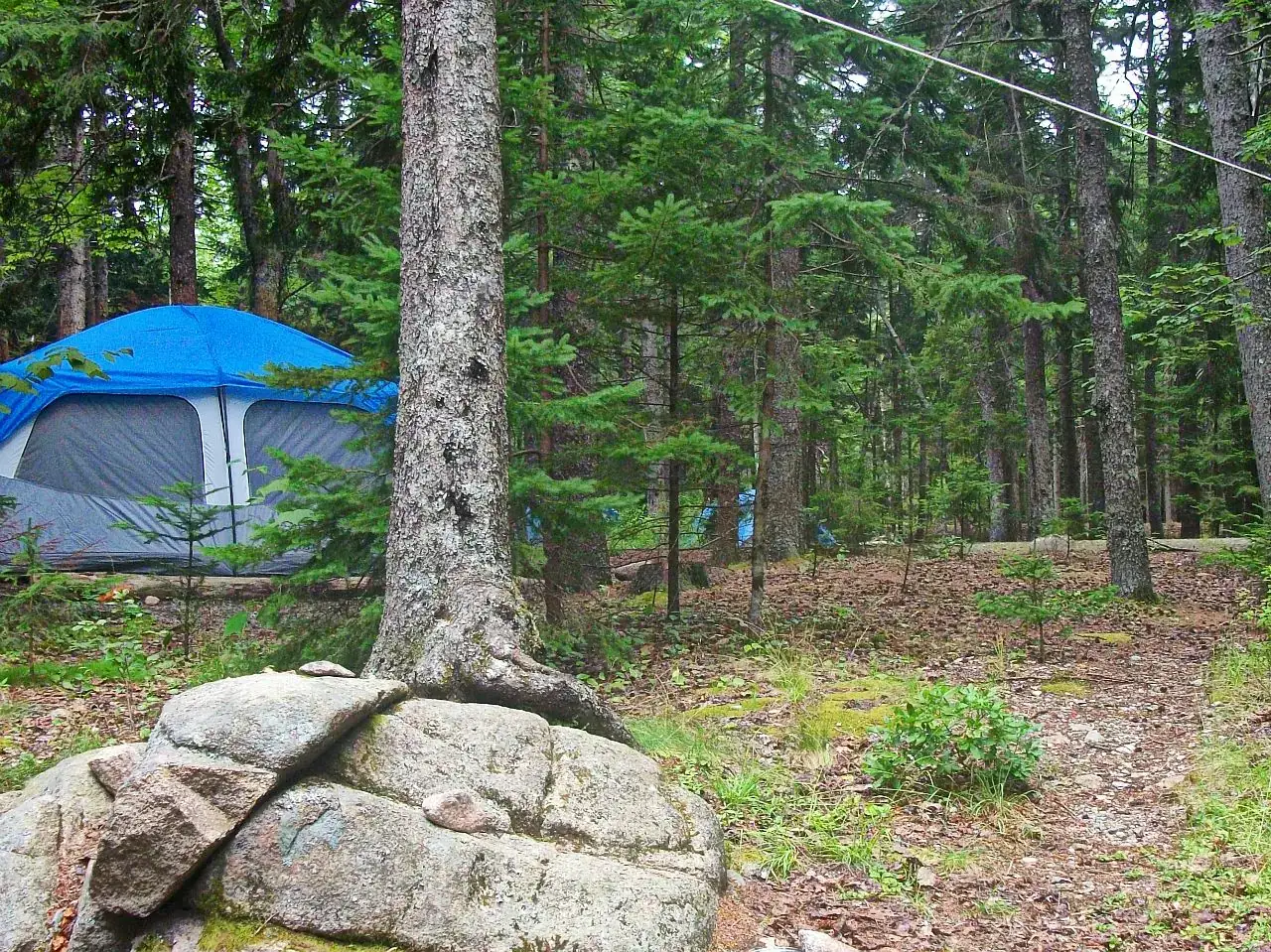
Maine camping is not a generic outdoor experience. A campsite at Hermit Island on the Phippsburg peninsula will be foggy, rocky, and salty. A site at Lily Bay on Moosehead Lake will be cold overnight even in July and absolutely crawling with black flies in late May. Sebago Lake State Park in June gets afternoon thunderstorms that come off the lake with little warning. The state rewards campers who pack for what Maine actually is, not for what they imagine camping to be. This checklist is built around that reality.
Shelter and Sleep
Your shelter setup determines everything else. Maine nights are cold across nearly every region, even in peak summer. The midcoast can drop into the 50s in July. The western lakes and mountains hit the 40s regularly from late August on. A tent that is fine for Virginia or Ohio in June is undersized for Maine.
Shelter and Sleep
- Three-season or four-season tent rated for rain and wind
- Tent footprint or ground cloth
- Sleeping bag rated 10 to 15 degrees below the expected overnight low
- Sleeping pad, insulated, with an R-value of 3 or higher for summer
- Tent-repair tape and extra stakes
- Extra guy lines for exposed sites like Hermit Island
- Pillow or stuff-sack pillow
- Lightweight camp blanket for cold mornings
A three-season tent handles Maine’s summer and fall well, but it needs to be rated for genuine rain and have a full-coverage rainfly. Mesh-heavy summer tents work fine in clear conditions but turn into cold puddles when coastal fog rolls in overnight. Look for something with taped seams and a fly that reaches close to the ground.
See our full guide to family tents for Maine camping for options that hold up in the rain and fit Maine’s rocky, uneven sites.
Sleeping bag temperature ratings matter more here than in most states. The common mistake is bringing a bag rated for the average overnight temperature and then being cold because the average is not the low. Go 10 to 15 degrees colder than the forecast low and you will sleep well.
Our sleeping bag guide for Maine covers bags across the full temperature range with picks for kids, couples, and backpackers.
Most Maine campgrounds, especially on the coast and in granite-heavy regions like Acadia and Baxter, have sites with roots, rocks, and significant slope. An insulated sleeping pad matters both for warmth (cold ground draws heat through even a good bag) and for cushion, so it is worth picking one from our roundup of the best sleeping pads for Maine. Inspect your site before dark and arrange your pad where the ground is flattest.
Cooking and Water
Cooking and Water
- Camp stove and fuel canisters, one per 2 to 3 days
- Lighter and backup waterproof matches
- Cook pot, pan, and lid
- Camp mugs and bowls
- Utensil set and a sharp pocket knife
- Biodegradable camp soap
- Sponge and collapsible wash basin
- Water filter or purification tablets
- Collapsible water jugs, 2 to 4 gallons for multi-night sites
- Dry food bag or bear canister for food storage
- Cooler with block ice for perishables
Not all Maine campgrounds have potable water at the site. State park campgrounds typically have central water spigots, but backcountry sites on the Allagash, in Baxter, or along the Appalachian Trail require you to treat water from streams and lakes. A water filter is non-negotiable for any backcountry trip and a useful backup for drive-in camping too.
For drive-in sites, a two-burner camp stove covers most cooking needs. See our camping stove guide for Maine for picks that perform well in wind and rain.
A quality cooler earns its keep on multi-night trips. Block ice lasts significantly longer than cubed. Pre-chill your cooler overnight before loading it and keep it in the shade.
In bear country, which is most of Maine, store food and anything scented in your car trunk or a bear canister when you are not actively cooking. Many Maine campgrounds have bear boxes at the site, but not all. Check before you go. The Allagash Wilderness Waterway, Baxter State Park, and remote public lands generally expect you to have your own storage.
Clothing and Layers
This is where campers who have never visited Maine get into trouble. The state has four distinct seasons compressed into the summer camping window, and you can experience all of them in 48 hours.
Clothing and Layers
- Moisture-wicking base layers, top and bottom, no cotton
- Fleece mid-layer or synthetic insulated jacket
- Packable rain jacket with hood, non-negotiable
- Rain pants, especially in May, September, and October
- Quick-dry hiking pants and camp shorts
- Long sleeve shirt for bug and sun protection
- Warm hat and lightweight gloves, even in July for mountain camps
- Sun hat with a brim
- Wool or synthetic socks, at least 2 to 3 pairs per person
- Camp shoes or sandals for around the site
- Waterproof hiking boots for any trail hiking
The rain jacket is the single most important clothing item for Maine camping. Not a rain-resistant shell, a genuinely waterproof jacket with a hood, taped seams, and a packable design. Coastal fog, afternoon thunderstorms, and overnight rain are all common enough that you will use it. See our rain gear guide for Maine if you need to upgrade before your trip.
Cotton is the wrong fabric choice for Maine. It absorbs moisture from rain, fog, and sweat, takes forever to dry, and leaves you cold when temperatures drop after dark. Merino wool or synthetic base layers and mid-layers dry overnight in a tent.
Cold summer nights are a real thing above 1,000 feet. Bring a warm hat and light gloves even for July and August trips to Baxter, Grafton Notch, or the Rangeley Lakes area.
Bug Protection
Maine’s bugs are the thing visitors most frequently underestimate. Ticks are active from spring through late fall. Black flies are at their worst from mid-May through mid-to-late June. Mosquitoes peak at dusk and dawn throughout the summer.
Bug Protection
- Picaridin or DEET insect repellent
- Permethrin spray for treating clothing before the trip
- Head net, critical for black fly season from mid-May through June
- Fine-tipped tweezers or a tick removal tool
- Long pants and long sleeves for dusk and dawn
- Light-colored clothing, which makes ticks easier to spot
Permethrin-treated clothing is the most effective single defense against ticks. Apply it to hiking pants, camp clothes, and socks before your trip and let it dry fully. The treatment bonds to fabric and stays active through several washes. Paired with a skin repellent, it covers the gaps that spray alone misses.
Head nets are worth every penny during black fly season. They sound excessive until you try to cook breakfast near a Maine stream in late May with a cloud of them around your face.
Read our complete tick and bug protection guide for product comparisons and application tips. For timing details, the Maine bug season calendar and the camping during bug season guide cover what to expect month by month.
Peak black fly season in Maine runs roughly from Mother’s Day through Father’s Day, with intensity varying by region and elevation. Low-lying areas near rivers and streams are the worst. Coastal sites and high-elevation ridgelines get significantly less pressure. If your trip falls in this window, bring a head net and permethrin-treated clothing, not just spray.
Lighting and Power
Lighting and Power
- Headlamp with fresh batteries, one per person
- Extra batteries or a rechargeable headlamp
- Lantern for the camp table
- Power bank for phone and device charging
- Solar panel or car charger for multi-night trips
A headlamp is a per-person item, not a per-group item. When you need to find the bathroom at 2 AM or navigate to your tent in the dark, you do not want to share. See our headlamp guide for picks across the brightness and battery-life range. For lighting the whole picnic table while you cook and eat, add a lantern from our guide to the best camping lanterns for Maine, which lasts far longer than running a headlamp on high.
Most Maine state park campgrounds and private campgrounds have no electrical hookups at tent sites. A power bank handles phone charging and keeps a headlamp backup available. A small solar panel makes sense for trips of four or more nights.
Camp Comfort
Camp Comfort
- Camping chairs, one per person
- Camp table for sites without a picnic table
- Screen house or screen tent for cooking and eating
- Tarp or canopy for rain shelter at the site
- Outdoor rug for the tent entrance
- Cards, games, and low-tech entertainment
A screen tent is more than a comfort item in Maine. During mosquito and black fly season it is the difference between cooking dinner in peace and getting eaten alive while you stir the pot. Our guide to the best screen tents for Maine camping covers options with no-see-um mesh fine enough to stop black flies.
Our guide to the best camping chairs for Maine covers lightweight and durable options for rocky sites.
Maine camping also has a hammock culture, especially in the western foothills and around Baxter. If your site has trees with good spacing, a camping hammock is a genuinely nice alternative to a chair.
Safety and Navigation
Safety and Navigation
- First aid kit with moleskin, bandage tape, and antiseptic
- Emergency whistle
- Multi-tool or pocket knife
- Paper map of the park or region
- Downloaded offline trail maps
- Satellite communicator for backcountry trips
- Sunscreen
- Bear canister or bear box, required in some Maine backcountry areas
Cell service is unreliable in most of Maine’s best camping areas. Baxter State Park has essentially none. The Allagash Wilderness Waterway, Moosehead’s backcountry, and the western mountains are all dead zones. Download your maps before you leave and do not rely on a data connection for navigation.
A satellite communicator is worth carrying on any backcountry trip in Maine where rescue would require a helicopter or a multi-day walk-out. It is an insurance item, not an everyday one.
Kids Camping Gear
Kids
- Kids sleeping bag rated for cool nights
- Small headlamp sized for a child's head
- Hiking shoes or waterproof trail shoes in their size
- Full rain gear, jacket and pants
- Kids insect repellent, picaridin formulas at lower concentration
- Portable potty for toddlers if the campground facilities are distant
- Glow sticks for keeping track of kids after dark
- Camp-friendly outdoor toys
Kids get cold faster than adults and have less tolerance for wet boots. Pack a full set of layers for them independently of your own packing. Our guide to kids camping gear for Maine covers tents, sleeping bags, and footwear sized and rated for younger campers.
For campground ideas, the best family camping in Maine and Maine family campgrounds with cabins guides cover the sites best suited for families with kids.
The Things People Forget
These items do not make most packing lists. They make a significant difference in Maine specifically.
- A head net. Even experienced campers skip this until they hit May or June in the North Maine Woods. Pack it even if you do not think you will need it.
- Extra stakes and guy lines. Rocky sites in Acadia and along the coast cannot always be staked in the standard pattern. Bring more than your tent requires and know how to use the guy-out points.
- A dry bag for electronics. Coastal fog, sudden rain squalls, and wet canoe carries all put phones and cameras at risk. A small dry bag is cheap insurance.
- Cash for firewood. Do not bring firewood from home. Maine restricts untreated out-of-state firewood to slow the spread of invasive pests. Buy firewood locally, at or near your campground.
- Sunscreen, even on cloudy days. Coastal Maine is a significant UV environment, especially on the water, and overcast days fool people.
- A backup lighter. Matches get wet and lighters fail. Bring two.
- Campground reservation confirmation. Some Maine parks, especially Baxter, expect proof at the gate.
Do not bring untreated firewood from outside Maine. The state restricts out-of-state firewood under a Maine Forest Service rule to slow the spread of invasive forest pests, including the emerald ash borer. Buy from local vendors at or near your campground. Baxter State Park has its own firewood rules, so check the park’s current guidance before you go. Source: maine.gov.
Maine-Specific Considerations by Region
Midcoast and Islands (Hermit Island, Acadia area, Schoodic): Pack for fog, salt air, and rocky uneven sites. Wind off the water can make a summer night feel much colder than the air temperature suggests. Guy lines for your tent matter more here than anywhere else in Maine.
Western Mountains and Lakes (Sebago, Rangeley, Grafton Notch): Expect cold overnight temperatures and afternoon thunderstorms. Bug pressure is high near rivers and streams from May through July. The elevation at western campsites means nights are cold even in August.
North Maine Woods and Moosehead (Lily Bay, Allagash, Jo-Mary Lake): The most remote camping in Maine. Cell service is minimal to none. Black flies are intense from mid-May through mid-June. Bears are present and food storage is expected. Download maps and emergency contacts before you arrive.
Baxter State Park: Cell service is essentially nonexistent. The park enforces a strict reservation system and turns away campers who are not on the list. Check the park’s firewood and gear rules in advance, and pack for elevation, wind, and cold.
Can I bring firewood from home to my Maine campsite?
Maine restricts bringing untreated firewood from outside the state to prevent the spread of invasive forest pests, including the emerald ash borer. The safest practice is to buy firewood locally, at the campground or from a nearby vendor, rather than hauling it in. Check the current Maine Forest Service guidance and your specific campground's rules before you go. Source: maine.gov.
Do I need a bear canister for camping in Maine?
It depends on where you are camping. Maine state park drive-in campgrounds typically have bear boxes or allow food storage in your vehicle. Backcountry sites in Baxter State Park, the Allagash Wilderness Waterway, and remote public lands expect you to hang food or use a bear canister. Check the specific rules for your destination before you go. Maine has the largest black bear population in the eastern United States, so food storage is taken seriously.
When is black fly season in Maine and how do I handle it?
Black fly season peaks from roughly Mother's Day through Father's Day, with the worst pressure near rivers, streams, and low-lying wooded areas. Coastal sites and ridge campsites get significantly less pressure. Permethrin-treated clothing, a head net, and a picaridin or DEET repellent handle most situations. Timing your trip for July or later reduces the problem significantly.
How cold does it get at night camping in Maine in summer?
Cold enough to matter. Coastal and low-elevation sites can drop into the high 40s and low 50s on July and August nights. Mountain and western lake sites regularly hit the 40s. Northern Maine and Baxter can go lower. Bring a sleeping bag rated for at least 15 to 20 degrees colder than the expected overnight forecast, and always pack a fleece mid-layer.
What gear is specifically different for Maine versus camping elsewhere?
A few things stand out. A full-coverage waterproof rainfly on your tent, not just a mesh tent with a partial fly. A sleeping bag rated for genuinely cold nights even in summer. Permethrin-treated clothing and a head net for bugs. And locally purchased firewood, since bringing untreated firewood from out of state is restricted. These are the gaps that catch unprepared campers in Maine.