
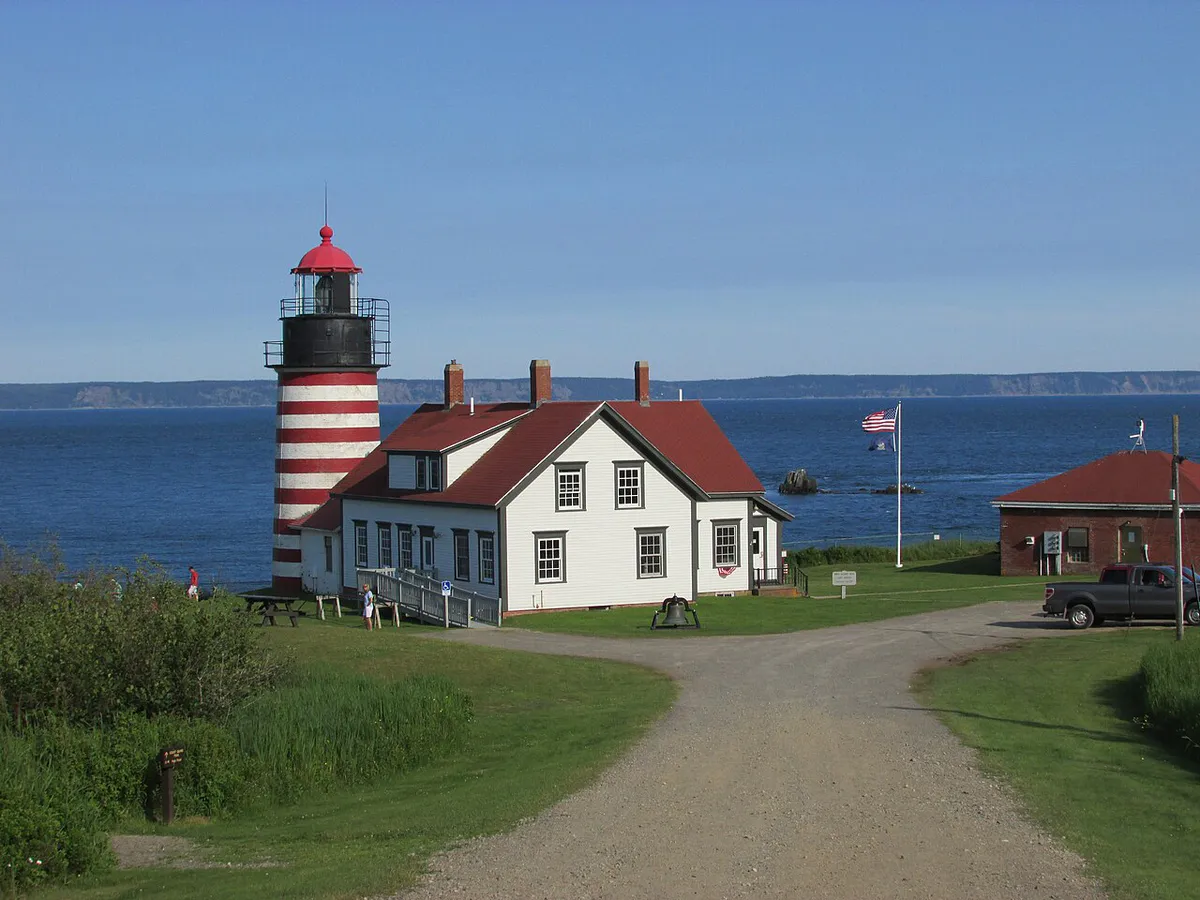
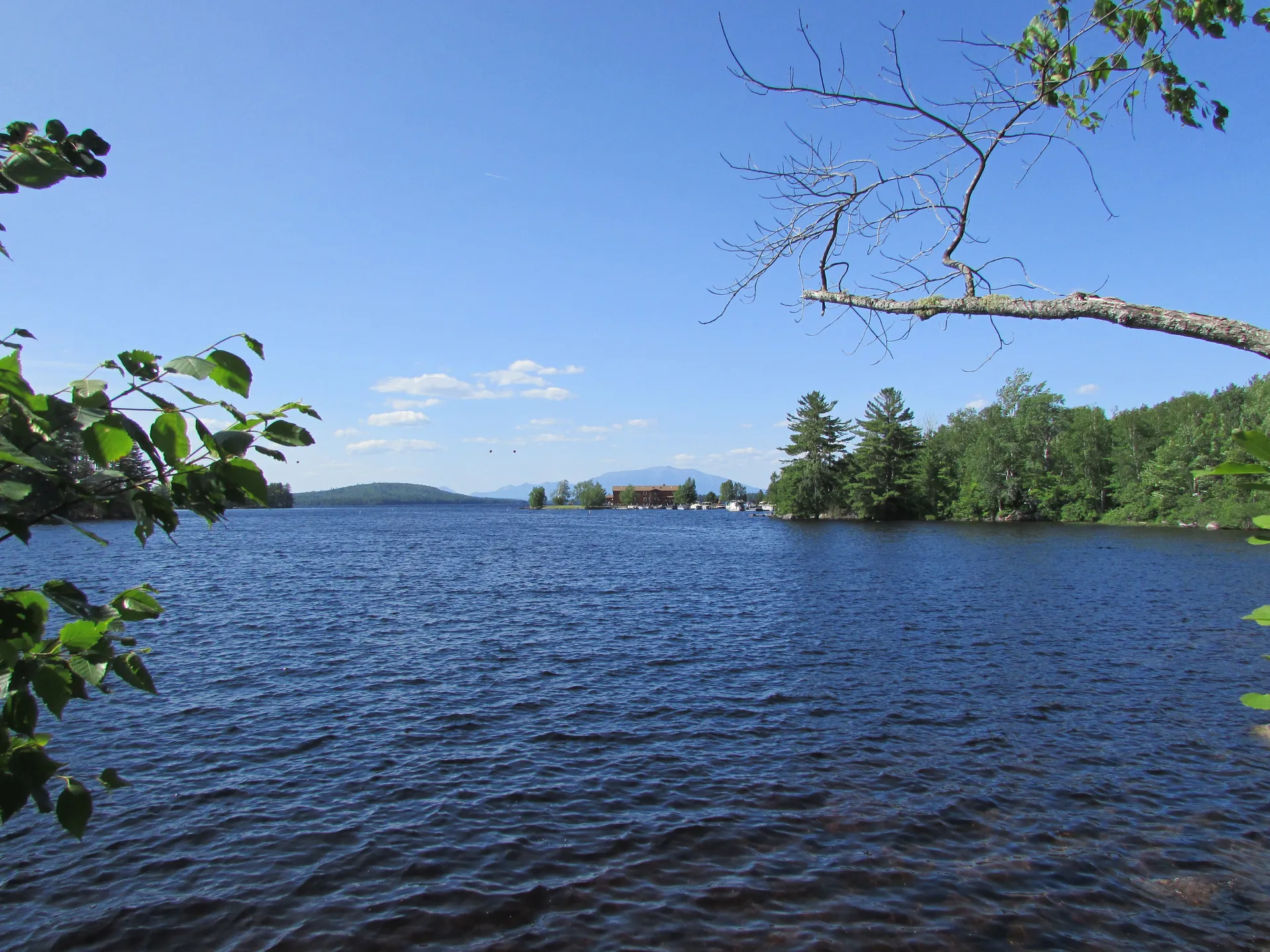
The first cup of coffee on a Maine morning is the one that decides how the day feels. Picture a September dawn at a site near Sebago Lake, the air sitting somewhere around 38 degrees, a steady breeze coming off the water, and your hands too cold to do much but cradle a mug. Whether you get that mug in 90 seconds or 15 minutes comes down entirely to the stove you packed. A fast integrated boiler turns a miserable wait into a non-event. A finicky stove that won’t light in the wind turns it into the worst part of the trip.
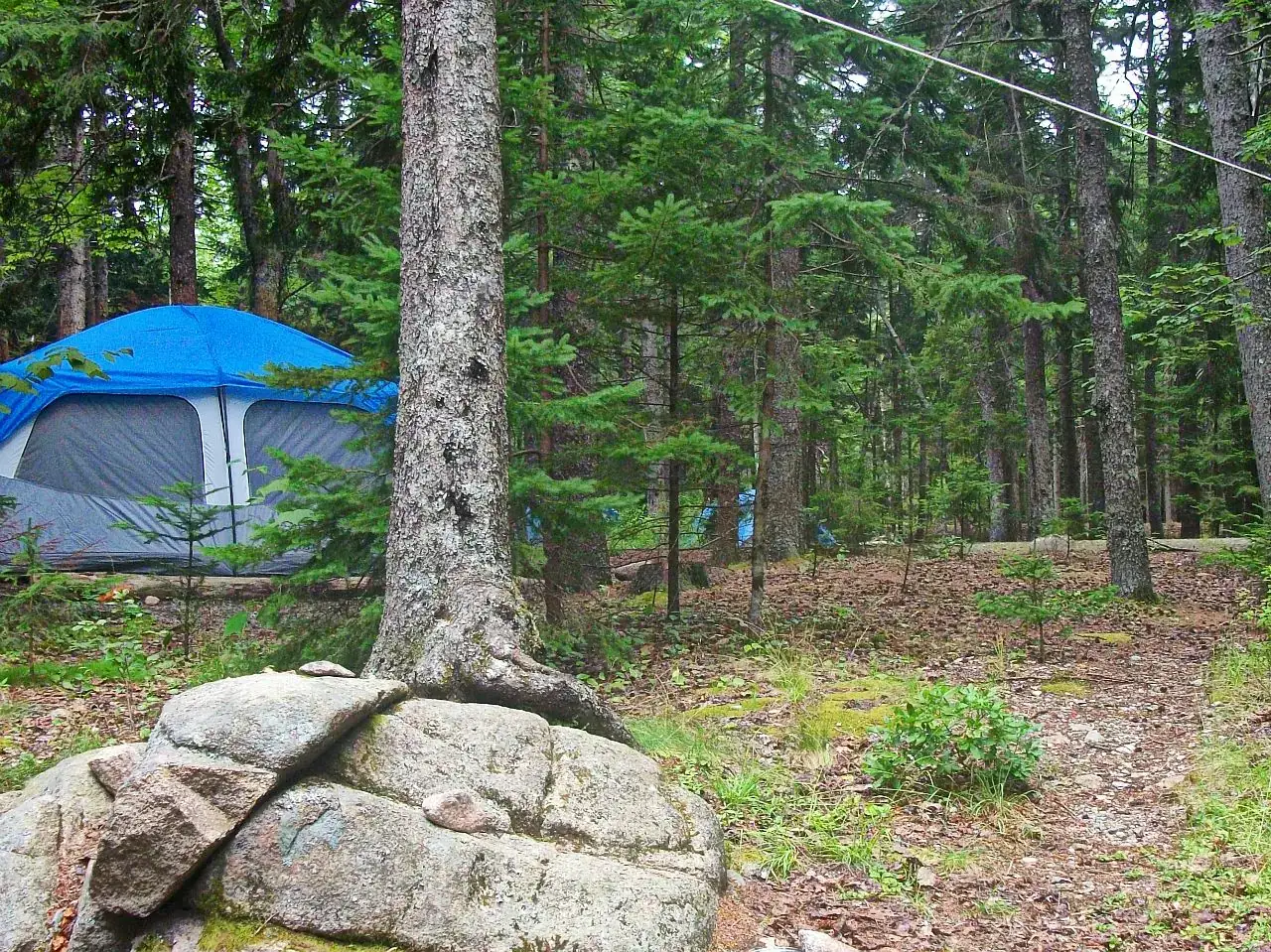
Maine adds a few wrinkles most stove reviews skip. The wind off lakes and the coast wrecks a poorly shielded flame and doubles your fuel use. Cold shoulder-season and high-elevation mornings sap canister pressure, so a stove that screams in July can sputter at first light in October. And the gap between what you can carry into the 100-Mile Wilderness and what you can haul to a drive-up site at Blackwoods Campground in Acadia is enormous. The right stove for one is the wrong stove for the other.
So we split this guide into the three categories that actually matter for Maine: lightweight canister stoves and integrated systems for backpacking, a rugged liquid-fuel stove for cold, and 2-burner propane ranges for car camping where you want to cook real food. The seven picks below cover the realistic situations Maine campers run into.
| Stove | Price | Type | Boil Time | Rating |
|---|---|---|---|---|
| Mid-range | Integrated canister | 100 sec | 4.7 | |
| Budget | Canister | 210 sec | 4.8 | |
| Mid-range | Liquid fuel | 210 sec | 4.6 | |
| Budget | Propane (2-burner) | 300 sec | 4.6 | |
| Mid-range | Propane (2-burner) | 180 sec | 4.8 | |
| Mid-range | Canister | 240 sec | 4.7 | |
| Premium | Wood-burning | 270 sec | 4.3 |
How We Chose
We judged each stove against the real Maine situations it would face, not bench numbers in a calm test lab. Four things mattered most, in this order: wind resistance, cold-weather behavior, how the boil time and fuel type fit the trip, and whether the stove can actually cook or only boil.
Wind came first because Maine punishes it hardest. A site on the open water at Sebago or an exposed shoulder at Moosehead Lake will rob a bare-burner canister stove of half its heat and burn through your fuel doing it. Integrated systems with an insulated cozy, like the Jetboil Flash, and stoves with real wind panels, like the Camp Chef Everest 2X, hold their output when a naked PocketRocket flame is getting blown sideways.
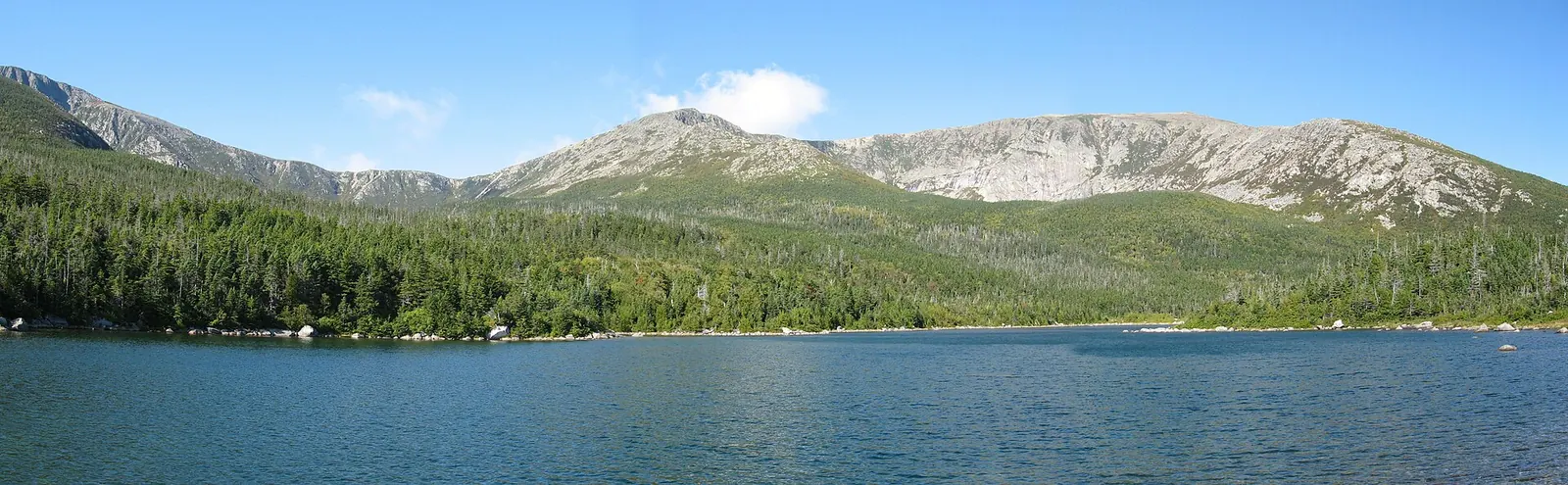
Cold-weather behavior was the second filter, and it splits the field cleanly. Standard isobutane canisters lose pressure as temperatures drop toward and below freezing, so a canister stove that boils fast on a July evening gets sluggish on a frosty October dawn at altitude in Baxter State Park. Liquid-fuel stoves like the WhisperLite International don’t care about the cold at all, which is why they earn their spot despite the extra weight and fuss.
The last two filters were practical. Boil time and fuel type tell you whether a stove suits a fast-and-light backpacking trip or a relaxed car-camping weekend, and simmer control tells you whether you can cook a real dinner or only make boil-in-bag meals. We weighted these against weight, packability, and aggregated owner reviews.
The Stoves We Recommend
Jetboil Flash, Best Integrated System
Mid-range
Jetboil Flash
Who it’s forBest integrated system for fast boils on backpacking trips
Why we picked itBoils a liter in about 100 seconds, the fastest morning coffee on this list
Pros
- Insulated FluxRing cozy holds heat in wind off the water
- Color-change heat indicator tells you when the water is hot
- Everything nests inside the cup for a tidy pack
Know before you buy
- Built for boiling, not real simmering or cooking
- Canister-top design gets tippy on uneven ground
The Jetboil Flash is the stove we reach for when the goal is hot water and nothing more. It runs on an isobutane canister and boils a half-liter in roughly 100 seconds, the fastest thing on this list by a wide margin. The insulated FluxRing cozy that wraps the burner is what makes it work in Maine. On a breezy morning at a Sebago Lake site, the cozy traps heat that a bare flame would lose to the wind, so you get your coffee fast and burn less fuel doing it.
The color-change strip on the side of the cup is a small touch that turns out to matter. It goes from orange to a solid color when the water’s hot, so on a cold dawn you’re not lifting the lid and letting heat escape just to check. Everything nests inside the cup, the stove, a small canister, and the lid, which keeps a backpacking kitchen tidy and contained.
The honest limit is that the Flash is a boiler, not a cooker. The output is hard to throttle down low, so anything more ambitious than rehydrating a meal or making coffee tends to scorch. If you want to actually cook in the backcountry, the Snow Peak GigaPower 2.0 is the better answer. For oatmeal, coffee, and freeze-dried dinners on the trail, the Flash is hard to beat.
MSR PocketRocket 2, Best Lightweight Canister Stove
Budget
MSR PocketRocket 2
Who it’s forBest lightweight canister stove for most backpackers
Why we picked itWeighs 2.6 oz and folds smaller than a deck of cards
Pros
- Better flame control than most canister stoves, so it can actually simmer
- Boils a liter in about 3.5 minutes
- Dead simple, almost nothing to break or service
Know before you buy
- No built-in igniter, so bring a lighter
- Wide flame pattern struggles in strong wind without a screen
The PocketRocket 2 is the stove we’d hand to most backpackers as a first canister stove and never apologize for it. At 2.6 ounces it folds down smaller than a deck of cards, screws onto an isobutane canister, and boils a liter in about three and a half minutes. There’s almost nothing to it, which is exactly the point. Simple gear breaks less, and on a multi-day trip into the 100-Mile Wilderness the stove that can’t malfunction is the one you want.
What sets it apart from cheaper canister stoves is flame control. A lot of bare-burner stoves are either off or a blowtorch, but the PocketRocket 2 can throttle down far enough to actually simmer, which means you can do more than just boil water if you’re patient. The serrated pot supports grip cookware well and the whole thing disappears in a pack.
The two trade-offs are predictable. There’s no built-in igniter, so you carry a lighter (and you should carry a backup lighter regardless). And the wide, exposed flame pattern is vulnerable to wind, so on an open site you’ll want to build a small windbreak with your body or pack to keep boil times honest. For the weight, price, and reliability, it’s the canister stove we recommend most often.
MSR WhisperLite International, Best for Cold
Mid-range
MSR WhisperLite International
Who it’s forBest liquid-fuel stove for cold and shoulder-season trips
Why we picked itBurns white gas, kerosene, or unleaded, so cold never stops it
Pros
- Field-maintainable with the included Shaker Jet and tool kit
- Stable wide stance handles big pots for group cooking
- White gas hugely outperforms canisters below freezing
Know before you buy
- Requires priming and occasional maintenance
- Heavier and bulkier than a canister stove
The WhisperLite International is the stove that doesn’t care how cold it is. It burns white gas, kerosene, or unleaded gasoline from a pressurized bottle, and liquid fuel hugely outperforms canisters below freezing because there’s no canister pressure to drop. On a hard October dawn at altitude in Baxter State Park, when a canister stove is barely simmering, the WhisperLite is still putting out full heat. That’s the whole reason it lives in this guide despite weighing more than the canister options.
It’s also field-serviceable in a way the others aren’t. The included Shaker Jet clears clogs by just shaking the stove, and the kit lets you take it apart and clean it on the trail. The wide, low stance is stable under a big pot, so it’s the stove we’d choose for melting snow or cooking for a group rather than boiling a single mug.
The cost is fuss. You have to prime it, which means burning a little fuel in the cup below the burner to warm it before it runs cleanly, and that takes a minute of practice to get right. It also needs occasional maintenance and it’s bulkier than a canister stove. For warm-weather solo backpacking the simpler PocketRocket wins, but for cold, shoulder-season, and group trips, the WhisperLite is the dependable choice.
Coleman Triton 2-Burner, Best Budget Car-Camping Stove
Budget
Coleman Triton 2-Burner Propane Stove
Who it’s forBest budget 2-burner for family car camping
Why we picked itTwo independent burners for cooking a full breakfast at once
Pros
- Runs on cheap 1 lb propane cylinders found in any Maine general store
- Wind baffles shield the burners at exposed lakeside sites
- Proven design that families have trusted for decades
Know before you buy
- Total output is modest, so big pots are slow to boil
- Bulky and heavy, strictly a car-camping stove
The Coleman Triton is a straightforward stove for a drive-up site. Two independent burners running on 1 lb propane cylinders mean you can have eggs going on one side and coffee on the other, which is the whole point of car camping. At a site at Blackwoods Campground in Acadia, you can run a real breakfast for a family without juggling a single pot.
The fold-up wind baffles are the feature that makes it work on exposed Maine sites. They tuck up around the burners and block enough of a coastal breeze that the flame stays put. The propane is the other quiet advantage. The green 1 lb cylinders are sold in nearly every general store and gas station in Maine, so resupply is never a problem on a longer trip.
The honest limit is bulk. This is strictly a throw-it-in-the-trunk stove with no business in a backpack. For a budget family stove that runs on widely available fuel and handles two pans at once, it is the easy recommendation.
Camp Chef Everest 2X, Best High-Output Car Stove
Mid-range
Camp Chef Everest 2X
Who it’s forBest high-output 2-burner for serious campsite cooking
Why we picked it20,000 BTU per burner boils a big pot fast even in wind
Pros
- Matchless ignition fires both burners instantly
- Tall side panels block wind better than most car stoves
- True simmer control for actual cooking, not just boiling
Know before you buy
- Heavier and pricier than a basic Coleman
- Needs a refillable propane tank and hose for best value
The Camp Chef Everest 2X is the stove for people who actually cook at camp instead of just heating things up. Each burner puts out 20,000 BTU, which is roughly double a basic Coleman, and the difference is obvious the moment you put a full pot on it. At a lakeside site at Moosehead Lake, it’ll bring a big pot to a rolling boil in about three minutes even with a breeze coming across the water.
The tall side and rear wind panels are the best on any car-camping stove we’ve used. They actually surround the burners rather than just folding up a few inches, so the Everest holds its output in wind that would knock a Coleman flame around. The matchless ignition fires both burners instantly with a click, and the burner valves throttle down to a genuine simmer, so you can sear and then hold a sauce without scorching it.
The trade-offs are weight and money. It’s heavier and costs more than a basic Coleman, and to get the best value you’ll want to run it off a refillable 20 lb propane tank with a hose rather than the little 1 lb cylinders. For a camper who treats the campsite kitchen seriously, it’s worth every bit of that. For occasional weekend boiling, the Coleman is enough.
Snow Peak GigaPower 2.0, Best for Backcountry Cooking
Mid-range
Snow Peak GigaPower 2.0
Who it’s forBest canister stove for backcountry cooking, not just boiling
Why we picked itExcellent simmer control for cooking real meals in the backcountry
Pros
- Four pot supports hold larger cookware steadily
- Compact and light at roughly 3 oz
- Built quality that holds up over years of hard use
Know before you buy
- Pricier than a basic canister stove
- No piezo igniter on the base model, so pack a lighter
The Snow Peak GigaPower 2.0 is the canister stove for people who want to cook real meals in the backcountry rather than just boil water. Its standout is simmer control. Where the Jetboil is all or nothing, the GigaPower throttles down to a low, even flame that lets you actually fry, sauté, and hold a gentle simmer on the trail. On a longer trip into the 100-Mile Wilderness where you’re carrying ingredients instead of just freeze-dried pouches, that control is the whole game.
At roughly 3 ounces it’s nearly as light as a PocketRocket, but the four pot supports give it an edge for larger cookware, holding a real pan steadily instead of perching it on three arms. Snow Peak’s build quality is the other reason owners keep these for years. It’s the kind of stove you buy once and stop thinking about.
The downsides are minor. It costs more than a bare-bones canister stove, and the base model has no piezo igniter, so a lighter goes in the kit. If all you want is fast water, the PocketRocket is cheaper and the Jetboil is faster. But if you cook in the backcountry, the GigaPower’s flame control is worth the difference.
BioLite CampStove 2+, Best Wood-Burning Stove
Premium
BioLite CampStove 2+
Who it’s forBest wood-burning stove for off-grid car camping
Why we picked itBurns twigs and sticks, so there is no fuel to carry or buy
Pros
- Converts fire heat into electricity to charge a phone
- Built-in fan boosts the burn and cuts smoke
- Great fit for car camping where downed wood is plentiful
Know before you buy
- Slow boil times and fussy feeding compared to gas stoves
- Useless during a fire ban or in soaking-wet conditions
The BioLite CampStove 2+ does something none of the others do: it burns twigs and downed sticks instead of gas, so there’s no fuel to carry or buy. A small internal fan, powered by the heat of the fire itself, boosts the burn and cuts the smoke, and any extra electricity it generates can trickle-charge a phone over USB. At a wooded drive-up site near Sebago Lake where dry wood is everywhere, it’s a genuinely fun way to cook and keep a phone topped up.
The appeal is the self-sufficiency. You’ll never run out of fuel as long as there are dead branches on the ground, which makes it a clever pick for car camping and casual use where running to a store for a canister is the kind of errand you’d rather skip. The fan-assisted burn is hotter and cleaner than an open campfire, and feeding it sticks is part of the charm for a lot of people.
The honest reality is that it’s slower and fussier than any gas stove here. Boil times stretch out, you have to keep feeding it, and wet wood after a Maine rain makes it a struggle. It’s also useless during a fire ban, which Maine issues during dry stretches, so it can never be your only stove on a trip where conditions might close fires. As a novelty and a backup at a wooded car-camp, though, nothing else matches it.
Isobutane canisters lose pressure as the temperature drops, so a stove that roars in summer can sputter on a frosty Maine morning. The fix is simple: sleep with the canister inside your sleeping bag on cold nights, and tuck it inside your jacket for a few minutes before you cook. A warm canister puts out far more heat than a cold one. For genuinely cold or shoulder-season trips, a liquid-fuel stove like the WhisperLite sidesteps the problem entirely because there’s no canister pressure to lose.
Matching the Stove to the Trip
The three categories in this guide map almost perfectly onto three kinds of Maine trip.
Backpacking and fast-and-light. If you’re carrying everything on your back into the 100-Mile Wilderness or up into Baxter, weight and packability rule. A canister stove like the PocketRocket 2 or an integrated boiler like the Jetboil Flash is the answer. Choose the Jetboil if you only ever boil water, the PocketRocket if you want a lighter and cheaper option that can still simmer, and the GigaPower if you cook real meals on the trail.
Cold and shoulder-season. Once nights drop near or below freezing, canister performance falls off. For October trips, snow melting, or any high-elevation cold, the liquid-fuel WhisperLite International is the dependable choice because it ignores the cold completely.
Car camping. At a drive-up site like Blackwoods Campground in Acadia, weight stops mattering and you want to cook real food. A 2-burner propane stove is the right tool. The Coleman Triton is the budget choice that handles a family breakfast, and the Camp Chef Everest 2X is the upgrade for higher output, better wind protection, and true simmer control.
Never run a stove inside a tent, vestibule, or any enclosed space. Stoves produce carbon monoxide, which is odorless and deadly, and a knocked-over canister stove can set a tent on fire in seconds. Always cook outside in the open air. Maine also issues fire restrictions and outright open-burning bans during dry stretches, and some of these can affect wood-burning stoves like the BioLite. In Baxter State Park, open fires are only allowed at designated sites. Check current fire conditions with the park or the Maine Forest Service before you rely on any flame, and pack a gas stove as backup if a fire ban is even possible.
On guided trips we almost always run a liquid-fuel stove in the shoulder seasons and a wide pot stand for melting snow and cooking for the group. Canisters are lighter and cleaner for summer, but the day it drops to twenty degrees on a Baxter morning, white gas is what gets hot coffee into eight people before anyone loses their patience. We also never count on finding dry wood after a wet stretch. The forest can be soaked for days.
A Few Things That Belong With the Stove
A windscreen. For canister stoves with a bare burner, like the PocketRocket, a foil or folding windscreen is the single best add-on for a Maine lakeside site. It can cut boil times in half and save real fuel in a breeze. Never fully enclose a canister-top stove though, because trapped heat can overheat the canister.
A spare lighter. Most of these stoves either have no igniter or have one that can fail in the cold or wet. A windproof lighter and a backup in a separate bag is cheap insurance against a cold, dark, no-coffee morning.
Enough fuel, plus a margin. Wind and cold both raise fuel use dramatically. Estimate your canister or bottle needs for the trip, then add a margin for Maine conditions. Running out of fuel two days into the wilderness is a problem with no easy fix.
If you’re building out a full kit, the essential camping gear guide covers the rest of the campsite setup, and the best headlamps for Maine handles the lighting side of those cold pre-dawn cooking sessions.
FAQ
Canister stove or liquid fuel for Maine?
For summer backpacking, a canister stove like the MSR PocketRocket 2 or Jetboil Flash is lighter, cleaner, and simpler. For cold, shoulder-season, or high-elevation trips where temperatures drop near or below freezing, a liquid-fuel stove like the MSR WhisperLite International is far more reliable because canister pressure falls off in the cold and white gas does not.
Will my canister stove work on a cold Maine morning?
It will work, but it loses power as the temperature drops toward freezing because isobutane canister pressure falls in the cold. Keep the canister warm by sleeping with it in your bag and tucking it in your jacket before cooking. If you regularly camp below freezing, switch to a liquid-fuel stove, which is unaffected by the cold.
What stove is best for car camping in Maine?
A 2-burner propane stove. The Coleman Triton is the budget pick that handles a family breakfast and runs on 1 lb cylinders sold across Maine. The Camp Chef Everest 2X is the upgrade with much higher output, better wind panels, and true simmer control for actual cooking. Both are too bulky to backpack with, but weight does not matter at a drive-up site.
How do I keep my stove lit in the wind off a Maine lake?
Wind is the biggest enemy of camp cooking in Maine. Use a windscreen with a bare-burner canister stove, but never fully enclose a canister-top stove because trapped heat can overheat the canister. Integrated systems like the Jetboil Flash have a built-in cozy that resists wind, and car stoves like the Camp Chef Everest 2X have wind panels. Position the stove behind a natural windbreak, a rock or your pack, when you can.
Can I use a camping stove inside my tent?
No. Never run any stove inside a tent, vestibule, or enclosed space. Stoves produce carbon monoxide, which is odorless and can be fatal, and a tipped stove can ignite a tent in seconds. Always cook outside in open air, even when the weather is bad.
Is a wood-burning stove like the BioLite practical in Maine?
It can be fun for car camping where dry downed wood is plentiful, and it charges a phone off the fire. But it is slower and fussier than a gas stove, struggles with wet wood after Maine rain, and is useless during a fire ban. Never make it your only stove on a trip where fire restrictions might be in effect. Treat it as a novelty or a backup, not your primary cooker.