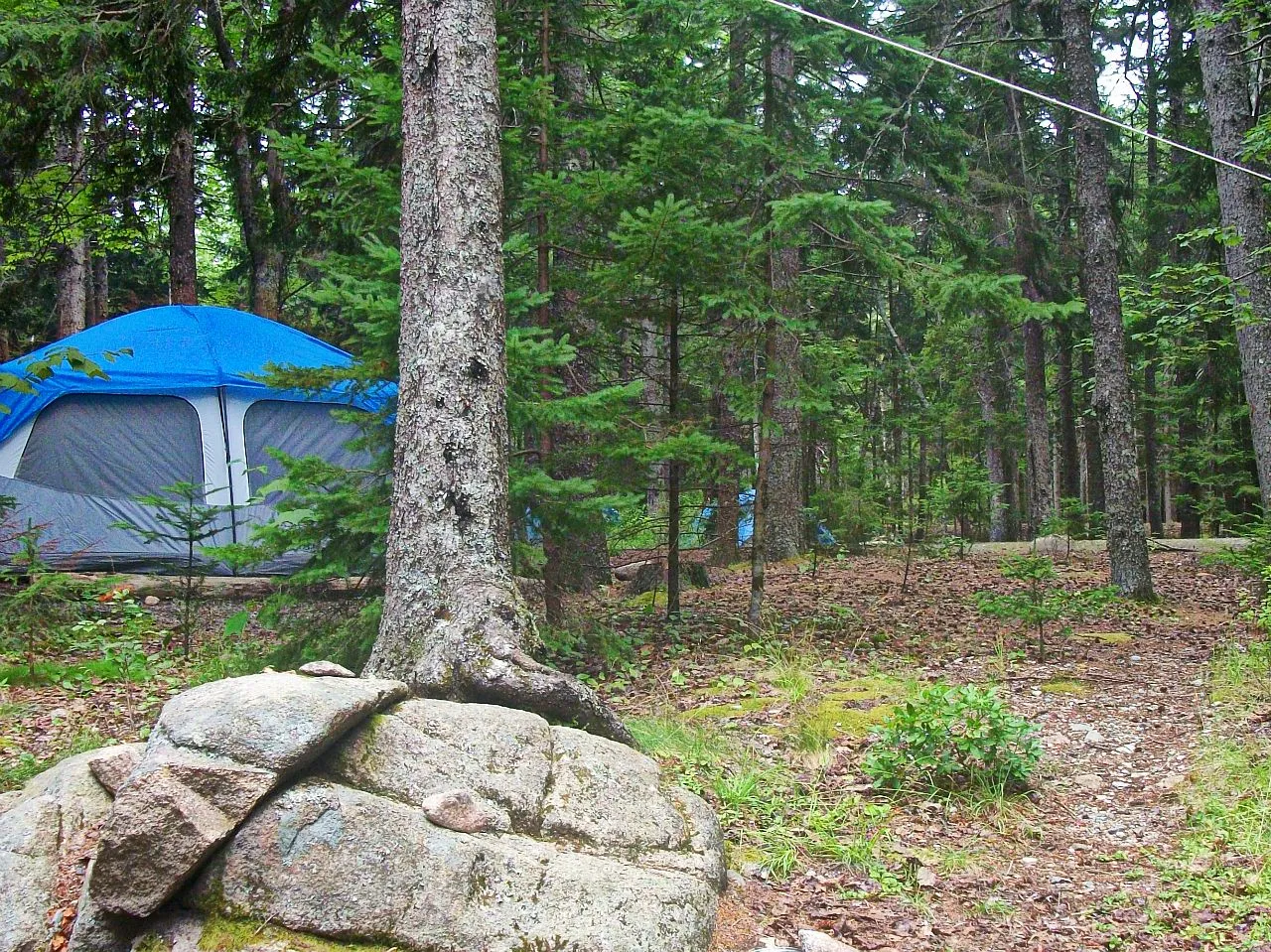
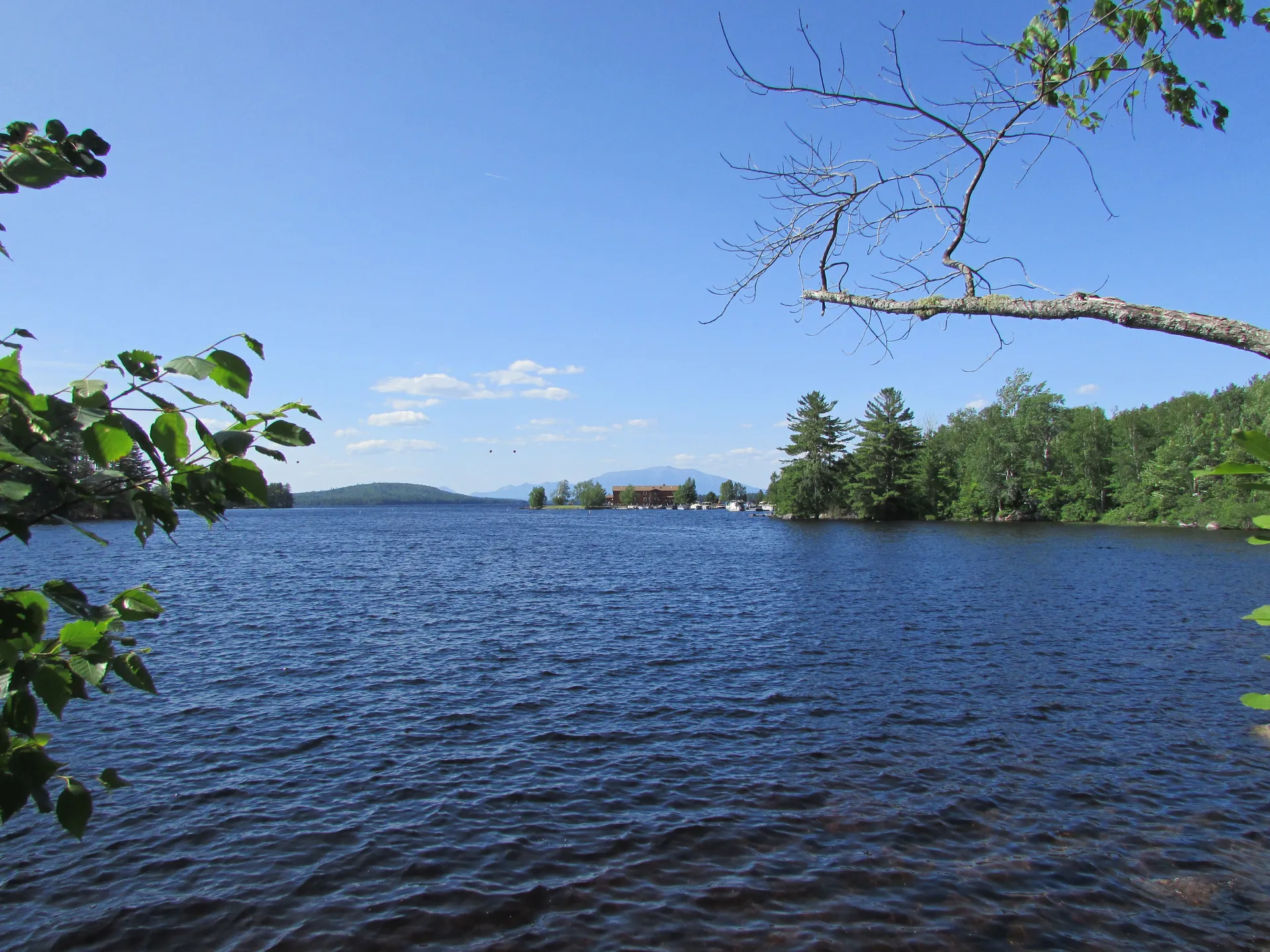
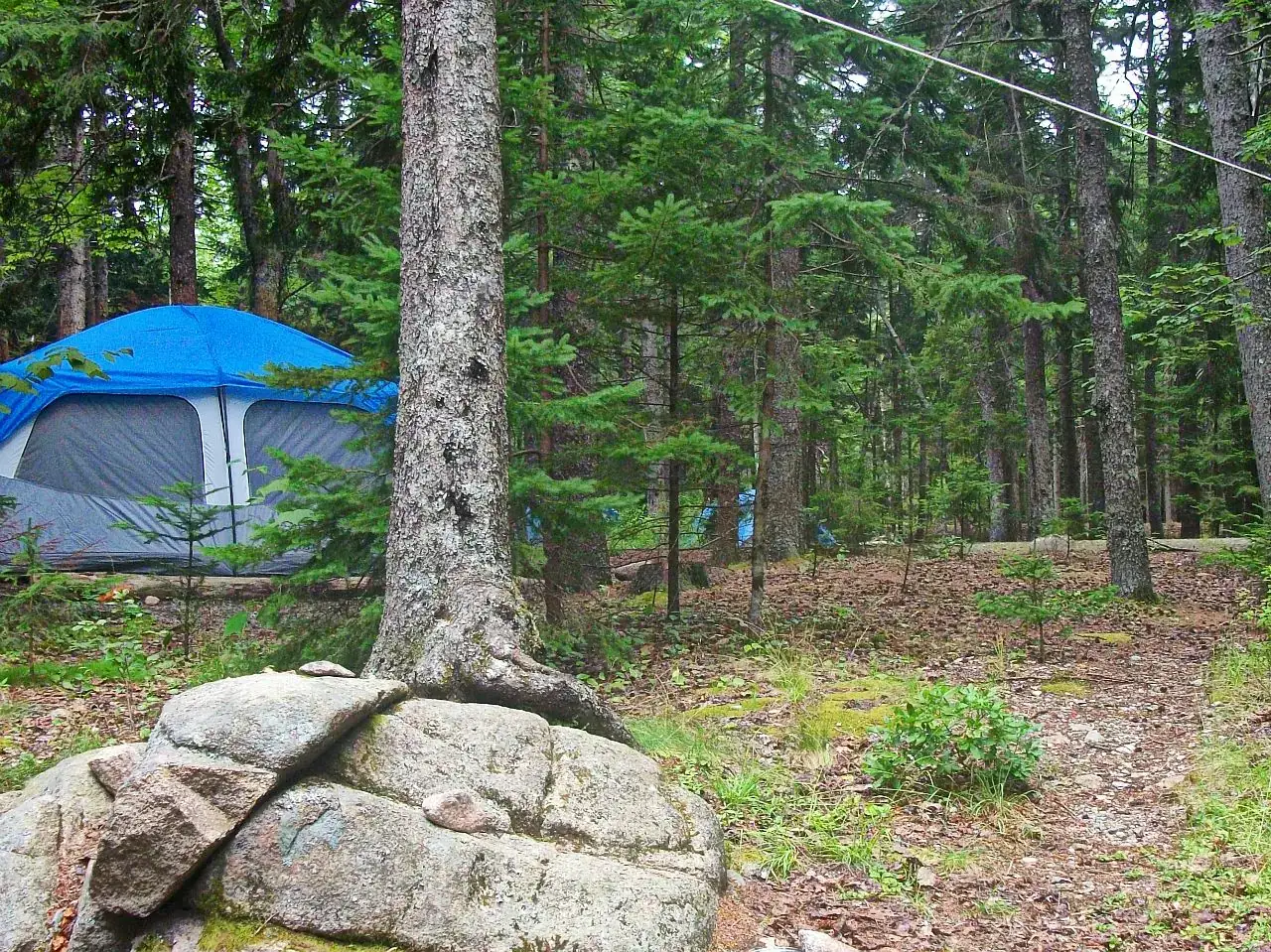
Maine was built for hammock camping. The spruce and fir grow close enough together that finding two trees the right distance apart is never the problem, and thousands of wooded campsites, from drive-in campgrounds to the remote sites we cover in our remote camping guide, put you under a canopy instead of on a tent pad.
The problem is everything else. June black flies will eat you alive in an open hammock, a stretch of cold rain can soak an unprotected one, and the famous cold-back problem shows up fast on a lake breeze even in July. So here is the short answer: if you plan to actually sleep outside, buy the Hennessy Expedition Classic and get the bug mesh, rainfly, and straps in one package. If you want a hammock for lounging at camp and swim spots, the ENO DoubleNest is the one everyone copies. If you are not sure yet, the Wise Owl bundle is the cheap way to find out.
| Gear | Price | Best For | Type | Rating |
|---|---|---|---|---|
| Premium | Sleeping out, bug season | Full shelter system | 4.4 | |
| Mid-range | Camp lounging | Open hammock | 4.8 | |
| Budget | First hammock setup | Hammock + tarp + net | 4.5 | |
| Budget | Tree-friendly hanging | Suspension | 4.8 | |
| Budget | Bug-proofing an open hammock | Bug net | 4.6 | |
| OneTigris underquilt | Mid-range | Cold lake nights | Underquilt | 4.5 |
Can You Actually Sleep in a Hammock in Maine?
Yes, and plenty of people sleep better in one than on the ground, but only if you solve Maine’s two hammock problems: bugs and cold.
Bugs first. Black flies own late May and June in the Maine woods, with mosquitoes taking the evening shift all summer. An open hammock during bug season is a bad joke. You need sewn-in mesh like the Hennessy’s or a wrap-around net like the ENO Guardian, and the mesh has to be no-see-um grade, because regular mosquito netting lets midges walk right through.
Cold is the one that surprises people. Your body compresses the sleeping bag insulation under you, and moving air steals heat through the hammock fabric all night. Campers call it “cold butt syndrome” and it is real at 55°F on a lake shore in July. The fix is insulation that hangs outside the hammock where it cannot compress: an underquilt. Below roughly 40°F, hammock camping in Maine becomes a specialist game, and most people should take a tent from our family tent guide instead.
The Hammocks We Recommend
Hennessy Hammock Expedition Classic - Best for Sleeping Out
Premium
Hennessy Hammock Expedition Classic
Who it’s forBest all-in-one hammock shelter for sleeping out in Maine
Why we picked itComplete shelter in one buy, with rainfly, bug mesh, and straps included
Pros
- 30D no-see-um mesh stops Maine's smallest biting bugs
- Asym shape and structural ridgeline give a flatter, repeatable sleep
- 2 lb 12 oz for the whole system packs smaller than most solo tents
Know before you buy
- Bottom entry takes a few nights to get used to
- Sized for campers up to 6 ft and 250 lbs, taller folks need the XL models
The Expedition Classic is the one to buy if “hammock camping” means camping to you, not just an afternoon nap. One purchase gets you the whole shelter: the hammock body with a tightly woven 70D nylon bottom, sewn-in 30D no-see-um mesh overhead, a 70D ripstop rainfly, spectra-cord suspension rated to 1500 pounds of test strength, and webbing straps to protect the trees. Nothing else on this page is a complete shelter out of the bag.
The design details are what make it sleep well. The patented asymmetrical cut lets you lie on the diagonal, which flattens your back instead of folding you like a banana, and the structural ridgeline means the hammock hangs with the same shape every single night no matter how far apart the trees are. At 2 lb 12 oz packed into a 4 x 7 x 9 inch bundle, it rides in a backpacking pack lighter and smaller than most one-person tents.
Two honest caveats. Entry is through the bottom, a Hennessy signature that seals itself shut under your weight. It works, and it keeps bugs out beautifully, but the first few entries feel like a magic trick you have not learned yet. And the Classic is built for campers up to 6 feet and 250 pounds. If you are taller, Hennessy makes XL versions, but this specific model is not the one for you.
ENO DoubleNest - Best Lounging Hammock
Mid-range
ENO DoubleNest Hammock
Who it’s forBest lounging hammock for camp and swim spots
Why we picked it19 oz and packs down to almost nothing
Pros
- 9.5 ft of fabric fits two people for lakeside lounging
- 400 lb capacity with triple-stitched seams
- The accessory ecosystem (straps, bug net) grows with you
Know before you buy
- No bug net or rainfly, this is an open hammock
- Suspension straps are a separate purchase
Walk through any Maine campground in July and count the ENO hammocks. The DoubleNest earned that by being exactly what most people actually want: 9.5 feet of soft, breathable nylon that packs down small, weighs 19 ounces, and holds 400 pounds, which means you and another person, or you and a dog, or you and a stack of kids at the lake.
The triple-stitched seams have a deserved reputation for surviving years of abuse, and the accessory ecosystem is the quiet advantage. Start with the hammock for camp lounging, add the Atlas straps below, and if you decide you want to sleep out in it, the Guardian bug net converts it without replacing anything.
Know what you are buying, though. The DoubleNest is an open hammock. No bug protection, no rain protection, and the suspension straps are a separate purchase, which catches almost every first-time buyer off guard. As a camp chair replacement and swim-spot luxury it is the best thing going. As a June sleeping shelter, it needs the net.
Wise Owl Outfitters Bundle - Cheapest Complete Setup
Budget
Wise Owl Outfitters Camping Hammock with Rain Fly and Bug Net
Who it’s forCheapest complete hammock setup that can sleep out
Why we picked itHammock, rain tarp, and bug net in one cheap bundle
Pros
- Straps, stakes, ties, and ridge lines all come in the bag
- 400 lb capacity with reinforced stitching
- Low-stakes way to find out if you sleep well in a hammock
Know before you buy
- Every component is a step below the dedicated brands
- Heavier and bulkier than the systems it imitates
The Wise Owl bundle exists to answer one question for not much money: do you actually like sleeping in a hammock? The package includes the single hammock rated to 400 pounds, a waterproof ripstop nylon rain tarp, a mesh bug net, and, crucially, all the straps, stakes, ties, and ridge lines to rig the whole thing. Nothing else to buy, nothing to figure out at the trailhead.
The honest assessment is that every piece is a step below the dedicated gear it imitates. The combined tarp-and-hammock weight is listed at 42 to 50 ounces before the net, so this is car-camping and short-walk gear, not a backpacking system. Seams are reinforced and sealed, but the materials and hardware show their price up close.
That is fine. Plenty of people hang this at Sebago Lake State Park for a weekend, discover they sleep like the dead in a hammock, and upgrade to the Hennessy next season. Plenty of others discover hammocks are not for them, and they are out lunch money instead of real money. Either way the bundle did its job.
ENO Atlas Suspension System - The Straps That Do It Right
Budget
ENO Atlas Suspension System
Who it’s forThe straps that make any hammock tree-friendly
Why we picked itNo knots, 30 attachment points to dial the hang
Pros
- Holds up to 400 lbs at 9 oz
- Wide webbing protects bark, which keeps rangers happy
- Setup drops to under a minute with practice
Know before you buy
- Real money for two straps
- Heavier than ultralight suspension cord
Straps are not glamorous, but they are where hammock camping goes wrong. Thin cord cuts into bark and girdles trees, which is why rangers in some parks look sideways at hammocks in the first place, and badly placed knots dump people on the ground.
The Atlas solves both. The wide webbing spreads the load across the bark instead of biting into it, and 30 attachment points mean you get the right hang angle on the first try with zero knots. The pair weighs 9 ounces and holds 400 pounds. Loop, clip, sit. With a little practice the whole setup takes less than a minute.
The only knock is paying real money for two straps when hardware-store webbing is cheap. Buy them anyway. They are the difference between fiddling for twenty minutes and being in the hammock before your coffee cools, and tree-friendly webbing is what keeps hammocks welcome at Maine campgrounds.
ENO Guardian Bug Net - June Insurance
Budget
ENO Guardian Bug Net
Who it’s forBug season insurance for open hammocks
Why we picked it360-degree mesh seals an open hammock against black flies and mosquitoes
Pros
- Full vertical zipper makes getting in and out painless
- No-knot setup, 15 oz in the pack
- Turns a lounging hammock into a sleeping hammock for June
Know before you buy
- Another 15 oz and another piece to rig
- Pointless if you bought an integrated system like the Hennessy
If you went the DoubleNest route and want to sleep in it, this is the missing piece. The Guardian wraps the entire hammock in 360 degrees of breathable mesh, hangs from its own line with a no-knot setup, and has a full vertical zipper so you are not wrestling fabric every time you get up at night. It weighs 15 ounces.
A wrap-around net matters more than it sounds. Mosquitoes are patient, and they will find the one gap where netting touches your shoulder and bite straight through. Full coverage with the mesh held away from your body is the only version of this that works during a Maine June.
The obvious caveat: if you bought the Hennessy, skip this, the mesh is already sewn in. And the net plus the hammock plus straps starts to approach what an integrated system costs, which is the math to do before you commit to building a sleep setup piece by piece.
OneTigris Night Protector Underquilt - The Cold-Back Fix
Mid-range
OneTigris Night Protector Hammock Underquilt
Who it’s forThe fix for cold nights that a sleeping bag alone can't solve
Why we picked itFull 7.9 x 3.9 ft coverage kills the cold-back problem
Pros
- Rated comfortable from about 40°F up, which covers Maine summer nights
- Hangs with bungees and carabiners in a couple minutes
- 25 oz with a compression sack included
Know before you buy
- Not warm enough for real shoulder-season cold
- Synthetic fill packs bigger than down alternatives
The first cold night in a hammock convinces everyone of the same wrong fix: a thicker sleeping bag. It does not work, because your weight flattens the insulation underneath you into nothing. The fix that works is an underquilt, insulation slung beneath the hammock where it can stay lofted.
The Night Protector is the budget-brand version that gets the essentials right. It is full length at 7.9 by 3.9 feet, so your calves and shoulders are covered, not just your torso, and it hangs in a couple of minutes with bungee loops and carabiners on each end. The shell is 20D ripstop nylon with a DWR coating over polyester fill, it weighs 25 ounces, and it compresses into the included stuff sack.
The rating is the thing to read honestly. OneTigris lists the comfort range at roughly 40°F to 68°F, which covers Maine summer nights on the water almost perfectly and does not cover real October cold. For the May-to-September camping most of us do, that is exactly the right amount of quilt for the money.
Are Hammocks Allowed in Acadia National Park?
Yes, with rules. Acadia only allows camping in its designated campgrounds, so hammock camping there means a site at Blackwoods, Seawall, or Schoodic Woods. The park’s camping rules say hammocks may only be hung from trees you can reach without stepping outside your campsite pad, which in practice means scoping the tree spacing when you pick your site. Wide tree-protecting straps like the Atlas are the way to stay on the right side of the rangers everywhere, not just in Acadia.
Outside the park, most private campgrounds are relaxed about hammocks, and Maine’s backcountry sites, like the ones along the Cutler Coast, put you in dense conifers where a hammock often beats hunting for a flat, root-free tent spot. When a site’s rules are not posted, ask. It is a thirty-second conversation.
Hang the hammock so the lowest point of your body is about chair height off the ground, with the straps at roughly a 30-degree angle. Tighter than that feels secure and sleeps terrible, because a taut hammock squeezes your shoulders like a pea pod. The loose, deep hang is the comfortable one.

Hammock or Tent for Maine?
Take the hammock when you are camping in the woods, which in Maine is most of the time. You skip the hunt for flat ground, rain matters less because you are above the puddles, and a good hang in a spruce stand is genuinely cooler on a muggy August night.
Take the tent when you are camping above treeline, on the open ledges of the Bold Coast, with a group that shares gear, or in cold shoulder-season weather where an underquilt rated to 40°F will not cut it. Our camping gear guide covers the rest of the kit either way, and the bug protection guide covers what to spray on everything you hang.
Check your hang height. The rule of thumb is simple: never hang higher than you are willing to fall. Eighteen inches of clearance under a loaded hammock is plenty, and a low hang over clear ground turns a strap failure into a funny story instead of an ER visit.
What to Bring
- Hammock with bug mesh, or an open hammock plus a wrap-around net
- Wide tree-protecting straps (thin cord damages bark and is banned some places)
- Underquilt for any night near water, even in July
- Rainfly or tarp rigged over the ridgeline
- Permethrin-treated clothes and picaridin for bug season
- Headlamp clipped to the ridgeline before dark
- Stakes for the tarp corners
- A low, safe hang over clear ground
Are hammocks allowed in Acadia National Park?
Yes, at the park's campgrounds. Acadia restricts camping to its designated campgrounds, and its rules allow hammocks only on trees you can access without stepping outside your campsite pad. Use wide tree-protecting straps, and check tree spacing when you choose your site.
What is the best camping hammock for Maine?
The Hennessy Expedition Classic is the best choice for actually sleeping out, because the no-see-um mesh, rainfly, and straps come as one complete system that handles Maine's bug season. For camp lounging, the ENO DoubleNest with Atlas straps is the setup you see at every campground in the state.
Do I need an underquilt for summer hammock camping in Maine?
On most nights near water, yes. Air moving under the hammock pulls heat through the compressed insulation beneath you, and Maine lake and coastal nights regularly drop into the 50s even in midsummer. A 40°F-rated underquilt like the OneTigris Night Protector covers the whole Maine summer season.
How do hammocks handle Maine's black flies?
Only with no-see-um grade mesh. Black flies and midges get through standard mosquito netting, so you want either a sewn-in net like the Hennessy's 30D no-see-um mesh or a 360-degree wrap like the ENO Guardian. Pair the net with permethrin-treated clothing during late May and June, when the black flies are at their worst.
Can two people sleep in a DoubleNest hammock?
It holds two people for lounging, with a 400 pound capacity and 9.5 feet of fabric. Sleeping overnight is a different story. Two adults in one hammock roll into each other all night, so for actual camping, the standard advice is one hammock per sleeper.
Is a cheap hammock bundle good enough to start?
Yes, with honest expectations. The Wise Owl bundle includes the hammock, tarp, bug net, and all the rigging for less than most bare hammocks cost, and it genuinely works for car camping. The components are heavier and rougher than dedicated gear, so treat it as the test run before a system like the Hennessy.