

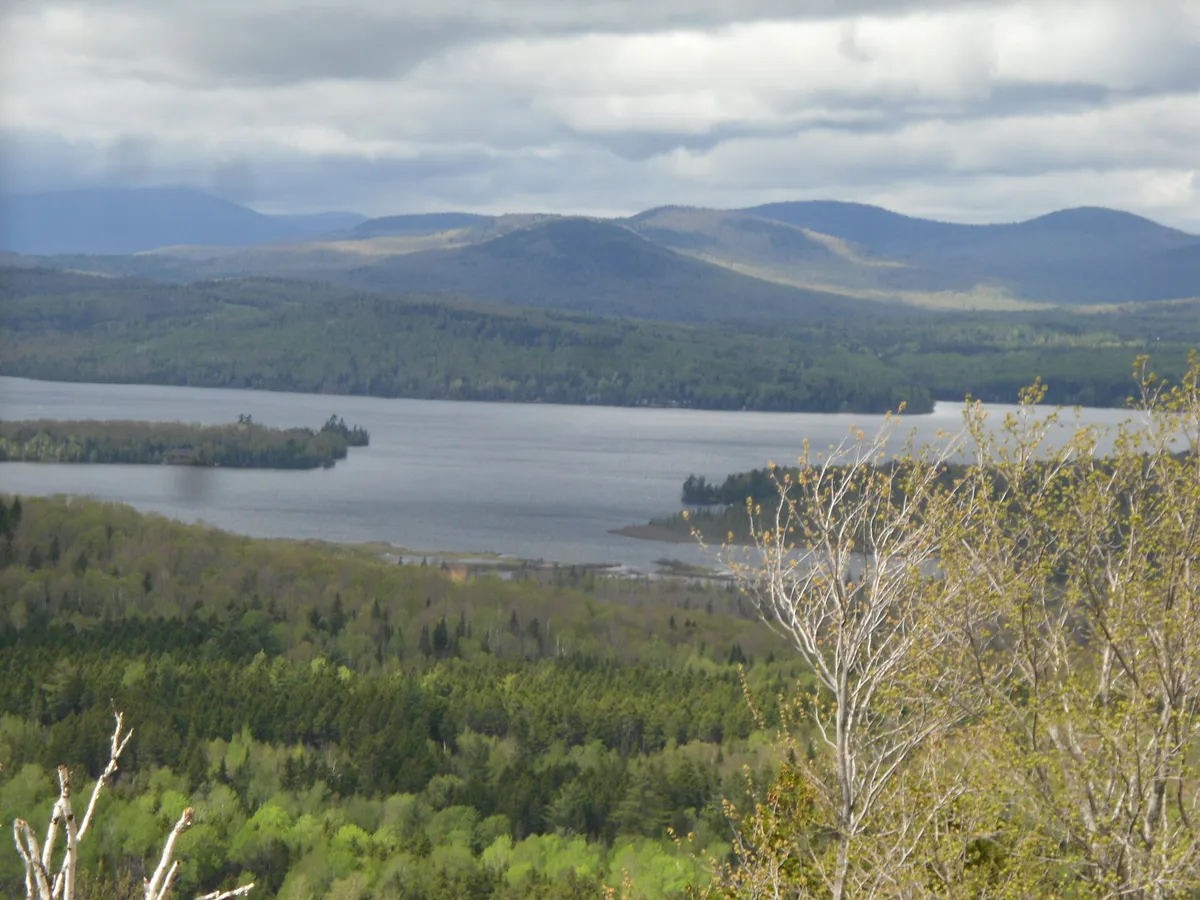
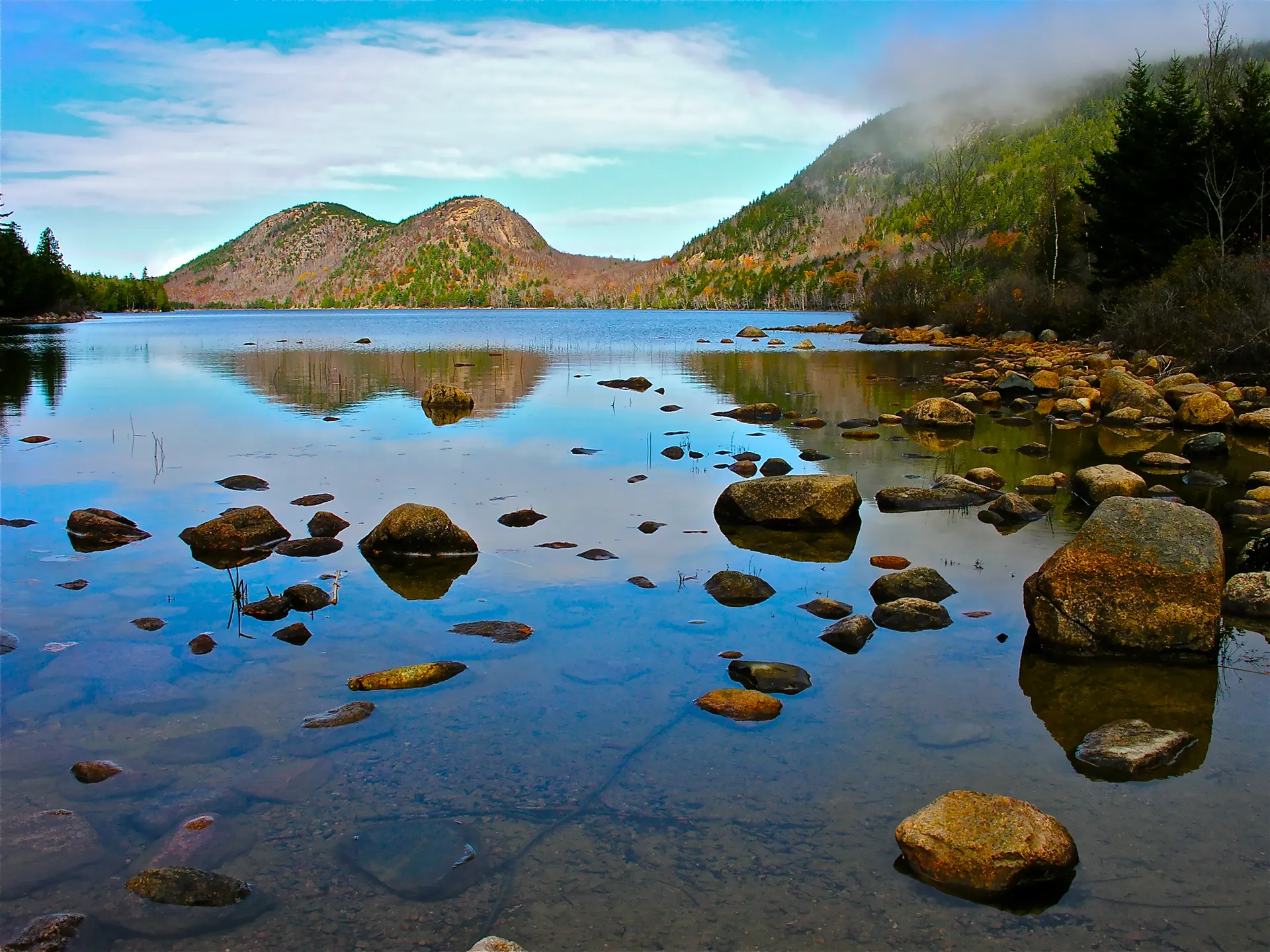
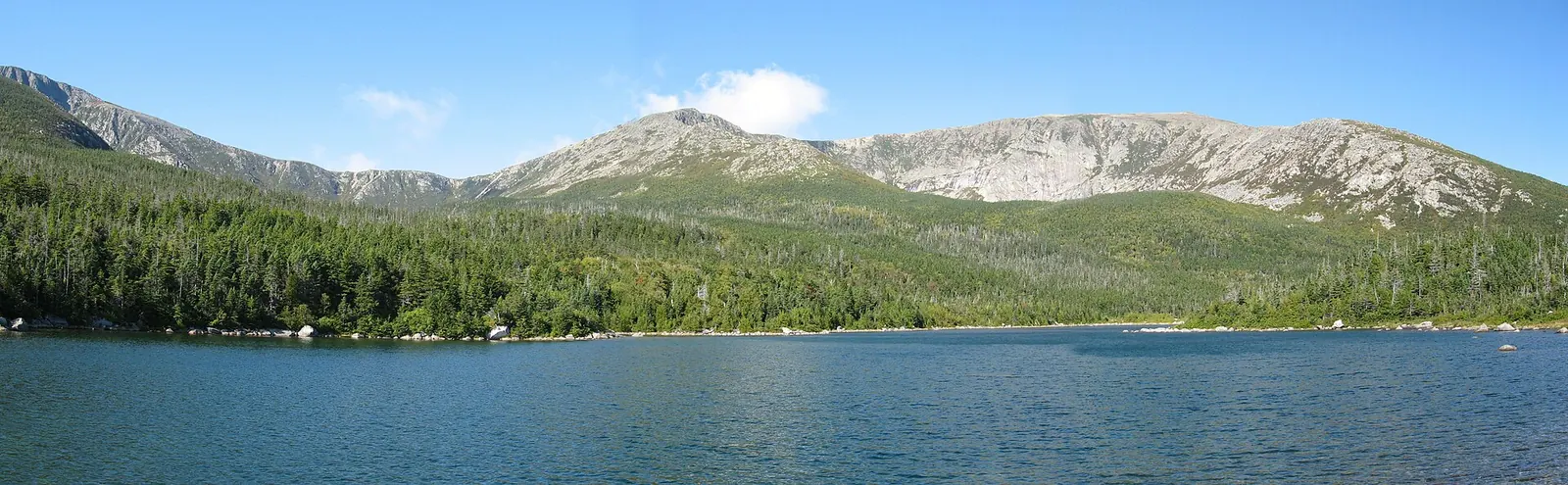
Maine has 14 peaks over 4,000 feet on the Appalachian Mountain Club’s official list. New Hampshire has 48. Vermont has 5. What Maine lacks in quantity it makes up in character. The list includes the tallest mountain in the state (Katahdin, at 5,268 feet), a trailless peak reached only by herd path (Redington), and one of the longest alpine ridge walks in the East (the Bigelows). All 14 count toward the AMC Four Thousand Footer Club New England list, and most people who finish them spend years doing so.
This guide is organized by region, because that is how people actually hike these peaks. Nobody does them alphabetically. You knock out the Carrabassett cluster in a summer, you plan Baxter trips around your day-use reservations, and Redington you save for a weekend you are ready to bushwhack. The 4000-footers are the toughest end of our wider list of the best hikes in Maine, if you want gentler options to build up to them.
| Peak | Elevation | Region | Difficulty | Roundtrip |
|---|---|---|---|---|
| Katahdin (Baxter Peak) | 5,268 ft | Baxter | Very hard | 10-11 mi |
| Hamlin Peak | 4,756 ft | Baxter | Hard | 9-10 mi |
| Sugarloaf | 4,250 ft | Carrabassett | Moderate | 5 mi |
| Old Speck | 4,170 ft | Grafton Notch | Hard | 7.6 mi |
| Crocker Mountain (N) | 4,228 ft | Carrabassett | Hard | 9-10 mi |
| South Crocker | 4,050 ft | Carrabassett | Hard | 9-10 mi |
| Bigelow West Peak | 4,145 ft | Carrabassett | Hard | 12 mi (w/ Avery) |
| Avery Peak | 4,090 ft | Carrabassett | Hard | 12 mi (w/ West) |
| North Brother | 4,151 ft | Baxter | Hard | 8 mi |
| Saddleback | 4,120 ft | Rangeley | Moderate | 6-7 mi |
| Saddleback Horn | 4,023 ft | Rangeley | Moderate | Add-on from Saddleback |
| Abraham | 4,050 ft | Kingfield | Hard | 8-10 mi |
| Spaulding | 4,010 ft | Carrabassett | Hard | 11-13 mi |
| Redington | 4,010 ft | Rangeley | Very hard (bushwhack) | 8-10 mi |
What Counts as a Maine 4000-Footer
The AMC list requires two things: the summit must be over 4,000 feet, and it must rise at least 200 feet above the col (the low point) connecting it to a higher neighbor. That 200-foot rule keeps the list from ballooning with every bump on a ridge.
On Katahdin, Baxter Peak (5,268) and Hamlin Peak (4,756) both make the list. Pamola Peak, at the far end of the Knife Edge, does not, so you can finish the list without ever crossing the Knife Edge. On Saddleback, the main summit and The Horn both count.
The list is maintained by the AMC and updated occasionally as surveys improve elevation data. The current 14 have been stable for years. The AMC does not offer a separate Maine-only patch: the Maine peaks count toward the New England 4000-footer list (67 total: 48 in NH, 14 in ME, 5 in VT), and finishing all 67 earns the New England patch.
Baxter State Park Peaks (3)
Baxter holds three of the 14: Baxter Peak, Hamlin Peak, and North Brother. It is a long drive from anywhere (3 hours from Bangor, 5 from Portland), the day-use reservation system is strict, and the payoff is some of the best alpine hiking in the East.
Katahdin (Baxter Peak, 5,268 ft)
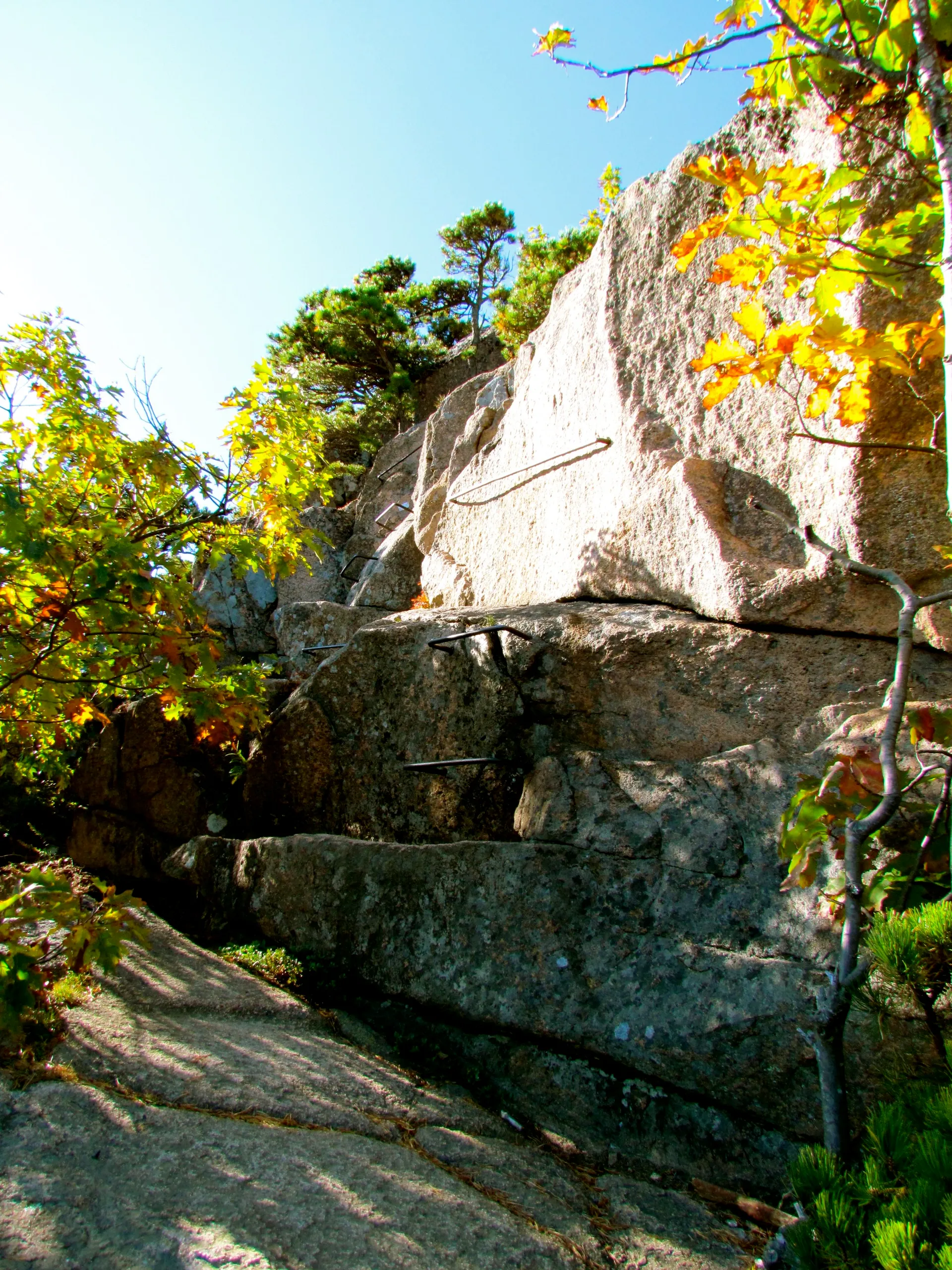
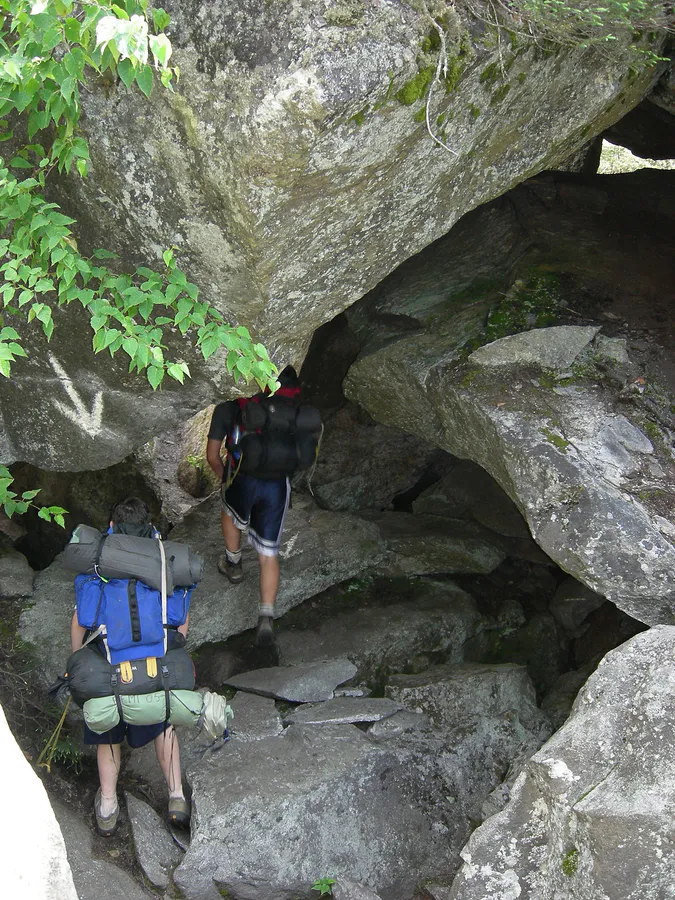
The signature Maine summit. The Hunt Trail is the classic route, starting at Katahdin Stream Campground and climbing through boreal forest, over the Hunt Spur (big granite blocks you scramble on hands and knees), and across the Tableland to the wooden sign at Baxter Peak. It is also the final mile of the Appalachian Trail, and most days in late summer you will pass through-hikers finishing a 2,190-mile walk.
Expect 10 to 11 miles and approximately 4,100 feet of gain. Seven to ten hours is a reasonable pace. The Abol Trail is shorter and more direct but has been rerouted after a landslide and is now comparably hard.
Pamola Peak and the Knife Edge (Not on the List)
Pamola is the southeastern summit of the Katahdin massif. It is not one of the 14, but many peak-baggers want the Knife Edge anyway, so here is what it involves. Most people climb the Helon Taylor Trail from Roaring Brook, cross the Knife Edge (a 1.1-mile ridge that narrows in places to 3 feet wide with 1,000-foot drops on either side), and descend via Baxter Peak and the Saddle Trail. This is the hardest standard route in the state. It is not recommended in bad weather, for anyone afraid of exposure, or as a first Maine 4K.
Hamlin Peak (4,756 ft)
Hamlin is the forgotten Katahdin summit. It sits on the north end of the Tableland, connected to Baxter Peak by a gentle alpine walk. Most people climb it via the Chimney Pond Trail from Roaring Brook to Chimney Pond, then up the Hamlin Ridge Trail. The ridge is open, the view is nearly as good as Katahdin’s, and you will see a fraction of the traffic.
Expect 9 to 10 miles from Roaring Brook. It can be combined with Baxter Peak via the Saddle Trail, but doing both in one day is a big outing.
North Brother (4,151 ft)
North Brother is the peak almost nobody talks about until they start peak-bagging. It is in the northwestern corner of Baxter, accessed from the Marston Trail at the Slide Dam picnic area on the park road. The hike is around 8 miles round trip, steep in the middle, with a scrubby spruce summit that opens to good views of Katahdin, South Brother, and the wilderness west of the park. Plan on 6 to 8 hours.
Katahdin Trailhead Pass (KTP) parking reservations open April 1 for the season, online, by phone, or at the park’s reservations office. Roaring Brook, Katahdin Stream, and Abol, the three trailheads that require one, book out quickly for peak summer weekends. Marston, the North Brother trailhead, is not a KTP trailhead. Plan early or aim for weekdays.
Carrabassett Valley Peaks (7)
Seven of the 14 sit in a roughly 30-mile radius around Carrabassett Valley and Kingfield. This is the densest cluster of Maine 4000-footers and the most efficient region to bag peaks in. The Bigelow Preserve runs along one ridge, Sugarloaf and the Crockers along another, and Abraham and Spaulding along a third.
Sugarloaf (4,250 ft)
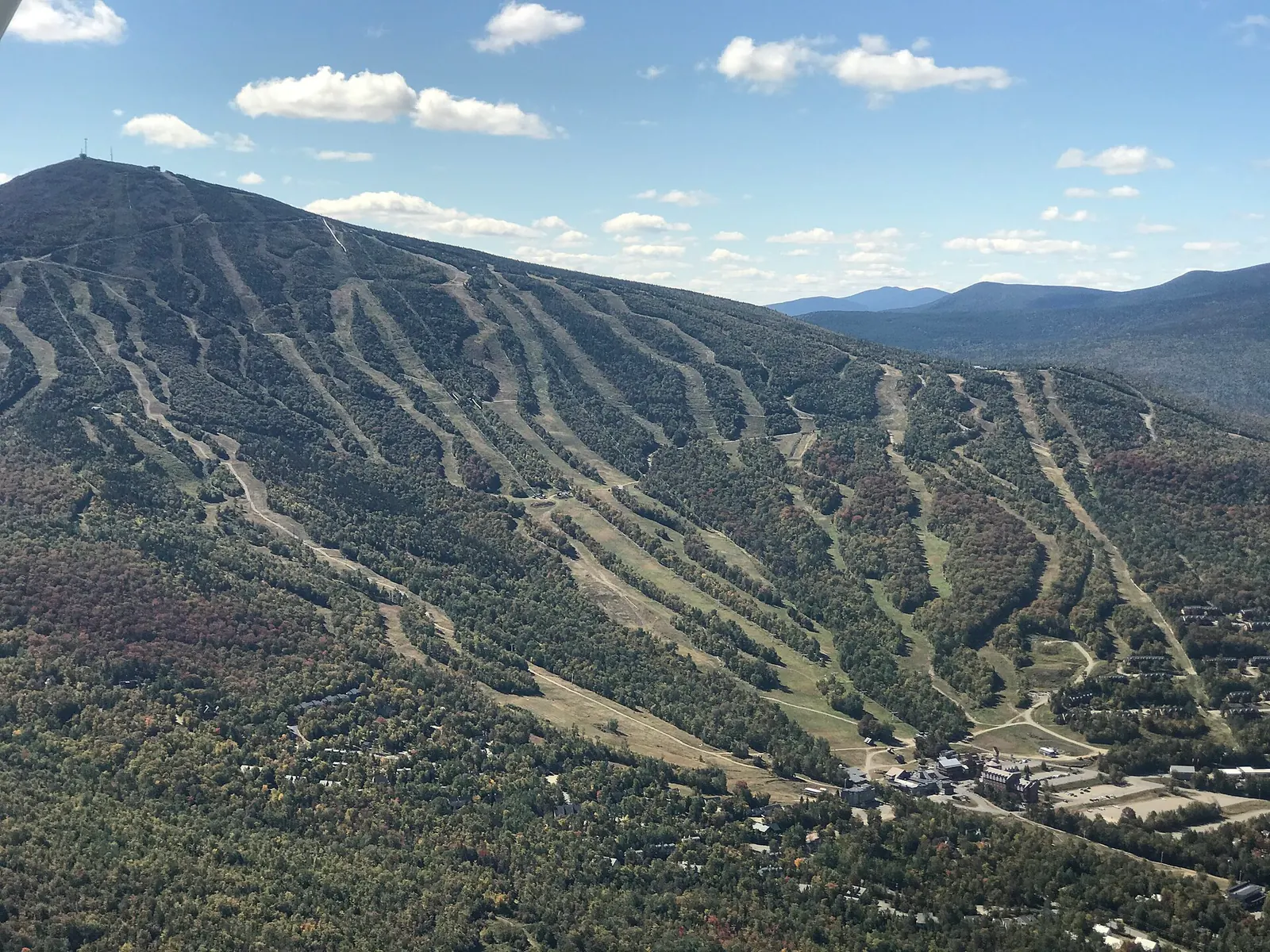
Sugarloaf is the easiest Maine 4K and the most-hiked. The summit is reached via the Appalachian Trail from the Caribou Pond Road trailhead, or (with more elevation gain) by hiking up the ski area in summer. The standard AT approach is around 5 miles round trip with views that open up dramatically in the last quarter mile.
This is the right first Maine 4K for most hikers. The trail is well-maintained, the grade is steady rather than brutal, and the summit has a 360-degree view that takes in the Bigelows, the Crockers, and on a clear day, Katahdin.
Crocker Mountain (4,228 ft) and South Crocker (4,050 ft)
The Crockers are almost always hiked together. From the Caribou Pond Road, the Crocker Mountain loop via the Appalachian Trail hits South Crocker first, then continues north along the ridge to North Crocker (the AMC-listed summit). Round trip is 9 to 10 miles with a real climb. The views from the shoulder between the two summits are the best part.
Pair Sugarloaf with South Crocker on a single day if you have the legs. Both trailheads are on Caribou Pond Road within a few miles of each other. Two 4000-footers in one outing is hard to beat in Maine.
Bigelow West Peak (4,145 ft) and Avery Peak (4,090 ft)
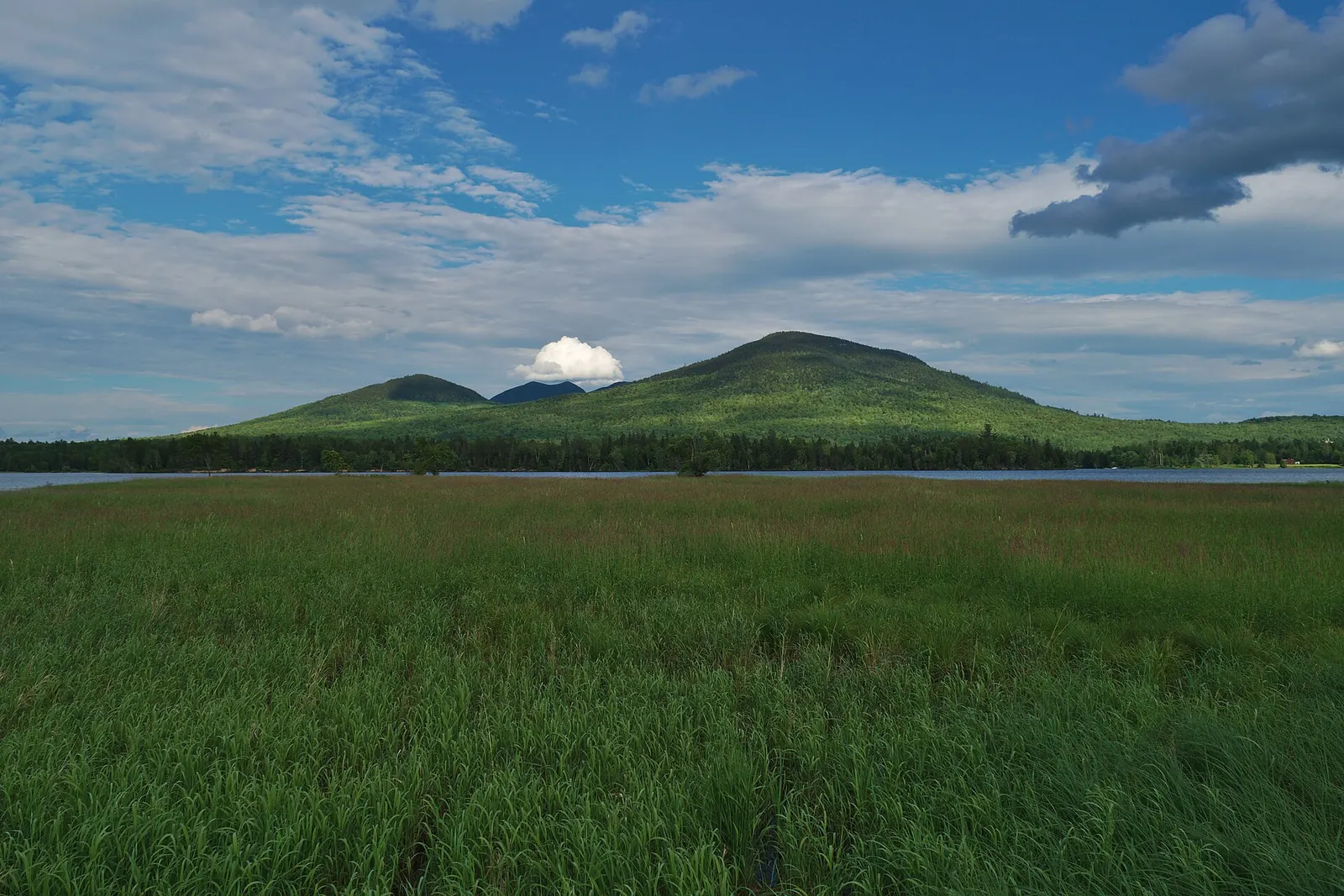
The Bigelow Range is the long alpine ridge north of Carrabassett Valley, protected by the 36,000-acre Bigelow Preserve. The standard route climbs the AT from the Stratton Brook Pond Road, hits Bigelow West Peak, continues across the col to Avery Peak, and returns the same way. Twelve miles round trip, 3,400 feet of gain, most of the second half above treeline.
Both summits count for the list. Doing them as a day hike is one of the best single outings in the state. Alternatively, camp at Avery Memorial Campsite (between the summits, spring-fed) for a shorter Day 2.
Mount Abraham (4,050 ft)
Abraham is the southernmost Carrabassett 4K and the rockiest. The summit is a long, narrow ridge of loose stone with one of the largest exposed tundra areas in Maine. The Firewardens Trail from the Town of Kingfield side is the shortest approach (8 miles round trip) but steep. From the AT via Spaulding, it is longer but gentler.
Spaulding Mountain (4,010 ft)
Spaulding barely qualifies at 4,010 feet and has a wooded summit with no view, which is why people usually pair it with Abraham or Sugarloaf rather than hiking it on its own. The standard approach is from Caribou Pond Road via the AT to the summit spur trail, often extended to include Abraham via the Mount Abraham Trail. The full loop runs 11 to 13 miles.
Rangeley Area Peaks (3)
Saddleback Mountain (4,120 ft)
Saddleback is a classic Rangeley hike and one of the most accessible 4000-footers in Maine. The standard route starts at the ski area base, climbs through spruce forest, breaks out of the trees around 3,800 feet, and ends on a long open summit ridge. The Horn (4,023 ft), the next summit east along the Appalachian Trail, is also on the list, so most peak-baggers continue across the open ridge to it and back. The out-and-back adds real mileage, but it is one of the best above-treeline walks in Maine.
Expect 6 to 7 miles round trip. The exposed summit area stays cold and windy into June and early December. Plan for it.
Redington (4,010 ft)
Redington is the hardest 4000-footer in Maine for most hikers, not because it is tall or technical but because it has no maintained trail. The summit is reached by a 7 to 8 mile bushwhack through logging roads and dense spruce. Some hikers approach from the Caribou Pond Road; others from the South Crocker side. Both routes are rough.
Navigation is the crux. A GPS track, a compass, and the understanding that this will take all day are required. Most Maine peak-baggers leave Redington for last.
The accepted “herd path” to Redington changes every few years as the woods grow in and logging roads get decommissioned. Check the AMC Four Thousand Footer Committee or recent trip reports on HikeNewEngland or the Views from the Top forum before you go. What worked in 2019 might not exist anymore.
Grafton Notch Peak (1)
Old Speck (4,170 ft)
Old Speck is one of Maine’s higher peaks at 4,170 ft and the only 4K in the far western part of the state. The Old Speck Trail climbs from Grafton Notch State Park, following the AT for the first stretch and then the Old Speck summit trail. Around 7.6 miles round trip and 2,700 feet of gain. The old fire tower on the summit gives the view (the summit itself is wooded).
Old Speck is the most isolated Maine 4K. It does not pair with any other peak on the list. Plan it as a day trip from Bethel or combine it with other Grafton Notch hikes like Table Rock or Baldpate.
Recommended Order for Peak-Baggers
Most people hike the Maine 4000-footers over several years. A sensible progression:
- Start with Sugarloaf and Saddleback (plus The Horn). Both are well-marked, the climbs are steady, and the views give you a reason to keep going.
- Do the Carrabassett cluster next. Crockers, Bigelows, Abraham-Spaulding. These can be banged out in a long summer weekend from a base in Kingfield or Stratton.
- Plan Old Speck as a western-mountain day trip. It does not combine with the Carrabassett cluster efficiently.
- Save Baxter for a dedicated multi-day trip. North Brother, Hamlin, and Baxter Peak. You will need at least two full days, ideally three.
- Save Redington for last. The bushwhack is the least fun part of the list and makes more sense once you already have momentum.
AMC Four Thousand Footer Club
The AMC recognizes finishers of the White Mountain 4000-footers, the New England 4000-footers, the New England Hundred Highest, and the Northeast 111. There is no Maine-only award; the 14 Maine peaks are part of the New England list. To qualify you submit a log of the peaks and dates (photos not required, hikers operate on the honor system), pay a small fee, and receive a patch and certificate. The application is through the AMC website.
Finishing the Maine 14 on its own is achievable in a summer for a fit hiker willing to travel. Most take longer, and many do it as one leg of the full New England list.
Above-Treeline Safety
Several of the Maine 4000-footers have significant alpine terrain: both Katahdin summits (plus Pamola and the Knife Edge if you go that way), the Bigelows, Saddleback and The Horn, and Abraham. Weather at these elevations changes fast.
- Wind. Sustained 40 mph is common above treeline even on otherwise mild days. Gusts in the 60s are possible any month.
- Temperature. It will be 15 to 25 degrees colder on the summit than at the trailhead. Summer summits can see below-freezing nights.
- Visibility. Fog can drop to 50 feet in minutes. Cairns mark the route on the Tableland, the Bigelow ridge, Saddleback, and Abraham. Do not leave them.
- Lightning. Afternoon thunderstorms are a real risk in July and August. Start early, be off exposed ridges by 1 PM, and have a retreat plan.
Winter ascents of any of these are serious undertakings that require proper equipment, experience, and often a partner with high-angle skills. Katahdin in winter is the hardest mountain in New England.
Best Seasons
- June: Peaks can still have snow above 3,500 feet into mid-June. Blackflies at lower elevations are bad. Trails are muddy.
- July to mid-August: Prime peak-bagging weather. Long days, stable high pressure, and the alpine zones are snow-free. Bugs fade as you go up.
- Late August to mid-September: The best window. Cool nights, warm days, minimal bugs, and early color starting at elevation.
- Late September to mid-October: Foliage at elevation, then below. Weather turns colder and less stable. Katahdin trails close for the season at the end of October.
- Winter (December to April): Serious mountaineering only. Baxter requires a separate reservation system and qualifications. Not a beginner’s project.
Parking and Permits
- Baxter: A Katahdin Trailhead Pass is required to park at the three Katahdin trailheads from June through October (not in May), with sales opening April 1. Non-Maine vehicles also pay a day-use entry fee of about $20.
- Bigelow Preserve, Grafton Notch, Mount Blue: No reservation needed. Grafton Notch has a small state park fee ($4 non-resident). The Bigelow trailhead at Stratton Brook Pond Road is free.
- Carrabassett Valley trailheads (Caribou Pond Road for Sugarloaf, Crockers, Spaulding): Free, but the access roads can be rough. High-clearance vehicles are safer, especially in spring.
- Saddleback: Trailhead parking at the ski area base is free. No permit needed.
- Redington: No permit. No trail. No parking lot. Research your approach carefully.
How long does it take to finish all 14 Maine 4000-footers?
A fit hiker with flexible time can finish in one summer (roughly 10 to 14 hiking days plus travel). Most people take 2 to 4 years because the peaks are scattered across northern and western Maine and Baxter requires advance planning. There is no deadline.
What is the best first Maine 4000-footer?
Sugarloaf. Clear trail, steady grade, outstanding summit view, and around 5 miles round trip. Saddleback is a close second. Both are good introductions to what above-treeline hiking in Maine actually feels like without requiring elite fitness or navigation skills.
Do I need to climb Katahdin to finish the Maine 4000-footers?
Yes. Baxter Peak and Hamlin Peak are both on the AMC list, so you cannot skip the Katahdin massif. You do not need the Knife Edge: Pamola is not on the list, and both listed summits can be reached by less exposed routes such as the Hunt Trail or the Saddle Trail.
Can I hike Maine 4000-footers in winter?
Yes, but it is serious winter mountaineering. Trails are unbroken, alpine zones have 60 to 80 mph winds, avalanche terrain exists in a few spots on Katahdin, and rescue response times are long. Baxter requires separate winter-use qualifications. If you are asking the question, the answer for now is no. Build up on lower peaks first.
Is Redington really that hard?
It is not physically harder than the Crockers or Bigelow. It is harder because there is no maintained trail, the herd path shifts every few years, the forest is thick with blowdowns, and GPS is the only reliable navigation. A fit hiker with route-finding skills can do it as a day hike. A hiker without those skills should go with someone who has them.
What gear do I need for Maine 4000-footers?
The standard New England day-hiking kit. Layers including a warm midlayer and wind shell even in summer, 2 to 3 liters of water, enough food for a long day, headlamp, first aid, map and compass or GPS, and sturdy boots or trail runners. For the Knife Edge or Redington, add a helmet and expect to use your hands.