

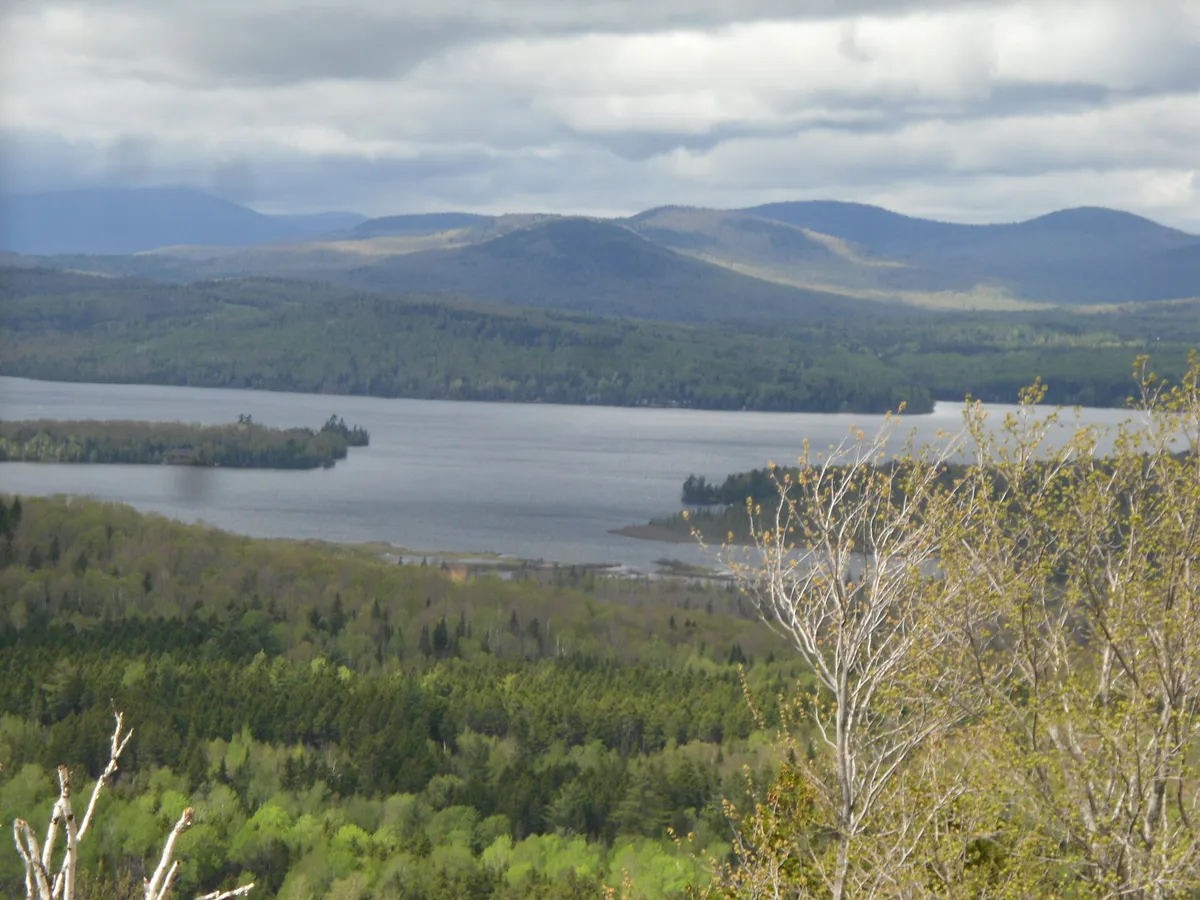
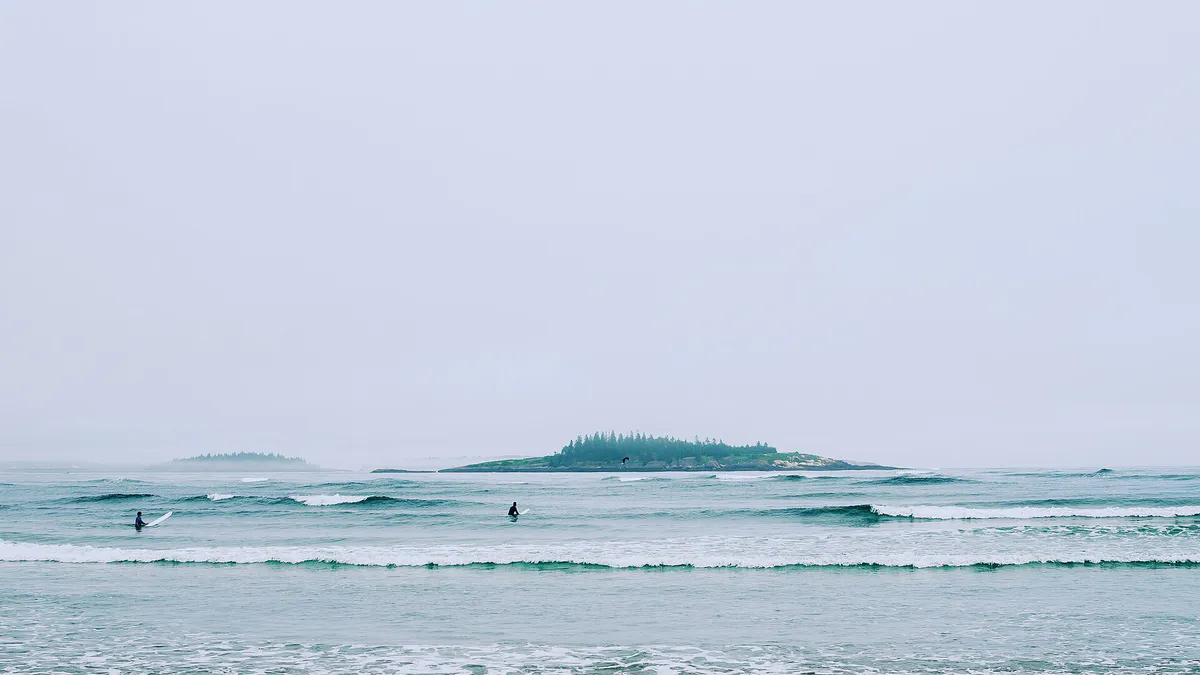
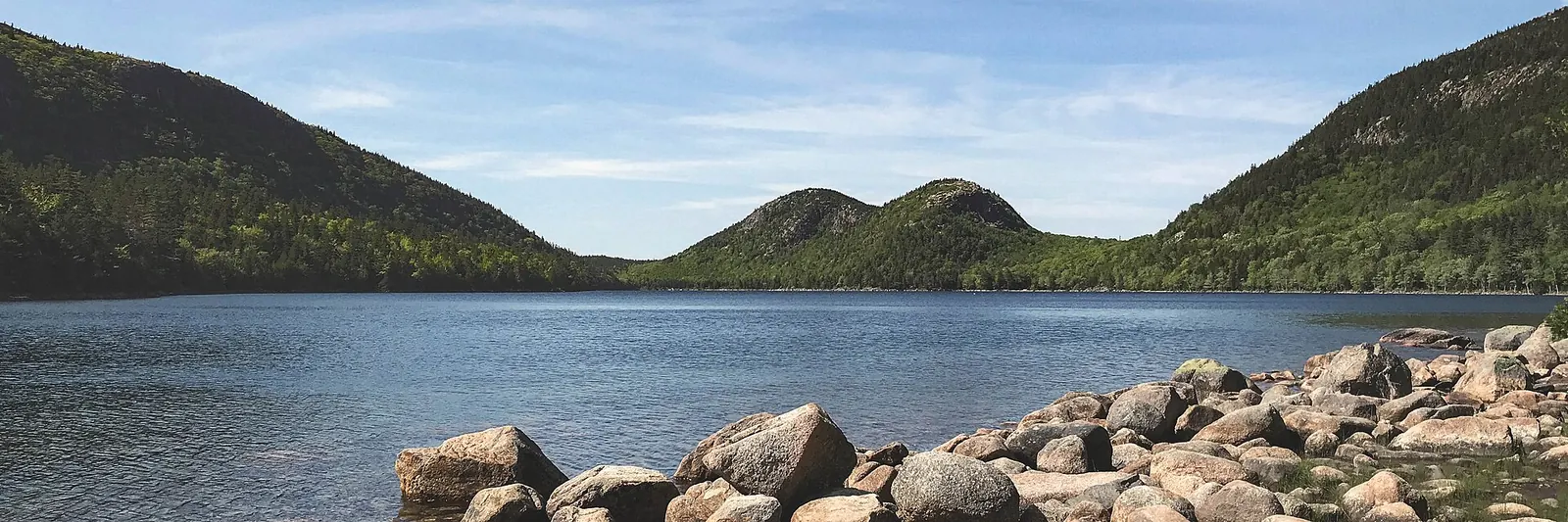
Acadia National Park receives about 4 million visits per year, making it one of the ten most visited national parks in the country, packed onto an island roughly 15 miles long. That density is either the park’s biggest challenge or its greatest advantage, depending on how you plan.
The good news: Acadia is extraordinarily well-organized. The road system, trail network, campgrounds, and shuttle system are designed to handle crowds. If you know what to do and when to do it, you can have a spectacular experience even in peak season. If you wing it, you will spend your trip sitting in traffic and circling full parking lots.
This is the guide I wish I had the first time. It covers everything from park passes to parking strategy to three different itineraries based on how many days you have. No filler, no “Acadia is beautiful” platitudes, just what you need to know to have a great trip.
The Basics
Where: Mount Desert Island, off the coast of Maine. About 3.5 hours north of Portland, 5 hours north of Boston.
Size: 49,075 acres (about 77 square miles), spread across Mount Desert Island, the Schoodic Peninsula, and several smaller islands.
Entrance fee (2026): $35 per vehicle (valid for 7 days). Annual pass: $70. America the Beautiful Pass (all national parks): $80, the best deal if you visit more than two parks per year.
Open: Year-round, though many facilities and roads close from November through mid-April. The Park Loop Road is fully open from mid-April through November, weather permitting.
When to Go
This is the single most important decision for your trip.
| Season | Crowds | Weather | What's Open | Best For |
|---|---|---|---|---|
| Late May–mid-June | Moderate | 50s–70s, some rain | Most facilities open | Hiking, wildflowers, fewer people |
| Late June–August | Peak | 65–85°F, humid | Everything open | Swimming, all activities |
| September–mid-October | Heavy (foliage) | 50s–70s, crisp | Everything open | Foliage, best weather, photography |
| Late October–November | Light | 30s–50s, rain/wind | Closing down | Solitude, fall color remnants |
| December–March | Minimal | 10s–30s, snow/ice | Limited roads/facilities | Cross-country skiing, snowshoeing |
My recommendation: The last two weeks of September and the first week of October. The foliage is peaking, the summer humidity is gone, bugs are done, temperatures are comfortable for hiking, and the ridgelines blaze with red and gold. Yes, it is busy during peak foliage, but the crowds are more manageable than July and August because families with school-age kids are gone.
Second choice: Late May through mid-June. Everything is open or opening, wildflowers are blooming, and you will have far fewer people on the trails. Water is too cold for swimming, and some higher trails may still have snow or mud. Check our best time to visit Acadia guide for a deeper breakdown.
From late May through October, you need a timed reservation to drive to the summit of Cadillac Mountain. Reservations open on Recreation.gov 90 days in advance and sell out quickly, especially sunrise slots. Book the moment they become available or you will miss out. Alternatively, you can hike to the summit, no reservation needed.
Getting to Acadia
By car: Most visitors drive. From Portland, take I-95 north to Bangor, then Route 1A south to Ellsworth, then Route 3 to Mount Desert Island. Total: about 3.5 hours. From Boston: I-95 to Augusta, then Route 3 east. Total: about 5 hours.
By air: The nearest airport with commercial service is Bangor International (BGR), about 50 miles from the park. Portland International (PWM) is farther but has more flight options. Both require a rental car. There is no practical public transit to Acadia.
By bus/shuttle: Downeast Transportation runs a seasonal bus from Bangor to Bar Harbor. Once on Mount Desert Island, the Island Explorer shuttle (free, no reservation needed) connects villages, trailheads, campgrounds, and the park itself. The shuttle is one of the best things about Acadia. It solves parking and lets you do point-to-point hikes.
Getting Around the Park
Park Loop Road: The 27-mile scenic road that forms the backbone of Acadia. Much of it is one-way (clockwise). It connects most major trailheads, overlooks, and beaches. In peak season, traffic is heavy from 9 AM to 3 PM. Read our scenic drives guide for the full breakdown of the Park Loop.
Island Explorer Shuttle: Free buses running fixed routes across Mount Desert Island from late June through Columbus Day. Routes connect Bar Harbor, Northeast Harbor, Southwest Harbor, campgrounds, and most Park Loop trailheads. It is not fast, but it is free and eliminates parking stress.
Carriage Roads: 45 miles of broken-stone roads (no motorized vehicles) built by John D. Rockefeller Jr. in the early 1900s. Open to biking, walking, horseback riding, and cross-country skiing. Rent a bike in Bar Harbor and spend a half day on the carriage roads. It is one of the best ways to experience Acadia.
Parking strategy: Parking is the number-one source of frustration in Acadia. The Park Loop Road lots fill by 8-9 AM in summer at popular stops (Sand Beach, Thunder Hole, Jordan Pond). Three solutions:
- Start early: Be on the road by 7 AM.
- Use the shuttle: The Island Explorer runs to all major stops.
- Go later: Lots clear after 3-4 PM as day-trippers leave.
Top 10 Must-Dos for First-Timers
1. Drive (or Hike) Cadillac Mountain
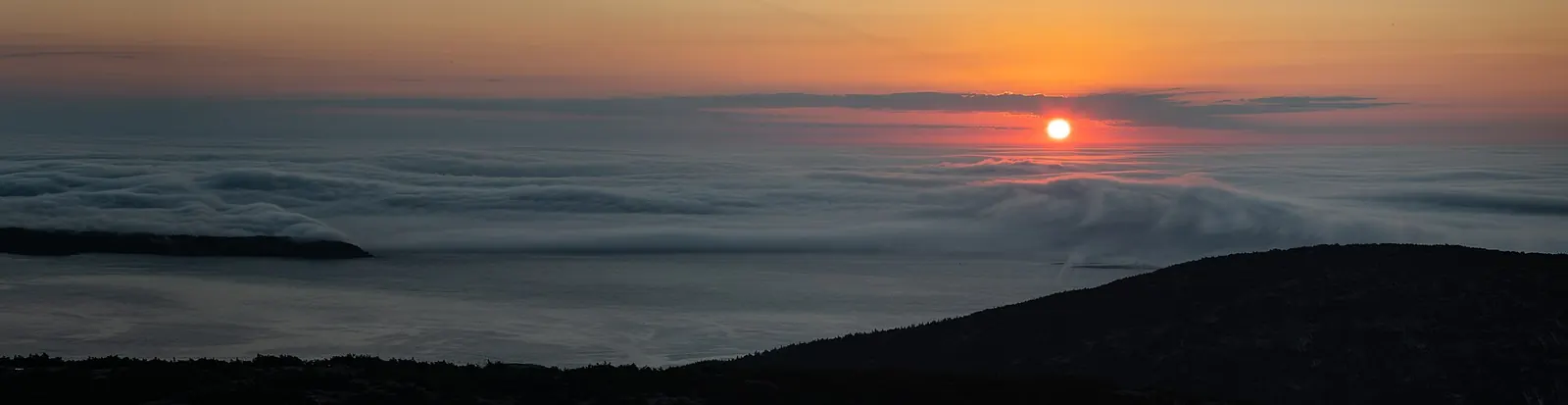
Cadillac Mountain at 1,530 feet is the highest point on the US Atlantic coast. The summit offers 360-degree views of the island, Frenchman Bay, and the Porcupine Islands. You can drive to the summit (reservation required May-October) or hike via the North Ridge Trail (4.4 miles round trip, moderate).
Cadillac is famous for sunrise, from October through early March, it is the first place in the US to see the sun. Sunrise reservations are the hardest to get. Sunset is equally beautiful, less crowded, and easier to book.
2. Walk the Ocean Path
Ocean Path is a 4.4-mile out-and-back trail (mostly flat) that follows the coast from Sand Beach to Otter Point. It passes Thunder Hole, Monument Cove, and Otter Cliff. This is the single best walk in Acadia for scenery per effort, paved in places, with the ocean crashing on granite the entire way.
3. Visit Sand Beach
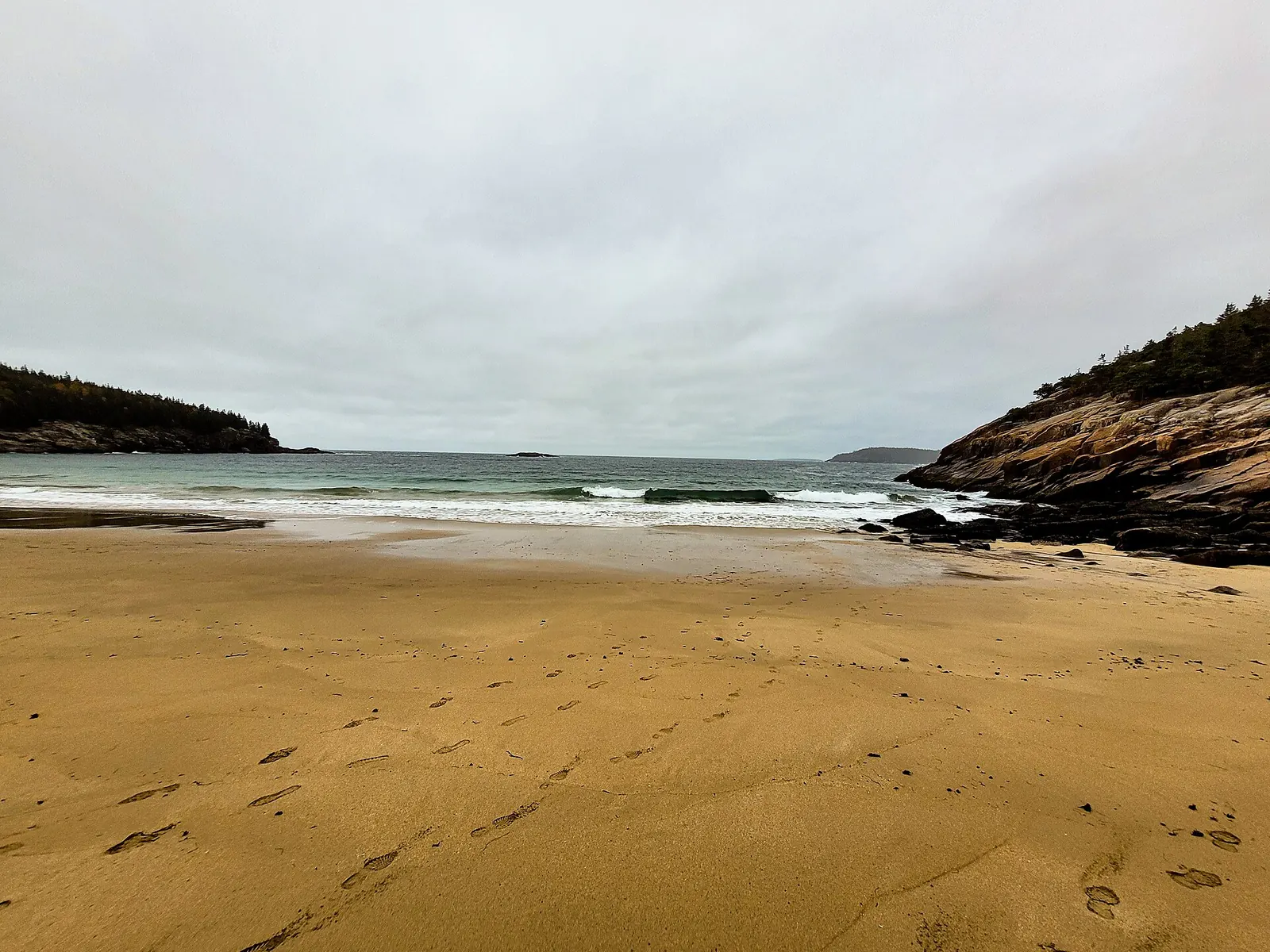
Sand Beach is one of the few sand beaches in Acadia, a pocket of sand wedged between granite headlands. It is gorgeous, but the water is cold (55°F in August). People swim here, but briefly. Great for a walk, a photo, and an honest attempt to put your feet in.
4. See Thunder Hole
A narrow inlet where incoming waves compress and explode upward with a booming sound. Timing matters: visit at mid-tide with incoming swells for the best show. At slack tide, it does nothing. Check the tide chart and aim for 2-3 hours before high tide.
5. Hike the Beehive Trail
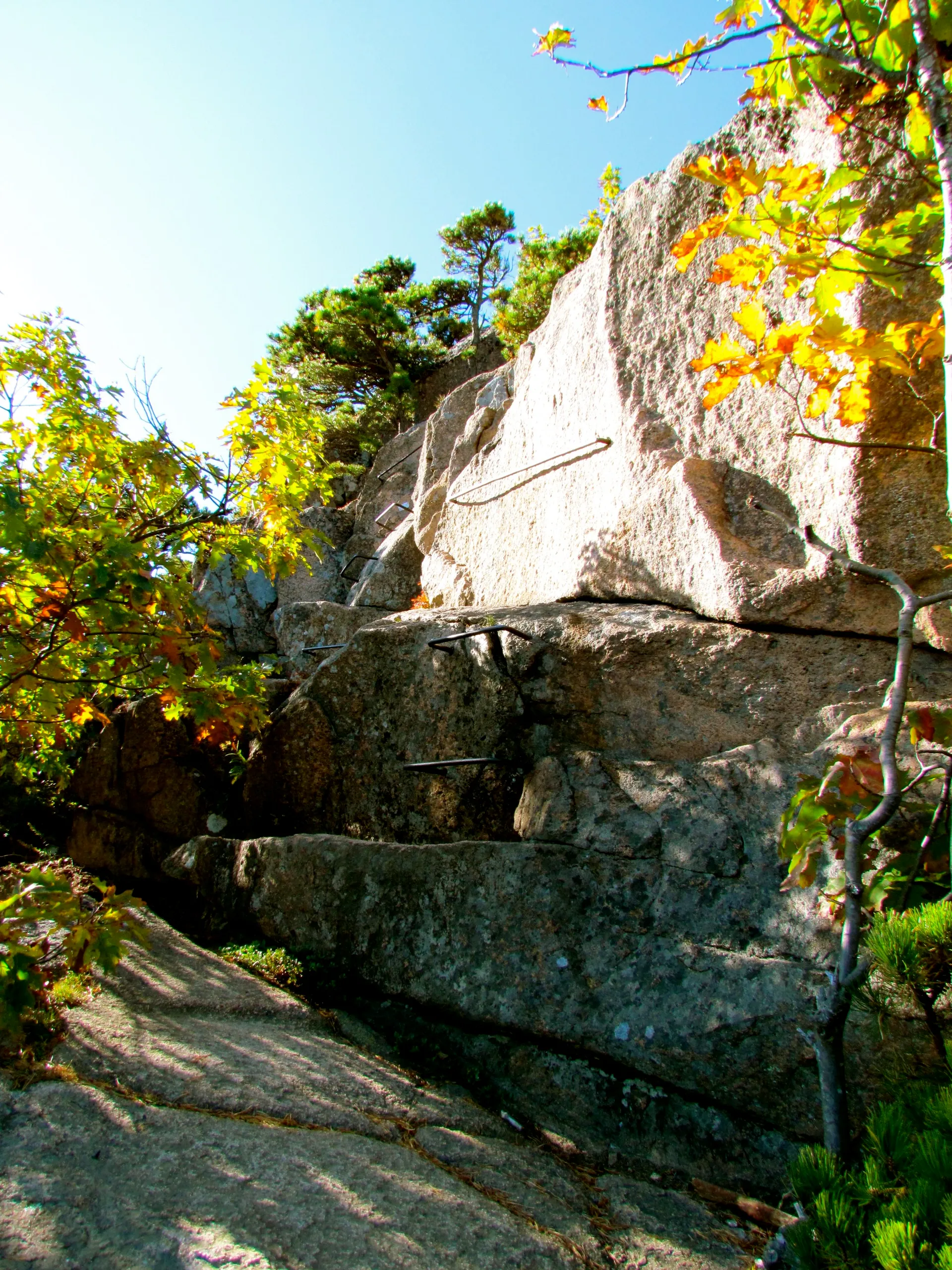
The Beehive is a 1.5-mile loop with iron rungs and ladders bolted into a granite cliff face. It is exhilarating, not dangerous if you are careful, and delivers views out of proportion to its short length. Not suitable for people with a fear of heights, small children, or dogs.
6. Eat Popovers at Jordan Pond House
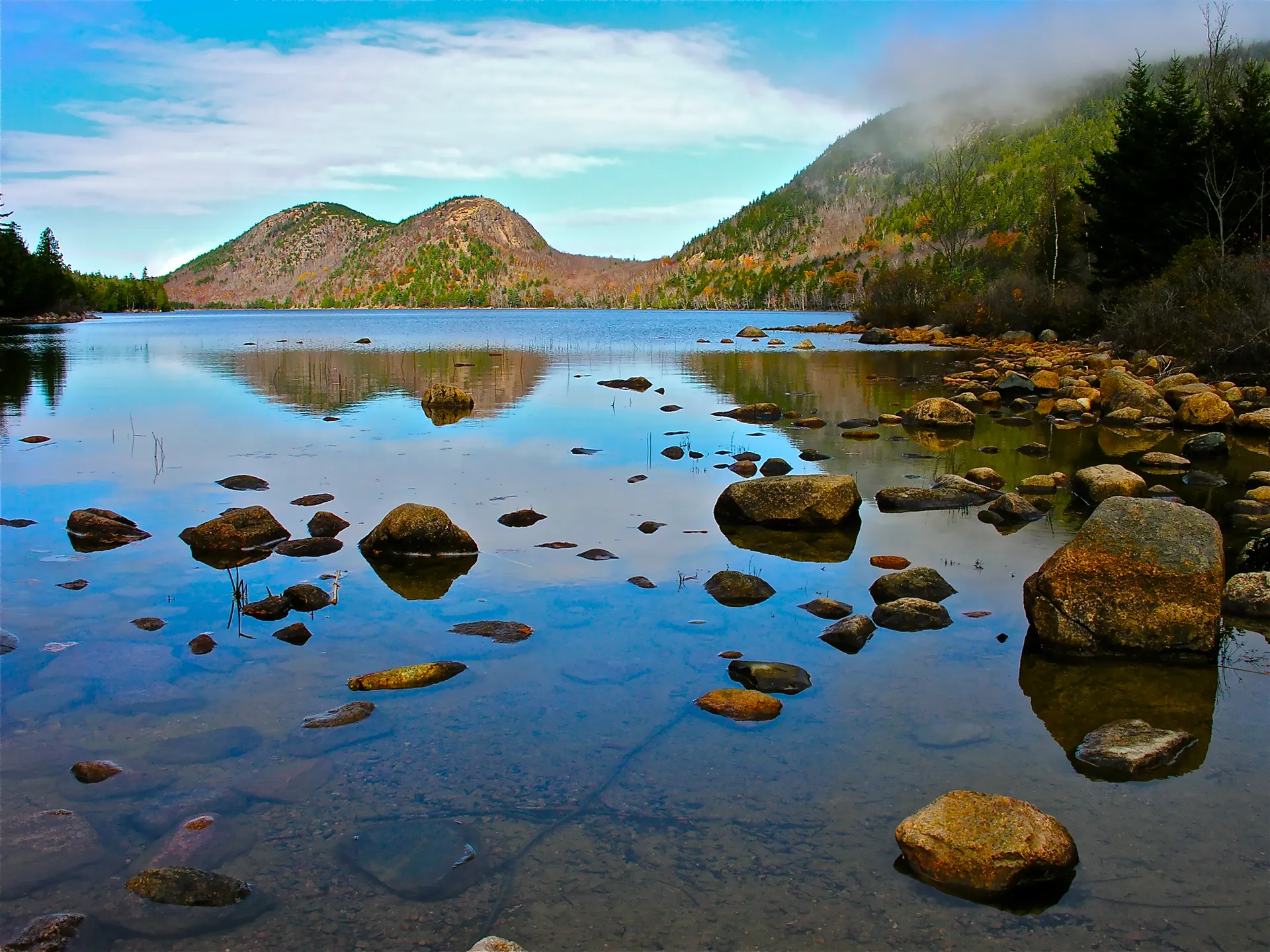
The Jordan Pond House has served tea and popovers on the lawn overlooking Jordan Pond and the Bubbles since the 1890s. The popovers are good but not life-changing, the setting is what you are paying for. Reservations recommended. The South Bubble trail starts from the Jordan Pond parking area if you want to work for your popovers.
7. Bike the Carriage Roads
Rent a bike in Bar Harbor and ride the carriage roads around Eagle Lake or Jordan Pond. The roads are wide, well-maintained crushed stone, with gentle grades and beautiful stone bridges. The Eagle Lake loop is about 6 miles. It is the most relaxing way to spend a half day in Acadia.
8. Watch Sunset from Bass Harbor Head Lighthouse
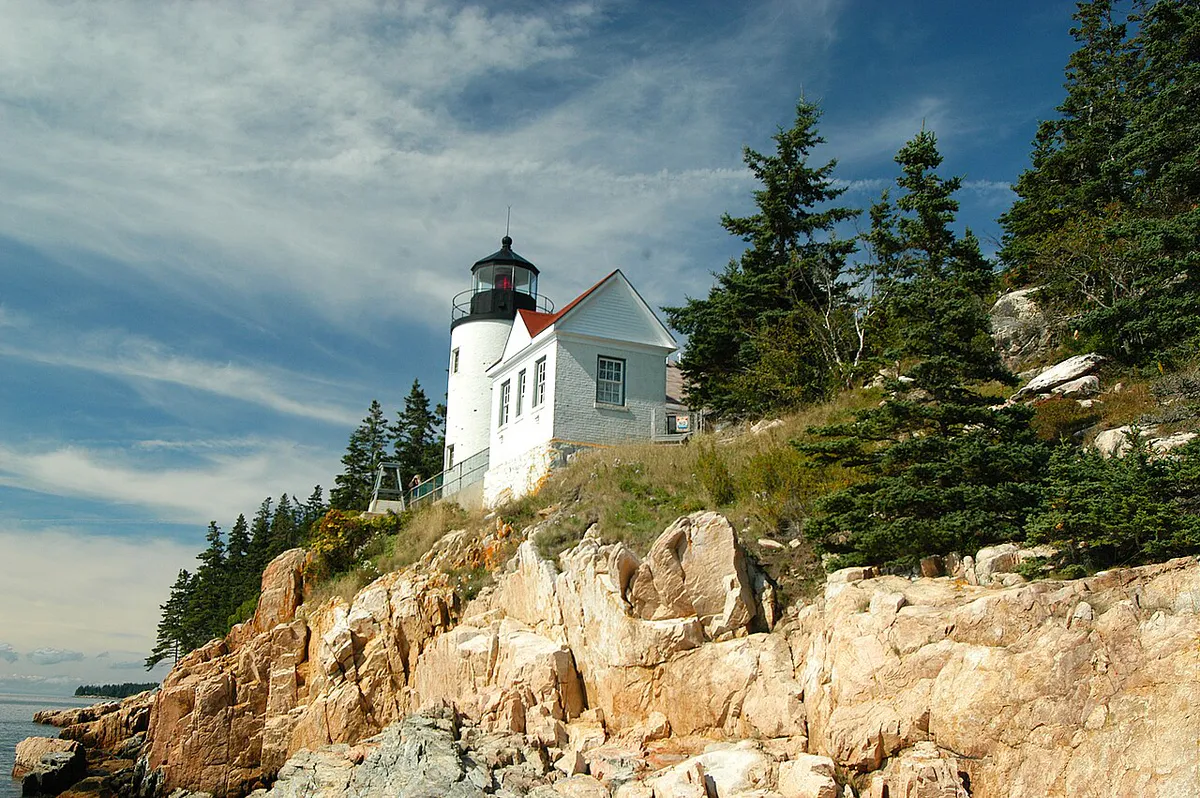
The most photographed lighthouse in Maine sits on the southwestern corner of Mount Desert Island. Walk down the steep wooden stairs to the rocks below the lighthouse for the classic shot, lighthouse, granite, and the setting sun. Get there at least 45 minutes before sunset for a spot.
9. Explore the Schoodic Peninsula
The Schoodic Peninsula is the overlooked section of Acadia, across Frenchman Bay on the mainland. A one-way loop road leads to Schoodic Point, where the Atlantic hits flat granite shelves with explosive force. Far fewer visitors than the main island. Worth a half day.
10. Take a Boat Ride
Several outfitters in Bar Harbor run nature cruises, whale watches, and sailing trips. The view of Acadia from the water, the granite mountains dropping straight into the ocean, is something you cannot get from any trail.
Where to Stay
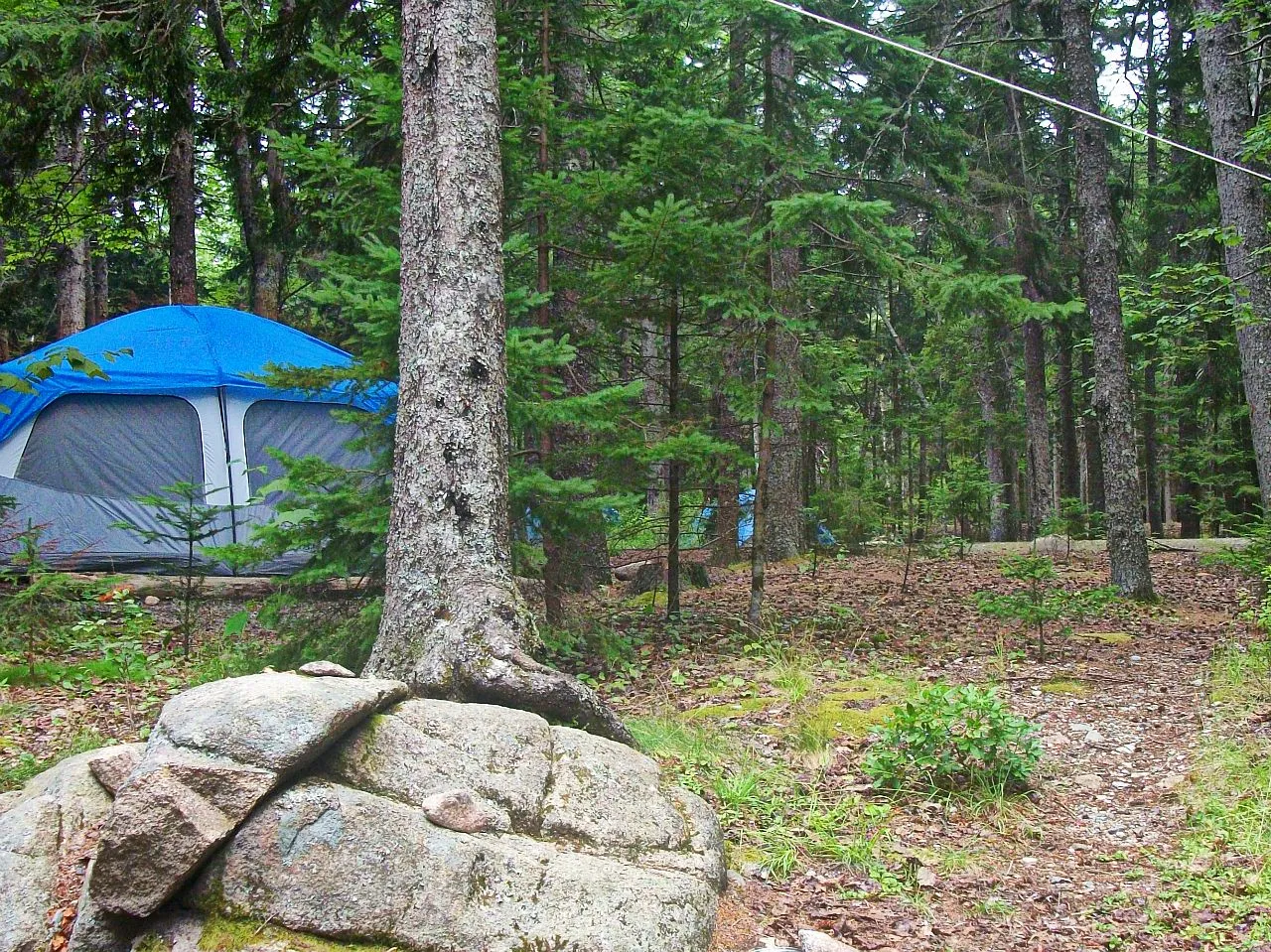
Inside the Park: Camping
Acadia has three campgrounds on Mount Desert Island:
- Blackwoods: The most popular and closest to the Park Loop Road. Reservations required and sell out months in advance. Book 6 months ahead.
- Seawall: On the quieter western side of the island. Mix of reservable and first-come sites.
- Schoodic Woods: On the Schoodic Peninsula, away from the main island. Newer, well-designed, and less crowded.
For the full campground breakdown, read our camping near Acadia guide.
Bar Harbor
The main gateway town, walking distance from the park. Full range of hotels, motels, B&Bs, and restaurants. Expensive in peak season, budget $200-400/night for a decent hotel in July and August. The weekend in Bar Harbor guide has specific recommendations.
Southwest Harbor & Northeast Harbor
Quieter alternatives on the western side of Mount Desert Island. Fewer tourists, more locals, lower prices. Good restaurant scenes in both. Southwest Harbor is closer to the quieter trails and Bass Harbor Head Lighthouse.
Ellsworth & Trenton
Budget options on the mainland, 15-30 minutes from the park entrance. Chain hotels, campgrounds, and short-term rentals at lower prices. You will need to drive into the park every day, but you will save money.
If you are visiting in September or October, stay in Southwest Harbor or Northeast Harbor instead of Bar Harbor. You get a quieter, more local experience, easier parking, and direct access to the less-trafficked western side of the park. Bar Harbor is great but can feel like a tourist town. The harbor-side villages on the west feel like actual Maine.
Where to Eat
Bar Harbor: Side Street Cafe (lobster rolls, seafood), Havana (upscale Latin-Maine fusion), Geddy’s (classic tourist-friendly pub), Cafe This Way (creative breakfast), Mount Desert Island Ice Cream (seriously good ice cream, the lineup out the door is warranted).
Southwest Harbor: Beal’s Lobster Pier (no-frills dock-side lobster), Sips (good coffee and pastries), The Red Bird Provisions (farm-to-table lunch).
Northeast Harbor: The Asticou Inn (old-school dining), Colonel’s Restaurant (bakery and casual food).
Picnic supplies: Hannaford supermarket in Bar Harbor for groceries. Atlantic Brewing Company in Town Hill for craft beer and food trucks.
Day-by-Day Itineraries
One Day in Acadia
If you have a single day, here is how to use it:
6:00 AM: Cadillac Mountain sunrise (if you have a reservation) or start with the North Ridge Trail hike at dawn.
8:30 AM: Drive the Park Loop Road. Stop at Sand Beach, walk to Thunder Hole, continue to Otter Cliff.
10:30 AM: Hike the Beehive or Gorham Mountain (easier alternative with the same views).
12:30 PM: Popovers and lunch at Jordan Pond House.
2:00 PM: Bike the carriage roads around Eagle Lake (rent in Bar Harbor, 30 minutes to ride to Eagle Lake) or hike South Bubble to Bubble Rock.
5:00 PM: Dinner in Bar Harbor.
7:30 PM: Sunset at Bass Harbor Head Lighthouse.
This is ambitious. You will be tired. But you will have hit the highlights.
Two Days in Acadia
Day 1: Park Loop Road and the eastern side.
- Morning: Cadillac Mountain (hike or drive), then Park Loop Road with stops at Sand Beach, Thunder Hole, Otter Cliff.
- Afternoon: Ocean Path walk, then Beehive Trail or Precipice Trail (if open, the Precipice closes for peregrine falcon nesting from spring through mid-August).
- Evening: Dinner in Bar Harbor, sunset at Cadillac or Otter Point.
Day 2: Western side and carriage roads.
- Morning: Bike the carriage roads (Eagle Lake or Witch Hole Pond loops).
- Midday: Jordan Pond House for popovers, then hike the South Bubble trail to Bubble Rock.
- Afternoon: Drive to Bass Harbor Head Lighthouse, explore Southwest Harbor village.
- Evening: Dinner at Beal’s Lobster Pier.
Three Days in Acadia
Add the following to the two-day itinerary:
Day 3: Schoodic, deeper hikes, and the quieter side.
- Morning: Drive to the Schoodic Peninsula (45 minutes from Bar Harbor). Hike Schoodic Head, walk to Schoodic Point.
- Midday: Lunch in Winter Harbor.
- Afternoon: Return to Mount Desert Island. Hike Acadia Mountain or Penobscot Mountain for views you missed on days 1-2.
- Evening: Kayak tour at sunset from Bar Harbor or Northeast Harbor.
For the full three-day breakdown, see our 3 days in Acadia itinerary.
What to Bring
The essentials for an Acadia trip:
- Hiking boots or trail shoes: The granite trails are unforgiving on sandals. Waterproof boots are ideal, morning dew and fog keep trails damp.
- Daypack: Water, snacks, rain layer, sunscreen. Always carry water, the granite reflects heat and dehydration sneaks up.
- Rain jacket: Coastal weather changes fast. You can start a hike in sun and finish in fog.
- Layers: Even in August, mornings can be cool (50s) and summit winds add a chill factor. A fleece or light jacket is always worth carrying.
- Bug protection: Black flies peak in late May/early June. Mosquitoes are present all summer. Ticks are a real concern, check after every hike.
- Binoculars: For whale watches, bird watching, and appreciating the island views from summits.
For the complete packing list, see what to pack for Acadia.
Cell service is decent in Bar Harbor and along the Park Loop Road, but drops to nothing on many trails, the carriage roads, and the western side of the island. Download offline maps (Google Maps or AllTrails) before you arrive. The park visitor center has free Wi-Fi.
Common Mistakes First-Timers Make
- Not booking Cadillac Mountain sunrise reservations early enough. These go live 90 days out and sell out the same day. Set a calendar reminder.
- Arriving at popular trailheads after 9 AM in summer. Parking fills early. Use the shuttle or start early.
- Skipping the western side of the island. Most first-timers stick to the Park Loop Road and Bar Harbor. The western side (Bass Harbor, Southwest Harbor, Acadia Mountain, Flying Mountain) is less crowded and equally beautiful.
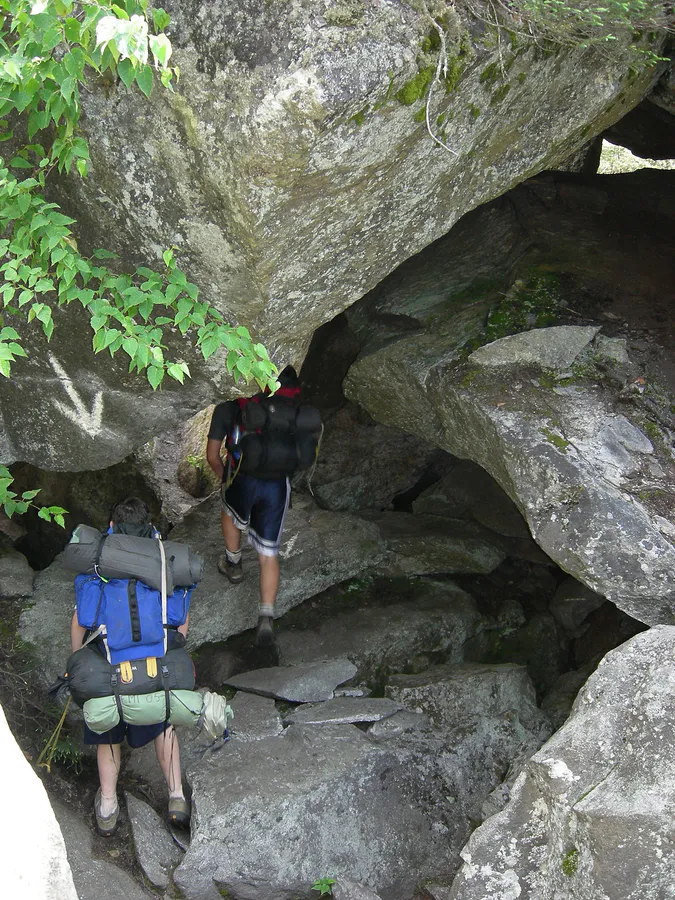
- Underestimating trail difficulty. Acadia trails are on granite, which is slippery when wet. Iron rung trails (Beehive, Precipice, Jordan Cliffs) are genuinely exposed. Start with Gorham Mountain or Parkman Mountain to test your comfort.
- Not checking the tide chart. Thunder Hole, Bar Island (the land bridge from Bar Harbor), and Sand Beach all change dramatically with the tide.
- Only visiting in summer. September and October are arguably the best months in Acadia. Fewer people, better light, comfortable temperatures, fall color.
Acadia vs. Other Maine Parks
If Acadia is crowded or you want to explore beyond the island, Maine has excellent alternatives:
- Baxter State Park: Wild, rugged, uncrowded. Mount Katahdin, the northern terminus of the Appalachian Trail, is here. Read our Acadia vs. Baxter comparison.
- Camden Hills State Park: Coastal mountains with harbor views, on the midcoast. Less dramatic than Acadia but far less crowded.
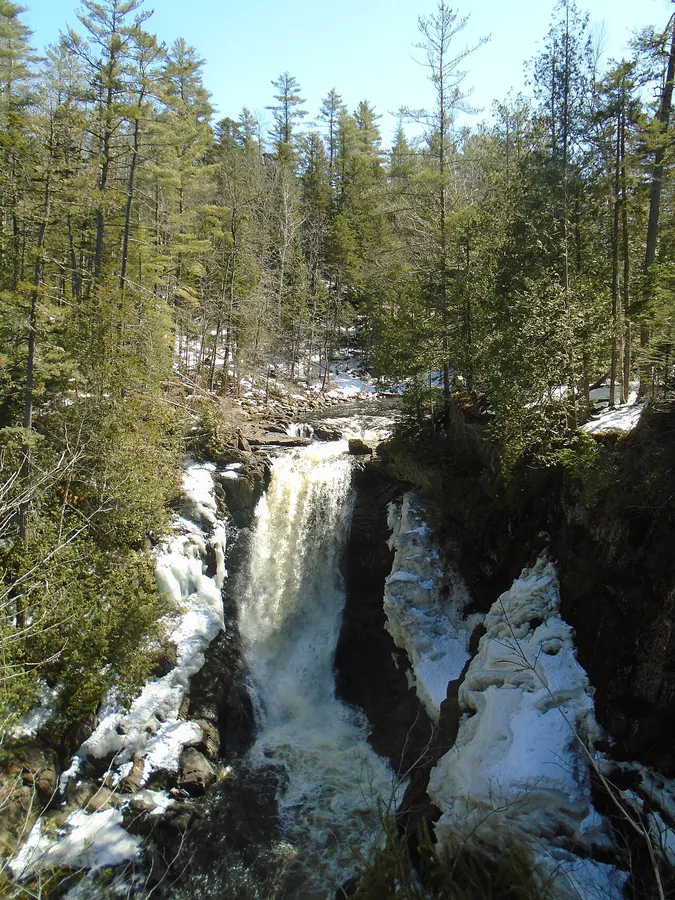
- Grafton Notch State Park: Waterfalls and mountain trails in the western mountains. No ocean, but excellent hiking.
- More alternatives: See our full guide to Acadia alternatives.
How many days do you need at Acadia National Park?
Two days is the minimum to see the highlights without rushing. Three days lets you explore the western side, bike the carriage roads, and visit the Schoodic Peninsula. Four to five days is ideal if you want to hike multiple trails and actually relax. One day is possible but exhausting. You will hit the major stops but miss the slower experiences that make Acadia special.
Is Acadia National Park worth visiting?
Yes. It is one of the best national parks in the eastern US, ocean, mountains, forests, and lakes compressed into a small island. The variety of experiences (coastal walks, cliff hikes, carriage roads, beaches, tide pools, lighthouses) is unmatched east of the Rockies. Even with the crowds, it delivers.
When is the least crowded time to visit Acadia?
Late May through mid-June and late September through mid-October have the best balance of open facilities and manageable crowds. Weekdays are always less crowded than weekends. November through April is the quietest, but many roads, facilities, and campgrounds are closed.
Do I need a reservation for Acadia National Park?
You do not need a reservation to enter the park itself. You DO need a timed reservation to drive to the summit of Cadillac Mountain from late May through October (book on Recreation.gov). You also need campground reservations at Blackwoods and Schoodic Woods (book months ahead).
What is the best hike in Acadia for beginners?
Ocean Path (flat, coastal, 4.4 miles out-and-back) or Great Head Trail (1.4-mile loop with ocean views and moderate elevation). For a summit hike, Gorham Mountain (1.8 miles round trip, moderate grade, no iron rungs) gives panoramic views without the exposure of the Beehive or Precipice. See our guide to the best hikes in Acadia for the full list.
Can I bring my dog to Acadia?
Yes, dogs are allowed on most trails but must be leashed (6-foot leash maximum). Dogs are NOT allowed on the iron rung trails (Beehive, Precipice, Jordan Cliffs), Sand Beach from June 15 through September 15, or in the visitor center. Many Acadia trails have exposed granite that can burn paw pads in summer heat.
Is the water warm enough to swim at Sand Beach?
Barely. Sand Beach water temperatures hover around 55°F even in August. People do swim here, but mostly for the bragging rights. You can wade comfortably. A full swim requires mental commitment and ends quickly. The freshwater lakes in the park (Echo Lake, Long Pond) are significantly warmer.