

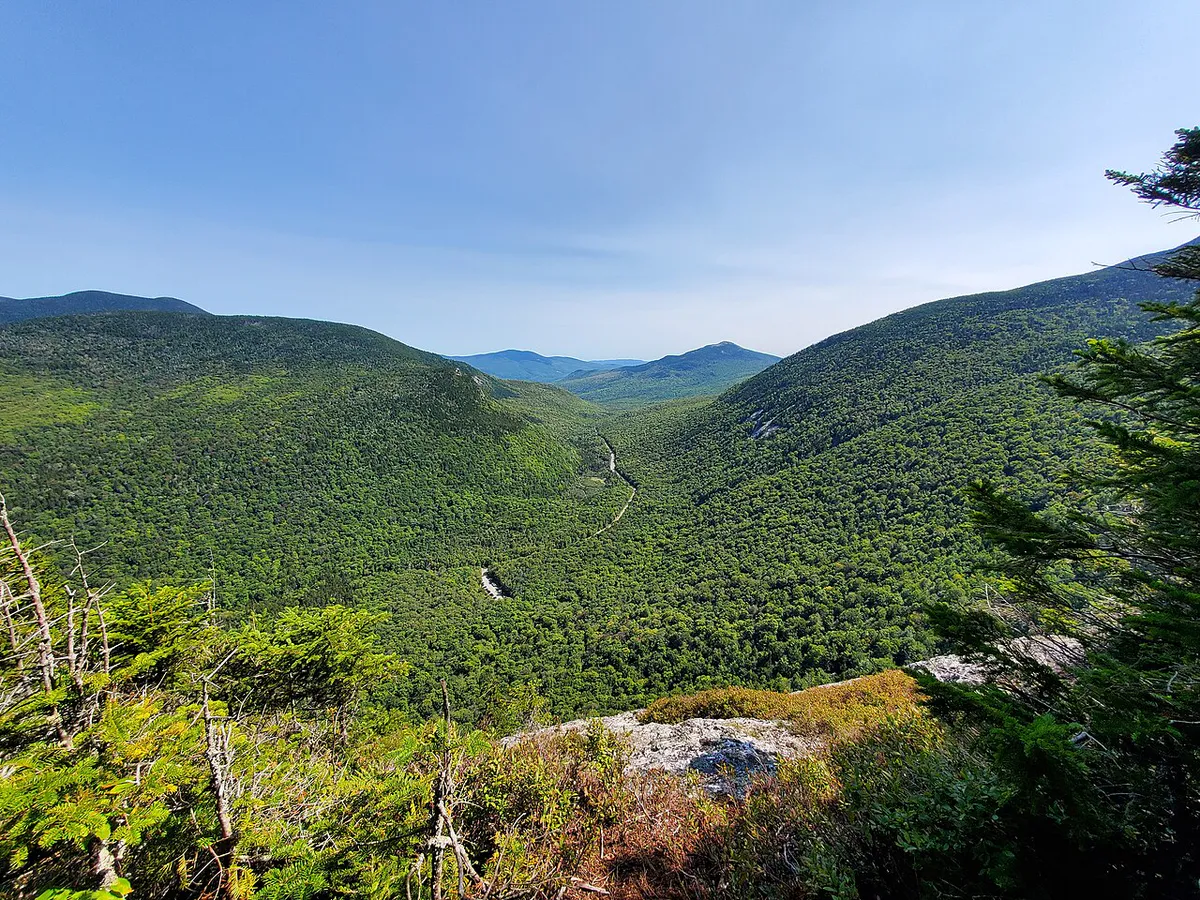
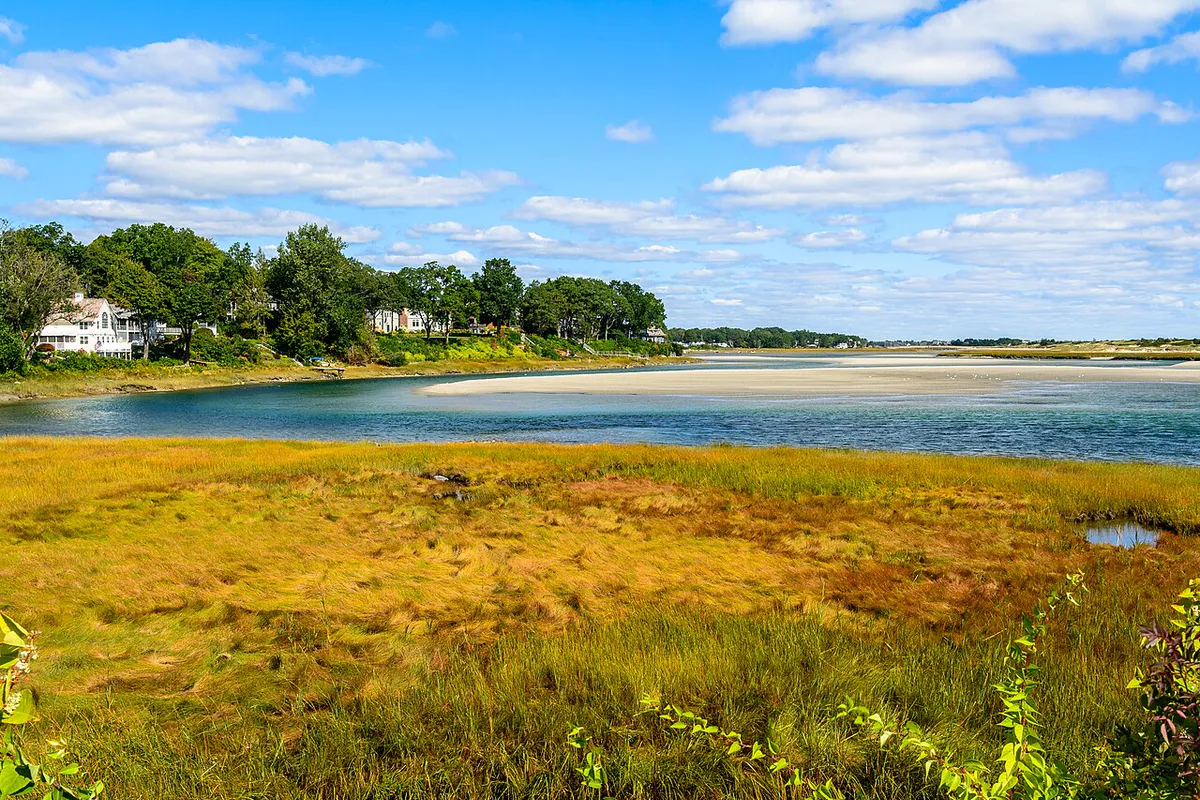
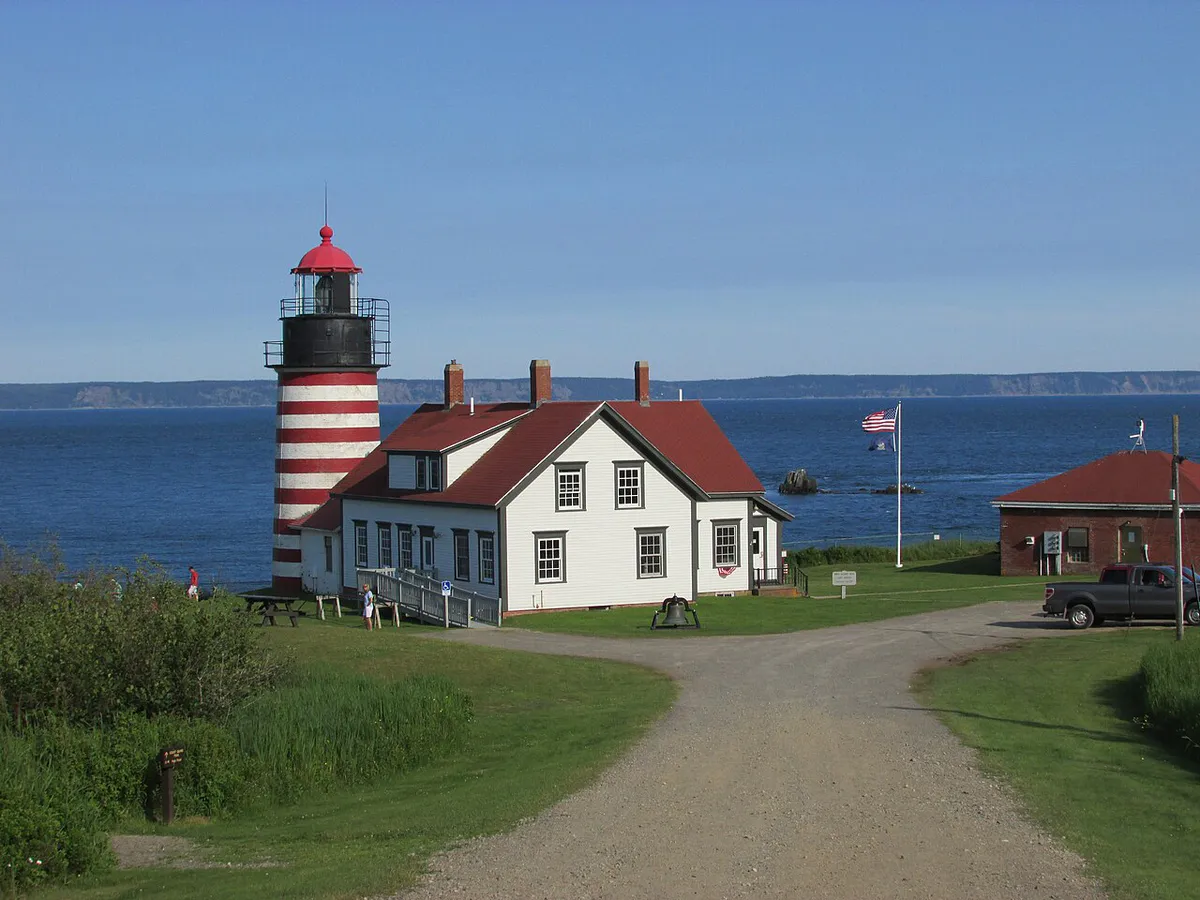
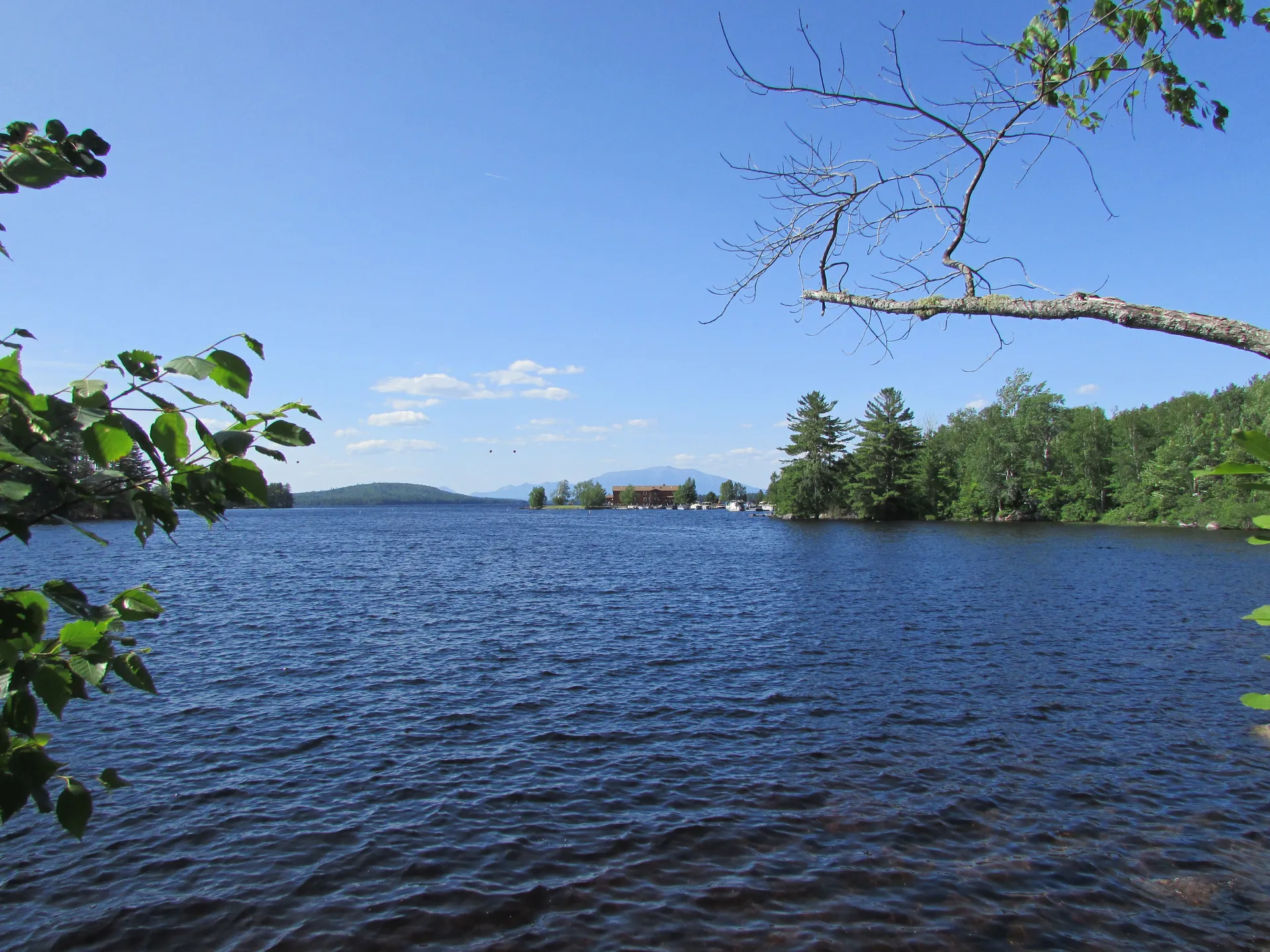
Maine has more hiking than most people realize. Acadia gets the attention, but the state also holds the northern end of the Appalachian Trail, fourteen peaks over 4,000 feet, a slate canyon people call the Grand Canyon of the East, and a coastline of low summits that look straight down on the Atlantic. The trails range from paved paths a toddler can walk to iron-rung climbs that are not for anyone afraid of heights.
If you want the short version: do the Beehive or Precipice in Acadia for the thrill, Katahdin’s Knife Edge for the once-in-a-lifetime ridge, Tumbledown for the alpine pond, and Mount Battie or the Ocean Path if you want the view without the suffering. This guide pulls the best from every region into one list, then points you to our deeper guides for each area.
This is the overview. We have separate, detailed guides for Acadia hikes, the 4000-footers, the western mountains, hikes near Portland, and easy hikes for beginners and families. Use those when you have picked a region. Use this one to pick the region.
The 14 Best Hikes in Maine
| Trail | Region | Distance | Difficulty | The Draw |
|---|---|---|---|---|
| Beehive Trail | Acadia | 1.5 mi loop | Hard (exposed) | Iron-rung cliff climb |
| Precipice Trail | Acadia | 2.1 mi loop | Expert (exposed) | Acadia 's biggest thrill |
| Cadillac South Ridge | Acadia | 7 mi RT | Moderate | Long ridge to the summit |
| Ocean Path | Acadia | 4.4 mi OB | Easy | Coastal walk, no climb |
| Katahdin (Hunt Trail) | Baxter | 10-11 mi RT | Very hard | Maine's highest peak |
| Knife Edge | Baxter | Ridge traverse | Expert | The most famous ridge in the East |
| Gulf Hagas Rim | 100-Mile Wild. | ~8 mi loop | Hard | Grand Canyon of the East |
| Tumbledown (Loop) | Western Mtns | ~5.5 mi loop | Hard | Alpine pond below the summit |
| Bigelow Range | Western Mtns | 12 mi | Hard | Two 4000-foot peaks, big ridge |
| Old Speck | Grafton Notch | 7.6 mi RT | Hard | Grafton Notch high point |
| Mount Battie | Midcoast | 1.0 mi | Easy | Camden Harbor from the tower |
| Megunticook (Ocean Lookout) | Midcoast | ~2.5 mi RT | Moderate | Highest coastal mainland summit |
| Bradbury Mountain | Portland area | ~0.6 mi RT | Easy | Quick summit near Freeport |
| Borestone Mountain | Moosehead | ~4 mi RT | Moderate | Two summits, mountain ponds |
Acadia National Park
Acadia packs the most variety into the smallest area of anywhere in Maine. You can do a paved coastal walk in the morning and an iron-rung cliff climb in the afternoon. For the full breakdown, see our best hikes in Acadia guide.
1. The Beehive Trail
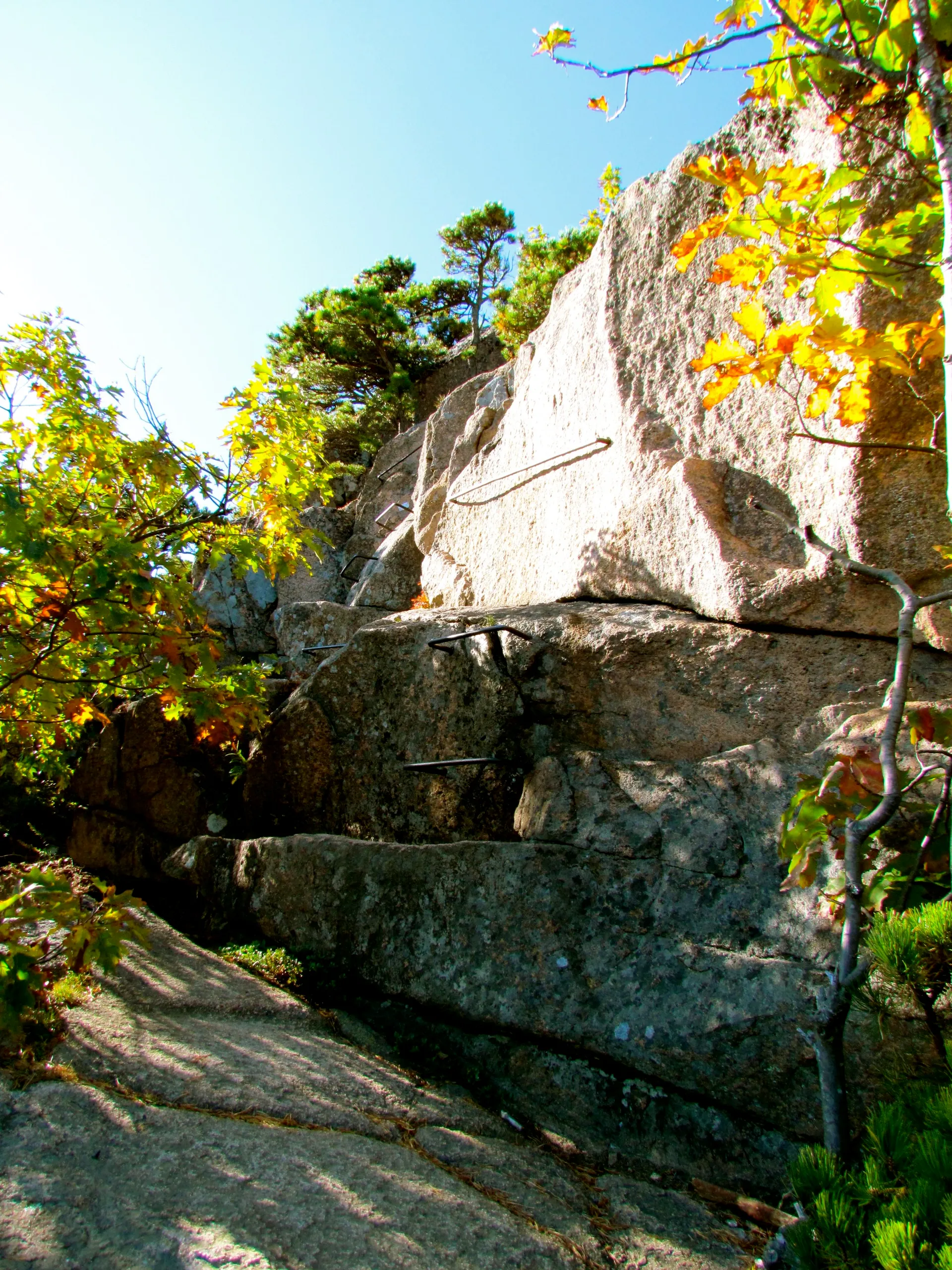
The Beehive is the hike people remember from their Acadia trip. It is short, about 1.5 miles for the loop, but it climbs a near-vertical cliff face on iron rungs and narrow ledges with serious exposure and a long drop. The views over Sand Beach and the open Atlantic are worth it, and the climbing is more fun than frightening for most people. Go up the Beehive Trail and come down the gentler Bowl Trail. Not for anyone with a real fear of heights, and a bad idea when the rock is wet.
2. The Precipice Trail
The Precipice is Acadia’s hardest and most exposed iron-rung route, climbing the east face of Champlain Mountain. It is more committing than the Beehive: more rungs, more exposure, and no easy bailout once you start. It closes most years from spring into summer to protect nesting peregrine falcons, so check the park status before you plan on it. When it is open and dry, it is the best thrill hike in the state.
3. Cadillac Mountain via the South Ridge
Most people drive up Cadillac Mountain, the highest point on the Atlantic coast of the United States. The better experience is to hike the South Ridge Trail, a long, mostly open ridge that climbs steadily with views the whole way. You earn the summit instead of parking at it, and you skip the timed-entry reservation the auto road requires in summer.
4. The Ocean Path
If you want Acadia’s coastline without any climbing, the Ocean Path is it. The 4.4-mile out-and-back follows the rocky shore from Sand Beach past Thunder Hole and Monument Cove to Otter Point. It is nearly flat and mostly stroller-friendly. This is the easy anchor for any Acadia trip and the one trail everyone in the family can do.
Baxter State Park and Katahdin
This is the wildest hiking in Maine. Baxter requires day-use parking reservations in summer, so plan ahead. Both routes below are full-day, serious undertakings.
5. Mount Katahdin via the Hunt Trail
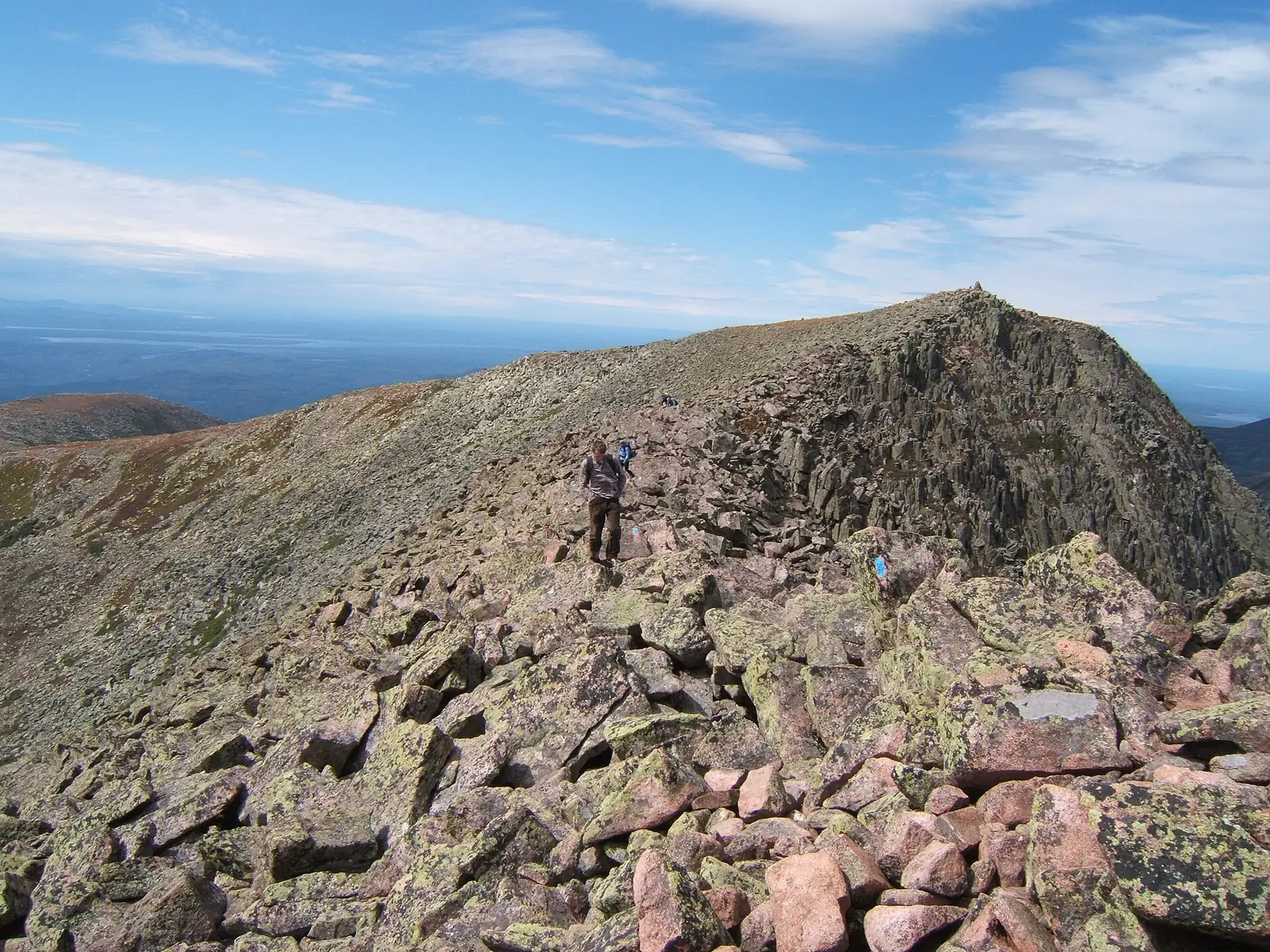
Katahdin is the tallest mountain in Maine at 5,268 feet and the northern terminus of the Appalachian Trail. The Hunt Trail is the standard route to Baxter Peak, a 10-to-11-mile round trip that climbs through boulder fields and over the exposed Tableland to the summit. It is a long, hard day with real weather risk above treeline. Start early, watch the forecast, and turn around if the weather turns. This is the centerpiece of the Maine 4000-footers for most peak-baggers.
6. The Knife Edge
The Knife Edge is the most famous ridge in the East, a narrow traverse between Pamola Peak and Baxter Peak with steep drops on both sides. In places the ridge narrows to a few feet wide. It is exhilarating in good weather and genuinely dangerous in wind, rain, or fog. Only attempt it on a clear, calm day, and only if you are comfortable with exposure and scrambling.
Katahdin and the Knife Edge involve long mileage, big elevation, exposed scrambling, and fast-changing weather above treeline. People are rescued off this mountain every year. Carry layers, food, water, and a headlamp, start at first light, and turn back if the weather deteriorates. Baxter State Park also limits parking with a day-use reservation system in summer.
The 100-Mile Wilderness
7. Gulf Hagas
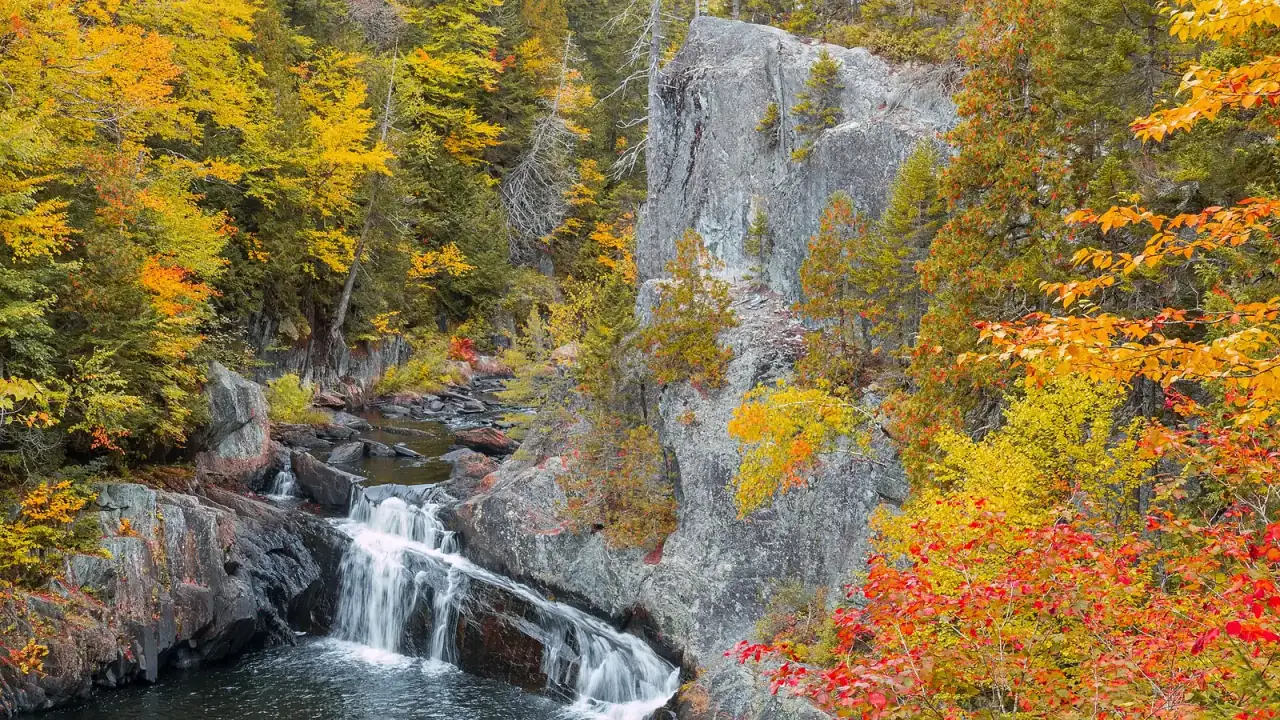
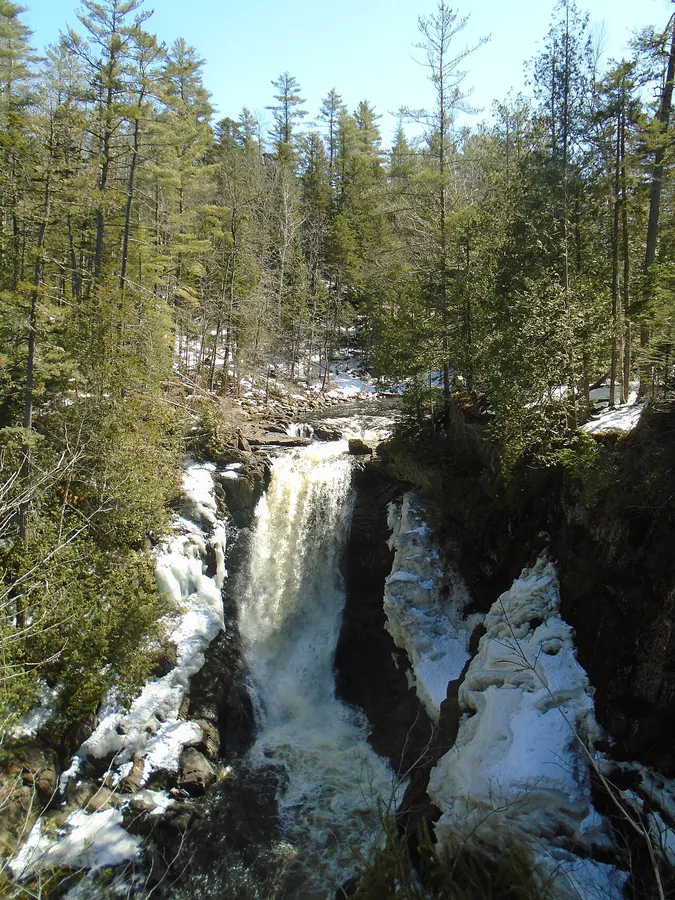
Gulf Hagas is a slate canyon carved by the West Branch of the Pleasant River, often called the Grand Canyon of the East. The full rim loop runs about 8 miles and passes a string of waterfalls, chutes, and pools as the canyon drops through the gorge. Budget five to seven hours, not the time the mileage suggests, because the rim trail is slow and rooty. The river crossing at the start can be tricky in high water. This is one of the best day hikes in northern Maine.
Western Mountains
The western mountains hold most of Maine’s 4000-footers and some of the best ridge walking in New England. For more, read our best hikes in the western mountains guide.
8. Tumbledown Mountain
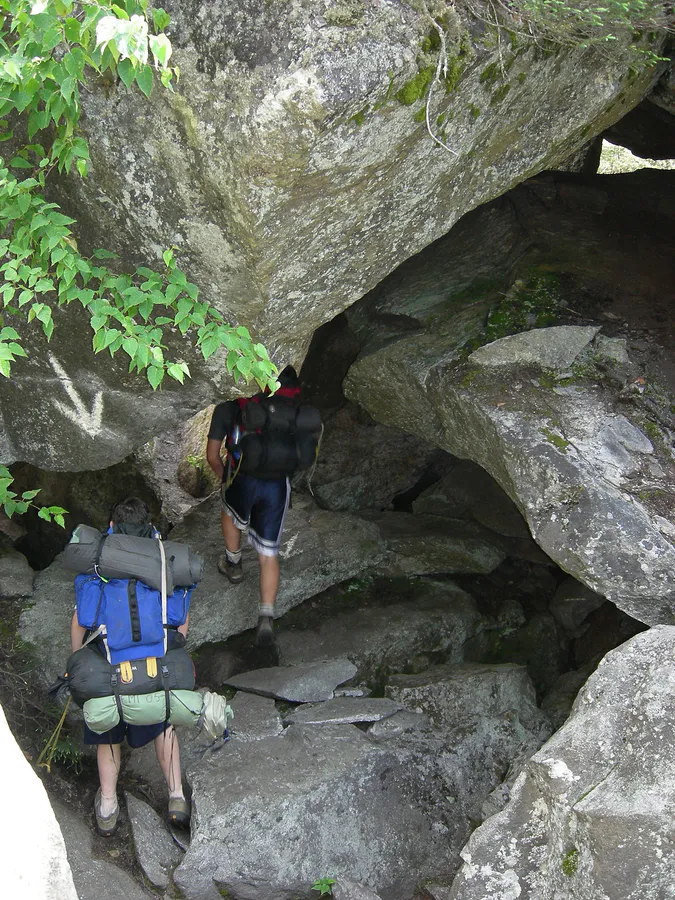
Tumbledown is the western mountains classic. The peak sits at 3,054 feet, and just below the summit is an alpine pond locals call Tumbledown Pond, sitting around 2,800 feet in a bowl ringed by higher ridges. The Loop Trail (about 5.5 miles for the full circuit) is the hardest way up and includes a narrow chimney squeeze called Fat Man’s Misery. The gentler Brook Trail is the family route to the pond. Either way, swimming in a mountain pond near the summit is the payoff.
9. The Bigelow Range
The Bigelow Range is one of the longest, finest ridge walks in the East. The traverse over West Peak (4,145 feet) and Avery Peak (4,088 feet) runs about 12 miles with huge views over Flagstaff Lake and the western mountains. It is a hard day, but two 4000-footers in one trip make it efficient for peak-baggers. Some people make it an overnight using the lean-tos on the ridge.
10. Old Speck Mountain
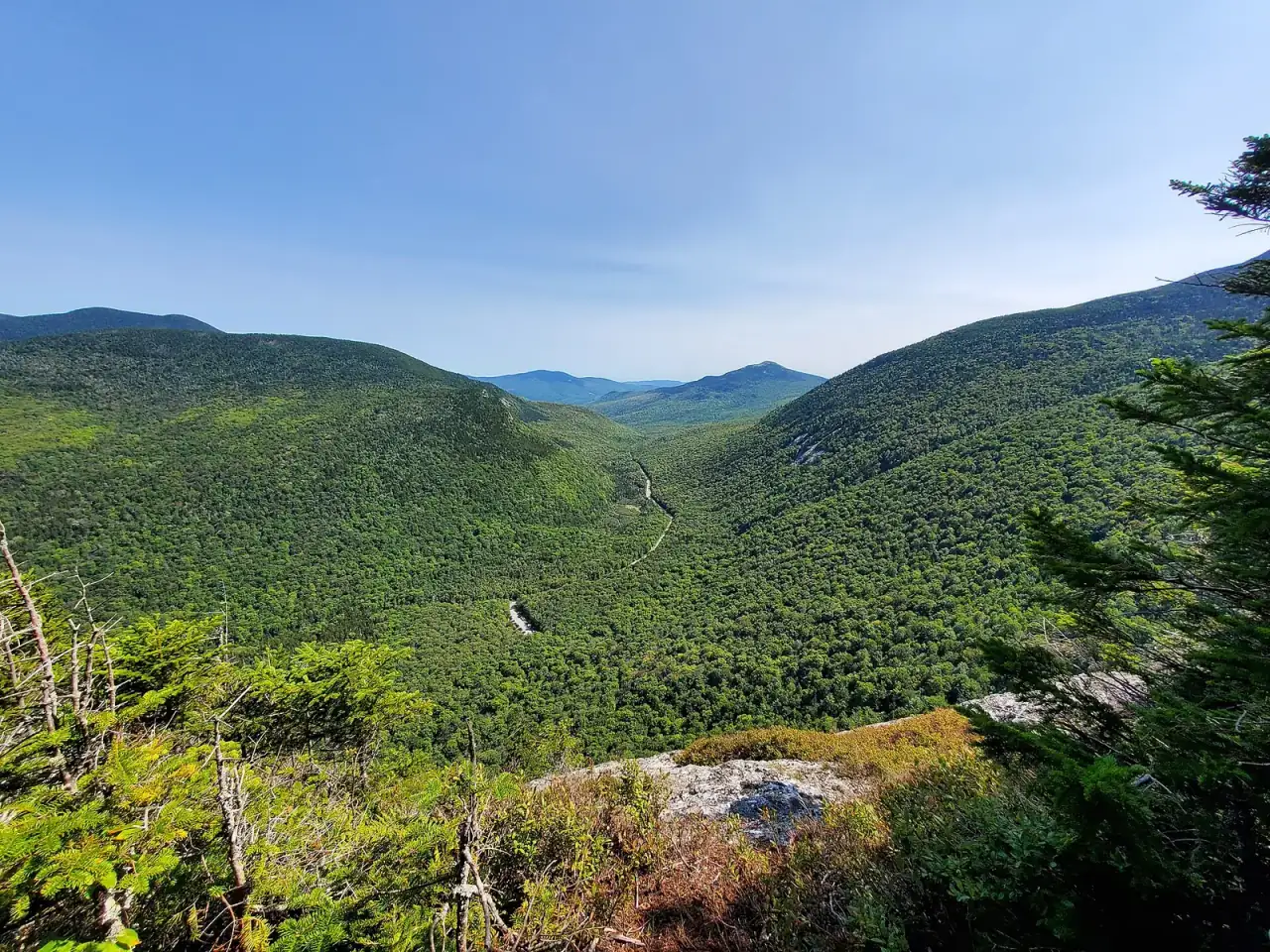
Old Speck is the high point of Grafton Notch and a 4000-footer at 4,170 feet. The standard route up the Old Speck Trail and back is about 7.6 miles, climbing steadily through the notch with a summit observation tower at the top. Grafton Notch itself is worth the trip for the roadside waterfalls and the dramatic glacial valley.
Midcoast
The midcoast trades elevation for ocean views. These low summits look straight down on Penobscot Bay.
11. Mount Battie
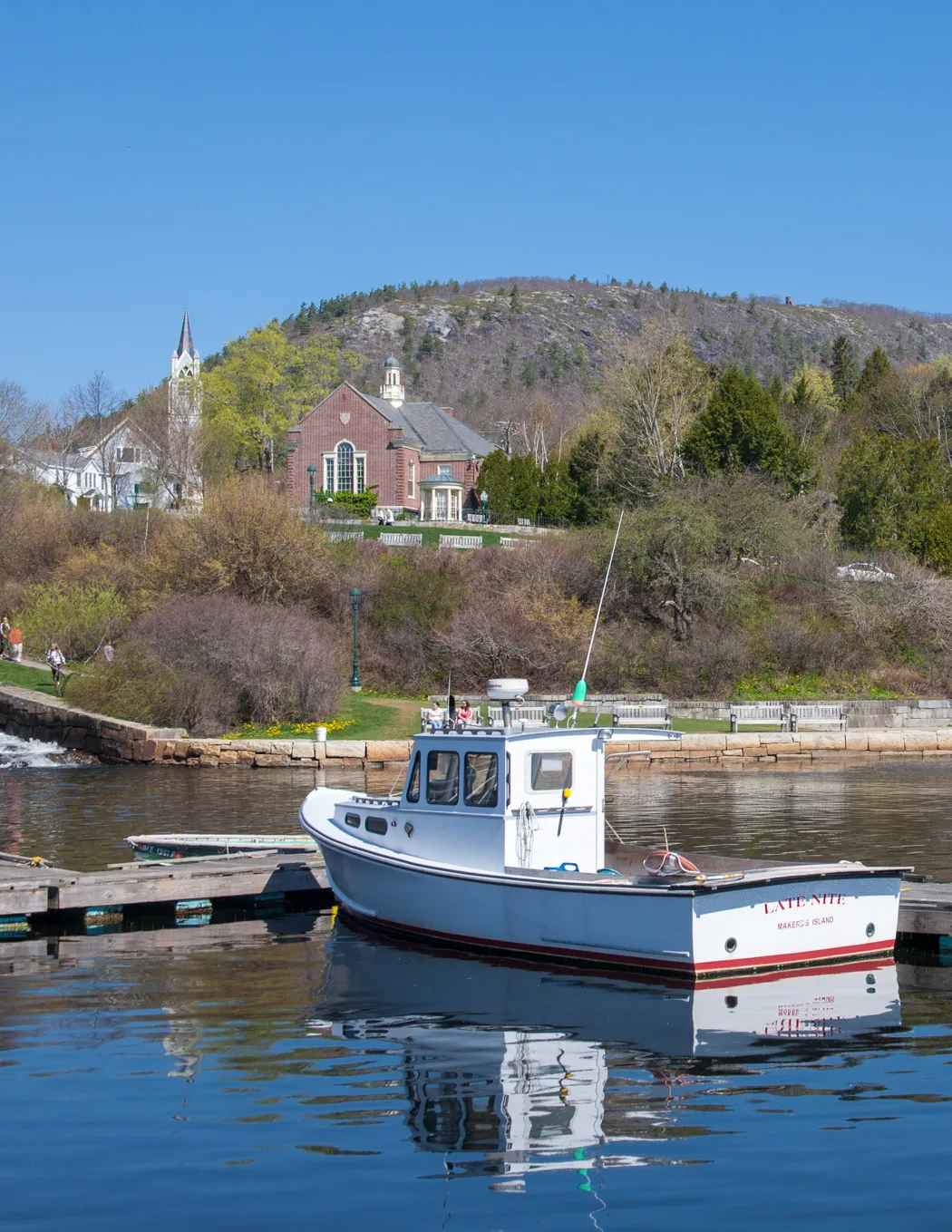
Mount Battie in Camden Hills State Park is the best view-for-effort hike in Maine. A one-mile carriage road climbs about 580 feet to a stone tower with the most photographed view on the coast: Camden Harbor, the sailboats, and Penobscot Bay spread out below. You can also drive the auto road if you have small kids. Edna St. Vincent Millay wrote “Renascence” about this view.
12. Mount Megunticook
Just behind Mount Battie, Mount Megunticook is the highest mountain on the mainland Maine coast, at 1,385 feet. The hike to Ocean Lookout is a steeper, more rewarding climb than Battie, with an open ledge that drops away toward the bay. It is moderate, rooty in spots, and far less crowded than the Battie tower.
Greater Portland
If you are based near Portland and want a summit without a long drive, read our best hikes near Portland guide. The standout is below. Hiking with a dog? The dog-friendly hikes in Maine guide flags which trails allow leashed dogs.
13. Bradbury Mountain
Bradbury Mountain in Pownal is the easiest real summit near Portland. A short climb of roughly half a mile on the Tote Road Trail reaches an open, rocky bald with views to Casco Bay and Portland. It is 20 minutes from Freeport and works for young kids, which makes it one of the most-hiked little mountains in southern Maine.
Moosehead Region
14. Borestone Mountain
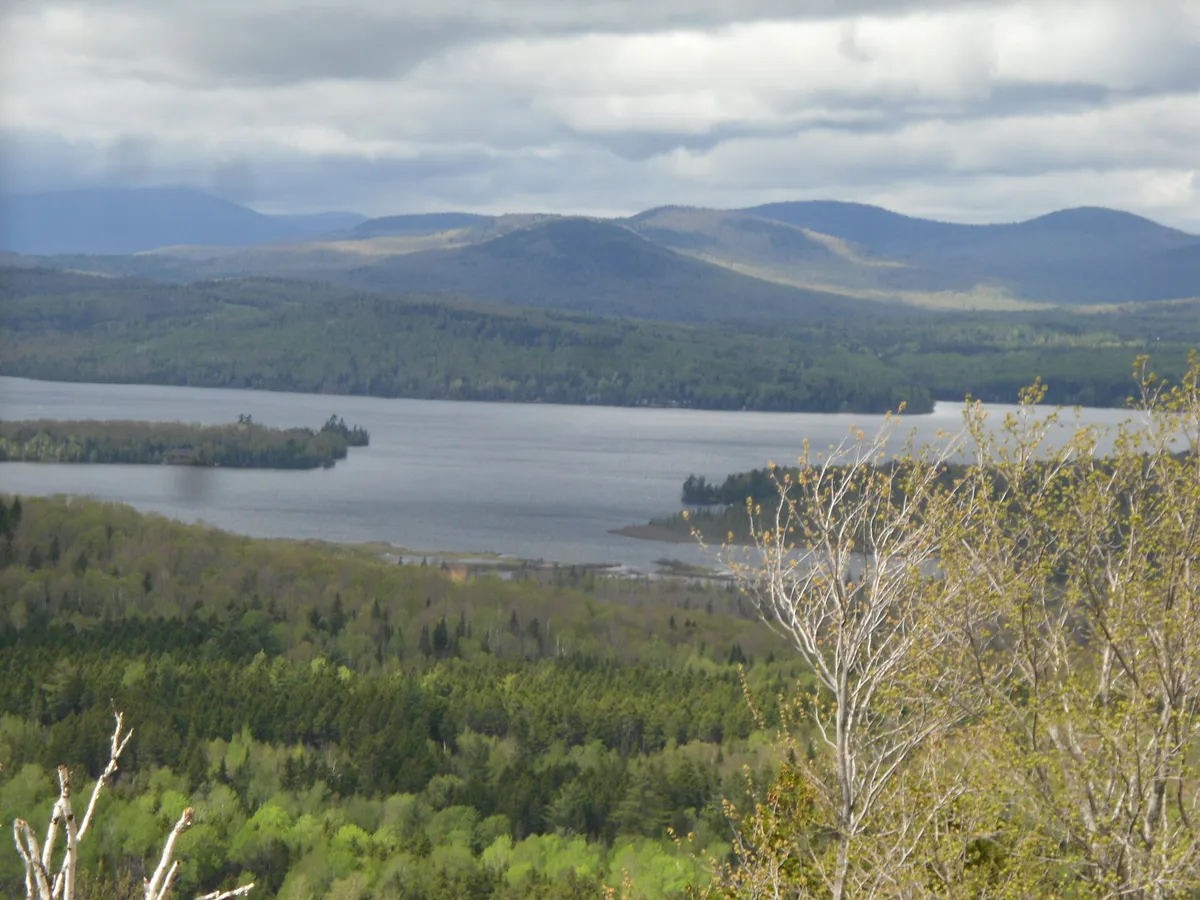
Borestone Mountain, on an Audubon sanctuary near Monson, is a moderate climb past two mountain ponds to a bare summit with views over the 100-Mile Wilderness and Lake Onawa. The round trip is about 4 miles. It is a manageable taste of the big north woods without the commitment of Katahdin or Gulf Hagas, and a good warm-up if you are working toward bigger trips.
How Hard Are Maine’s Trails?
Maine hiking runs the full range. The easy end (Ocean Path, Mount Battie, Bradbury) is paved or graded and works for families. The middle (Megunticook, Tumbledown’s Brook Trail, Borestone) is real climbing with roots, rock, and steady grades. The hard end (the 4000-footers, Gulf Hagas, the Acadia iron-rung trails) involves long mileage, exposure, and weather. Match the trail to the least experienced person in your group, not the most.
Footing is the thing that surprises out-of-state hikers. Maine trails are rooty, rocky, and often wet, with granite ledges that turn slick in rain. Good boots with grip matter more here than in most places. See our hiking boots guide for what holds up on Maine granite, the daypack guide for what to carry it all in, and the hiking socks guide because wet feet end more hikes than wet weather does.
On the bigger peaks (Katahdin, the Bigelows, Old Speck, Gulf Hagas) you are hours from help with no cell service. Carry layers, extra food, a headlamp, a map, and a way to filter water, even on a clear-forecast day. Weather above treeline turns fast, and the difference between a good day and a rescue is usually a packed jacket and a turn-around decision made on time.
When to Hike in Maine
May: Trails are muddy and high peaks may still hold snow. Black flies start. Stick to lower, drier trails. See our mud season guide.
June: Trails dry out and everything is green, but black flies peak in early June in the woods. Coastal and breezy summit trails are more comfortable than buggy lowland ones.
July and August: Prime hiking weather, longest days, warmest summit temperatures. Also the most crowded. Start early at Acadia and Baxter to beat both the heat and the parking problems.
September and October: The best month for many hikers. Bugs are gone, the air is crisp, and the foliage is spectacular. See our fall hikes guide. High peaks can get early snow by late October.
Frequently Asked Questions
What is the best hike in Maine?
It depends what you want. For a thrill, the Beehive or Precipice iron-rung trails in Acadia. For a once-in-a-lifetime ridge, Katahdin's Knife Edge. For the best view-to-effort ratio, Mount Battie in Camden. For an alpine pond, Tumbledown. Most visitors rank the Acadia trails highest because of the combination of ocean and granite, but Katahdin is the crown jewel for serious hikers.
What is the hardest hike in Maine?
Katahdin and its Knife Edge are the hardest and most dangerous, with long mileage, big elevation, exposed scrambling, and fast-changing weather above treeline. Among shorter trails, the Precipice in Acadia is the most exposed iron-rung climb. Redington and other off-trail 4000-footers require bushwhacking, which is its own kind of hard.
Do you need a beginner-friendly option for hiking in Maine?
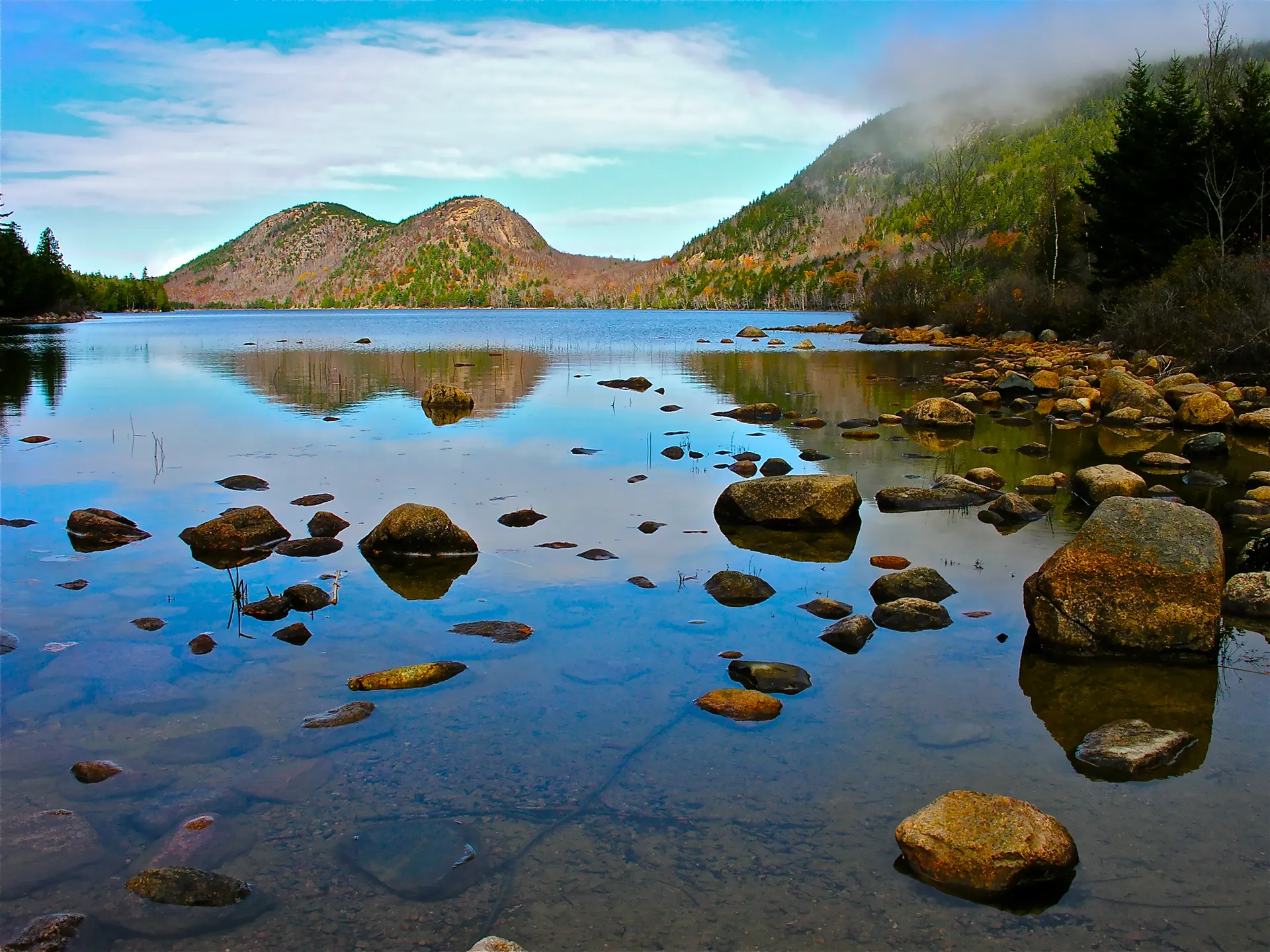
Plenty exist. The Ocean Path in Acadia, Mount Battie in Camden, Bradbury Mountain near Portland, and the Jordan Pond Path are all easy, well-graded, and family-friendly with big payoffs. Our best easy hikes in Maine guide covers ten more flat or gentle trails for beginners and kids.
When is the best time to hike in Maine?
September and early October. The black flies and mosquitoes are gone, the temperatures are crisp, and the fall foliage is at its best. July and August have the warmest summit weather but the most crowds and bugs. Spring is muddy with snow lingering on high peaks. Avoid the high peaks until trails dry out in June.
Are Maine hiking trails dog-friendly?
Many are, but not all. Most Acadia trails allow leashed dogs except the ladder and iron-rung trails (Precipice, Beehive, Jordan Cliffs). Baxter State Park does not allow pets at all. State parks like Camden Hills allow leashed dogs. See our dog-friendly hikes in Maine guide for trails that work well with a dog.
Do I need a permit or reservation to hike in Maine?
Acadia requires a timed-entry vehicle reservation for the Cadillac Mountain auto road in summer, but not for hiking trails themselves. Baxter State Park requires a day-use parking reservation in summer for Katahdin trailheads. Most state parks and land-trust trails are free or charge a small day-use fee. Check the specific park before you go.
Go Deeper by Region
- Best hikes in Acadia National Park covers every classic on Mount Desert Island.
- Maine’s 14 4000-footers is the high-peak bagging guide.
- Best hikes in the western mountains covers Rangeley, Weld, and the Carrabassett Valley.
- Best hikes near Portland lists summits within an hour of the city.
- Best easy hikes in Maine gathers flat and gentle trails for families.
- Maine hiking for beginners tells you what to know before your first real hike.
- Best fall hikes for foliage covers when and where to catch the color.