

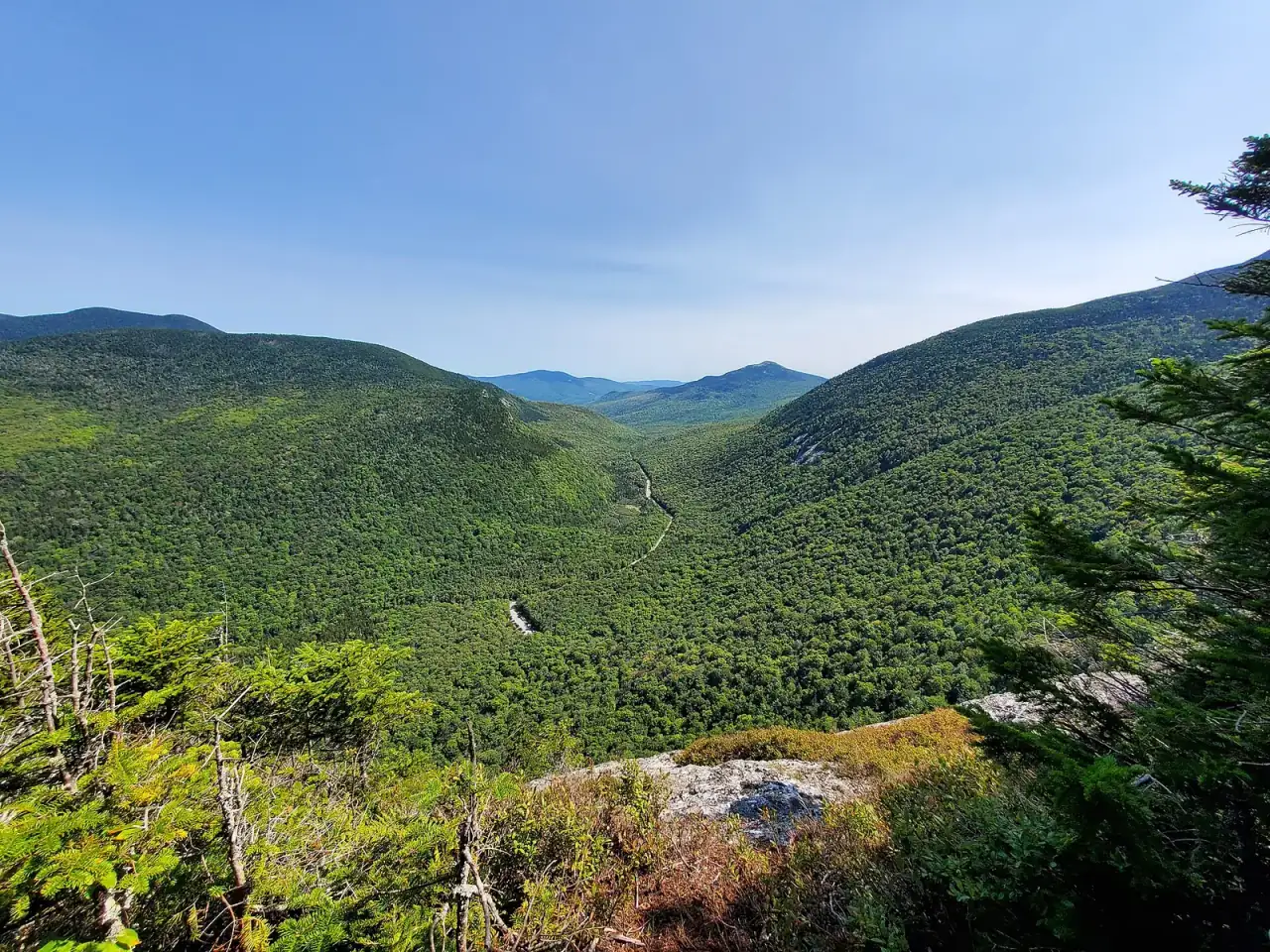
Maine’s Western Mountains are where the state hides its best hiking. While everyone flocks to Acadia and Katahdin, this sprawling region between the New Hampshire border and the Kennebec River holds some of the most dramatic ridgelines, wildest terrain, and emptiest trails in the Northeast. These are mountains where you can hike all day on a Saturday in July and count the other hikers on one hand.
The trade-off is access. Most western Maine trailheads sit at the end of dirt logging roads, cell service is nonexistent, and the nearest hospital might be an hour away. But that remoteness is exactly the point. These mountains feel like they did fifty years ago.
After years of hiking every major peak in this region, these are the trails that keep pulling us back. Several of them also make our statewide list of the best hikes in Maine, alongside the Acadia and Katahdin classics.
| Trail | Distance | Difficulty | Elev. Gain | Best For |
|---|---|---|---|---|
| Tumbledown Mountain (Loop) | 5.4 mi loop | Strenuous | 1,700 ft | Alpine pond + scrambles |
| Baldface Circle Trail | 9.8 mi loop | Strenuous | 3,600 ft | Open granite slabs |
| Old Speck (Grafton Notch) | 7.6 mi RT | Strenuous | 2,700 ft | AT + fire tower views |
| Bigelow Range (Avery + West) | 10.4 mi RT | Strenuous | 3,200 ft | Epic ridgeline |
| Bemis Mountain Range | 10.2 mi RT | Moderate-Strenuous | 2,800 ft | Solitude + lake views |
| Aziscohos Mountain | 1.4 mi RT | Easy-Moderate | 600 ft | Quick summit, big views |
| Crocker Mountain | 10.2 mi RT | Strenuous | 3,300 ft | 4,000-footer bagging |
1. Tumbledown Mountain
Distance: 5.4 miles (loop via Brook Trail up, Parker Ridge down) | Difficulty: Strenuous | Elevation Gain: 1,700 ft
Tumbledown is the hike that converts people. The summit ridge holds a pristine alpine pond, Tumbledown Pond, sitting in a glacial cirque at 2,800 feet with cliffs rising on three sides. You can swim in it on a hot August afternoon, floating on your back while staring at open sky framed by rock walls. There is nothing else like it in Maine.
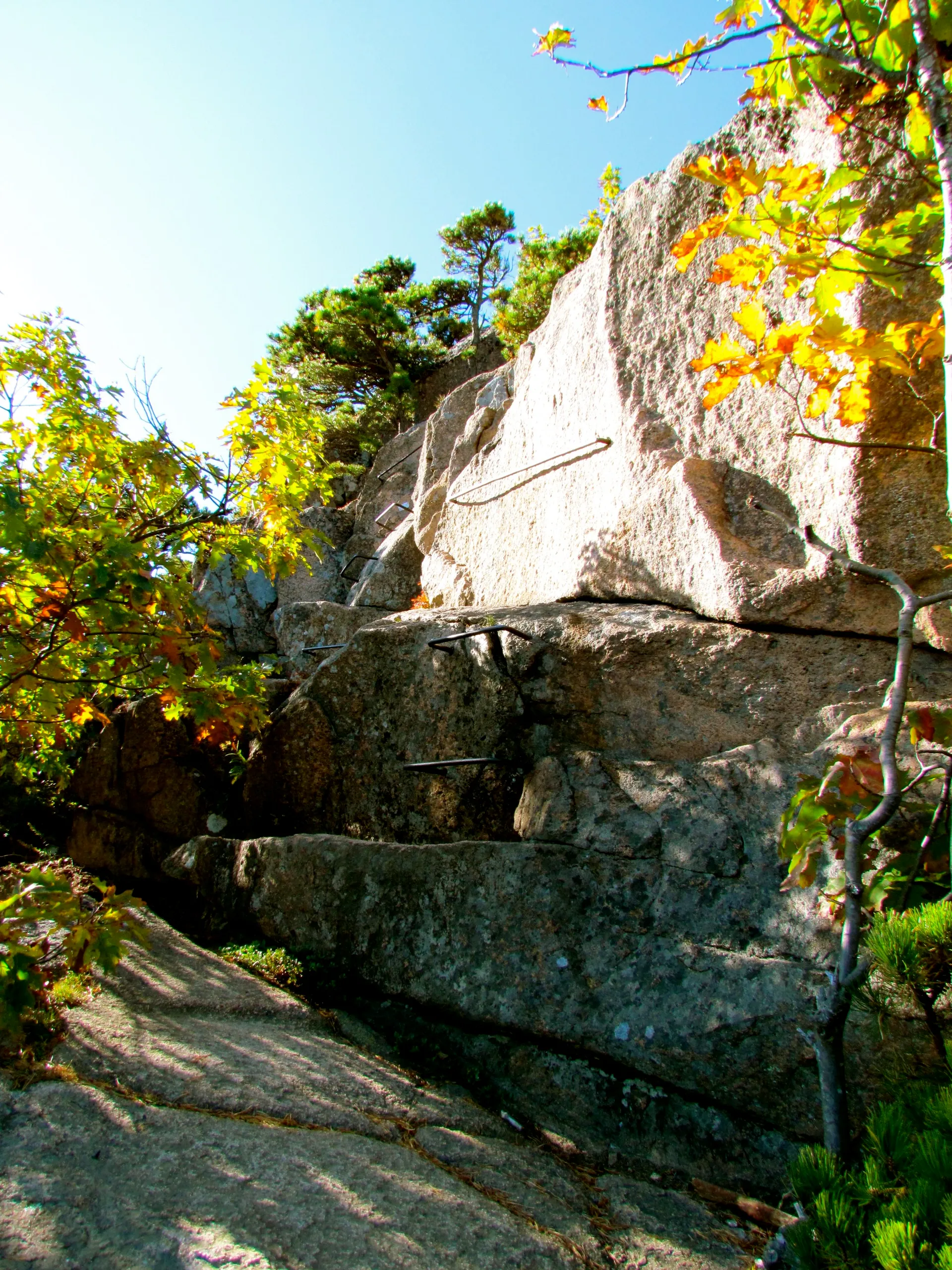
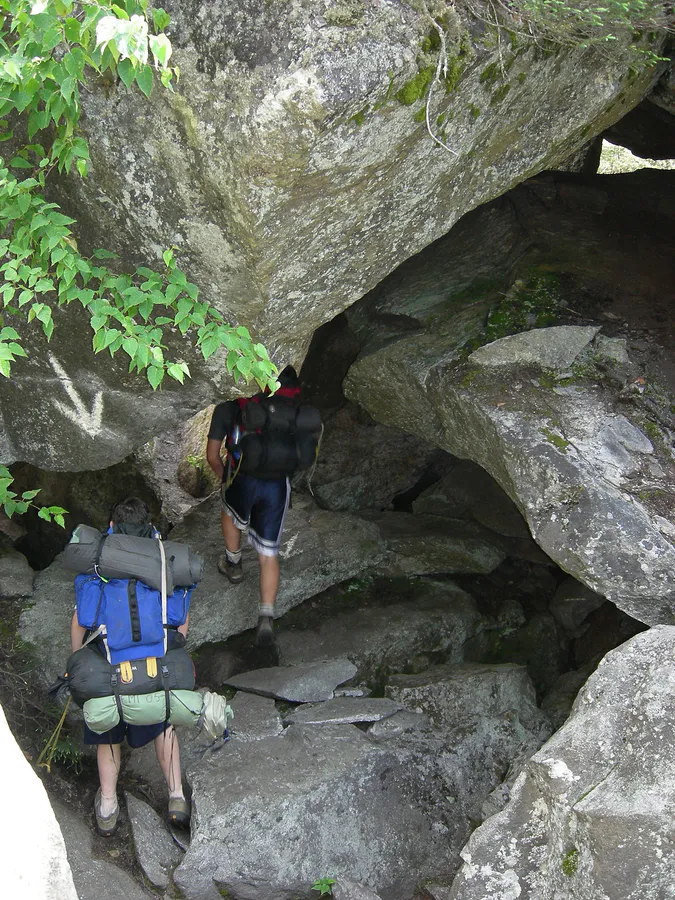
The Brook Trail is the most popular route up, and for good reason. It follows a cascading stream through dense forest before hitting the chimney, a narrow rock chute where you pull yourself up hand over hand through a crack in the cliff. It is not technical climbing, but it is real scrambling, and your pack will get in the way more than once.
Coming down via the Parker Ridge Trail gives you a full loop and avoids the knee-destroying descent through the chimney. The ridge section has wide-open views south toward Mount Blue and the rolling hills of Franklin County.
The Tumbledown trailhead road (Byron Road) is rough but passable in a regular car if you drive slowly. Do not rely on GPS. It will try to send you down logging roads. Follow signs from Weld village and you will be fine.
2. Baldface Circle Trail
Distance: 9.8 miles loop | Difficulty: Strenuous | Elevation Gain: 3,600 ft
Baldface Circle is arguably the single best day hike in Maine, and we will stand by that claim. The loop crosses North and South Baldface, two granite domes that sit right on the Maine-New Hampshire border near Bethel. The upper third of the route is almost entirely above treeline, miles of open granite slabs with 360-degree views of the White Mountains, the Presidential Range, the Carter Range, and deep into Maine’s western interior.
Go counterclockwise (up South Baldface first). The south side has the steepest granite slabs, and you want to be climbing up them, not sliding down. In dry conditions the friction is excellent and the slab walking is pure joy. In wet conditions, cancel the trip. Wet granite slabs at 40 degrees are not a hiking experience. They are an emergency.
The total elevation gain is real. 3,600 feet over nearly 10 miles will put a full day in your legs. But the exposed ridgeline between the two summits, where you walk over bare rock with nothing but sky around you, is worth every step of the approach.
The Baldface ridgeline is exposed and above treeline for over two miles. There is no shelter from lightning, wind, or rain. Check the forecast carefully and start early. Afternoon thunderstorms in summer are common and extremely dangerous on open granite.
3. Old Speck Mountain (Grafton Notch)
Distance: 7.6 miles round trip | Difficulty: Strenuous | Elevation Gain: 2,700 ft
Old Speck is the third-highest peak in Maine at 4,170 feet, and the Appalachian Trail runs right over its summit. The hike starts from Grafton Notch State Park, climbs steeply through beautiful birch and spruce forest, and tops out at a restored fire tower with views that stretch from Katahdin to Mount Washington on a clear day.
The lower section passes through some of the prettiest forest in western Maine, big yellow birches, mossy boulders, fern-filled glades. The upper section tightens into dense spruce and fir before breaking out at the summit clearing. The fire tower is climbable and adds a critical elevation boost, Old Speck’s summit is partially wooded, so the tower is where the views live.
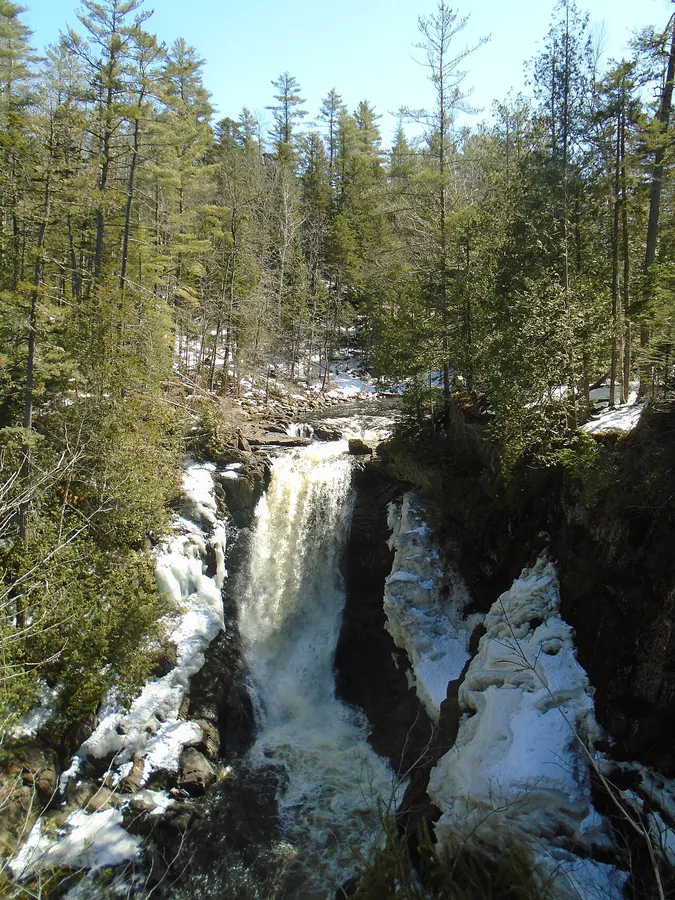
While you are in Grafton Notch, do not miss Screw Auger Falls and Mother Walker Falls near the trailhead parking area. Both are short walks (under 5 minutes) and make excellent warm-ups or cool-downs. Table Rock is another stellar option if you want a shorter hike with dramatic cliff-edge views.
The Grafton Notch parking area fills on fall weekends. Get there before 8 AM during peak foliage season (late September to early October). If you arrive late, the Table Rock trailhead across the road usually has space.
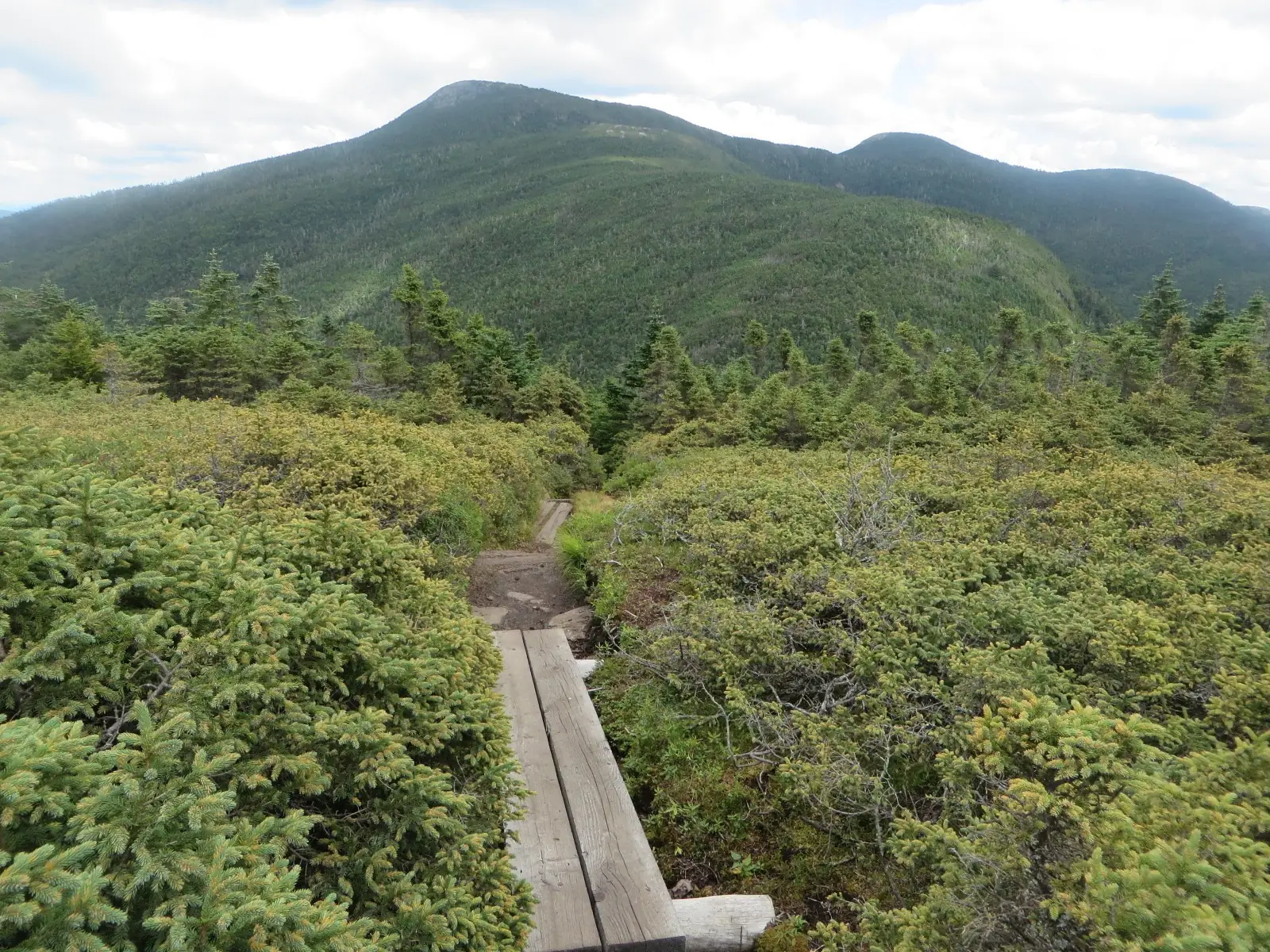
4. Bigelow Range (Avery Peak and West Peak)
Distance: 10.4 miles round trip (via Fire Warden’s Trail) | Difficulty: Strenuous | Elevation Gain: 3,200 ft
The Bigelow Range is the ridgeline that makes experienced hikers stop and stare. Two 4,000-foot peaks, Avery Peak (4,090 ft) and West Peak (4,145 ft), connected by an exposed alpine ridge with views down to Flagstaff Lake on one side and the Carrabassett Valley on the other. This is one of the most dramatic mountain landscapes in the eastern United States, and it sees a fraction of the traffic that equivalent peaks get in the White Mountains.
The Fire Warden’s Trail is the most direct route, climbing steadily through hardwood forest before entering the subalpine zone. The last mile to Avery Peak crosses fragile alpine vegetation, stay on the marked trail and on the rocks. The traverse from Avery to West Peak along the Appalachian Trail is where this hike becomes extraordinary. The narrow ridge, exposed rock, and plunging views into Horns Pond make it feel like a different world from the forests below.
West Peak has the best views of the two summits. On a clear morning you can see Sugarloaf to the north, Saddleback to the west, and Katahdin as a blue smudge on the northeast horizon over 100 miles away.
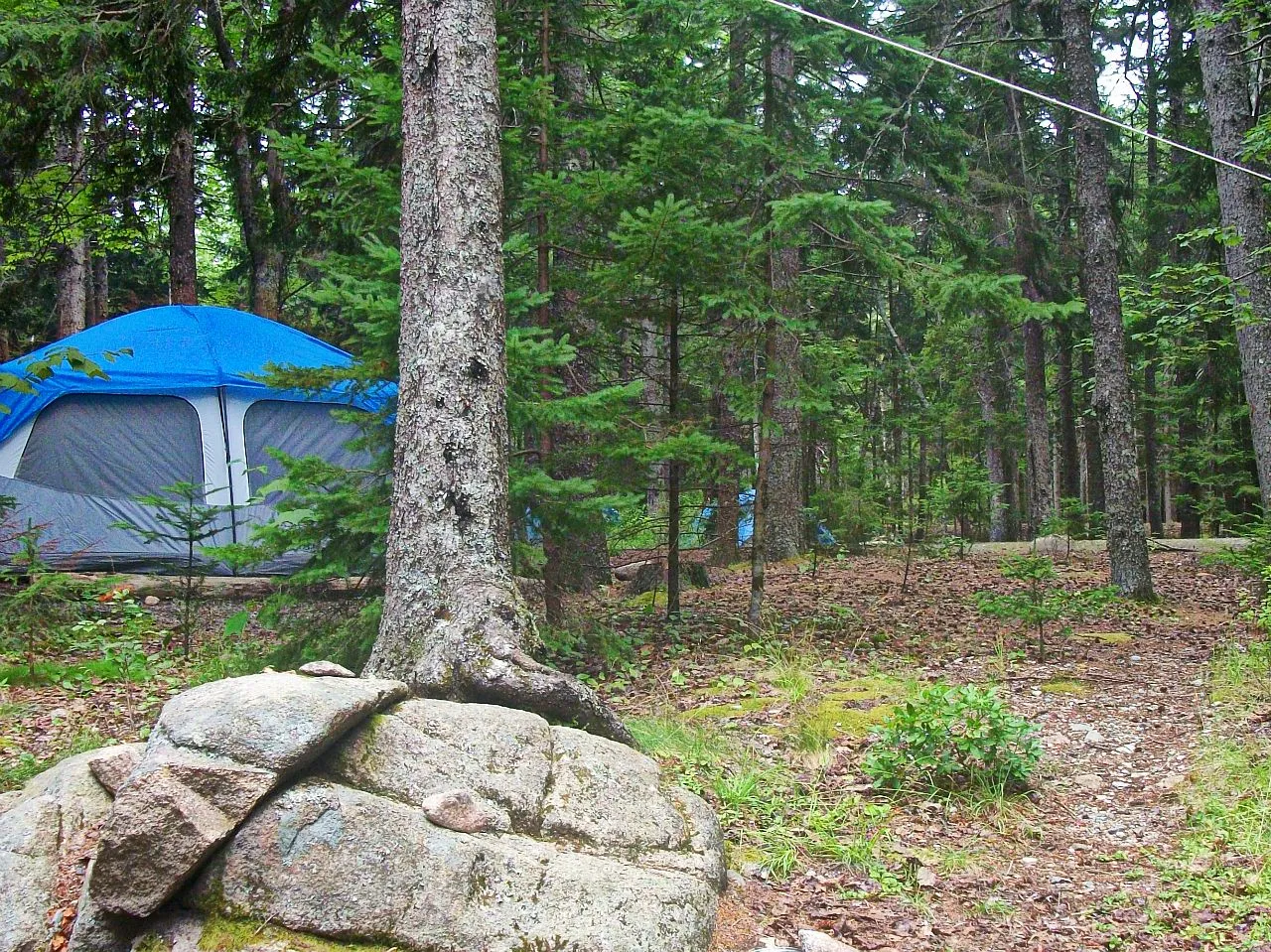
For a multi-day trip, the Horns Pond lean-tos sit in the col between the Horns, offering tent platforms near a pristine mountain pond. Reserve through the Maine Appalachian Trail Club.
5. Bemis Mountain Range
Distance: 10.2 miles round trip (to Second and Third Bemis summits) | Difficulty: Moderate-Strenuous | Elevation Gain: 2,800 ft
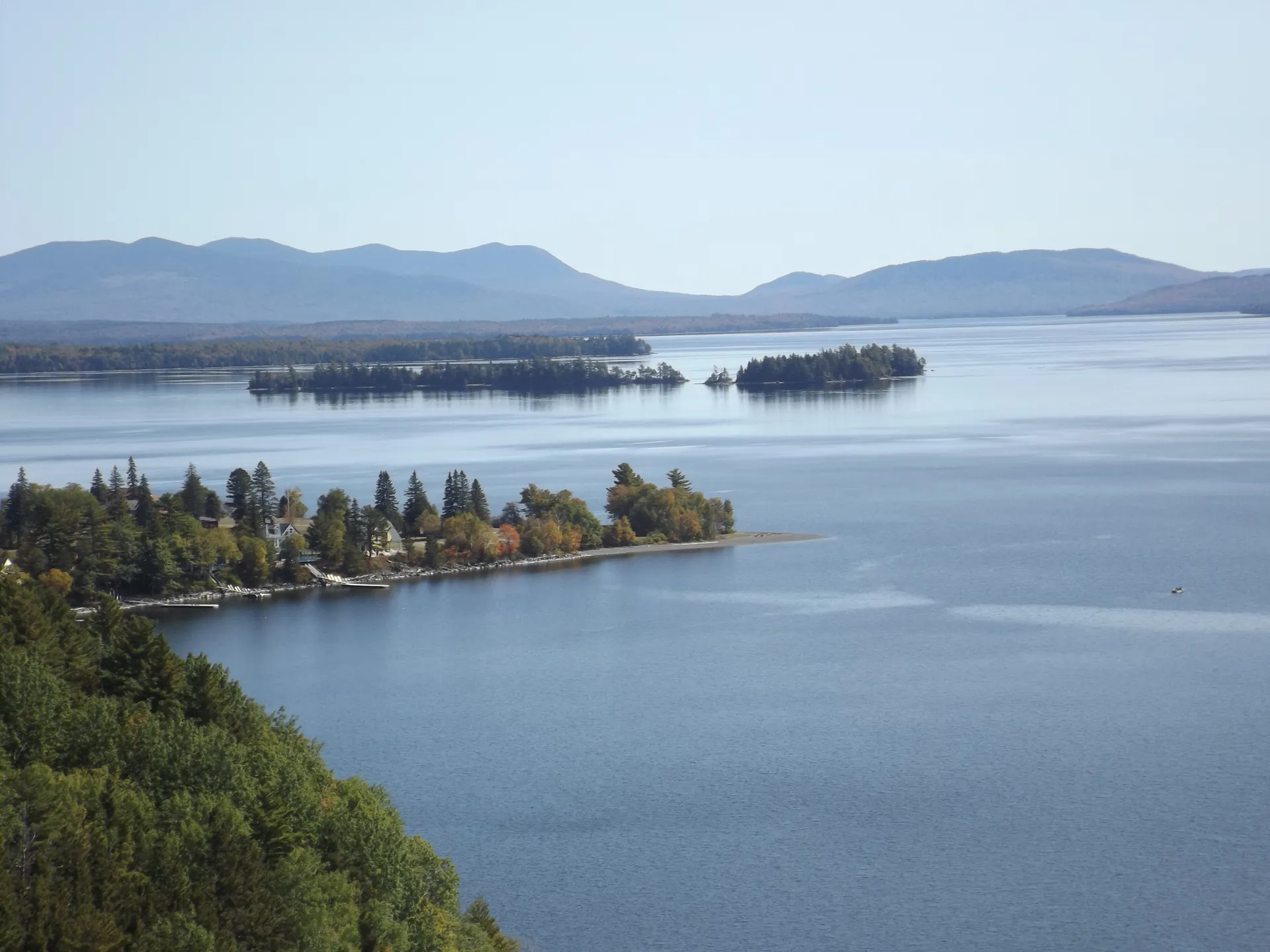
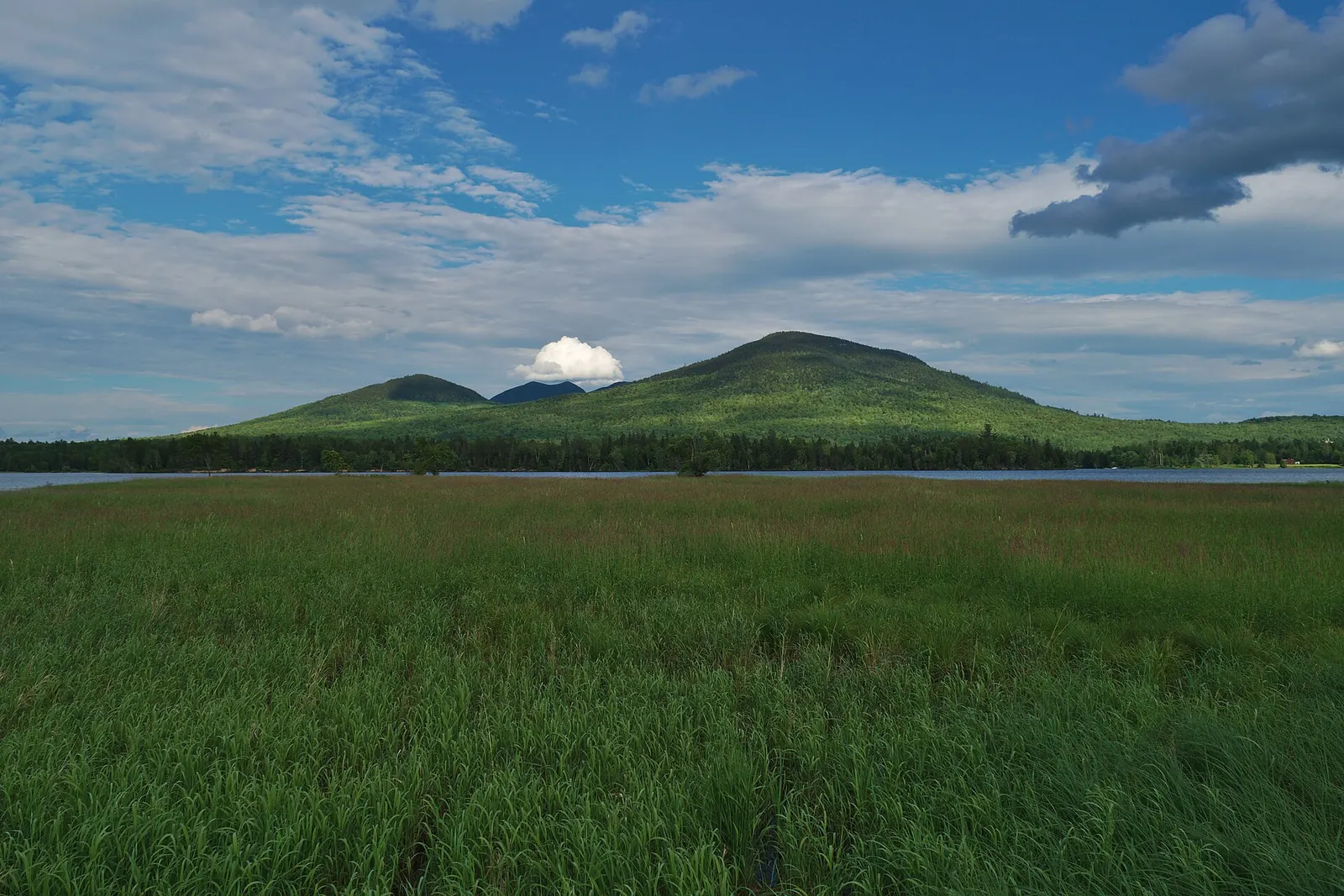
Bemis is the hike for people who want a real mountain day without seeing another soul. The Bemis Range runs along the south shore of Mooselookmeguntic Lake and is accessed via the Appalachian Trail from Route 17 at the Height of Land overlook, one of the most photographed viewpoints in Maine.
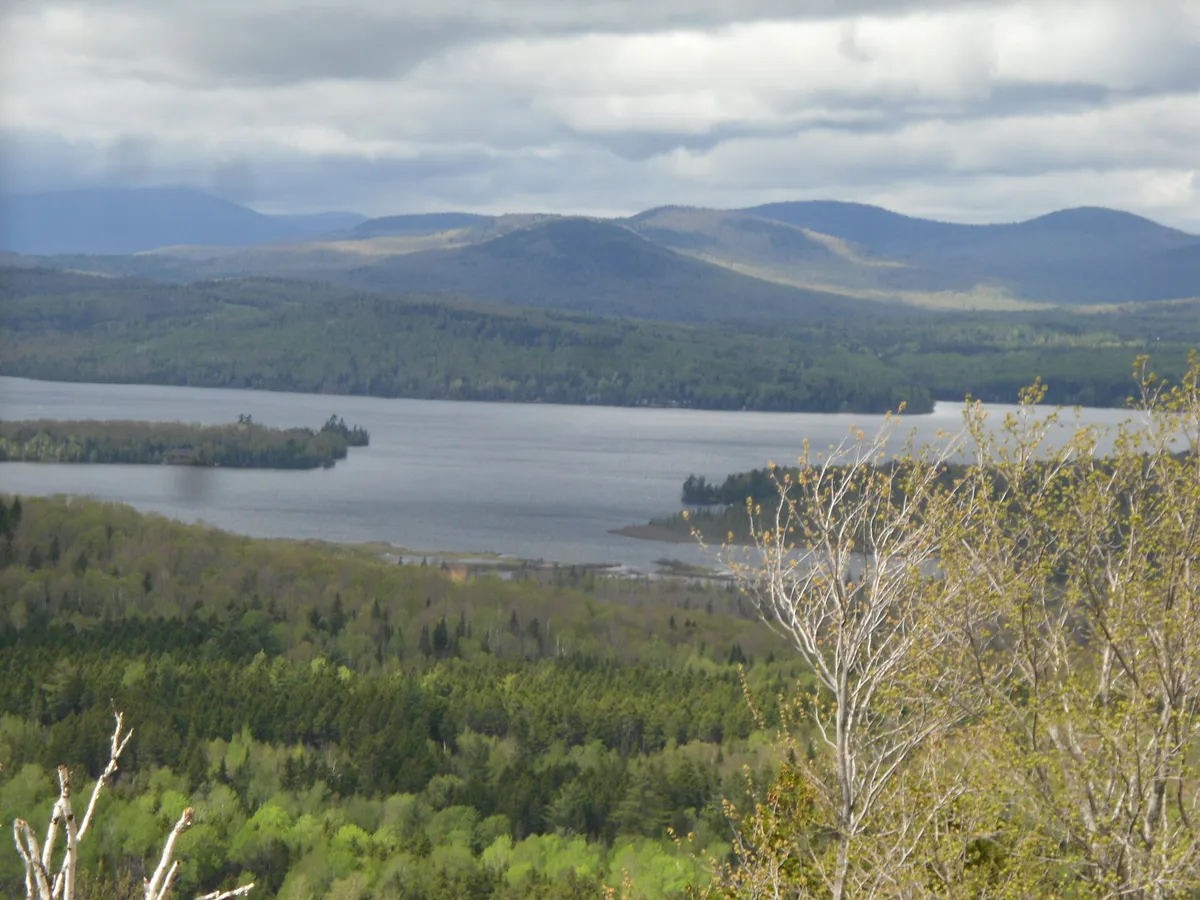
The AT climbs south from the parking area along a wooded ridge, passing over several bumps before reaching the open summits of Second and Third Bemis. The views from the ridgeline are staggering: Mooselookmeguntic spreads out below you like a sapphire, with Rangeley Lake visible beyond, and the entire western Maine mountain panorama stretching to the horizon.
This is a long day with real elevation gain, but the footing is generally good and the trail is well-maintained. The solitude alone makes it worthwhile. This section of the AT gets far less foot traffic than the sections near Saddleback or Bigelow.
Stop at the Height of Land overlook (Route 17 between Oquossoc and Byron) before or after your hike. The pull-off has one of the best roadside views in Maine, looking down over Mooselookmeguntic Lake with mountains layered behind it. In October during peak foliage, it is otherworldly.
6. Aziscohos Mountain
Distance: 1.4 miles round trip | Difficulty: Easy-Moderate | Elevation Gain: 600 ft
Aziscohos is the sleeper on this list. A fire tower sits on top, and the 360-degree views from the cab are among the best in western Maine, Aziscohos Lake to the north, the Rangeley Lakes spread out to the south, and the White Mountains stacked along the western horizon. All of that from a trail that takes about 40 minutes to climb.
The trail is short but steep, climbing 600 feet in roughly 0.7 miles through mixed forest. The fire tower is in good condition and fully climbable. On clear days you can pick out individual peaks across three states, Maine, New Hampshire, and the tip of Vermont’s Northeast Kingdom.
This is the hike we recommend when someone is driving through Rangeley and has a couple hours to spare. It packs more view-per-effort than almost any other trail in the region. Bring binoculars, moose are frequently spotted in the wetlands around Aziscohos Lake.
7. Crocker Mountain
Distance: 10.2 miles round trip | Difficulty: Strenuous | Elevation Gain: 3,300 ft
Crocker is one of Maine’s fourteen 4,000-foot peaks, and it is the one that the peak-baggers tend to save for last or skip entirely. That is a mistake. The twin summits of South Crocker (4,050 ft) and North Crocker (4,228 ft) offer a legitimate alpine experience with far fewer hikers than Katahdin or Sugarloaf.
The approach from Route 27 near Carrabassett Valley follows the Appalachian Trail northbound, climbing steadily through dense boreal forest. The forest up here is thick, balsam fir and spruce so close together you could barely squeeze between them off-trail. South Crocker’s summit has limited views, but push on to North Crocker for a partially open summit with views toward Sugarloaf and the Bigelow Range.
The total elevation gain across both peaks is serious. Factor in the descent into the col between them and the re-climb to the second summit, and you are looking at a genuine 3,300-foot day. Your quads will know about it the next morning.
More Western Maine Trails Worth Your Time
The seven hikes above are the headliners, but western Maine has plenty more:
- Mount Abraham. A 4,050-foot peak with a long above-treeline ridge and one of the biggest alpine zones in Maine. The approach via the fire warden’s trail is about 8 miles round trip. Views rival the Bigelow Range with a fraction of the hikers.
- Saddleback Mountain. Another 4,000-footer with an extensive open ridgeline. The AT crosses the summit and continues over the Horn, creating one of the longest above-treeline traverses in Maine.
- Puzzle Mountain. A moderate 4.6-mile round trip hike near Bethel with open ledges and excellent views of the Mahoosuc Range. Great fall foliage hike.
- Caribou Mountain. A 6.8-mile loop through Evans Notch with a bog boardwalk, open summit ledges, and views into both Maine and New Hampshire. One of the best moderate hikes in the region.
- Tumbledown Dick. The lesser-known neighbor of Tumbledown Mountain with a fun scramble near the summit. Usually empty even when Tumbledown’s parking lot is overflowing.
- Speckled Mountain. A beautiful loop hike in Evans Notch with old-growth forest, cascading streams, and a bald summit.
- Blueberry Mountain. Easy hike with open ledges covered in wild blueberry bushes. Best in late July and August when the berries are ripe. Bring a container.
When to Hike Western Maine
Peak season runs from late June through mid-October. The sweet spot is September, bugs are gone, temperatures are comfortable, and the foliage starts turning by the third week.
Fall foliage peaks in the western mountains roughly a week before coastal Maine. Expect peak color from late September to the first week of October, starting at higher elevations and working down. The Height of Land overlook on Route 17 is one of the best foliage viewpoints in the state.
Spring (May and June) brings blackflies and muddy trails. Many higher trails have “mud season” closures or advisories through late May. The bugs are genuinely terrible in June, do not underestimate western Maine blackflies.
Winter hiking is possible but demands real gear and experience. These mountains get serious snow (6-8 feet is normal above 3,000 feet), temperatures drop well below zero, and there is no cell service if something goes wrong. Microspikes and snowshoes are mandatory from December through April.
Getting There
The western mountains are roughly 2-3 hours from Portland, depending on where you are headed. Rangeley is the main hub for the northern section (Saddleback, Bemis, Aziscohos, Mooselookmeguntic area). Bethel serves the Evans Notch and Grafton Notch areas. Carrabassett Valley is the base for Sugarloaf, Bigelow, and Crocker.
Gas up before you leave civilization. Fuel options thin out quickly once you leave Route 2 or Route 4. Cell service is sporadic at best and nonexistent in most areas, download your maps and trail descriptions before you drive in.
What is the best hike in western Maine for beginners?
Aziscohos Mountain is the best short hike with big views, only 1.4 miles round trip with a fire tower at the summit. For something slightly longer, Blueberry Mountain in Evans Notch is an easy hike with open ledges and wild blueberries in late summer.
Are the western Maine trails well-marked?
Appalachian Trail sections are marked with white blazes and very well maintained. Other trails vary, some state park trails are clearly signed, while backcountry trails may have faded blazes. Carry a map and do not rely on cell service for navigation.
Do I need a permit to hike in western Maine?
No permits are needed for day hiking on any trail in the region. Grafton Notch State Park has a small parking fee ($4 for Maine residents, $6 for non-residents). Overnight camping on the Appalachian Trail requires using designated shelters and campsites.
When is the best time to see fall foliage on western Maine hikes?
Peak foliage in the western mountains typically hits from the last week of September through the first week of October. Higher elevations turn first. The Bigelow Range and Saddleback ridgeline show color by mid-September, while the valleys peak in early October.
Can I bring my dog on these trails?
Dogs are allowed on most western Maine trails, including all Appalachian Trail sections. Keep them leashed on the AT and at state park trails. The Baldface Circle Trail and Tumbledown's chimney route involve rock scrambles that can be difficult or dangerous for dogs, choose the Brook Trail or Parker Ridge Trail instead.