


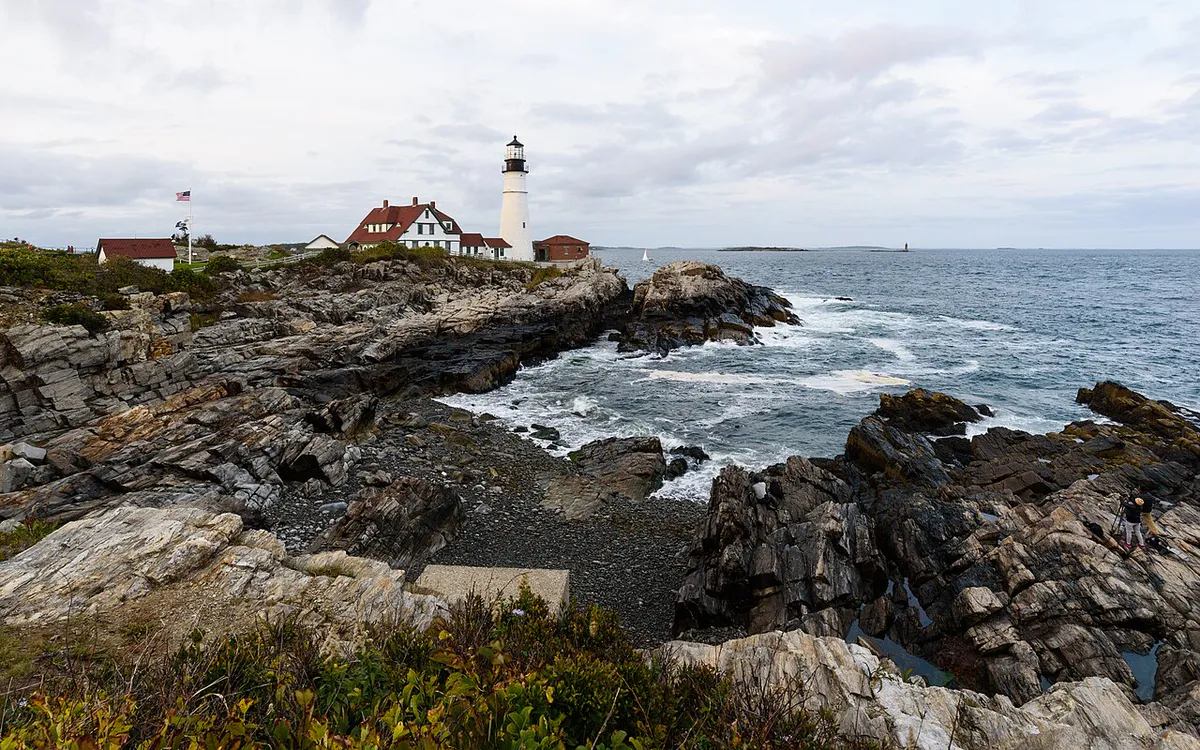
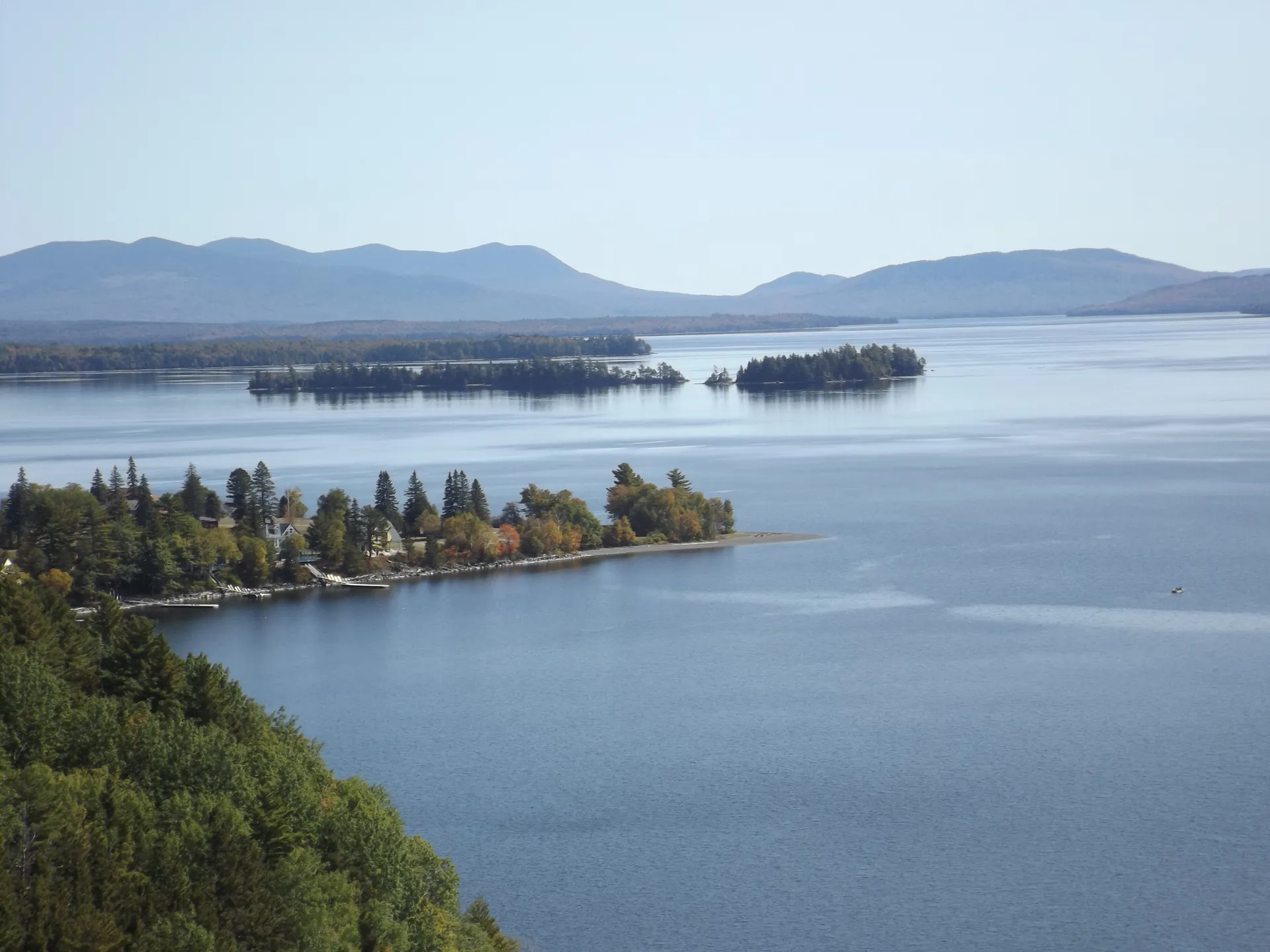
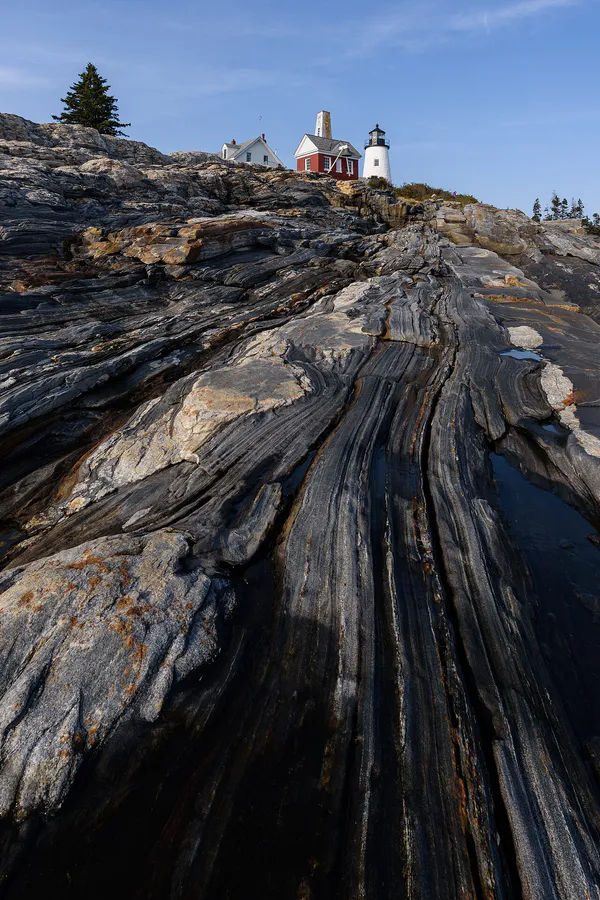
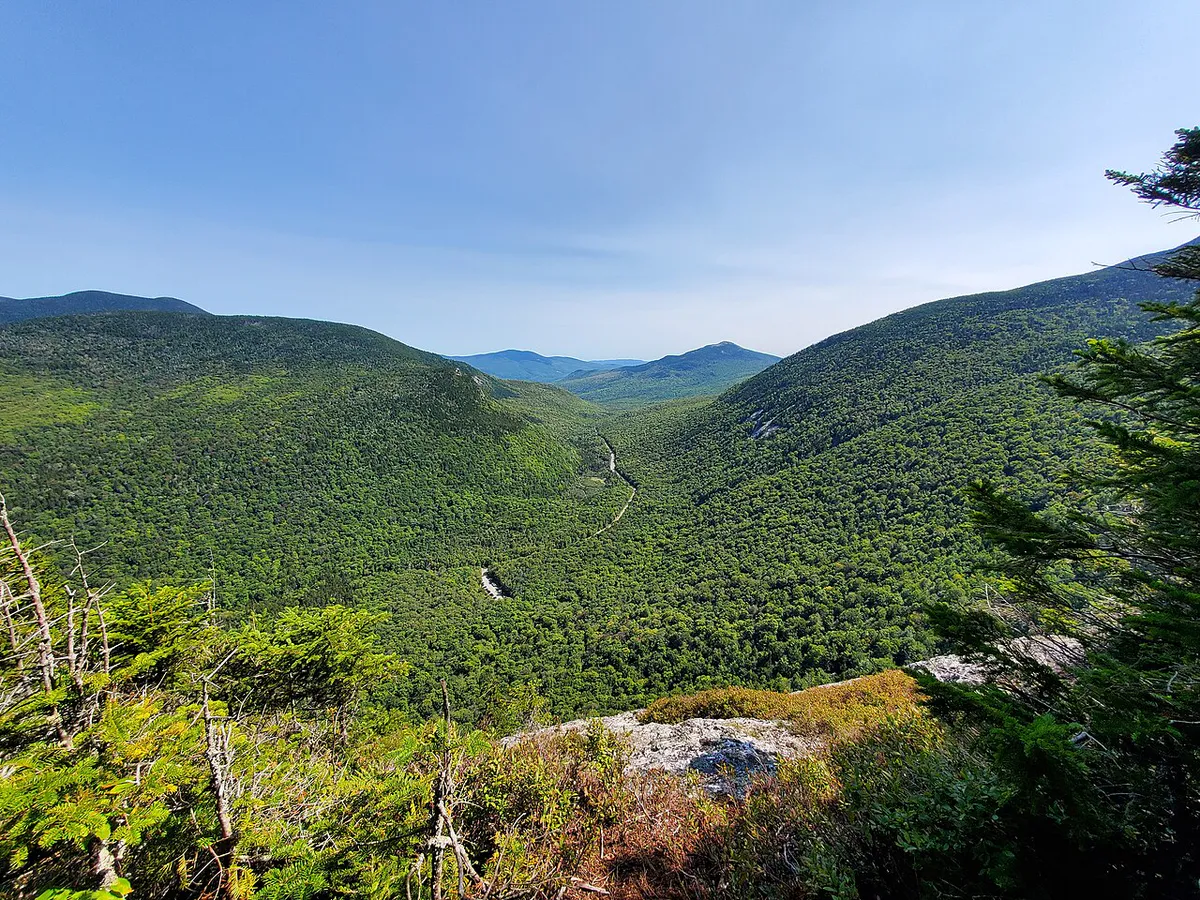
Maine has over 1,000 miles of hiking trails. Some climb 4,000-foot peaks through boulder fields. Some follow flat boardwalks through coastal marshes. A few involve iron rungs bolted into cliff faces. The range is enormous, and that is actually the problem for beginners, how do you know where to start when the options run from a gentle island loop to the most dangerous ridge walk in the eastern United States?
This guide is for people who want to hike in Maine but are not sure what to expect, what to bring, or which trails match their fitness level. No experience required. No judgment if you have never worn hiking boots in your life. Everyone starts somewhere.
What Makes Maine Hiking Different
If you have hiked in other states, Maine has a few quirks worth knowing:
The terrain is granite. Most Maine trails above tree line are on exposed granite ledge. It is grippy when dry and treacherously slippery when wet. Rain, morning dew, and fog can make even moderate trails challenging. Good footwear is not optional here. It is a safety issue.
The trail markers are often painted blazes, not signs. Many Maine trails are marked with colored paint blazes on trees and rocks (white for the Appalachian Trail, blue for most side trails). Cairns (rock piles) mark routes above tree line. You will not always see a sign telling you where to go.
Elevation gains can be abrupt. Maine trails tend to go straight up rather than switchback. A trail labeled “moderate” in Maine might be called “hard” in states with gentler trail-building traditions. Take the difficulty ratings seriously.
Bugs are seasonal and significant. Black flies, mosquitoes, and ticks are not minor annoyances in Maine. They can define your hiking experience if you are unprepared. More on this below.
Cell service disappears quickly. Even trails 30 minutes from Portland can have no cell service. Download offline maps before every hike.
When to Hike in Maine
| Season | Months | Conditions | Bugs | Best For |
|---|---|---|---|---|
| Mud Season | April–mid-May | Wet, muddy trails, some snow | Ticks emerging | Lowland trails only |
| Spring | Mid-May–June | Drying trails, wildflowers | Black flies, ticks peak | Coastal and lowland hikes |
| Summer | July–August | Warm, humid, afternoon storms | Mosquitoes, ticks still active | All trails, swimming holes |
| Fall | September–October | Cool, crisp, foliage | Minimal bugs | Best overall hiking season |
| Winter | November–March | Snow, ice, short days | No bugs | Experienced hikers only |
Best months for beginners: September and October, hands down. The weather is cool and comfortable, bugs are gone, foliage is spectacular, and trails are drier than spring. If you can only hike in Maine once, pick a September weekend.
Second best: Late June through August. Everything is accessible, days are long, and swimming holes at trail ends are at their best. But it is hot, humid, and buggy. Start early to beat the heat and the afternoon thunderstorms that roll through the mountains.
Avoid for your first hike: April through mid-May (mud season). Trails are a mess, higher elevations still have snow, and many trails are officially closed to protect fragile surfaces. Also avoid January through March unless you have winter hiking experience and proper gear.
The Bug Situation (Honest Version)
I am not going to sugarcoat this. Bugs in Maine can be bad, and they catch first-time hikers off guard.
Black flies (late May through mid-June): Small biting flies that swarm your head, neck, and ears. They do not transmit disease but their bites are painful and itchy. They are worst in the western mountains and northern Maine, less intense on the coast. A head net and DEET are your best defenses. Read the full black fly guide.
Mosquitoes (June through August): Worse near standing water, boggy areas, and dense forest. Less of a problem on windy summits and exposed ridges. Standard insect repellent works.
Ticks (April through November, peak May–July): Deer ticks carry Lyme disease, which is a serious concern in Maine. Check your body thoroughly after every hike, armpits, hairline, waistband, behind ears and knees. Wear long pants, tuck into socks, and use permethrin-treated clothing. Read our tick prevention guide and Lyme disease guide for hikers.
Bug-free windows: Late September through October is essentially bug-free. Mid-winter (December through March) has zero bugs but requires dealing with snow and cold instead.
For the month-by-month breakdown, see the Maine bug season calendar. For trails with fewer bugs, see best bug-free hikes in Maine.
Lyme disease is endemic in Maine. A single tick bite can cause a serious, long-lasting illness. Check your entire body after every hike, even short ones. Check your dog too if they come along. This is not optional. It is the most important post-hike habit you can build.
Understanding Trail Difficulty
Maine uses a standard four-tier difficulty system, but the ratings can mean different things depending on who assigned them:
Easy: Generally flat or gently graded, under 3 miles round trip, well-maintained trail surface. Suitable for families with young children and people with no hiking experience. Examples: Mackworth Island, Ocean Path in Acadia.
Moderate: Some elevation gain (500-1,500 feet), 3-6 miles round trip, may include rocky sections or root-covered trail. Requires reasonable fitness but no technical skills. Examples: Gorham Mountain, Bradbury Mountain, Mount Battie.
Hard: Significant elevation gain (1,500-3,000 feet), 5-10 miles round trip, steep sections, possible scrambling on rock. Requires good fitness and comfort on uneven terrain. Examples: Tumbledown Mountain, Table Rock.
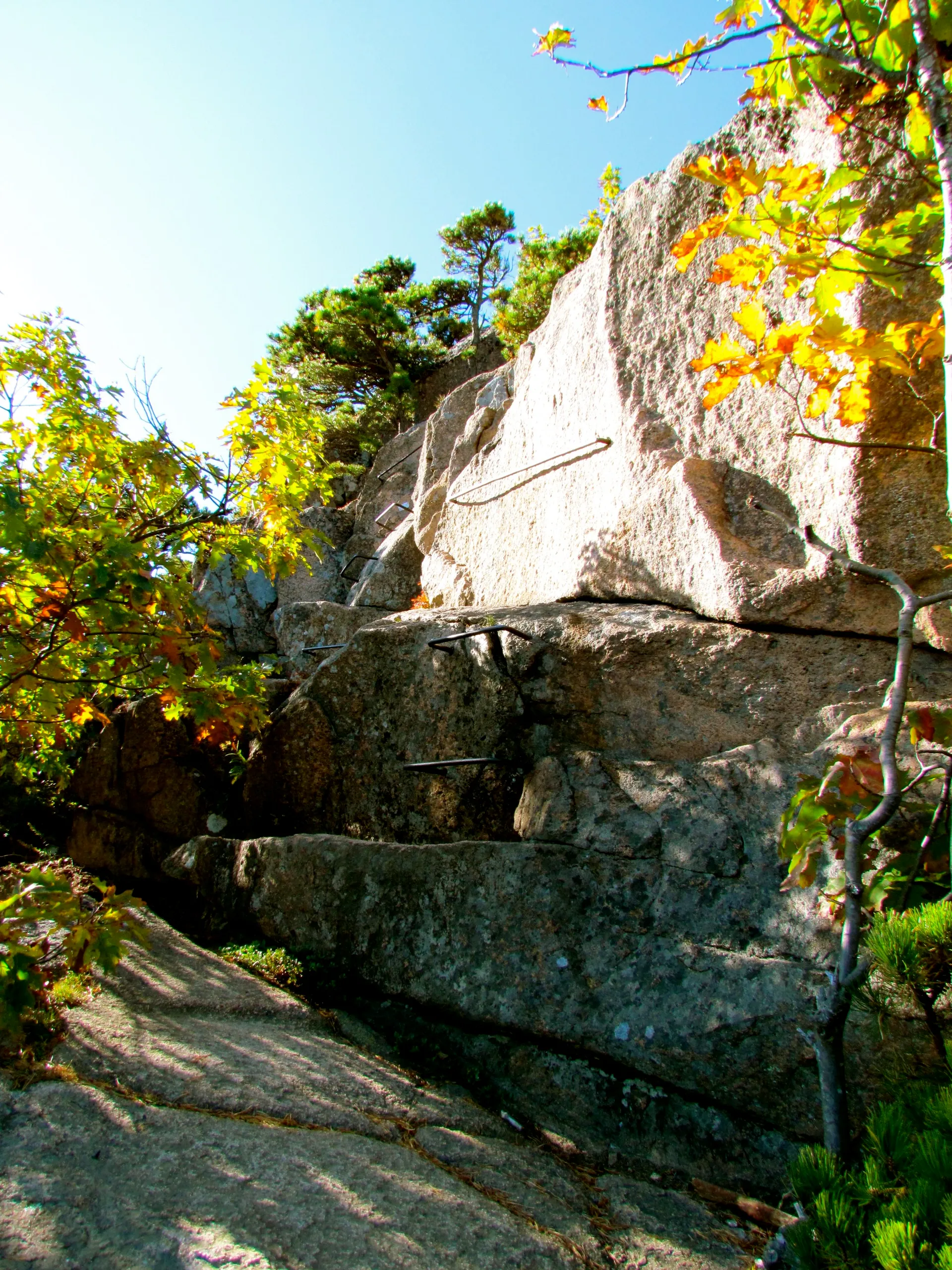
Expert: Major elevation gain, exposed ridgelines, iron rungs, knife-edge traverses, or very long distances. Requires experience, fitness, and good judgment. Examples: Knife Edge on Katahdin, Precipice Trail in Acadia, Bigelow Range.
A note on “moderate”: In Maine, “moderate” covers a huge range. A trail rated moderate in Acadia might involve 800 feet of elevation gain on granite steps. A trail rated moderate in the western mountains might involve 1,200 feet of gain on root-covered path. When in doubt, check the specific elevation gain and distance, not just the difficulty label.
10 Best Beginner Trails in Maine
These are genuine recommendations, trails I would send a friend to if they had never hiked before.
| Trail | Distance | Elevation Gain | Region | Why It's Great |
|---|---|---|---|---|
| Mackworth Island | 1.5 mi loop | Flat | Greater Portland | Flat coastal loop, fairy houses, ocean views |
| Bradbury Mountain | 1.0 mi RT | 300 ft | Greater Portland | Quick summit, wide views, family-friendly |
| Mount Battie (auto road) | 0.2 mi walk | Minimal | Midcoast | Best view-to-effort ratio in Maine |
| Ocean Path ( Acadia ) | 4.4 mi OB | Minimal | Acadia | Flat coastal walk past Thunder Hole |
| Flying Mountain | 1.5 mi loop | 284 ft | Acadia | Short climb, Somes Sound views |
| Sabattus Mountain | 1.8 mi RT | 500 ft | Western Mountains | Panoramic summit, short trail |
| Douglas Mountain | 1.0 mi RT | 300 ft | Western Mountains | Stone tower, views of Sebago Lake |
| Mount Agamenticus | 1.0 mi RT | 200 ft | Southern Maine | Short climb, summit facilities |
| Back Cove Trail | 3.5 mi loop | Flat | Portland | Urban paved loop, no car needed |
| Gorham Mountain ( Acadia ) | 1.8 mi RT | 525 ft | Acadia | First real summit hike, ocean views |
1. Mackworth Island (Falmouth)
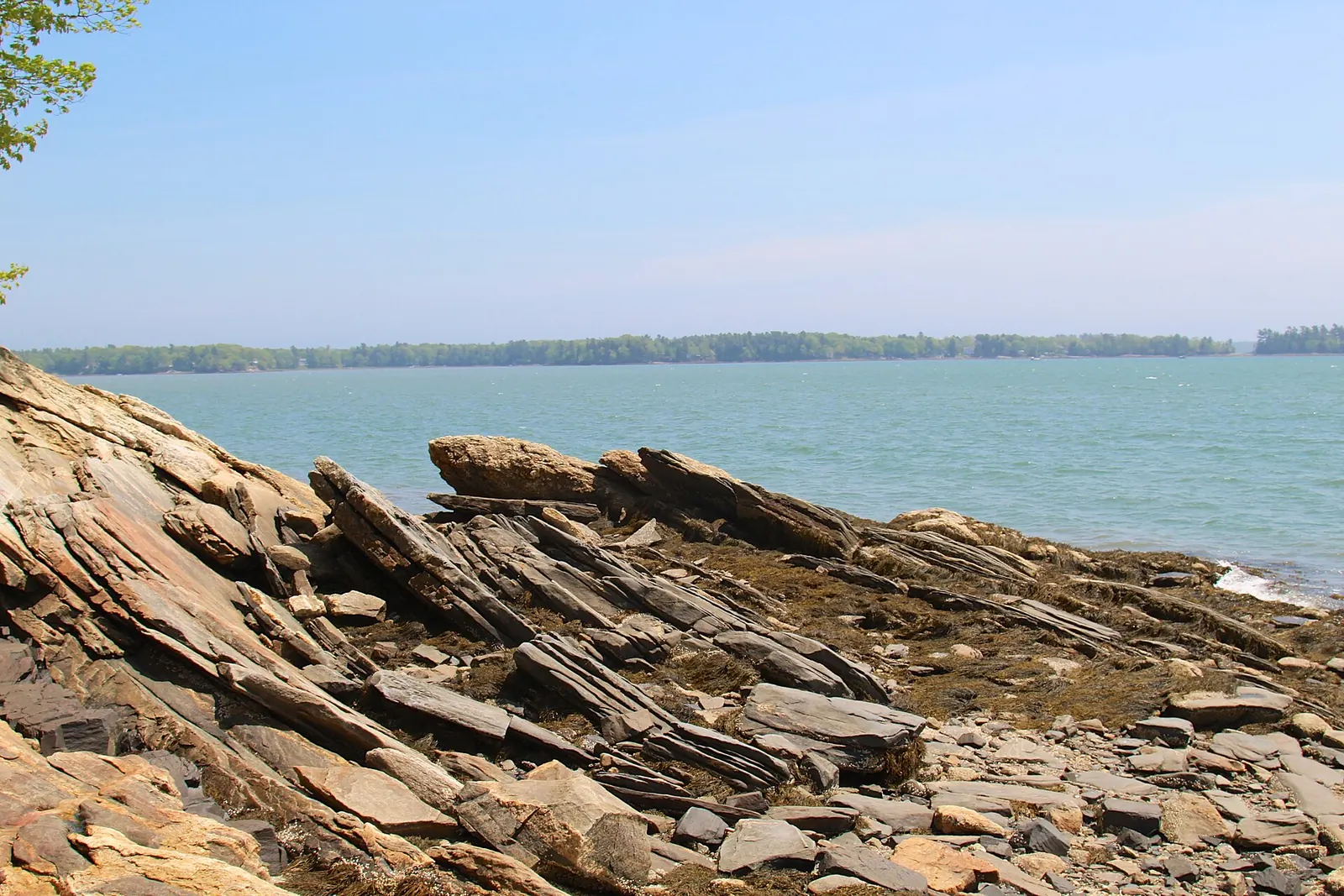
Mackworth Island is the gentlest possible introduction to Maine hiking. A 1.5-mile flat trail loops the perimeter of a small island connected to the mainland by a causeway, 10 minutes from downtown Portland. Ocean views the entire way, a fairy house village in the woods that kids love, and zero elevation gain. If you can walk a mile and a half, you can do this trail.
2. Bradbury Mountain (Pownal)
Bradbury Mountain is in Bradbury Mountain State Park, about 20 minutes from Portland. The Summit Trail is half a mile to the top, a genuine mountain summit reached in under 20 minutes. The view from the top looks east across Casco Bay to the ocean. It is the perfect first summit for someone who has never stood on top of a mountain.
3. Mount Battie (Camden)
Mount Battie in Camden Hills State Park offers the single best view-to-effort ratio in Maine. You can drive to the summit (auto road, small fee) and walk 200 feet to the stone tower for a panoramic view of Camden Harbor, Penobscot Bay, and the islands. If you want to hike, the Mount Battie Trail is about 1 mile with 600 feet of gain, steeper than it looks but short.
4. Ocean Path (Acadia)
The Ocean Path in Acadia National Park follows the coast for 2.2 miles (4.4 miles out and back) from Sand Beach to Otter Point. It is mostly flat, partly paved, and passes some of the most dramatic coastal scenery in the park. Thunder Hole, Monument Cove, and Otter Cliff are all along the way. This is not a wilderness experience. It is a scenic walk on a well-maintained path, but it is beautiful.
5. Flying Mountain (Acadia)
Flying Mountain is the shortest summit hike in Acadia, a 1.5-mile loop with 284 feet of gain. The summit overlooks Somes Sound, the only fjord on the US east coast. It is steep in places but short enough that the effort never feels overwhelming. A great second hike after Ocean Path.
6. Sabattus Mountain (Lovell)
Sabattus Mountain in the western mountains is one of Maine’s best-kept secrets for beginners. The trail is 0.9 miles to a bald granite summit with 360-degree views of the surrounding mountains and lakes. The summit ledges are wide and flat, perfect for a picnic. Fewer people than almost any comparable hike in Maine.
7. Douglas Mountain (Sebago)
Douglas Mountain near Sebago Lake is a short, easy climb to a summit with a stone observation tower. The trail is well-maintained, about half a mile to the top, with views of Sebago Lake and the western mountains from the tower. Great for families and people who want a summit experience without a long approach.

8. Mount Agamenticus (York)
Mount Agamenticus is the southernmost mountain on the Maine coast. The summit is reachable by a short trail or by car. Views extend from the ocean to the White Mountains on clear days. The summit area has interpretive displays, a learning lodge, and a network of short trails. It feels like a gateway to Maine hiking, accessible, scenic, and welcoming to total beginners.
9. Back Cove Trail (Portland)
Back Cove Trail is a 3.5-mile paved loop around Portland’s Back Cove, not a hike in the traditional sense, but a flat, accessible walk with water views and city skyline scenery. It is where Portland residents go to walk, run, and decompress. If you are staying in Portland and want to walk before committing to a trail, start here.
10. Gorham Mountain (Acadia)
Gorham Mountain is the step up from Ocean Path, your first real summit hike in Acadia. The trail climbs 525 feet over 0.9 miles of granite steps and ledge, with views of the ocean, Sand Beach, and the Beehive along the way. It is steeper than anything else on this list, but the views reward every step. This is the trail that turns walkers into hikers.
For more options, see our full guide to easy hikes in Maine, and when you are ready to aim higher, the best hikes in Maine covers the trails worth working toward.
What to Bring: Beginner Day Hike Checklist
What to Bring
- Hiking boots or trail shoes (broken in, not brand new)
- Daypack (15-25 liters)
- Water (at least 1 liter per 2 hours of hiking)
- Snacks (trail mix, energy bars, fruit)
- Rain jacket (even if the forecast looks clear)
- Extra layer (fleece or lightweight jacket)
- Sun protection (sunscreen, hat, sunglasses)
- Bug spray (DEET or picaridin, essential May through August)
- Map (paper or downloaded offline to your phone)
- Phone (charged, with offline maps)
- First aid basics (bandages, blister pads, pain reliever)
- Headlamp (if any chance of hiking near dusk)
Footwear matters most. Cotton sneakers on wet granite are a recipe for a fall. Hiking boots with ankle support and grippy soles are ideal. Trail runners work on easy terrain. Whatever you wear, make sure it has been broken in, blisters at mile 2 ruin a hike faster than rain.
Cotton kills (slowly). Cotton shirts and socks absorb sweat and rain, stay wet, and cause chafing and blisters. Wear synthetic or wool base layers, and swap cotton socks for a pair from our guide to the best hiking socks for Maine. This sounds like gear-nerd advice, but it makes a noticeable difference on any hike over 3 miles.
For detailed gear recommendations, see our guides to hiking boots, daypacks, and rain gear.
Trail Etiquette and Safety
Yield to uphill hikers. If you are going downhill and meet someone coming up, step aside and let them pass. They are working harder and losing momentum to stop is frustrating.
Stay on the trail. Maine’s alpine vegetation above tree line is fragile and takes decades to recover from foot traffic. Walk on the rock, not the plants. This is especially important on Katahdin, Bigelow, and the Baldface Circle.
Pack out everything. No trash, no food scraps, no orange peels. Pack it in, pack it out.
Tell someone your plan. Before any hike, even a short one, tell someone where you are going and when you expect to be back. Cell service is unreliable on most Maine trails.
Start early, finish early. Afternoon thunderstorms are common in the mountains from June through August. Aim to be off exposed summits by 1-2 PM. Starting early also means cooler temperatures, fewer people, and better parking.
Know when to turn around. If the weather deteriorates, if you are more tired than expected, or if the trail is harder than you anticipated, turning around is always the right call. The mountain will be there tomorrow.
Maine mountain weather changes fast. A sunny morning can become a cold, rainy afternoon in under an hour. Above tree line, wind chill can drop temperatures dramatically even in summer. Always carry a rain jacket and an extra warm layer. Hypothermia happens in July, not just January.
Building Up: What to Hike Next
Once you have done a few beginner trails and feel comfortable on rocky terrain with some elevation gain, here is how to progress:
Step 2, Moderate trails with bigger views:
- Tumbledown Mountain, alpine pond at the summit, scramble section
- Bald Mountain in Rangeley, lake views, moderate climb
- Pleasant Mountain, longest summit trail in southern Maine
- Great Head Trail in Acadia, ocean cliffs, moderate terrain
- Blue Hill Mountain, midcoast gem, fire tower summit
Step 3, Harder peaks:
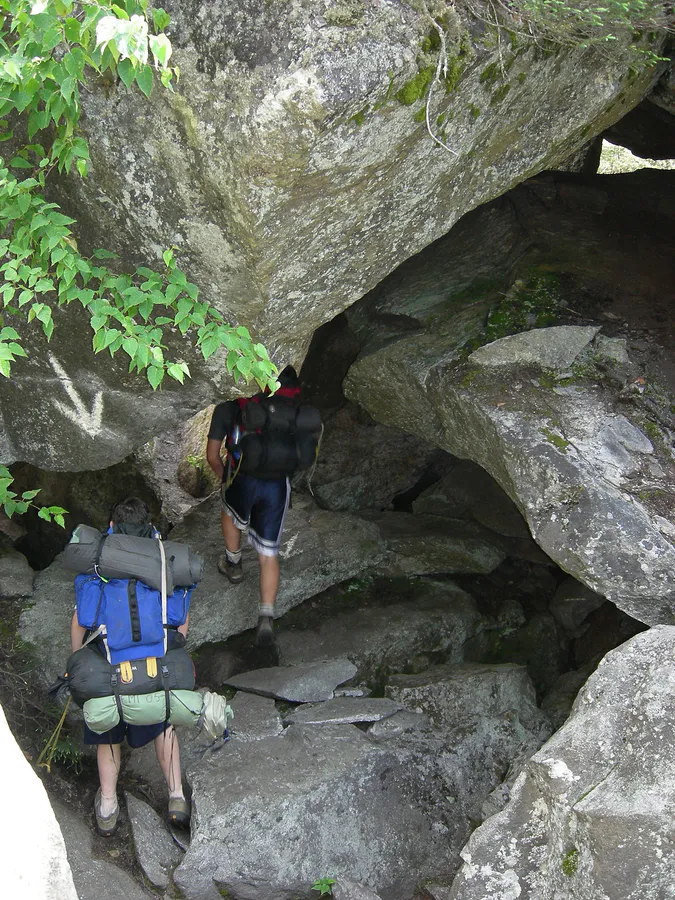
- Table Rock in Grafton Notch, granite slab viewpoint, caves
- Borestone Mountain, Audubon sanctuary, panoramic summit
- Camden Hills Megunticook, highest point on the midcoast
- Beehive Trail, iron rungs, exposure, unforgettable
Step 4, The big ones:
- Bigelow Range, multi-peak traverse, 4,000-footer
- Mount Katahdin, the greatest hike in Maine, Baxter State Park
- Old Speck, third-highest peak in Maine
- Maine 4,000 footers, the complete high peaks challenge
Where to Hike by Region
Greater Portland: Mackworth Island, Bradbury Mountain, Back Cove Trail, Scarborough Marsh. Best for beginners near the city.
Southern Maine: Mount Agamenticus, coastal paths. Close to the beach towns.
Midcoast: Camden Hills, Mount Megunticook, Ragged Mountain. Ocean and mountain views.
Acadia: Ocean Path, Gorham Mountain, Flying Mountain, Beehive. The greatest concentration of trails in Maine. See best hikes in Acadia.
Western Mountains: Sabattus Mountain, Douglas Mountain, Tumbledown Mountain. Big wilderness, fewer people.
Moosehead: Mount Kineo, Borestone Mountain, Gulf Hagas. Remote, dramatic, moose territory.
Aroostook & Katahdin: Mount Katahdin, South Turner Mountain. The big wilderness. Not beginner territory, but the destination worth working toward.
What is the best hike in Maine for someone who has never hiked before?
Bradbury Mountain in Pownal. It is 20 minutes from Portland, takes under an hour round trip, climbs a real summit with real views, and gives you a taste of what Maine hiking is about without overwhelming you. Mackworth Island is even easier but is more of a walk than a hike.
What shoes should I wear hiking in Maine?
Hiking boots or trail shoes with good grip. Maine trails are granite, slippery when wet, uneven, and hard on ankles. Avoid cotton sneakers, sandals, or anything without a lugged sole. Break your boots in before your first hike. Our hiking boots guide has specific recommendations.
Is hiking in Maine dangerous?
It can be, but beginner trails are low risk if you prepare properly. The main hazards are slippery granite in wet conditions, hypothermia from weather changes, ticks and Lyme disease, and getting lost on poorly marked trails. All of these are manageable with proper gear, awareness, and planning.
When is the best time to hike in Maine?
September and October. Cool temperatures, no bugs, spectacular foliage, and drier trails. Late June through August is good for swimming holes and long days but brings heat, humidity, and mosquitoes. Avoid April through mid-May (mud season) for your first hike.
Do I need bear spray in Maine?
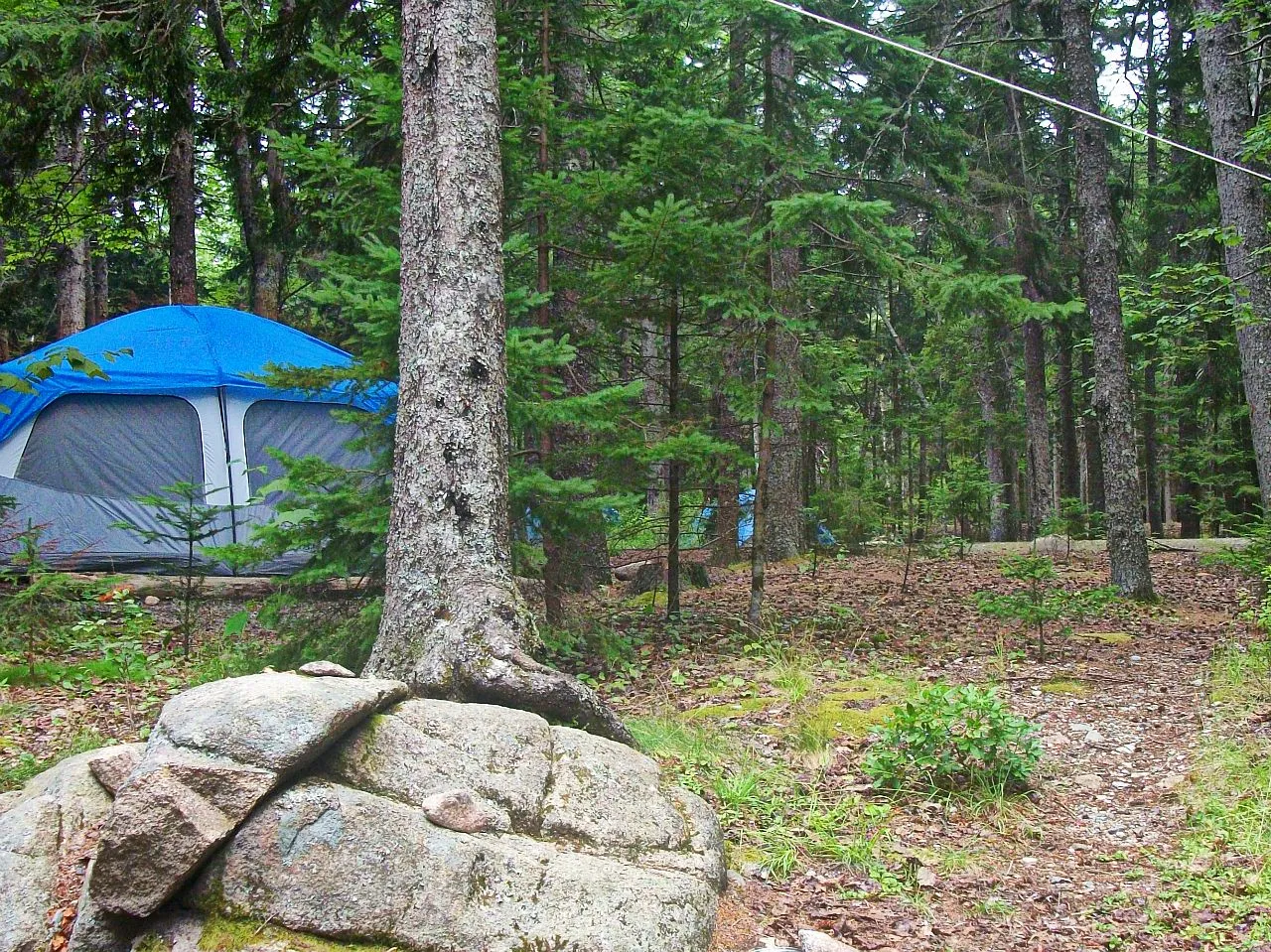
No. Maine has black bears, which are generally shy and avoid humans. Bear encounters on trails are rare and almost never aggressive. Making noise on the trail is sufficient. You do not need bear spray. You do need proper food storage if camping, see our bear food storage guide.
Are Maine hiking trails well-marked?
It varies. Acadia trails are well-signed with cairns and blazes. State park trails are generally well-maintained. Backcountry trails in the western mountains and northern Maine can be less obvious, blazes may be faded, and intersections may lack signs. Always bring a map and know how to read trail blazes.
Can I hike with my dog in Maine?
Yes, on most trails. Dogs must be leashed in state parks and on most Acadia trails. Some Acadia trails (Beehive, Precipice, Jordan Cliffs) prohibit dogs due to iron rungs and exposure. Always check tick-prevention for your dog, Lyme disease affects dogs too.